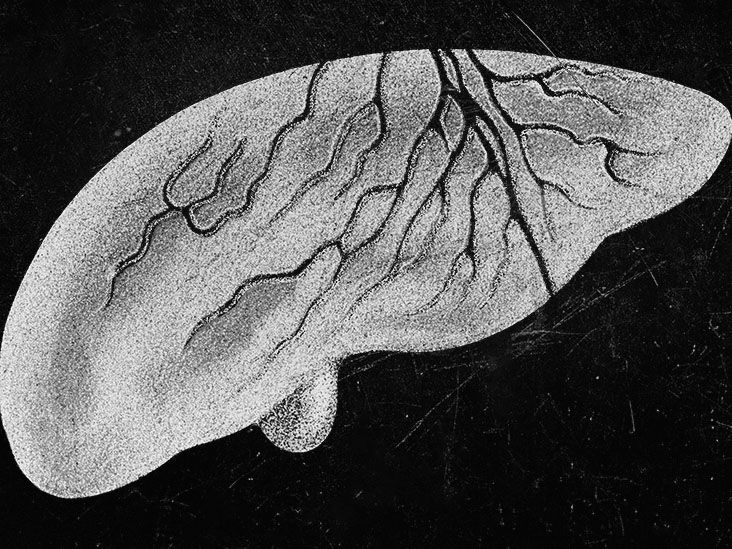
Alcoholic hepatitisnow commonly called alcohol-associated hepatitisis a serious form of liver inflammation linked to prolonged, unhealthy alcohol use. It can develop gradually, appear after a sudden increase in drinking, or arrive with all the subtlety of a fire alarm at 3 a.m. In severe cases, it can rapidly lead to liver failure, kidney problems, infection, confusion, internal bleeding, and death.
The condition is not simply a “hangover that reached the liver.” It is part of the broader spectrum of alcohol-associated liver disease, which ranges from fat buildup in the liver to active inflammation and permanent scarring known as cirrhosis. A person may have alcoholic hepatitis without cirrhosis, or may have both conditions at the same time.
Early recognition matters. Mild liver inflammation may improve substantially when alcohol use stops, while advanced disease usually requires hospital care and close monitoring. This guide explains the symptoms, causes, risk factors, diagnosis, complications, and treatment of alcoholic hepatitis in practical, straightforward language.
What Is Alcoholic Hepatitis?
Hepatitis means inflammation of the liver. In alcoholic hepatitis, repeated exposure to alcohol and its metabolic byproducts damages liver cells and activates inflammatory processes. The liver may become swollen, tender, and less capable of performing essential jobs such as processing nutrients, making proteins, regulating blood clotting, storing energy, and removing waste from the bloodstream.
When the liver metabolizes alcohol, it produces acetaldehyde, a toxic compound that can damage proteins, cell membranes, and other structures. Alcohol metabolism also changes the liver’s chemical balance, encourages fat accumulation, increases oxidative stress, and promotes inflammation. Over time, injured cells may die and be replaced by scar tissue.
Alcohol-associated liver disease is generally described as a spectrum:
- Alcohol-associated fatty liver: Fat accumulates inside liver cells, often without obvious symptoms.
- Alcohol-associated hepatitis: The liver becomes inflamed and liver cells are damaged.
- Alcohol-associated cirrhosis: Extensive scar tissue permanently changes the liver’s structure and function.
These stages do not always occur in a neat, orderly line. The liver is not checking boxes on a form. Some people develop severe hepatitis without known cirrhosis, while others experience a sudden inflammatory episode on top of years of existing scarring.
Symptoms of Alcoholic Hepatitis
Mild alcoholic hepatitis may produce few symptoms. When symptoms occur, they can resemble other digestive, infectious, or liver conditions, which is why self-diagnosis is unreliable. The most recognizable sign is jaundice, a yellow discoloration of the skin or whites of the eyes caused by bilirubin buildup.
Common Early Symptoms
- Loss of appetite
- Nausea or vomiting
- Unintentional weight loss
- Persistent fatigue or weakness
- Tenderness or pain in the upper-right abdomen
- A swollen or enlarged liver
- Low-grade fever
- Dark urine or pale stools
- General discomfort or feeling unusually unwell
These symptoms may look manageable at first. Someone may blame fatigue on work, poor appetite on stress, and nausea on last night’s dinner. Unfortunately, the liver is famous for staying quiet until it is no longer in the mood to be quiet.
Signs of Severe Disease
Advanced alcoholic hepatitis can interfere with blood clotting, circulation, brain function, kidney function, and the body’s ability to fight infection. Warning signs include:
- Yellow skin or eyes
- Increasing abdominal swelling from fluid buildup, called ascites
- Swelling in the feet, ankles, or legs
- Easy bruising or unusual bleeding
- Vomiting blood or material resembling coffee grounds
- Black, bloody, or tar-like stools
- Confusion, forgetfulness, personality changes, or unusual sleepiness
- Rapid heartbeat
- Fever, chills, or other signs of infection
- Reduced urination
- Severe weakness, dizziness, or fainting
Confusion may be a sign of hepatic encephalopathy, which occurs when a damaged liver cannot adequately clear toxins from the blood. Vomiting blood or passing black stools may indicate bleeding from enlarged veins in the digestive tract. Both are medical emergencies.
What Causes Alcoholic Hepatitis?
The primary cause is repeated exposure to more alcohol than the liver can safely process. Risk generally rises with the amount consumed, the frequency of drinking, and the number of years involved. However, there is no precise number of drinks that guarantees either safety or disease.
Two people can report similar drinking patterns and have very different liver outcomes. Biology, nutrition, body composition, genetics, other illnesses, medications, and drinking patterns all influence vulnerability. Some people who drink heavily never develop clinically obvious hepatitis, while others develop serious liver inflammation after a shorter period.
A standard U.S. drink contains approximately 14 grams of pure alcohol, roughly the amount in 12 ounces of regular beer, 5 ounces of wine, or 1.5 ounces of distilled spirits. Larger glasses, strong craft beers, generous home pours, and oversized cocktails may contain two or more standard drinks even when they arrive in one innocent-looking container.
Who Is at Greater Risk?
Long-Term Heavy Alcohol Use
The strongest risk factor is sustained heavy drinking. Frequent binge-drinking episodes can also add substantial stress to the liver, particularly when they become a regular pattern rather than an occasional event.
Female Sex
Women may develop alcohol-related liver damage after lower cumulative alcohol exposure than men. Differences in body composition, alcohol metabolism, hormones, and other biological factors may contribute to this increased susceptibility.
Poor Nutrition
Malnutrition is extremely common in severe alcoholic hepatitis. Alcohol may replace meals, reduce appetite, interfere with nutrient absorption, and disrupt the body’s ability to use vitamins and protein. Meanwhile, an inflamed liver needs nutritional support to repair tissue. It is a particularly unfair arrangement: the body needs more resources precisely when it is receiving fewer.
Obesity and Metabolic Disease
Obesity, diabetes, insulin resistance, and metabolic fatty liver disease can increase liver stress. Alcohol-related injury and metabolic liver injury may occur together, accelerating inflammation and scarring.
Other Liver Conditions
Hepatitis B, hepatitis C, iron overload disorders, autoimmune liver disease, and other chronic conditions may make the liver more vulnerable. Tobacco use, genetic susceptibility, and a family history of alcohol-associated liver disease may also contribute.
How Alcoholic Hepatitis Is Diagnosed
There is no single home test or isolated laboratory result that proves a person has alcoholic hepatitis. Doctors combine the medical history, drinking history, symptoms, physical examination, blood tests, and imaging findings while ruling out other causes of liver injury.
Medical and Alcohol-Use History
Honest information about drinking is medically important. Clinicians may ask what a person drinks, how much, how often, when the last drink occurred, whether consumption recently increased, and whether withdrawal symptoms have happened before. The goal is accurate treatment, not a courtroom cross-examination.
Blood Tests
Testing may include AST and ALT liver enzymes, bilirubin, albumin, kidney function, electrolytes, blood cell counts, and measurements of blood-clotting ability. Doctors may also test for viral hepatitis, autoimmune disease, medication toxicity, or other potential causes.
A pattern in which AST is higher than ALT may support the diagnosis, but laboratory patterns alone are not enough. Bilirubin and clotting abnormalities are especially useful for evaluating how severely liver function has been affected.
Imaging
An abdominal ultrasound, CT scan, or MRI may be used to examine the liver, gallbladder, bile ducts, spleen, blood vessels, and abdominal fluid. Imaging can help identify fatty liver, cirrhosis, tumors, gallstones, or bile duct obstruction, but it cannot always confirm alcoholic hepatitis by itself.
Liver Biopsy
A biopsy is not necessary for every patient. It may be considered when the diagnosis remains uncertain or when another disease could change treatment. During a biopsy, a small liver-tissue sample is examined for inflammation, cell injury, fat, and scarring.
How Doctors Measure Severity
Doctors use clinical judgment and scoring systems to estimate short-term risk and determine whether treatments such as corticosteroids may be appropriate. Common tools include the Model for End-Stage Liver Disease, or MELD score, and Maddrey’s Discriminant Function.
These calculations consider laboratory values such as bilirubin, blood-clotting measurements, sodium, and kidney function. The numbers are not fortune-telling devices. They help the care team compare risk, guide treatment decisions, and determine how closely a patient should be monitored.
Treatment for Alcoholic Hepatitis
1. Complete Abstinence From Alcohol
Stopping alcohol is the foundation of treatment. Continuing to drink increases the likelihood of recurrent inflammation, cirrhosis, liver failure, hospitalization, and death. In contrast, sustained abstinence may allow significant recovery when extensive permanent scarring has not already occurred.
People who drink heavily every day should not assume that abruptly quitting alone at home is automatically safe. Alcohol withdrawal can cause tremors, sweating, agitation, hallucinations, irregular heart rhythms, seizures, or delirium tremens. Medical supervision may be necessary, especially after previous withdrawal complications.
2. Nutritional Therapy
Doctors typically assess calories, protein intake, weight loss, muscle wasting, and vitamin deficiencies. Treatment may involve frequent high-protein meals, oral nutrition drinks, vitamin replacement, and consultation with a registered dietitian. Patients unable to eat enough may require nutrition through a feeding tube.
Nutrition plans must be individualized, especially when ascites, kidney problems, diabetes, swallowing difficulty, or severe confusion is present. Random supplement shopping is not a substitute for medical nutrition therapy, and some herbal products can further damage the liver.
3. Corticosteroids for Selected Severe Cases
Prednisolone may be considered for certain hospitalized patients with severe alcoholic hepatitis. Corticosteroids reduce inflammation and may improve short-term survival in appropriately selected patients, but they are not suitable for everyone.
Doctors first evaluate for infections, gastrointestinal bleeding, kidney problems, uncontrolled diabetes, and other contraindications. The response is reassessed after treatment begins. Steroids may be stopped if the patient is unlikely to benefit, because continuing them can increase infection-related risks without providing enough advantage.
4. Treatment of Complications
Hospital care may include intravenous fluids, careful electrolyte correction, treatment of infections, management of alcohol withdrawal, medications for hepatic encephalopathy, and therapies for ascites. Gastrointestinal bleeding may require urgent endoscopy, medications, blood transfusion, or other procedures.
Kidney function is watched closely because acute kidney injury can dramatically worsen the outlook. Doctors also avoid unnecessary medications that might stress the liver or kidneys.
5. Treatment for Alcohol Use Disorder
Long-term recovery usually requires more than being told, “Just stop drinking.” Alcohol use disorder is a treatable medical condition. Care may include addiction-medicine specialists, counseling, cognitive behavioral therapy, motivational therapy, peer-support groups, outpatient programs, residential treatment, and medications that reduce cravings or help prevent relapse.
Medication selection requires special care in people with active liver disease. The safest choice depends on liver function, kidney function, current medications, withdrawal risk, and other health conditions. Treatment should be coordinated by clinicians familiar with both liver disease and alcohol use disorder.
6. Liver Transplantation
Liver transplantation may be considered for carefully selected patients with life-threatening alcoholic hepatitis who do not improve with medical treatment. Evaluation usually includes the severity of liver failure, other medical conditions, psychological readiness, social support, understanding of alcohol use disorder, and ability to participate in long-term recovery care.
Modern transplant decisions are individualized. A fixed period of abstinence is not the only factor considered at every center, particularly when a patient may not survive long enough to complete an arbitrary waiting period.
Can Alcoholic Hepatitis Be Reversed?
Some liver inflammation and fat accumulation may improve when alcohol use stops, nutrition improves, and complications are treated. The liver has a remarkable capacity for repair, although it is not an indestructible superhero wearing a tiny cape.
Recovery depends on the severity of inflammation, the amount of existing fibrosis, kidney function, infections, nutritional status, and whether alcohol abstinence is maintained. Advanced cirrhosis is generally permanent, although stopping alcohol can still slow further damage and improve survival.
When to Seek Emergency Medical Care
Seek immediate medical attention for yellowing of the eyes or skin, vomiting blood, black stools, severe abdominal swelling, fainting, new confusion, extreme sleepiness, difficulty waking, reduced urination, fever, seizures, hallucinations, irregular heartbeat, or severe withdrawal symptoms.
Do not wait for symptoms to become dramatic. Severe alcoholic hepatitis can deteriorate rapidly, and fever may represent a dangerous infection rather than inflammation alone.
Practical Experiences and Lessons From the Recovery Process
The following observations reflect experiences commonly described by patients, families, and clinical care teams. They are not presented as one person’s literal medical story, but as practical lessons that frequently emerge during treatment.
The First Surprise: Symptoms Often Seem Unrelated
Many people do not initially connect poor appetite, fatigue, swollen ankles, nausea, and restless sleep with liver disease. They may continue working and drinking while explaining away each symptom separately. The turning point often comes when someone notices yellow eyes, a rapidly expanding abdomen, unexplained bruises, or confusion.
A common lesson is that jaundice is not a “wait and see until Monday” symptom. One illustrative patient might arrive at an emergency department expecting vitamins and a lecture, only to learn that bilirubin is severely elevated, blood is not clotting normally, and kidney function is beginning to decline. The diagnosis can feel sudden even though liver injury has been developing quietly for years.
Honesty Changes the Quality of Care
Patients sometimes underestimate alcohol consumption because of shame, fear, or uncertainty about serving sizes. A person may report “three drinks,” but each glass contains several shots. When the medical team receives an accurate account, it can better predict withdrawal risk, interpret laboratory results, choose medications, and watch for complications.
The most useful approach is specific: beverage type, container size, number consumed, drinking days per week, time of the last drink, and previous withdrawal experiences. Doctors have heard bigger numbers. They are not handing out trophies, but they do need the correct data.
Stopping Alcohol Is a Medical Process, Not a Character Test
Families sometimes believe that removing every bottle and demanding immediate abstinence is the entire treatment plan. Removing alcohol is important, but sudden withdrawal may be dangerous for a physically dependent person. Tremors, sweating, anxiety, and insomnia can progress to hallucinations or seizures.
A safer experience begins with professional assessment. Inpatient or medically supervised withdrawal may be recommended, followed by addiction treatment. Successful recovery usually combines medical care, behavioral support, changes in the home environment, and a plan for cravings. Willpower helps, but willpower works much better when it has a medical team, structured follow-up, and fewer liquor-store detours.
Nutrition Is Harder Than “Just Eat More”
People with alcoholic hepatitis may feel full after a few bites because of abdominal swelling. Nausea, altered taste, weakness, depression, and confusion can make meals feel like chores. Families may become frustrated when the person refuses food, not realizing that eating can be physically uncomfortable.
Practical strategies often include smaller meals, calorie-dense snacks, nutrition beverages, bedtime snacks, and foods chosen with a dietitian. Tracking intake can reveal that someone who appears to be eating is consuming very little protein or energy. Improvement may be gradual, measured in finished snacks and regained strength rather than a single heroic dinner.
Recovery Is Usually Uneven
Laboratory results may improve while fatigue persists. Appetite may return before jaundice disappears. A patient may feel better and mistakenly believe that occasional drinking is safe again. This is a dangerous point because symptom improvement does not mean the liver has fully healed.
Follow-up appointments, blood tests, medication reviews, vaccinations, nutrition care, and alcohol-recovery treatment remain important after discharge. Families also need support. They cannot monitor another adult every minute, and they should not be expected to function as a hospital, detective agency, and rehabilitation center simultaneously.
The Most Important Long-Term Lesson
Alcoholic hepatitis is serious, but a diagnosis is not a moral verdict. Stigma can stop people from disclosing alcohol use or seeking help early. Treating liver inflammation without treating alcohol use disorder leaves the main driver of future injury untouched. Treating addiction without monitoring liver complications can be equally incomplete.
The strongest recovery plans address both conditions together. The goal is not merely to survive the hospitalization. It is to protect the liver, rebuild nutrition and physical strength, reduce relapse risk, repair daily routines, and create a life in which alcohol no longer holds the steering wheel.
Conclusion
Alcoholic hepatitis is an inflammatory liver condition that can range from mild and reversible injury to a rapidly fatal medical emergency. Symptoms such as jaundice, abdominal pain, loss of appetite, fever, swelling, bleeding, and confusion deserve prompt evaluation. Diagnosis requires a careful history, blood testing, imaging, and exclusion of other liver diseases.
Complete alcohol abstinence is the central treatment, but it should be approached safely when physical dependence is possible. Nutritional therapy, complication management, addiction treatment, selected use of corticosteroids, and, in some cases, liver transplantation may also be required. The earlier a person seeks care and stops drinking, the greater the opportunity to prevent permanent damage.