Some houses flirt with you. Others give you a key, pour tea into a handmade cup, and quietly convince you to cancel your return ticket. A romantic farmhouse for two in Japan belongs firmly in the second category. It is not romance in the loud, rose-petal-on-the-bed sense. It is romance with cedar beams, sliding screens, mountain air, a kettle making tiny volcanic noises, and two people discovering that doing absolutely nothing can be a five-star itinerary.
Inspired by Japan’s traditional rural homes, especially minka and kominka, this kind of countryside retreat blends old-world craft with modern comfort. Think tatami rooms, deep eaves, charred timber, garden-facing verandas, compact kitchens, woodstoves, and windows placed so carefully they seem to have negotiated directly with the sunrise. It is the opposite of overdesigned luxury. It is thoughtful, quiet, tactile, and wonderfully human.
For couples dreaming of a slower escape, the Japanese farmhouse offers something hotels often cannot: privacy without isolation, simplicity without boredom, and beauty that does not try too hard. It is a place where breakfast can become an event, a bath can become a ritual, and a walk to the vegetable patch can feel suspiciously like a movie scene.
What Makes a Japanese Farmhouse Romantic?
The romance of a Japanese farmhouse begins with proportion. These homes are often modest rather than massive, but they use space with extraordinary intelligence. Instead of rooms that shout their purpose, you get flexible zones: a tatami space for tea by day and sleeping by night, a kitchen that opens toward dining, a veranda that becomes a pause between indoors and outdoors. For two people, that flexibility feels intimate rather than cramped.
Traditional Japanese houses are known for features like tatami flooring, sliding doors, shoji screens, wooden frames, and verandas that face the garden. In a farmhouse setting, these details become even more meaningful. The materials are humble but expressive. Wood darkens with age. Paper screens soften the light. Stone paths make you walk more slowly, mostly because you suddenly feel underdressed for how poetic the moss looks.
The Power of the Engawa
The engawa, a wooden veranda running along the edge of the house, may be one of the most romantic architectural ideas ever invented. It is not quite indoors and not quite outdoors. It is a place to sit with bare feet, share fruit, watch rain, listen to cicadas, or say nothing at all without it becoming awkward.
In a farmhouse for two, the engawa becomes the emotional center of the home. Morning coffee tastes better there. Evening conversations last longer there. Even folding laundry seems less tragic when you are doing it beside a garden and not under fluorescent lights next to a pile of unpaid bills.
Shoji Screens and Soft Light
Shoji screens do for sunlight what a good playlist does for dinner: they soften everything. Instead of harsh glare, they create a pearly glow that changes throughout the day. For a couple, this makes the house feel calm and cinematic without needing a single scented candle named “Moonlit Persimmon Whisper.”
Sliding screens also make the home adaptable. Open them and the room expands. Close them and the space becomes private and cocoon-like. This ability to shift the mood of a room is one reason Japanese farmhouse interiors feel so alive.
The Architecture of Togetherness
A romantic farmhouse for two works because it respects both closeness and breathing room. The best rural Japanese homes understand that togetherness does not mean sitting six inches apart every second like emotionally attached refrigerator magnets. Good design lets one person read in the tatami room while the other chops vegetables in the kitchen, both still connected by sight, sound, and the smell of dinner turning into something impressive.
Many modern minka-inspired homes reinterpret traditional elements such as the doma, engawa, and storage spaces under one generous roof. The doma, historically an earthen-floored work area, often becomes a transitional zone for cooking, crafting, gardening tools, or welcoming neighbors. In a romantic farmhouse, it can be the perfect place for muddy boots, market baskets, and the heroic return of someone who successfully bought daikon without relying entirely on hand gestures.
Deep Eaves, Big Roofs, and Weather Wisdom
Japanese farmhouses often use large roofs and deep eaves to respond to climate. In summer, the eaves help shade the interiors. In colder months, lower sunlight can reach deeper into the rooms, warming the house naturally. This is not just pretty architecture; it is practical poetry.
For a couple staying in the countryside, these passive design strategies shape the rhythm of the day. You open windows in the morning, close screens at night, move with the weather, and become oddly proud of noticing the wind direction. Congratulations: you are now 40 percent farmer and 60 percent person who still takes photos of breakfast.
Woodstoves and Winter Romance
If the farmhouse sits in a mountain region like Yatsugatake, Nagano, Gifu, or parts of Tohoku, winter becomes part of the design brief. A woodstove adds warmth, but it also creates atmosphere. There is something deeply satisfying about a small fire in a quiet house while snow collects outside. It turns soup into cuisine, socks into emotional support garments, and silence into luxury.
A farmhouse for two does not need a giant living room. It needs a warm corner, good seating, low lighting, and a table big enough for tea, books, and snacks that were absolutely intended to be shared but somehow disappeared mysteriously.
Inside the Perfect Romantic Japanese Farmhouse
The ideal farmhouse balances rustic character with modern comfort. Nobody needs to prove their love by shivering through a bathroom experience that feels historically accurate to the 1800s. The most successful renovations preserve beams, rooflines, joinery, tatami rooms, and garden connections while adding insulation, clean bathrooms, reliable heating, and a kitchen that does not require a survival manual.
A Kitchen Made for Slow Meals
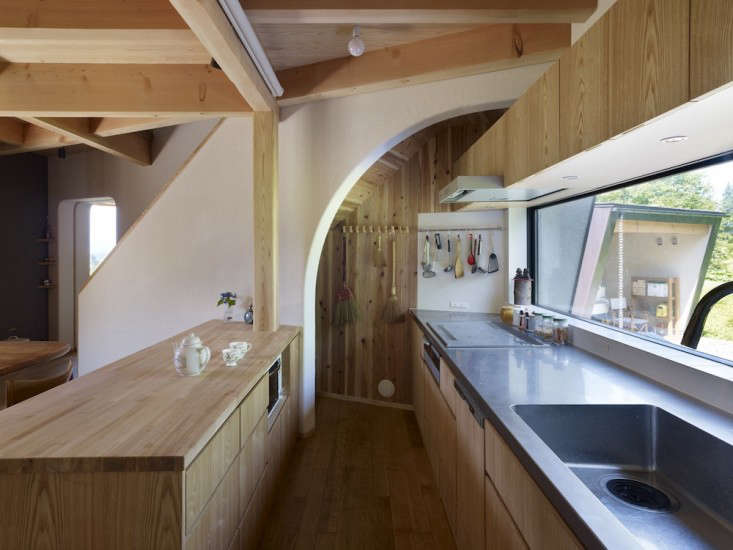
The kitchen should be small but generous in spirit. Open shelves, wooden counters, ceramic bowls, hanging utensils, and views toward the garden create a space where cooking feels less like a chore and more like a shared experiment. Japanese countryside stays often highlight local produce, seasonal vegetables, rice, miso, mushrooms, river fish, fruit, and pickles. Even a simple meal can feel special when the ingredients come from nearby fields or a morning market.
For two people, the best farmhouse meals are not complicated. Rice, grilled vegetables, miso soup, local eggs, fresh greens, and tea can become a feast. Add a tiny dessert and suddenly you are the kind of couple who “lives intentionally,” at least until someone drops soy sauce on the floor.
Tatami Rooms That Do More Than One Job
A tatami room is one of the great flexible spaces. It can be a tea room, reading room, meditation area, nap zone, or sleeping space. For a romantic stay, tatami encourages low living: cushions instead of sofas, futons instead of bulky beds, and a slower relationship with the floor. Western knees may need a diplomatic adjustment period, but the reward is a room that feels calm, clean, and grounded.
The scent of tatami is also part of the experience. Fresh rush grass has a gentle aroma that instantly signals rest. It says, “Please stop checking email.” It says, “You are allowed to stare out the window for eleven minutes.” Honestly, tatami may be the world’s most polite wellness coach.
A Bath Worth Planning the Evening Around
No romantic Japan farmhouse is complete without a thoughtful bath. It does not have to be huge. A deep soaking tub, a clean washing area, warm lighting, and a window toward greenery can turn bathing into a nightly ritual. In Japanese bathing culture, the goal is not to rush. Wash first, soak after, and let the body understand that the day is over.
If the farmhouse is near an onsen region, even better. A daytime trip to a hot spring followed by a quiet evening at home may be the perfect couple’s itinerary: restorative, simple, and requiring no awkward small talk with tour groups wearing matching hats.
Where the Japan Edition Comes Alive
The beauty of a romantic farmhouse in Japan is that it can take many regional forms. In Yamanashi or Nagano, mountain views and cold nights define the mood. In Okayama or Hiroshima, renovated kominka may connect to pottery, farming, and inland village life. In Kyoto’s countryside, the appeal is a blend of old lanes, vegetable fields, and easy access to temples. In Kyushu, rural houses can sit near rivers, forests, and terraced fields. In Hokkaido, the farmhouse fantasy becomes larger, snowier, and possibly more committed to excellent dairy.
Mountain Farmhouse
A mountain farmhouse is perfect for couples who want drama without crowds. Wide views, crisp air, wood smoke, and vegetable gardens create a sense of retreat. The house should face the best light and shelter itself from harsh weather. Large windows are wonderful, but only when paired with proper insulation and shade. The goal is not to live inside a greenhouse wearing a blanket and regretting your design choices.
Village Kominka
A village kominka offers a different kind of romance. Instead of total isolation, it places you within a living rural community. You may hear neighbors, temple bells, scooters, chickens, or the distant sound of someone doing something very efficiently with a hoe. This is ideal for travelers who want authenticity, not just scenery.
Staying in a registered countryside home or farmstay also comes with responsibilities. Guests should respect local rules, sort trash correctly, keep noise low, remove shoes where required, and treat the home as someone’s heritage rather than a themed photo booth. The romance gets better when you do not annoy the village.
Farmhouse Near the Sea
Japan’s rural charm is not limited to mountains. A farmhouse near the coast can offer fishing villages, citrus groves, sea breezes, and morning walks to tiny harbors. The design may include weathered wood, tiled roofs, storm shutters, and outdoor areas for washing vegetables or fish. For two people, coastal rural life feels fresh and elemental: salt air, simple meals, and the daily debate over whether “one more walk” is romantic or just an excuse to buy snacks.
How to Design the Mood Without Overdecorating
The biggest mistake in creating a Japanese farmhouse atmosphere is trying too hard. A romantic farmhouse should not look like a gift shop had a very emotional collision with a Pinterest board. The most convincing interiors rely on fewer objects, better materials, and an honest relationship with the building.
Choose Natural Materials
Wood, clay, stone, paper, linen, cotton, bamboo, iron, and ceramic all belong naturally in this setting. A farmhouse does not need shiny perfection. It benefits from texture: hand-thrown bowls, woven baskets, old beams, slightly uneven plaster, and wood that tells the truth about age.
Charred wood, often known internationally as shou sugi ban and more accurately in Japan as yakisugi, can create a dramatic exterior or accent wall. Its deep black surface adds visual depth and pairs beautifully with greenery, stone, and pale interior finishes. Used carefully, it gives a farmhouse both tradition and modern edge.
Keep the Color Palette Quiet
The best colors for a romantic Japanese farmhouse are earthy and restrained: warm white, smoke gray, cedar brown, charcoal, moss green, rice-straw beige, clay, and muted indigo. These tones let the landscape do the shouting. And if the landscape is Mount Fuji, a cedar forest, or a persimmon tree in autumn, it has absolutely earned the microphone.
Use Light Like a Material
Lighting should be gentle. Paper lanterns, low table lamps, wall sconces, and indirect light work better than bright overhead fixtures. The aim is to create pools of warmth. At night, the farmhouse should glow, not interrogate you.
Candlelight can be lovely, but it should be used safely and sparingly, especially in old wooden houses. Battery lanterns, dimmable lamps, and shaded fixtures can create a similar mood without making the local fire department part of your romantic weekend.
A Sample Day in a Romantic Farmhouse for Two
Wake up early, not because an alarm bullied you, but because the room has slowly filled with soft light. Slide open the screen. The garden is wet with dew. Someone makes tea while the other pretends to “help” by standing near the kettle looking thoughtful.
Breakfast is rice, miso soup, eggs, pickles, and fruit from the local market. You eat slowly because there is no train to catch. Later, you walk through fields or along a village road, stopping at a small shrine, a roadside produce stand, or a café that appears to operate on the mysterious schedule of “open when it feels right.”
In the afternoon, the farmhouse becomes a quiet world. One person reads. The other naps. Rain taps the roof. The wood floor creaks occasionally, as if the house is clearing its throat to remind you it has been around longer than your phone battery.
Dinner is cooked together: mushrooms, noodles, greens, grilled fish, or hot pot in colder months. Afterward, there is a bath, tea, and maybe a little planning for tomorrow. Not too much planning, though. The whole point of being here is to remember that life does not always need a spreadsheet.
Practical Tips for Planning a Couple’s Farmhouse Stay in Japan
Look for legally registered accommodations, especially when booking a minpaku or countryside stay. Japan has rules around private lodging, and reputable platforms or official rural tourism programs make the process smoother. Read listings carefully for heating, cooling, bathroom style, sleeping arrangements, kitchen access, transportation, and whether hosts live on-site.
Consider the season. Spring brings blossoms and fresh greens. Summer offers lush fields, festivals, and humidity that may introduce your hair to new career paths. Autumn is arguably perfect, with crisp air, harvest foods, and brilliant foliage. Winter can be magical in mountain regions, but only if the house is properly heated and accessible.
Transportation matters. Some farmhouses require a rental car, while others are reachable by train and taxi. If you want total privacy, a remote location may be worth it. If you want easy meals and day trips, choose a village near a station, market, or small town.
Pack light but thoughtfully. Bring comfortable socks, layers, easy shoes, sleepwear suitable for futons, and a small bag for local shopping. Leave room for ceramics, tea, textiles, or snacks you will buy despite claiming you are “just looking.” Nobody just looks at Japanese ceramics. That is how bowls happen.
500-Word Experience Section: Living the Farmhouse Dream for Two
The first experience that defines a romantic Japanese farmhouse stay is arrival. You step out of the taxi or rental car, and the world feels quieter than expected. The roofline sits low against the landscape. A gravel path leads to the entrance. Somewhere nearby, water moves through an irrigation channel. You remove your shoes at the genkan and instantly understand that the house has rules, but they are kind rules. They ask you to slow down, pay attention, and stop dragging city chaos across the floor.
Inside, the air has texture. It may smell faintly of wood, tatami, smoke, or rain. The first few minutes are usually spent sliding doors open and closed with childlike wonder. One screen reveals the garden. Another reveals a storage nook. Another reveals that you packed too much and should apologize to minimalism personally.
Cooking together becomes one of the best parts of the stay. In a city apartment, dinner can feel like logistics. In a farmhouse, it becomes an activity. You wash greens from a local stand, slice mushrooms, warm broth, set bowls on the table, and realize that simple food tastes better when the room is quiet and the ingredients did not arrive in plastic armor. There is also a small comedy in learning how to use an unfamiliar kitchen together. One person becomes head chef. The other becomes assistant to the regional manager of chopsticks, lids, and emotional encouragement.
The garden changes the entire mood of the stay. Even a tiny patch of moss, stones, herbs, or seasonal flowers can make the house feel connected to time. Morning light belongs to the garden. So does evening shadow. Sitting outside with tea, you notice things that normally escape you: the sound of insects, the shape of clouds, the way steam rises from a cup, the fact that doing nothing is harder than it looks but much more rewarding once you stop trying to be productive about it.
At night, the farmhouse becomes intimate in the best way. The rooms darken early. The windows reflect the warm interior. A bath relaxes travel-tired legs. Futons are laid out with the small ceremony of making a temporary nest. There is no lobby music, no elevator ding, no hallway conversation from strangers returning from karaoke with impressive confidence. Just the house, the countryside, and two people tucked into a rhythm older than the weekend getaway industry.
The next morning, leaving feels slightly personal. You fold blankets, wash cups, check corners, and take one last look at the view. A romantic farmhouse for two does not promise perfection. It offers something better: a memory with weather in it, meals in it, silence in it, and the rare feeling that for a short while, life became beautifully small.
Conclusion: Why This Farmhouse Fantasy Works
A romantic farmhouse for two, Japan edition, is not about escaping into a fantasy of perfect rustic living. It is about entering a space where design, nature, and daily rituals work together. The appeal comes from balance: old beams with modern comfort, quiet rooms with open views, privacy with connection, simplicity with depth.
Whether imagined as a mountain retreat, a renovated kominka, a village farmstay, or a coastal countryside home, the Japanese farmhouse gives couples a rare kind of luxury. It makes time feel spacious. It turns ordinary tasks into shared rituals. It proves that romance does not always need grand gestures. Sometimes it needs a wooden veranda, a pot of tea, a warm bath, and a roof that knows exactly how to hold the rain.