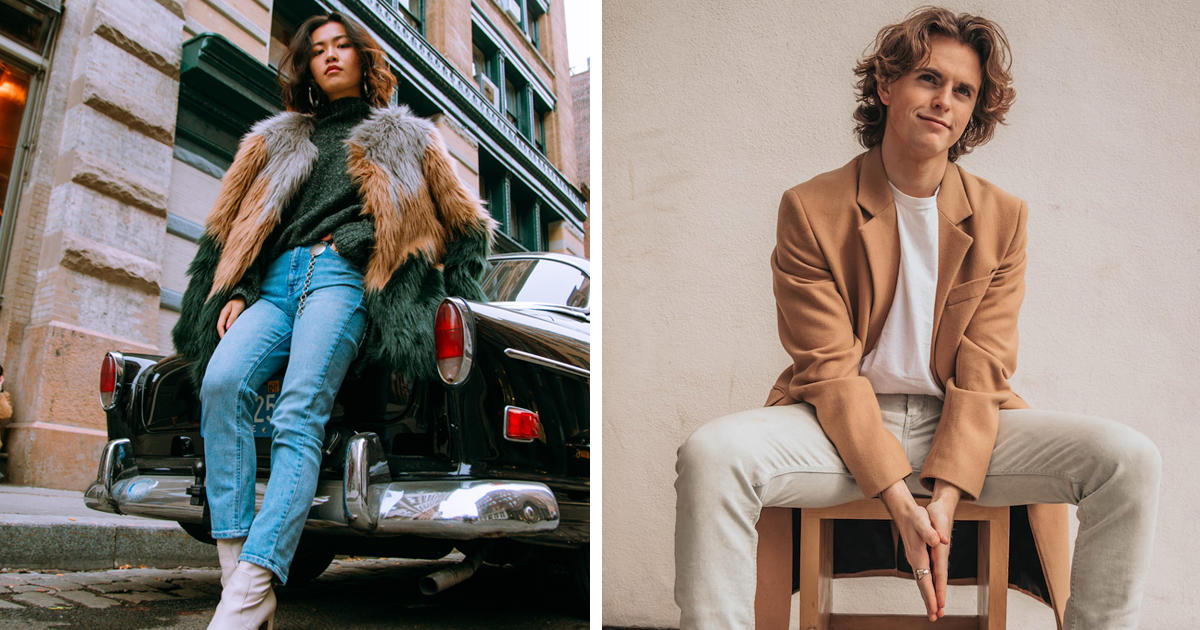
Looking your best does not require a celebrity stylist, a walk-in closet the size of a studio apartment, or the ability to pronounce “sprezzatura” without blinking. Great style is mostly a collection of small, repeatable choices: better fit, cleaner shoes, smarter layering, intentional colors, and the occasional courage to put back the “statement” shirt that is doing more screaming than stating.
The best style tips work for real life. They help you look polished at work, relaxed on weekends, confident on dates, and presentable when you run into someone important while holding a grocery-store rotisserie chicken. This guide gathers practical fashion advice, wardrobe basics, grooming habits, and outfit formulas that help anyone build better personal style without turning getting dressed into an Olympic event.
Use these 47 style tips as a friendly checklist. You do not need to follow every rule every day. Fashion is not math, and nobody is grading your socks unless your friends are extremely bored. Start with the tips that solve your biggest style problem first, then build from there.
Build a Better Wardrobe Foundation
1. Know your lifestyle before buying clothes
A wardrobe should support the life you actually live, not the fantasy life where you attend gallery openings on Tuesdays and sail in linen on Saturdays. If your week is mostly office, errands, casual dinners, and travel, build around pieces that work in those situations. Personal style becomes easier when your closet is honest.
2. Invest in elevated basics
Basics are not boring; bad basics are boring. A crisp white T-shirt, straight-leg jeans, black trousers, a button-down shirt, a blazer, loafers, clean sneakers, and a versatile jacket can carry dozens of outfits. The trick is choosing basics with good fabric, flattering cuts, and colors you actually wear.
3. Create a capsule wardrobe, not a clothing museum
A capsule wardrobe is a curated group of mix-and-match pieces. It does not mean owning only 10 items and whispering “minimalism” at your laundry basket. It means most of your clothes should work together. If one jacket matches five shirts and three pairs of pants, congratulations: you have unlocked adult dressing.
4. Follow the “goes with five things” rule
Before buying something, ask whether it works with at least five items you already own. This protects you from buying a beautiful but needy garment that demands a new pair of shoes, a new bag, a new personality, and possibly a new passport.
5. Choose quality over quantity
You do not need luxury everything. You do need clothes that hold shape, feel good, and survive normal washing. Spend more on pieces you wear often: shoes, coats, denim, trousers, bags, and workwear. Save on trend pieces that may lose their sparkle by next Thursday.
6. Keep your best colors close to your face
Colors near your face affect how awake, healthy, and polished you look. If navy, ivory, olive, burgundy, or soft blue makes your complexion glow, use those colors in shirts, sweaters, scarves, and jackets. Save less-flattering shades for shoes, bags, or the donation pile.
7. Build around neutrals, then add personality
Neutrals like black, white, navy, gray, camel, cream, denim blue, and olive are easy to combine. Once your base is solid, add personality through color, pattern, jewelry, bags, socks, scarves, or one excellent jacket that says, “Yes, I have interests.”
8. Repeat outfits proudly
Stylish people repeat outfits. They just repeat good ones. If a combination makes you feel confident, photograph it and wear it again. Repetition is not failure; it is a signature. Even the most fashionable people have a uniform. They just steam it first.
Fit Is the Real Style Secret
9. Prioritize fit over brand names
A perfectly fitted affordable blazer looks better than an expensive one that hangs like a curtain in a thunderstorm. Shoulder seams, sleeve length, waist placement, and pant break matter more than logos. Fit is the difference between “effortless” and “borrowed this from a taller cousin.”
10. Find a good tailor
Tailoring is not only for suits. Hem jeans, shorten sleeves, taper trousers, adjust waistbands, and refine dresses. Small alterations can make regular clothes look custom. If you have ever liked an item but thought, “Something is slightly off,” a tailor may be the missing plot twist.
11. Pay attention to shoulder seams
For structured tops, shirts, blazers, and jackets, the shoulder seam should sit close to the edge of your natural shoulder. Too far down can look sloppy; too high can feel tight. Oversized styles can break this rule intentionally, but accidental oversized is just laundry-day chaos.
12. Check the length of your pants
Pants should work with your shoes. Cropped trousers should look intentionally cropped, not accidentally shrunk. Full-length pants should skim the top of the shoe or break slightly, depending on the style. When in doubt, try the pants with the shoes you wear most.
13. Balance proportions
If your top is oversized, try a slimmer or structured bottom. If your pants are wide, pair them with a neater top. If everything is oversized, you may look fashion-forwardor like you escaped from a laundry pile. Balance creates shape.
14. Define your waist when needed
A belt, tucked shirt, cropped jacket, high-waisted pant, wrap dress, or structured blazer can define the waist and make an outfit look sharper. This is especially useful with soft fabrics, relaxed silhouettes, or outfits that need a little architectural support.
15. Dress for your body, not someone else’s trend report
Trends are suggestions, not subpoenas. Try new shapes, but keep what flatters your proportions and makes you feel comfortable. The best outfit is not the one everyone is wearing. It is the one you forget to fuss with because it simply works.
Master Everyday Outfit Formulas
16. Use the third-piece rule
A third piecelike a blazer, cardigan, denim jacket, trench coat, vest, scarf, or statement necklacemakes basic outfits look intentional. Jeans and a T-shirt are fine. Jeans, a T-shirt, and a sharp jacket look like you have a plan.
17. Create three reliable outfit formulas
Examples include: button-down shirt plus straight jeans plus loafers; T-shirt plus blazer plus trousers; midi dress plus denim jacket plus sandals; knit polo plus chinos plus sneakers. Formulas reduce morning decision fatigue and prevent the classic closet meltdown known as “I own nothing,” despite evidence.
18. Learn monochrome dressing
Wearing one color family from head to toe can look elegant and elongating. Try all black, shades of cream, navy-on-denim, gray layers, or chocolate brown with tan. Add depth through texture: cotton, leather, knit, silk, suede, or linen.
19. Mix high and low pieces
A budget T-shirt can look expensive under a great blazer. A simple dress can shine with polished shoes and jewelry. Style is not about wearing the priciest item in the room; it is about making the entire outfit feel considered.
20. Keep one polished casual outfit ready
Everyone needs an outfit for last-minute plans: dinner, meeting, airport pickup, casual date, or “please look like a responsible person.” Try dark jeans, a clean tee or button-down, a jacket, and nice shoes. Keep it clean, steamed, and mentally bookmarked.
21. Have a “no-thinking” work outfit
For office or professional settings, create a dependable uniform: trousers, blouse or shirt, blazer, and comfortable polished shoes. Swap colors and accessories to keep it fresh. The goal is to look competent before your coffee has finished loading.
22. Dress one notch better than required
If the dress code is casual, aim for smart casual. If it is business casual, add structure. This does not mean overdressing dramatically; it means showing care. Looking slightly more polished often reads as confidence, respect, and preparation.
23. Use accessories to change the mood
The same black dress can feel work-ready with loafers and a blazer, romantic with sandals and earrings, or edgy with boots and a leather jacket. Accessories are outfit punctuation marks. Use them wisely, and avoid turning every sentence into an exclamation point.
Upgrade the Details
24. Keep shoes clean
Clean shoes can make a simple outfit look polished. Dirty shoes can make expensive clothes look neglected. Wipe sneakers, polish leather, brush suede, replace worn laces, and repair soles before they start flapping like tiny fashion flags.
25. Match formality levels
A formal blazer with gym shorts may work on a runway, but in daily life it usually looks confused. Match dressy with dressy, casual with casual, or bridge the gap intentionally. For example, tailored trousers with clean sneakers can work because both pieces look neat.
26. Mind your bag
Your bag is part of your outfit. A structured tote, leather crossbody, clean backpack, sleek briefcase, or simple shoulder bag can elevate your entire look. Retire bags that are peeling, stained, overloaded, or making suspicious zipper noises.
27. Use belts strategically
A belt is not just a device that prevents public embarrassment. It can define shape, add polish, and connect shoes or accessories. A black leather belt, brown leather belt, and one statement belt can cover most needs.
28. Choose jewelry with intention
Simple hoops, studs, a watch, a chain, a cuff, or a delicate necklace can add personality without overwhelming the outfit. If your clothes are bold, keep jewelry simpler. If your outfit is minimal, jewelry can do the charming little dance.
29. Do not ignore socks
Socks can quietly support an outfit or completely betray it. Choose no-show socks for certain loafers and sneakers, dress socks for tailored outfits, and fun socks when the rest of the outfit can handle the joke.
30. Upgrade your outerwear
Coats and jackets are often the first thing people see. A trench coat, denim jacket, leather jacket, wool coat, utility jacket, lightweight bomber, or clean blazer can instantly improve basics. If your coat looks tired, the outfit underneath has to work overtime.
31. Wear sunglasses that suit your face
Classic sunglasses are one of the fastest ways to look put together. Try aviators, wayfarers, round frames, cat-eye shapes, or rectangles. The best pair should feel balanced with your face shape and not look like it belongs to a mysterious insect.
Grooming and Clothing Care Matter
32. Steam or iron your clothes
Wrinkles can make even stylish pieces look careless. A handheld steamer is one of the best style investments you can make. It is faster than ironing and less dramatic than pretending the wrinkles are “texture.”
33. Remove lint and pet hair
A lint roller is small, cheap, and heroic. Keep one near your door, in your car, or at your desk. Black pants plus a shedding pet is a classic tragedy, but it does not have to be your public brand.
34. Learn basic laundry care
Read care labels, wash similar colors together, avoid overloading the machine, and do not over-dry clothes. Heat can shrink, fade, and weaken fabrics. Good laundry habits keep your wardrobe looking newer longer, which is stylish and budget-friendly.
35. Store clothes properly
Hang structured pieces, fold knits, give shoes room to breathe, and avoid stuffing your closet until hangers start filing complaints. Proper storage prevents wrinkles, stretching, odors, and the mysterious disappearance of your favorite shirt.
36. Repair small problems quickly
Loose buttons, tiny hems, scuffed shoes, pilling sweaters, and stuck zippers are easier to fix early. Keep a small sewing kit, fabric shaver, shoe wipes, and stain remover. Maintenance is not glamorous, but neither is a button launching across a restaurant.
37. Keep grooming simple and consistent
Hair, nails, skin, fragrance, and facial hair all influence style. You do not need a complicated routine. Clean hair, neat nails, moisturized skin, trimmed facial hair, and a light fragrance can make even casual outfits look more polished.
38. Use fragrance lightly
A good scent should be discovered, not announced. Apply one or two sprays to pulse points and stop before your fragrance becomes a weather system. Subtle is stylish; overwhelming is elevator warfare.
Shop Smarter, Not More
39. Audit your closet before shopping
Before buying anything new, look at what you already own. Notice what you wear constantly, what never leaves the hanger, and what gaps make dressing difficult. A closet audit prevents duplicate purchases and reveals your real style habits.
40. Make a wish list
Keep a running list of items you actually need. This helps you shop intentionally instead of emotionally. There is nothing wrong with a fun impulse buy now and then, but your closet should not become a museum of panic purchases.
41. Try clothes on with the right undergarments and shoes
Fit changes depending on what you wear underneath and on your feet. Try dresses with the bra you will actually wear. Try trousers with your usual shoes. Try jackets over real layers. Dressing-room lighting is already rude enough; do not let styling variables sabotage you.
42. Know when to skip a trend
If a trend does not fit your lifestyle, budget, body comfort, or personal taste, admire it from a distance. You can look current by adding small trend touches through color, accessories, or updated shapes without replacing your entire wardrobe.
43. Buy fewer “almost right” pieces
Almost right usually becomes never worn. If it pinches, pulls, gaps, itches, rides up, requires constant adjusting, or needs a fantasy event to make sense, leave it behind. The best clothes are the ones you reach for again and again.
44. Photograph your outfits
A mirror can lie, but photos are brutally useful. Take quick pictures of outfits you like. Over time, you will see patterns: favorite shapes, colors, shoes, and proportions. This helps you define personal style with evidence, not wishful thinking.
45. Dress for the weather
Style collapses quickly when you are freezing, sweating, or sliding around in the wrong shoes. Choose breathable fabrics like cotton and linen in heat, warmer layers in cold weather, and practical footwear for rain. Comfort is not the enemy of style; discomfort is usually the villain.
46. Leave room for personality
Great style should look like you. Add the vintage jacket, red lipstick, patterned scarf, bold glasses, cowboy boots, pearl earrings, graphic tee, or unusual watch if it feels true. Personal style without personality is just a well-organized receipt.
47. Wear confidence, but make sure it is steamed
Confidence is the final layer. It helps you carry bold choices and makes simple outfits look stronger. Still, confidence works best with clean clothes, good fit, and shoes that are not actively begging for retirement. Attitude plus preparation is the magic combination.
How to Put These Style Tips Into Practice
Start with one week of observation. Do not buy anything yet. Notice what you wear, what you avoid, and what makes you feel best. Maybe you love relaxed denim but hate stiff waistbands. Maybe you keep buying bright colors but only wear neutrals. Maybe every morning you search for one missing piece, like comfortable loafers, a polished jacket, or a white shirt that does not behave like tissue paper.
Next, build three outfit formulas for your real life. For casual days, you might choose straight-leg jeans, a fitted tee, a cardigan, and sneakers. For work, tailored trousers, a button-down, a belt, and loafers. For evenings, a simple dress or dark jeans with a sharp jacket and jewelry. Once you have formulas, getting dressed becomes less like solving a mystery and more like making toast.
Then upgrade your weakest link. If your clothes fit well but your shoes are tired, start with shoes. If your outfits are good but always wrinkled, buy a steamer. If your closet is full but nothing matches, focus on neutrals and versatile basics. If you look fine but not memorable, add one signature detail: a favorite color, watch, scarf, lip color, jacket shape, or jewelry style.
Finally, remember that looking your best is not about perfection. It is about consistency. Clean, well-fitting, well-cared-for clothes will beat chaotic trend-chasing almost every time. Personal style grows through experimentation, mistakes, and the occasional outfit that looked better in your head. That is normal. Even stylish people have laundry baskets, bad hair days, and shoes they regret.
Personal Experience: What Actually Makes Someone Look Their Best
In real life, the people who always look their best are rarely the ones wearing the loudest or most expensive clothes. They are the ones who understand themselves. They know their best colors, their favorite silhouettes, their daily needs, and the small details that make them feel ready for the world. Their style looks calm because they are not fighting their clothes all day.
One of the most useful experiences in developing better style is doing a full closet reset. Take everything out, try things on, and be honest. Some clothes belong to past versions of you. Some were bought because they were on sale, which is not the same as being useful. Some pieces are waiting for an event that may never arrive unless you become a background character in a yacht commercial. Letting go of those items creates space for clothes that actually serve you.
Another powerful lesson is that tailoring changes everything. A simple pair of trousers hemmed to the correct length can make your shoes look better, your legs look longer, and your outfit feel sharper. A blazer with the right sleeve length can make even a basic T-shirt feel polished. Many people think they need more clothes when they really need better-fitting clothes.
Clothing care also has a bigger impact than most people expect. A steamed shirt, brushed coat, clean sneaker, polished boot, and lint-free black pant create an impression of care. These details are quiet, but they register. People may not say, “Wow, excellent lint management,” but they will notice that you look put together.
Personal style also becomes easier when you stop dressing for imaginary judgment. Most people are not analyzing your outfit as closely as you think. They notice the overall impression: neat, confident, appropriate, interesting, comfortable. That means you can relax. You can repeat outfits. You can skip trends. You can wear the color you love, even if the internet has declared another color “the moment.” The moment will pass. Your good jacket will remain.
The best style habit is preparation. Pick outfits the night before important days. Keep emergency items ready: lint roller, stain pen, backup shirt, comfortable shoes, umbrella, safety pin. Know what you wear when you need confidence. Maybe it is a black blazer. Maybe it is dark denim. Maybe it is a pair of earrings that makes you feel like you answer emails with authority. Whatever it is, keep it ready.
Over time, looking your best becomes less about impressing others and more about respecting yourself. Clothes can help you enter a room with a little more ease. They can support your mood, your goals, and your identity. They can remind you that you are allowed to take up space, look polished, and enjoy the daily ritual of getting dressed. And yes, sometimes they can also hide the fact that you woke up late and ate breakfast over the sink. That counts as fashion survival.
Conclusion
Looking your best is not about owning endless clothes or following every fashion trend. It is about building a wardrobe that fits your body, suits your lifestyle, and reflects your personality. Start with strong wardrobe basics, improve the fit, care for your clothing, and use accessories with intention. Add confidence, and you have a style formula that works almost anywhere.
The most stylish people are not perfect; they are consistent. They understand proportion, repeat what works, maintain their clothes, and know when one bold detail is enough. Use these 47 style tips as a practical guide, not a rulebook. Your best look is the one that helps you feel comfortable, capable, and unmistakably yourself.
Note: This article synthesizes current fashion, grooming, wardrobe, capsule closet, and clothing-care best practices from reputable U.S. style and lifestyle sources, rewritten in original language for web publication.