Note: This article uses the British spelling “colour” in the title for search intent, while the body follows standard American English for web publishing.
Black jeans are the wardrobe equivalent of a reliable best friend: they go with everything, make almost any outfit look sharper, and somehow forgive us for choosing “getting dressed in 90 seconds” as a lifestyle. But then, one day, you pull them from the laundry and realize they are no longer black. They are charcoal. Or smoky gray. Or that mysterious shade known as “I used to be cool.”
The good news? You can reverse color fading in black jeans in many cases. The honest news? If dye has physically washed out of the fibers, no magic laundry trick can restore it completely. Vinegar, coffee, salt, and “ancient denim secrets” may help remove residue or slow future fading, but the most reliable way to bring back deep black color is to re-dye the jeans properly. The smartest plan is a two-part approach: refresh what you can, re-dye when needed, and then protect the color like it owes you money.
This guide walks you through 12 practical steps to revive faded black jeans, from simple cleaning fixes to full dye restoration. You will also learn how to wash black jeans, how to prevent fading, and when it is time to admit your denim needs a dramatic comeback tour.
Why Do Black Jeans Fade?
Black jeans fade because denim goes through a lot. Washing, friction, heat, detergent, sunlight, and everyday wear slowly remove or dull the dye on the cotton fibers. The seams, thighs, knees, pockets, and waistband often fade first because those areas rub against chairs, bags, hands, and the inside of the washing machine.
Hot water is one of the biggest troublemakers. It can open fabric fibers and encourage dye loss. Aggressive wash cycles add friction. High dryer heat can stress cotton, weaken elastic fibers in stretch denim, and make the color look tired faster. Even using too much detergent can leave buildup that makes black fabric appear dull, cloudy, or dusty.
Before you reach for dye, it helps to figure out whether your jeans are truly faded or simply coated with detergent residue, lint, minerals, or fabric softener buildup. If the jeans look gray, flat, or powdery but still seem dark when wet, you may be able to restore some depth with a vinegar rinse and better laundering. If they stay gray even when wet, re-dyeing is probably your best move.
How to Reverse Color Fading in Black Jeans: 12 Steps
Step 1: Check the Fabric Label Before Doing Anything Dramatic
Start with the care label. Most black jeans are cotton denim, cotton-polyester blends, or cotton with a small amount of spandex or elastane. This matters because dye works best on cotton and other natural fibers, while synthetic fibers may need a different type of dye. If your jeans are coated, waxed, heavily distressed, embroidered, or decorated with leather patches, dyeing may change those details.
Also check whether the jeans are dry-clean only. Most everyday denim can handle home washing and dyeing, but designer jeans with special finishes may not appreciate your bathtub chemistry experiment. When in doubt, test on a hidden area such as the inside hem.
Step 2: Decide Whether the Jeans Need Cleaning or Re-Dyeing
Not all dull black jeans need dye. Sometimes the problem is buildup, not lost color. Detergent residue, lint, hard-water minerals, deodorant transfer, and fabric softener can sit on the surface and make black denim look faded.
Try this quick test: dampen a small hidden area with cold water. If the wet patch looks rich and black, the jeans may only need a residue-removing refresh. If the wet patch still looks gray or brownish, the dye has likely faded and needs replacement.
This step saves time, money, and your bathroom floor. Dyeing works, but it is not the first move for jeans that only need a cleanup.
Step 3: Remove Lint and Surface Dust First
Before washing or dyeing, remove lint with a lint roller, fabric brush, or slightly damp microfiber cloth. Black denim attracts lint like it signed a contract with every towel in your house. If you dye over lint, the dye bath may cling unevenly or leave specks.
Pay attention to pocket edges, seams, thighs, and cuffs. These areas collect dust and pet hair. If you have a cat, you may need emotional support during this step.
Step 4: Soak the Jeans in Cold Water and White Vinegar
A vinegar soak will not re-dye black jeans, but it can help remove residue and refresh the appearance of dull fabric. Fill a basin, sink, or bucket with cold water and add about one cup of distilled white vinegar. Submerge the jeans, turn them occasionally, and let them soak for 20 to 30 minutes.
After soaking, rinse with cold water. The vinegar smell usually disappears after drying. This method is especially useful when jeans look cloudy, stiff, or detergent-heavy. Think of it as a reset button, not a paintbrush.
Step 5: Wash the Jeans Inside Out With a Gentle Detergent
Turn the jeans inside out before washing. This reduces friction on the visible outer surface and helps protect the color. Use cold water, a gentle cycle, and a detergent made for dark clothing or color care. Avoid harsh detergents, bleach, and heavy amounts of laundry products.
Use less detergent than you think you need. Too much detergent does not make clothes cleaner; it often leaves residue that makes black jeans look dull. Wash black jeans with similar dark items, but avoid mixing them with towels or fuzzy fabrics that shed lint.
Step 6: Air Dry Instead of Using High Heat
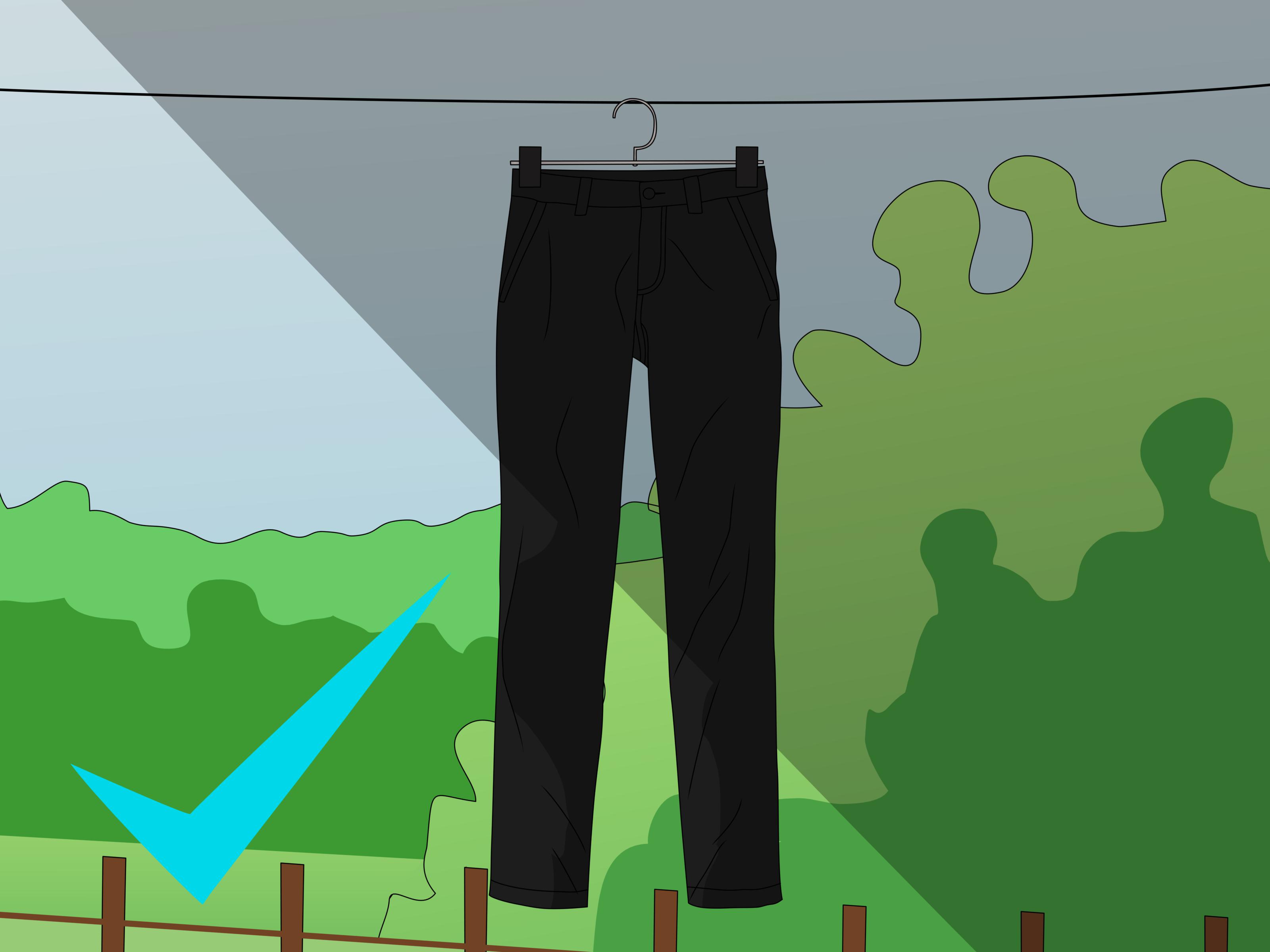
Heat is not your black jeans’ best friend. After washing, reshape the jeans and hang them to dry away from direct sunlight. Direct sun can fade dark fabrics, and high dryer heat can speed up color loss.
If you must use a dryer, choose low heat or air fluff and remove the jeans while slightly damp. But for the richest black color and longer denim life, air drying is the better habit.
Step 7: Use a Black Fabric Dye for True Color Restoration
If your jeans are still faded after cleaning and soaking, it is time to re-dye them. For cotton denim, a standard black fabric dye usually works well. For jeans with a high synthetic content, choose a dye designed for synthetic fabrics. Read the dye package carefully because water temperature, salt, dye quantity, and timing vary by product.
For the darkest result, use enough dye. One common mistake is trying to revive very faded jeans with too little dye. If your goal is deep, inky black, follow the product instructions for dark shades and consider using the recommended full amount for one pair of jeans.
Step 8: Prepare the Jeans Before Dyeing
Prewash the jeans before dyeing, even if they look clean. This removes oils, dirt, softener, and invisible residue that can block dye absorption. Do not use fabric softener. Keep the jeans wet before placing them into the dye bath because wet fabric usually accepts dye more evenly than dry fabric.
Cover your work area with plastic, old towels, or newspaper. Wear rubber gloves. Use stainless steel, plastic, or a container you do not mind staining. Black dye is loyal; once it finds a surface, it may want to live there forever.
Step 9: Make the Dye Bath Properly
Fill a large container, sink, bucket, or washing machine with very hot water if the dye instructions call for it. Add the dye and stir thoroughly. For cotton denim, many dye methods recommend adding salt to help produce a richer color. Always follow the instructions on the dye product you choose.
The jeans need room to move freely. If the container is too small, the dye may settle unevenly and create streaks. Stirring is not optional. It is the difference between “fresh black denim” and “abstract thundercloud pants.”
Step 10: Dye the Jeans Slowly and Evenly
Place the wet jeans into the dye bath and stir constantly for the first 10 minutes. This helps the dye reach seams, pockets, folds, and thicker denim areas. After that, continue stirring regularly for the full dyeing time recommended by the product.
Keep in mind that wet fabric looks darker than dry fabric. If the jeans look perfectly black in the dye bath, they may dry slightly lighter. For a deeper result, allow the jeans to remain in the dye bath for the full recommended time, as long as the care label and dye instructions allow it.
Step 11: Rinse Until the Water Runs Mostly Clear
After dyeing, rinse the jeans in cool water until the water runs mostly clear. This step removes loose dye that would otherwise transfer to your skin, towels, couch, or unsuspecting white socks.
Then wash the jeans separately in cold water with a mild detergent. Do not wash freshly dyed black jeans with other clothing. Even when rinsed well, newly dyed denim may release extra color during the first few washes.
Step 12: Lock In Better Habits After Restoring the Color
Once your black jeans are revived, protect the color with smarter care habits. Wash them less often, spot clean when possible, turn them inside out, use cold water, choose a gentle cycle, skip bleach, avoid fabric softener, and air dry away from sunlight.
A good rule of thumb is to wash denim only when it is actually dirty, stretched out, or smelly. Between washes, hang jeans to air out. You can spot clean small marks with a damp cloth and mild soap. The less punishment your jeans take in the laundry, the longer they stay black.
What Not to Do When Trying to Restore Faded Black Jeans
Do Not Use Chlorine Bleach
Bleach removes color. It does not restore black jeans. Even small amounts can leave orange, brown, or gray patches. If your detergent or stain remover contains bleach, keep it far away from dark denim.
Do Not Rely on Coffee as a Permanent Dye
Coffee may temporarily darken fabric, but it is not a reliable permanent dye for black jeans. It can stain unevenly, smell odd, and wash out quickly. Save the coffee for your morning mood repair.
Do Not Use Too Much Detergent
Excess detergent can leave residue, attract lint, and make black fabric look faded. Use the recommended amount or slightly less for lightly worn jeans.
Do Not Dry Black Jeans in Direct Sunlight
Sunlight naturally fades dark fabrics. Air drying is good; baking your jeans on a sunny balcony is not. Dry them in a shaded, well-ventilated area.
Best Products and Tools for Reviving Black Jeans
You do not need a professional laundry room to bring faded black jeans back to life. A basic setup works well:
- Black fabric dye suitable for cotton denim or synthetic blends
- Distilled white vinegar for residue removal
- Mild detergent or detergent for dark clothes
- Rubber gloves
- Large bucket, stainless steel sink, or washing machine
- Old towels or plastic covering for the work area
- Lint roller or fabric brush
The most important “tool” is patience. Rushing the dye bath, skipping the rinse, or washing too aggressively afterward can undo your hard work faster than you can say, “Why are my hands gray?”
How Often Should You Re-Dye Black Jeans?
Most black jeans should not need frequent dyeing if you care for them properly. Re-dye them when the color looks noticeably gray and ordinary washing no longer improves the appearance. For jeans worn weekly, that may be once or twice a year. For jeans worn constantly, it may be more often.
However, repeated dyeing can slightly affect texture, stitching, labels, and stretch fibers over time. If your jeans are already thin, torn, or stretched beyond recovery, dye may improve the color but will not fix the structure. Dye is powerful, but it is not a personal trainer for exhausted denim.
How to Prevent Black Jeans From Fading Again
Wash Less Often
Every wash removes a little color and creates friction. Unless the jeans are dirty or smelly, wear them several times before washing.
Turn Jeans Inside Out
This protects the outer surface from rubbing against the washer drum and other garments.
Use Cold Water
Cold water helps reduce fading, shrinking, and dye bleeding. It is one of the easiest ways to preserve black denim.
Choose a Gentle Cycle
A gentle cycle uses less agitation, which means less friction and less visible fading.
Wash With Dark Colors Only
Keep black jeans away from towels, fleece, and light clothing. This prevents lint transfer and accidental dye bleeding.
Skip Fabric Softener
Fabric softener can coat fibers and make denim look dull. It may also affect stretch denim over time.
Air Dry in the Shade
Hang jeans indoors or in shade. Avoid high dryer heat and direct sunlight whenever possible.
Common Questions About Restoring Faded Black Jeans
Can faded black jeans really become black again?
Yes, if you re-dye them correctly. Cleaning methods may improve dullness, but actual lost dye must be replaced with fabric dye.
Does vinegar restore black jeans?
Vinegar can help remove residue and may make dark fabric look fresher, but it does not add new black dye to the fibers.
Can I dye black jeans in the washing machine?
Many fabric dyes allow washing-machine dyeing. Follow the dye manufacturer’s instructions and clean the machine afterward to prevent leftover dye from staining future laundry.
Will dye cover white or gray stress marks?
Dye can darken stress marks, but heavily worn areas may still look lighter because damaged fibers absorb dye differently. The result can still be much better than before.
Can I dye stretch black jeans?
Usually, yes, but be careful with high heat. Stretch fibers such as elastane can weaken with excessive heat, so follow both the care label and dye instructions.
Extra Experience: What It Is Actually Like to Revive Faded Black Jeans
Restoring black jeans sounds simple until you are standing over a bucket of dark water, wearing rubber gloves, wondering whether your bathroom is about to become a crime scene from a laundry-themed detective show. The process is not difficult, but it rewards preparation. The first time I revived a pair of faded black jeans, I underestimated three things: how much lint hides on denim, how dark dye water looks, and how quickly one careless splash can decorate a sink.
The jeans started as a favorite pair: comfortable, broken-in, perfect with sneakers, boots, and the occasional “I tried” blazer. After months of hot washes and lazy dryer cycles, they had faded around the knees and thighs. The seams looked pale, the pockets looked dusty, and the overall color had shifted from black to “sidewalk after rain.” I tried a cold wash first, then a vinegar soak. That helped remove the dull cast, but the jeans were still not truly black. That was the moment dye became the only realistic solution.
The biggest lesson was to prewash carefully. Even jeans that look clean can hold body oils, detergent buildup, and softener residue. Dye needs access to the fibers, so skipping the prewash can lead to uneven color. I washed the jeans with a small amount of detergent, skipped softener, and left them damp. Damp jeans entered the dye bath more evenly and did not float around like a stubborn denim raft.
Stirring mattered more than expected. The first 10 minutes felt excessive, but that constant movement helped the dye reach thick seams and folded areas. Whenever the jeans sat too long, darker patches began forming where fabric overlapped. Regular stirring kept the color more consistent. The water looked almost too black, but once the jeans dried, the shade softened into a wearable deep black rather than an artificial costume black.
Rinsing also took longer than expected. The rinse water kept turning gray, then lighter gray, then almost clear. It is tempting to stop early, but patience prevents dye transfer later. After rinsing, I washed the jeans alone in cold water and air dried them indoors. The final result was not identical to brand-new denim, because worn fibers still had texture and character, but the jeans looked dramatically better. They went from “yard work only” back to “yes, I can leave the house in these.”
The aftercare made the biggest long-term difference. I stopped washing them after every wear, turned them inside out, used cold water only, and air dried them away from sun. That routine kept the restored color looking good much longer. The experience proved one thing clearly: reversing color fading in black jeans is not just about dyeing them once. It is about changing the laundry habits that faded them in the first place.
Conclusion
Faded black jeans are not automatically doomed. If the dullness comes from detergent residue, lint, or buildup, a vinegar soak and cold gentle wash may bring back some depth. If the dye itself has faded, black fabric dye is the most effective way to restore the color. The key is to prepare the jeans well, use the right dye for the fabric, stir evenly, rinse thoroughly, and protect the restored color with better washing habits.
Black jeans may be low-maintenance fashion heroes, but they are not invincible. Treat them kindly, keep them out of hot water and harsh dryer heat, and they will reward you with that crisp, dark, goes-with-everything look for much longer. In other words: your jeans can have a comeback era. They just need a little help from you.