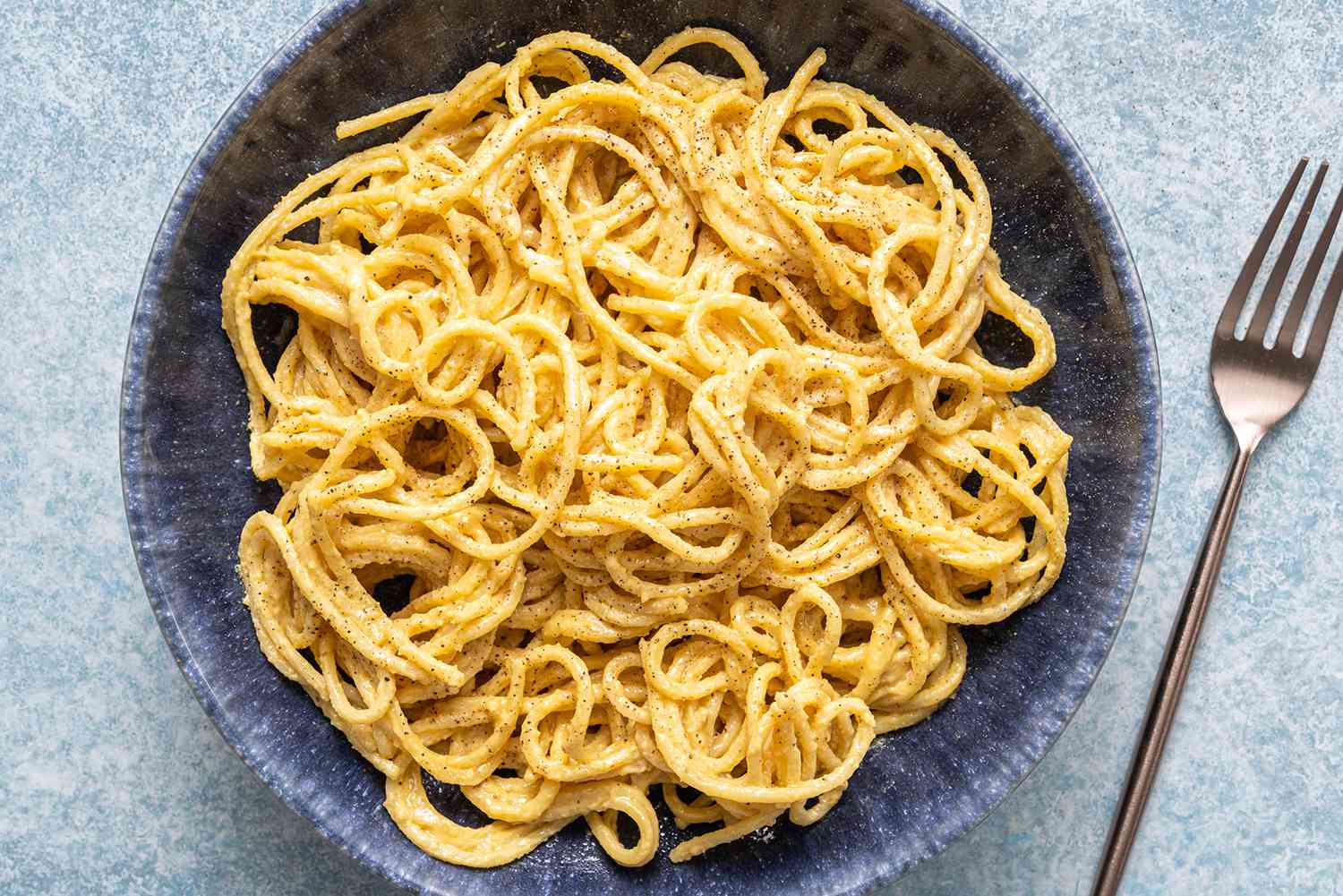
If your dinner plans are hanging by a thread and your refrigerator looks like it’s going through a minimalist phase, vegan nutritional yeast pasta is here to save the evening. It’s creamy without cream, cheesy without cheese, and satisfying without requiring a culinary degree or a dramatic trip to three specialty stores. Better yet, it tastes like comfort food that somehow got its life together.
This dish leans on a few smart pantry ingredients: pasta, garlic, nutritional yeast, lemon, and a creamy base such as cashews or white beans. The result is a silky, savory sauce with the umami depth people usually expect from Parmesan-heavy pasta. Nutritional yeast, often called “nooch,” brings that signature cheesy flavor, while pasta water helps the sauce cling to every noodle like it has a personal grudge against bland dinners.
In this guide, you’ll get a complete vegan nutritional yeast pasta recipe, practical cooking tips, easy substitutions, flavor variations, and real-life kitchen advice for turning this into a weeknight staple instead of a one-time experiment. Because nobody wants a sauce that tastes like wet cardboard with ambition.
Why Vegan Nutritional Yeast Pasta Works So Well
The beauty of this recipe is that it delivers the richness people crave from Alfredo-style or mac-and-cheese-style pasta, but with plant-based ingredients that are surprisingly flexible. Nutritional yeast is a deactivated yeast with a nutty, savory, cheese-adjacent flavor. It is popular in vegan cooking because it adds depth and body without dairy, and many fortified versions also contain vitamin B12. That last part matters for people following a vegan diet, since not every plant food naturally provides B12, and not every nutritional yeast brand is fortified, so labels still matter.
Texture is the second reason this recipe works. Cashews blend into a luxurious sauce, white beans create a lighter but still creamy finish, and starchy pasta water helps emulsify everything so the sauce feels glossy instead of gluey. Add garlic, lemon juice, black pepper, and a little olive oil, and you get a pasta that tastes thoughtful even if you cooked it while answering emails and mentally planning tomorrow.
Key Benefits of This Recipe
- Completely dairy-free and vegan
- Rich, cheesy flavor without actual cheese
- Easy to customize with vegetables or protein
- Simple enough for weeknights, good enough for guests
- Budget-friendly pantry ingredients
What Is Nutritional Yeast, Exactly?
Nutritional yeast is not the same as baker’s yeast, and it won’t make your dough rise or your kitchen suddenly feel like a bakery commercial. It is grown, harvested, deactivated, and sold as flakes or powder. In cooking, it adds umami, a lightly nutty taste, and a distinctly savory finish that works beautifully in sauces, dressings, soups, popcorn, and of course pasta.
Many people love it because it gives plant-based recipes a “cheesy” personality without being heavy. Some fortified brands also provide B vitamins, especially vitamin B12, which is a nutrient many vegans need to pay attention to. Still, the word “fortified” is doing a lot of work there, so check the package instead of assuming every yellow flake is secretly a nutrition superhero.
Best Pasta Shapes for This Recipe
You can make this vegan nutritional yeast pasta recipe with almost any pasta shape, but some work better than others if you want maximum sauce coverage and minimal disappointment.
Top Choices
- Fettuccine: great for creamy sauces and a classic Alfredo vibe
- Penne: easy to toss and excellent for trapping sauce inside the tubes
- Shells: ideal if you want little pockets of creamy goodness
- Rotini: spirals hold onto thick sauces beautifully
- Spaghetti: simple, classic, and reliably comforting
If you want more protein or fiber, use chickpea pasta, lentil pasta, or whole-wheat pasta. If you want pure cozy energy, use the pasta already in your pantry and call it destiny.
Vegan Nutritional Yeast Pasta Recipe
Ingredients
- 12 ounces pasta of choice
- 1 cup raw cashews, soaked in hot water for 10 to 15 minutes, then drained
- 3/4 cup unsweetened plant milk
- 1/3 cup nutritional yeast
- 3 cloves garlic
- 2 tablespoons olive oil
- 1 tablespoon lemon juice
- 1 teaspoon lemon zest
- 1 tablespoon white or yellow miso
- 1/2 teaspoon onion powder
- 1/4 teaspoon smoked paprika
- 1/4 teaspoon black pepper, plus more to taste
- 3/4 teaspoon kosher salt, plus more for pasta water
- 1/2 to 1 cup reserved pasta water
- Optional: spinach, peas, mushrooms, broccoli, chili flakes, parsley
Instructions
- Cook the pasta. Bring a large pot of salted water to a boil. Cook the pasta until just al dente according to package directions. Before draining, reserve at least 1 cup of pasta water. That cloudy liquid is not trash. It is sauce insurance.
- Make the sauce. In a blender, combine the drained cashews, plant milk, nutritional yeast, garlic, olive oil, lemon juice, lemon zest, miso, onion powder, smoked paprika, black pepper, and salt. Blend until completely smooth.
- Warm it gently. Pour the sauce into a large skillet or saucepan over low to medium-low heat. Add 1/2 cup reserved pasta water and stir until warm and silky. If the sauce feels too thick, add more pasta water a splash at a time.
- Toss with pasta. Add the cooked pasta directly to the skillet and toss until every piece is coated. Let it simmer for 1 to 2 minutes so the sauce clings properly.
- Add extras. Fold in spinach, peas, sautéed mushrooms, or steamed broccoli if using. Taste and adjust with more salt, pepper, lemon juice, or nutritional yeast.
- Serve. Top with parsley, extra black pepper, chili flakes, or another light dusting of nutritional yeast. Serve immediately while it’s glossy and irresistible.
How to Make the Sauce Taste Better, Not Just “Vegan”
Let’s be honest: some vegan pasta recipes are technically edible but emotionally confusing. The difference between a great sauce and a forgettable one usually comes down to balance. Nutritional yeast brings the savory, cheese-like note, but it needs help from acid, salt, fat, and aromatics.
Flavor Boosters That Actually Matter
- Miso: adds savory complexity and a more cheese-like depth
- Lemon juice: brightens the sauce so it doesn’t feel flat
- Garlic: builds the aromatic base
- Black pepper: sharpens the flavor and keeps it lively
- Pasta water: helps bind and smooth the sauce
- Olive oil: rounds out the mouthfeel
If your sauce tastes dull, it usually doesn’t need more mystery. It needs one of those elements. Add a squeeze of lemon, a pinch of salt, or a spoonful more nutritional yeast before you start questioning your life choices.
Easy Variations for Different Moods
1. White Bean Version
Swap the cashews for 1 can of drained cannellini beans. The sauce becomes lighter, less rich, and more budget-friendly while still tasting creamy and satisfying.
2. Mushroom Lover’s Version
Sauté sliced mushrooms until deeply browned, then toss them into the pasta. Mushrooms add serious umami and make the whole dish taste more restaurant-worthy.
3. Broccoli and Pea Pasta
Add steamed broccoli florets and green peas for a bright, family-friendly version that feels a little more virtuous without becoming sad.
4. Spicy Nooch Pasta
Add red pepper flakes, extra black pepper, and a small spoonful of chili crisp if you want heat. The creamy base handles spice beautifully.
5. High-Protein Upgrade
Use chickpea pasta and add white beans, tofu cubes, or sautéed tempeh. This turns the meal into something especially filling for busy weeknights.
Common Mistakes to Avoid
Overheating the Sauce
Keep the heat gentle. A creamy vegan sauce can thicken fast, and once it turns stodgy, you’re suddenly making paste instead of pasta.
Skipping the Pasta Water
This is the easiest mistake and also the most annoying. Starchy pasta water helps emulsify the sauce, loosen thick spots, and coat the noodles more evenly.
Using Too Little Salt
Pasta water should be properly salted, and the finished dish often needs one final seasoning check. Creamy sauces can taste muted if salt is shy.
Assuming All Nutritional Yeast Tastes the Same
Brands vary. Some are bolder, some milder, and some are fortified while others are not. If your first attempt tastes underwhelming, the issue may be the brand, not the whole concept.
Serving Ideas
This vegan nutritional yeast pasta recipe is satisfying on its own, but it also plays nicely with sides and toppings. Try it with a crisp green salad, roasted asparagus, garlic bread made with vegan butter, or blistered cherry tomatoes for contrast. For a dinner-party version, finish the pasta with sautéed mushrooms, fresh basil, and lemon zest. Suddenly it looks like you planned ahead, which is always flattering.
Storage and Reheating Tips
Store leftovers in an airtight container in the refrigerator for up to 3 days. The sauce will thicken as it sits, which is normal. Reheat gently on the stove or in the microwave with a splash of plant milk or water to loosen it up. A little extra lemon juice at the end can wake the flavors back up.
This is not the kind of pasta that usually improves after a long, dramatic fridge stay, so it’s best within the first couple of days. Still delicious, just less glamorous.
Is Vegan Nutritional Yeast Pasta Healthy?
“Healthy” depends on the full meal and your overall diet, but this recipe has plenty going for it. Nutritional yeast can contribute protein and B vitamins, especially when fortified. Cashews add richness and some healthy fats, while whole-wheat or legume-based pasta can boost fiber and protein. You can also increase the nutrient value by folding in vegetables such as spinach, peas, kale, or broccoli.
That said, creamy pasta is still creamy pasta, even when it went to a yoga retreat. The smart move is balance: use quality ingredients, add vegetables, and pay attention to the label on your nutritional yeast if you’re counting on it for vitamin B12.
Kitchen Experiences With Vegan Nutritional Yeast Pasta Recipe
The first time many people make vegan nutritional yeast pasta, there’s usually a tiny moment of skepticism. You blend pale ingredients into a beige sauce, stare into the blender, and think, “Well, this could either be dinner or a science fair project.” Then it hits the pasta, the garlic blooms, the lemon wakes everything up, and suddenly the whole kitchen smells like a very competent version of comfort food. That moment is part of the charm. This recipe tends to convert people not because it pretends to be exactly like dairy pasta, but because it is delicious in its own right.
One of the most common experiences with this dish is surprise at how quickly it becomes part of a weekly routine. It starts as the meal you make because you happen to have nutritional yeast in the pantry, and then it becomes the meal you intentionally keep ingredients around for. Cashews, pasta, garlic, and nooch are all pantry-friendly, which means this recipe works brilliantly on nights when energy is low but your standards are still annoyingly high.
Another real-world lesson is that texture matters more than most people expect. If the sauce is blended until completely smooth and loosened with enough pasta water, the result is silky and polished. If it is under-blended or too thick, it can feel heavy. That’s why experienced home cooks often treat pasta water like a finishing ingredient instead of an afterthought. A splash can take the sauce from “nice try” to “actually excellent.”
There is also the social side of serving this pasta. It works well for mixed households where not everyone eats the same way. A vegan eater gets a comforting main dish, while everyone else usually just sees a bowl of creamy pasta and happily digs in. It is one of those rare meals that can sit at the intersection of practical, affordable, and crowd-pleasing without waving a big dietary flag.
People also learn quickly that nutritional yeast is not only about flavor. It brings personality to the dish. It gives the sauce that savory backbone that makes it feel complete. But the best cooks don’t stop there. They add mushrooms for extra umami, kale for texture, peas for sweetness, or chili flakes for heat. Over time, the recipe becomes less of a strict formula and more of a flexible template.
And perhaps that is the most useful experience of all: vegan nutritional yeast pasta teaches confidence. Once you understand how acid, salt, fat, and starch work together, you stop relying so heavily on exact measurements. You taste as you go. You loosen the sauce when it tightens. You brighten it when it feels flat. You add more pepper when it seems sleepy. That kind of cooking confidence spills over into other meals too.
So yes, this recipe absolutely delivers dinner. But beyond that, it often becomes the gateway to better weeknight cooking: more flexible, more intuitive, and much more satisfying than another bowl of plain noodles quietly regretting its own existence.
Conclusion
A great vegan nutritional yeast pasta recipe is more than a dairy-free substitute. It is a genuinely satisfying dinner that uses smart ingredients and solid technique to create creamy texture, bold flavor, and weeknight convenience. With nutritional yeast for cheesy depth, cashews or beans for body, and pasta water for that glossy finish, you get a meal that feels comforting, adaptable, and surprisingly polished.
Make it simple, make it spicy, load it with vegetables, or give it a protein boost. However you spin it, this is one of those reliable plant-based recipes that earns a permanent place in the dinner rotation.