Popcorn lung sounds like something that happens after a heroic movie-night snack session, but unfortunately, it has nothing to do with eating too much buttered popcorn. The medical name is bronchiolitis obliterans, a rare but serious lung disease that damages the smallest airways in the lungs, called bronchioles. When these tiny air passages become inflamed and scarred, air cannot move as freely. The result can be a stubborn dry cough, wheezing, shortness of breath, fatigue, and a frustrating feeling that your lungs have decided to work part-time.
The nickname “popcorn lung” became widely known after workers in microwave popcorn factories developed severe lung disease linked to inhaling diacetyl, a chemical once commonly used to create buttery flavor. Today, the condition is also discussed in connection with other chemical exposures, severe respiratory infections, transplant complications, autoimmune disease, and concerns about vaping products.
This guide explains what popcorn lung is, what causes it, how symptoms appear, how doctors diagnose it, and what treatment can and cannot do. The goal is simple: make a complicated lung condition easier to understand without turning the article into a medical textbook wearing a lab coat.
What Is Popcorn Lung?
Popcorn lung is a chronic lung condition that affects the bronchioles, the tiny branching tubes that carry air deep into the lungs. These small airways lead toward the alveoli, where oxygen passes into the bloodstream. When bronchioles become irritated, inflamed, and scarred, they narrow. In more advanced cases, some airways can become partially or almost completely blocked.
Unlike a temporary cough from a cold, bronchiolitis obliterans is usually long-lasting and often irreversible. The scarring does not simply disappear after a few days of rest, tea, and hopeful thinking. Treatment may help reduce symptoms, slow progression, and improve quality of life, but it usually cannot restore damaged small airways to their original condition.
Why Is It Called Popcorn Lung?
The name comes from workplace investigations involving microwave popcorn manufacturing. Some workers who inhaled butter-flavoring vapors developed serious fixed airway obstruction. The chemical most famously associated with those cases was diacetyl. Diacetyl can be safe to eat in small food-related amounts, but inhaling it is a different story. The lungs are not a snack tray; they are delicate breathing equipment.
Diacetyl is not the only possible cause. A related flavoring chemical called 2,3-pentanedione, also known as acetyl propionyl, has raised similar respiratory concerns. Other toxic fumes, infections, and immune-related problems can also injure the small airways.
Popcorn Lung Causes
Popcorn lung develops when the small airways are injured and heal with scarring. That injury may come from repeated chemical exposure, severe infection, immune system activity, or complications after transplantation. The cause matters because treatment often begins with removing or controlling the trigger.
1. Diacetyl and Flavoring Chemical Exposure
Diacetyl is one of the best-known causes of popcorn lung. It has been used to create buttery, creamy, or sweet flavors in some food manufacturing settings. Workers exposed to high levels of airborne diacetyl, especially in poorly controlled environments, have developed serious lung disease.
The risk is not from eating popcorn. The concern is inhaling concentrated vapors or dusts that contain harmful flavoring chemicals. This is why occupational safety controls matter so much in food production, flavor manufacturing, coffee roasting, candy production, and other industries where flavoring compounds may become airborne.
2. Vaping and E-Cigarette Aerosols
Vaping is often discussed in relation to popcorn lung because some flavored e-cigarette liquids have contained diacetyl or similar compounds. Research has found harmful flavoring chemicals in certain vaping products, especially older or poorly regulated flavored liquids. Although the relationship between vaping and confirmed popcorn lung cases remains more complicated than some headlines suggest, lung experts agree that inhaling heated chemicals is not harmless.
E-cigarette aerosols may contain nicotine, ultrafine particles, volatile organic compounds, heavy metals, and flavoring chemicals. For people who already have asthma, COPD, chronic cough, or a history of lung injury, vaping can be especially risky. The safest choice for lung health is not to vape, and anyone using vaping products to quit smoking should talk with a healthcare professional about proven cessation options.
3. Other Toxic Fumes and Workplace Exposures
Popcorn lung has also been linked to inhalation of other harmful gases and fumes, including nitrogen oxides, sulfur dioxide, ammonia, chlorine, welding fumes, and smoke from fires. Some exposures happen at work. Others may occur during accidents, industrial spills, or intense smoke inhalation events.
Jobs that involve chemical processing, manufacturing, food flavoring, cleaning agents, firefighting, metalwork, or poorly ventilated industrial spaces may require special respiratory protection. A basic paper mask is not magic armor. Proper ventilation, exposure monitoring, engineering controls, and approved respirators are far more important.
4. Severe Respiratory Infections
Some people, especially children, can develop post-infectious bronchiolitis obliterans after a severe respiratory infection. Viruses such as adenovirus, respiratory syncytial virus, influenza, and severe pneumonia have been associated with lasting small-airway damage in some cases.
Most respiratory infections do not lead to popcorn lung. A routine cold is not a reason to panic. The concern rises when breathing symptoms persist for weeks or months after a serious infection, especially if coughing, wheezing, and shortness of breath do not improve as expected.
5. Lung or Bone Marrow Transplant Complications
Bronchiolitis obliterans syndrome can occur after lung transplantation and sometimes after hematopoietic stem cell or bone marrow transplantation. In transplant patients, the condition may be related to chronic rejection or graft-versus-host disease. Because these patients are already under close medical care, changes in lung function are often monitored with pulmonary function testing.
6. Autoimmune and Inflammatory Conditions
Autoimmune diseases such as rheumatoid arthritis can sometimes affect the lungs, including the small airways. In these cases, popcorn lung is part of a broader immune-related process. Treatment may involve both a pulmonologist and a rheumatologist to manage inflammation and protect lung function.
Popcorn Lung Symptoms
The symptoms of popcorn lung can be sneaky. They may start gradually and look a lot like asthma, bronchitis, COPD, or a stubborn respiratory infection. That similarity is one reason diagnosis can take time.
Common Symptoms
- Persistent dry cough: A cough that lingers and does not produce much mucus.
- Shortness of breath: Often noticed first during exercise, climbing stairs, or carrying groceries.
- Wheezing: A whistling sound when breathing, especially during exhalation.
- Fatigue: The body works harder to breathe, which can drain energy.
- Chest tightness: Some people describe pressure or difficulty getting a deep breath.
- Reduced exercise tolerance: Activities that used to feel easy may suddenly feel like a mountain hike.
Symptoms may appear weeks to months after exposure or illness. In some cases, they progress slowly. In others, especially after a major inhalation injury or transplant complication, lung function can decline more noticeably.
How Popcorn Lung Feels in Daily Life
Many people first notice that ordinary tasks become harder. Walking across a parking lot, going upstairs, vacuuming, or talking while moving may trigger breathlessness. A person may say, “I’m out of shape,” when the real issue is that the small airways are not moving air normally.
The cough is often dry and nagging. It may worsen with exertion, cold air, strong odors, smoke, or chemical fumes. Unlike a typical cold, it does not conveniently pack its bags after a week.
When to See a Doctor
Anyone with a persistent cough, unexplained wheezing, or shortness of breath that lasts more than a few weeks should seek medical evaluation. This is especially important if symptoms began after chemical exposure, vaping, a severe respiratory infection, or transplantation.
Seek urgent medical care for severe trouble breathing, bluish lips or fingers, chest pain, confusion, fainting, or shortness of breath at rest. Breathing problems are not the moment to “wait and see” while scrolling symptom forums at 2 a.m.
How Doctors Diagnose Popcorn Lung
Diagnosing popcorn lung requires careful detective work. Doctors typically start with a detailed medical history, including workplace exposures, vaping history, recent infections, transplant history, autoimmune disease, and medication use.
Pulmonary Function Tests
Pulmonary function tests measure how well air moves in and out of the lungs. In bronchiolitis obliterans, spirometry often shows fixed airflow obstruction. “Fixed” means the obstruction may not improve much after using a bronchodilator, which helps distinguish it from asthma.
High-Resolution CT Scan
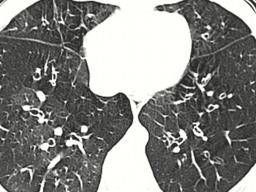
A high-resolution CT scan can reveal signs of small-airway disease, including air trapping, mosaic attenuation, and bronchial wall changes. A standard chest X-ray may look normal, especially early in the disease, so a CT scan can be more useful when symptoms and lung function tests raise concern.
Bronchoscopy or Lung Biopsy
In some cases, doctors may use bronchoscopy to rule out other conditions. A lung biopsy may help confirm the diagnosis, but it is not always required when symptoms, exposure history, imaging, and lung function tests strongly support bronchiolitis obliterans.
Ruling Out Similar Conditions
Popcorn lung can resemble asthma, COPD, chronic bronchitis, hypersensitivity pneumonitis, interstitial lung disease, and post-viral airway problems. Accurate diagnosis matters because treatment plans differ. An inhaler that works well for asthma may provide only limited relief if the underlying problem is scarred bronchioles.
Popcorn Lung Treatment
There is currently no cure that reverses popcorn lung scarring. Treatment focuses on stopping further injury, reducing inflammation when possible, relieving symptoms, preventing complications, and helping the person breathe as well as possible.
1. Stop the Exposure
The first step is removing the trigger. For chemical-related popcorn lung, that may mean changing workplace processes, improving ventilation, using proper respiratory protection, or leaving a high-risk exposure environment. For vaping-related concern, stopping vaping is essential.
If the lungs are already irritated, continuing exposure is like trying to fix a roof during a hailstorm while someone keeps throwing rocks at it. Remove the rocks first.
2. Medications
Doctors may prescribe medications depending on the cause and severity. Corticosteroids such as prednisone may be used to reduce inflammation. Bronchodilators may help some people breathe more comfortably by relaxing muscles around the airways. In transplant-related cases, immunosuppressive medications may be adjusted. Some patients may receive macrolide antibiotics such as azithromycin for anti-inflammatory effects in specific clinical situations.
Medication decisions should be individualized. Popcorn lung is not a “one pill fits all” condition. Treatment for a food-factory worker with chemical exposure may differ from treatment for a lung transplant recipient or a child with post-infectious disease.
3. Oxygen Therapy
If blood oxygen levels are low, supplemental oxygen may be recommended. Oxygen therapy does not cure the airway scarring, but it can reduce strain on the body and make daily activities safer and more manageable.
4. Pulmonary Rehabilitation
Pulmonary rehabilitation combines supervised exercise, breathing strategies, education, and energy-conservation techniques. It can help people build stamina, reduce breathlessness, and feel more confident managing symptoms.
Pulmonary rehab is not a boot camp where lungs are yelled into behaving. It is a structured program designed to help people work with their current lung capacity and improve function safely.
5. Vaccination and Infection Prevention
People with chronic lung disease are more vulnerable to respiratory infections. Healthcare providers may recommend staying current on flu, COVID-19, pneumococcal, and other appropriate vaccines. Good hand hygiene, avoiding smoke, and seeking early care for respiratory infections can help reduce complications.
6. Lung Transplant in Severe Cases
In advanced cases where lung function becomes severely limited despite treatment, lung transplantation may be considered. This is reserved for serious disease and requires evaluation by a specialized transplant team.
Can Popcorn Lung Be Prevented?
Prevention is especially important because established scarring is difficult to reverse. The best strategy is to protect the lungs before damage occurs.
- Avoid vaping and e-cigarette aerosols, especially flavored products.
- Do not smoke, and avoid secondhand smoke whenever possible.
- Use proper workplace ventilation and respiratory protection around chemical fumes.
- Follow occupational safety guidance for diacetyl, 2,3-pentanedione, and other inhaled hazards.
- Report workplace breathing symptoms early instead of “toughing it out.”
- Manage autoimmune diseases and transplant follow-up care closely.
- Seek medical attention if breathing problems persist after a severe infection.
Popcorn Lung vs. Asthma, COPD, and EVALI
Popcorn lung can be confused with other lung conditions. Asthma usually involves reversible airway narrowing and often improves significantly with bronchodilators. COPD is commonly linked to long-term smoking or other chronic irritant exposure and affects larger patterns of lung function. EVALI, or e-cigarette or vaping product use-associated lung injury, is a separate vaping-related lung condition that became widely recognized during the 2019 outbreak, often involving acute symptoms such as chest pain, shortness of breath, fever, and gastrointestinal symptoms.
These conditions can overlap in symptoms, which is why self-diagnosis is risky. A cough plus internet access does not equal a pulmonology degree, even if the search results are very dramatic.
Living With Popcorn Lung
Living with popcorn lung often means learning how to manage energy, avoid triggers, and communicate clearly with healthcare providers. Patients may need regular lung function testing, medication adjustments, oxygen monitoring, or pulmonary rehabilitation.
Daily habits matter. Avoiding smoke, strong fumes, dusty environments, and respiratory infections can help reduce symptom flare-ups. Gentle activity, when approved by a doctor, can support conditioning. Nutrition, hydration, sleep, and stress management also play supporting roles. They will not erase airway scarring, but they can help the body cope better.
Experiences Related to Popcorn Lung: What People Often Notice
Because popcorn lung is rare, many people do not recognize the early signs. A common experience is dismissing symptoms as allergies, a lingering cold, or being “out of shape.” Someone may notice that climbing stairs suddenly feels harder, yet they explain it away. They may blame pollen, weather, stress, or that one heroic attempt to restart cardio after three quiet years of pretending the treadmill was decorative furniture.
In workplace-related cases, symptoms may appear gradually among people exposed to airborne flavoring chemicals or irritating fumes. A worker might develop a dry cough that does not improve over weekends. Another may feel breathless while doing tasks they previously handled with ease. The key clue is persistence. When several employees in the same environment develop similar breathing issues, that pattern deserves attention from occupational health professionals.
For people who vape, the experience may be confusing because symptoms can develop in a world full of mixed messages. Some users switch from cigarettes to vaping believing it is harmless. Then they begin coughing more, wheezing during exercise, or feeling tightness in the chest. Not every vaping-related breathing problem is popcorn lung, but any ongoing respiratory symptom should be taken seriously. The lungs are not being dramatic; they are sending a memo.
Parents of children with post-infectious bronchiolitis obliterans often describe a different journey. A child may recover from a severe infection but never quite return to baseline. The fever goes away, the acute illness improves, but coughing, wheezing, and exercise limitation remain. The child may struggle during play, tire faster than siblings, or need repeated medical visits. For families, the hardest part can be the uncertainty: Is this asthma? Is it another infection? Why is recovery taking so long? A pediatric pulmonologist can help sort through these questions.
Transplant patients may experience popcorn lung through changes in pulmonary function tests before they feel major symptoms. This is why routine monitoring is so valuable. A small decline on testing can lead to earlier evaluation and treatment changes. In these cases, the experience is often less about a sudden cough and more about careful long-term surveillance.
Emotionally, popcorn lung can be frustrating. Breathlessness can make people anxious, and anxiety can make breathing feel even harder. Patients may feel embarrassed using oxygen or slowing down during activities. Support from healthcare teams, family, pulmonary rehab staff, and patient communities can make a real difference. The goal is not to pretend the condition is easy. The goal is to build a practical plan that protects lung function, reduces symptoms, and helps the person keep living as fully as possible.
Conclusion
Popcorn lung, or bronchiolitis obliterans, is a rare but serious disease of the small airways. It can be caused by inhaling harmful chemicals such as diacetyl, exposure to toxic fumes, severe respiratory infections, transplant complications, and certain autoimmune conditions. The main symptoms include persistent dry cough, wheezing, shortness of breath, fatigue, and reduced exercise tolerance.
Although popcorn lung usually cannot be cured, early diagnosis and proper management can help slow progression and improve daily life. The most important steps are identifying the cause, stopping harmful exposure, working with a lung specialist, following the treatment plan, and protecting the lungs from further irritation.
The big takeaway is simple: breathing symptoms that persist should not be ignored. Whether the trigger is workplace exposure, vaping, infection, or another medical issue, your lungs deserve attention before a small problem becomes a life-changing one. Popcorn belongs in a bowl, not in a lung diagnosis.
Note: This article is for educational purposes only and does not replace professional medical advice. Anyone with ongoing cough, wheezing, chest tightness, or shortness of breath should consult a licensed healthcare provider.