Note: This article is for general education only and should not replace medical advice from a licensed clinician. If you have chest pain, severe shortness of breath, fainting, or symptoms that feel urgent, seek medical care promptly.
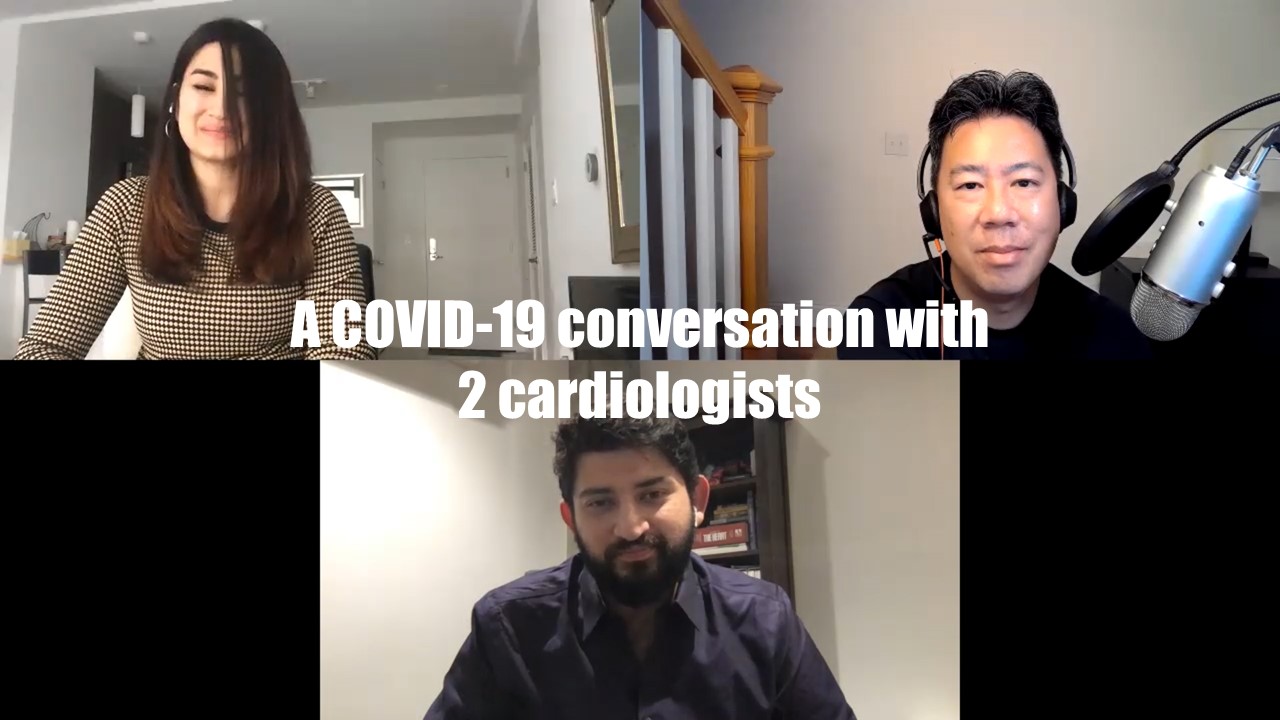
Imagine sitting at a small round table with two cardiologists, two cups of coffee, and one big topic that has refused to leave the group chat: COVID-19 and the heart. One doctor is the practical, checklist-loving clinician who wants to know exactly what your symptoms are, when they started, and whether your smartwatch is being dramatic. The other is the researcher type, fascinated by inflammation, blood vessels, immune responses, and all the tiny biological dominoes that can fall after an infection.
Together, they would probably agree on one thing right away: COVID-19 is not “just a lung infection.” For many people, it comes and goes like an unpleasant guest who ate all the snacks and left. But for others, especially people with existing cardiovascular disease, high blood pressure, diabetes, obesity, older age, or immune-related risks, COVID-19 can place serious stress on the heart and blood vessels. And in the long-COVID era, the conversation has become more nuanced than ever.
This article turns that imaginary conversation into a clear, useful guide. We will discuss what two cardiologists might say about COVID-19, heart inflammation, arrhythmias, blood clots, long COVID, vaccination, recovery, warning signs, and the everyday habits that help protect cardiovascular health. No medical jargon parade. No panic confetti. Just smart, human, practical informationwith a little humor because the heart works hard enough already.
Why Cardiologists Care So Much About COVID-19
Cardiologists care about COVID-19 because the heart is not an isolated machine hiding in the chest like a VIP in a private lounge. It is connected to the lungs, blood vessels, immune system, kidneys, nervous system, and metabolism. When an infection causes fever, inflammation, dehydration, oxygen problems, or clotting changes, the heart may have to pump harder under less-than-ideal conditions.
One cardiologist might explain it like this: “Your heart is used to working overtime during stress, but COVID-19 can stack multiple stressors at once.” Fever can raise heart rate. Low oxygen can strain the heart muscle. Inflammation can irritate blood vessels. Severe illness may increase clotting risk. For someone with coronary artery disease or heart failure, that combination can turn a manageable infection into a serious cardiovascular event.
The second cardiologist might add that even people without known heart disease can experience symptoms after COVID-19 that feel cardiac: racing heartbeat, skipped beats, chest tightness, fatigue, dizziness, or shortness of breath. The key is not to assume every flutter is dangerousbut also not to dismiss persistent or severe symptoms as “just anxiety” or “just getting older.” The heart appreciates being listened to. It has been keeping time since before you had opinions about coffee.
Cardiologist #1: “Risk Is Personal, Not Random”
The first cardiologist would likely begin with risk. COVID-19 affects people differently, and cardiovascular risk depends on a mix of age, medical history, vaccination status, infection severity, and baseline health.
People with heart disease need extra caution
People with heart failure, coronary artery disease, cardiomyopathy, congenital heart disease, prior stroke, uncontrolled high blood pressure, or multiple metabolic risk factors may have a higher chance of severe COVID-19 outcomes. That does not mean every infection will become an emergency. It means prevention, early treatment conversations, and careful monitoring matter more.
A cardiologist might say, “If you already have heart disease, do not wait until symptoms are starring in their own disaster movie.” If COVID-19 symptoms appear, it is smart to contact a healthcare professional early, especially if you are older or have complex conditions. Depending on your risk profile, a clinician may discuss testing, monitoring, antiviral treatment eligibility, hydration, medication management, and when to seek urgent care.
Warning signs deserve attention
Most mild COVID-19 symptoms can be managed with rest, fluids, and medical guidance. But certain symptoms should raise the volume on your internal alarm bell. Chest pain, pressure, fainting, blue lips, severe trouble breathing, confusion, new weakness, or a racing heart that does not settle should be treated seriously.
Cardiologists are not fans of “let’s see what happens” when the symptom feels intense, sudden, or unusual. The heart is not a mystery novel; you do not need to wait for chapter twelve to find out what is going on.
Cardiologist #2: “Inflammation Is the Plot Twist”
The second cardiologist would focus on inflammation. COVID-19 can trigger immune responses that affect blood vessels and, in some cases, the heart muscle or the lining around the heart. Two terms often appear in this conversation: myocarditis and pericarditis.
What is myocarditis?
Myocarditis means inflammation of the heart muscle. It can happen after viral infections, including COVID-19, though serious myocarditis is not the most common outcome. Symptoms can include chest pain, shortness of breath, fatigue, rapid heartbeat, irregular heartbeat, or reduced exercise tolerance.
Because myocarditis can affect the heart’s ability to pump normally, doctors may use tests such as an electrocardiogram, blood tests, echocardiogram, cardiac MRI, or rhythm monitoring depending on the case. Treatment varies based on severity, but rest and avoiding intense exercise are often part of recovery when myocarditis is suspected or confirmed.
What is pericarditis?
Pericarditis is inflammation of the thin sac around the heart. It may cause sharp chest pain that changes with breathing or body position. It can be uncomfortable, alarming, and very much not invited. Medical evaluation helps distinguish it from other causes of chest pain, including heart attack, lung problems, reflux, muscle strain, or anxiety-related symptoms.
The key point from both cardiologists: chest pain after COVID-19 should not be automatically blamed on the virus, stress, or “probably nothing.” It should be interpreted in context and, when concerning, evaluated properly.
Blood Clots, Heart Attacks, and Strokes: The Vascular Side of COVID-19
COVID-19 can affect the vascular systemthe network of blood vessels that keeps circulation moving. During acute illness, inflammation and changes in clotting may increase the risk of complications such as blood clots, heart attack, or stroke, especially in people with existing risk factors.
A cardiologist might describe blood vessels as “the highways of the body.” COVID-19 can create road construction, traffic jams, and the occasional reckless driver. In medical terms, inflammation can irritate vessel walls, existing plaque can become unstable, and clotting pathways can become more active.
This does not mean everyone who gets COVID-19 needs a battery of heart tests afterward. It means symptoms and risk matter. A young healthy person who has a mild infection and recovers fully is different from an older adult with coronary artery disease who develops chest pressure, shortness of breath, or swelling after infection.
Arrhythmias and Palpitations: When the Heart Starts Tap Dancing
Many people describe palpitations after COVID-19: a racing heart, pounding sensation, skipped beats, or fluttering. Sometimes these feelings come from dehydration, fever, poor sleep, caffeine, stress, or deconditioning. Other times, they may reflect an arrhythmia, autonomic dysfunction, thyroid changes, anemia, medication effects, or inflammation.
One cardiologist might ask: “Does it happen at rest or with activity? Does it come with dizziness or fainting? How long does it last? What does your pulse actually read?” Those questions matter because not all palpitations carry the same risk.
For persistent symptoms, doctors may consider an ECG, Holter monitor, event monitor, blood tests, or an echocardiogram. The goal is not to turn every heartbeat into a courtroom investigation. The goal is to separate harmless rhythm awareness from patterns that deserve treatment.
Long COVID and the Heart: The Conversation Gets Complicated
Long COVID is generally described as a chronic condition that occurs after SARS-CoV-2 infection and lasts at least three months. It can involve fatigue, brain fog, shortness of breath, chest pain, palpitations, dizziness, exercise intolerance, sleep problems, digestive symptoms, and many other patterns. This is where cardiology, neurology, primary care, rehabilitation, pulmonology, and sometimes psychology all end up in the same medical group chat.
Common heart-related long-COVID symptoms
Heart-related symptoms in long COVID may include chest discomfort, shortness of breath, fast heartbeat, palpitations, lightheadedness, and feeling wiped out after activity. Some people also develop symptoms consistent with dysautonomia, where the nervous system has trouble regulating heart rate and blood pressure. Postural orthostatic tachycardia syndrome, often called POTS, is one example that has been reported after COVID-19.
The tricky part is that symptoms can be real and disruptive even when standard tests look normal. That does not mean “nothing is wrong.” It may mean the problem is functional, autonomic, inflammatory, metabolic, or still not fully understood. Medicine has learned a lot about long COVID, but it has not solved every clue. The detective board still has strings on it.
Exercise: helpful, but not always simple
Before COVID-19, the classic advice for recovery was often “start exercising gradually.” For some people recovering from COVID-19, that still works beautifully. For others, especially those with post-exertional malaise, pushing too hard can worsen symptoms. Cardiologists now tend to be more careful and individualized.
A practical approach may include pacing, hydration, sleep support, symptom tracking, gentle movement, and medical evaluation before vigorous training if chest pain, fainting, significant palpitations, or severe breathlessness are present. In short: do not go from couch to marathon because an inspirational poster winked at you.
COVID-19 Vaccination and the Heart: Balanced, Not Hysterical
A responsible conversation with cardiologists should include vaccination without turning the topic into a shouting contest. Myocarditis and pericarditis have rarely been reported after mRNA COVID-19 vaccination, with higher observed risk in adolescent and young adult males. Health agencies have updated warnings and safety information to reflect this risk.
At the same time, COVID-19 infection itself can affect the heart and may lead to cardiovascular complications, especially in higher-risk groups. Cardiologists usually approach the issue by weighing risks and benefits for the individual: age, sex, medical history, prior vaccine reaction, infection risk, community transmission, and current public health recommendations.
The best advice is not “ignore concerns” or “panic dramatically.” The best advice is: talk with a healthcare professional who knows your history. That is especially important for people with prior myocarditis, complex heart conditions, immune compromise, or major concerns about side effects.
What Two Cardiologists Would Tell Patients Recovering from COVID-19
If the two cardiologists could hand you a recovery checklist, it would probably look practical rather than glamorous. Unfortunately, “rest, hydration, and monitoring” does not sound as exciting as a superhero origin story, but it works better than pretending your body is a phone that can recharge from 2% to 100% in ten minutes.
1. Respect your recovery window
Do not rush back into intense workouts, long workdays, or high-stress routines immediately after illness. If symptoms were moderate or severe, or if you had chest pain, palpitations, fainting, or shortness of breath, ask a clinician when it is safe to resume strenuous activity.
2. Track symptoms without obsessing
Write down when symptoms happen, what triggers them, how long they last, and what helps. Useful details include pulse rate, oxygen saturation if you were advised to check it, blood pressure for those who monitor it, and activity tolerance. Do not let tracking become a second illness, though. Your notebook is a tool, not a new boss.
3. Keep taking prescribed heart medications unless told otherwise
People with cardiovascular disease should not stop heart medications on their own during COVID-19. If vomiting, dehydration, low blood pressure, kidney concerns, or medication interactions become an issue, a healthcare professional can advise what to adjust.
4. Prioritize sleep, hydration, and nutrition
Recovery is not only about the heart. Sleep supports immune function. Hydration helps circulation. Balanced meals support healing. The body is not impressed by extreme wellness experiments when it is already rebuilding.
5. Get evaluated for persistent or worsening symptoms
If chest pain, shortness of breath, palpitations, dizziness, swelling, or unusual fatigue continues or worsens, medical evaluation is reasonable. Tests may be simple or more advanced depending on the story. The point is to match testing to symptoms, not collect medical scans like trading cards.
What This Conversation Means for Everyday Heart Health
COVID-19 did not invent heart risk, but it reminded many people that cardiovascular health is not a side quest. Blood pressure, cholesterol, glucose control, smoking status, sleep, weight, fitness, stress, and preventive care all influence how resilient the body may be during infections.
Two cardiologists would likely agree that the best long-term strategy is boring in the most powerful way: stay current with preventive care, manage known conditions, move regularly when healthy, eat in a heart-supportive pattern, avoid smoking, sleep enough, and ask for help when symptoms change. Boring? Maybe. Effective? Absolutely. The heart likes consistency more than drama.
Specific Examples: What Patients Commonly Ask
“My heart races when I stand up after COVID. Should I worry?”
A racing heart when standing may happen from dehydration, deconditioning, anxiety, fever recovery, or autonomic changes such as POTS-like symptoms. If it is persistent, severe, or paired with fainting, chest pain, or major shortness of breath, it deserves medical evaluation.
“Can I exercise after COVID?”
If symptoms were mild and you feel fully recovered, many people can return gradually. If you had chest pain, fainting, significant palpitations, myocarditis, hospitalization, or lingering breathlessness, speak with a clinician first. Gradual means gradualnot “I missed two weeks, so I will do double burpees.” That is not fitness. That is a negotiation with gravity.
“Is chest pain after COVID always myocarditis?”
No. Chest pain can come from many causes, including muscle strain, reflux, lung irritation, anxiety, blood clots, coronary disease, pericarditis, or myocarditis. The details matter: location, severity, duration, triggers, breathing changes, associated symptoms, and risk factors.
“Do normal tests mean my symptoms are fake?”
No. Normal tests are reassuring, but they do not automatically erase symptoms. Long COVID can involve complex mechanisms that standard testing may not fully capture. A good clinician can help develop a management plan even when the first round of tests does not reveal a dramatic diagnosis.
Experience Section: Lessons from a COVID-19 Conversation with 2 Cardiologists
After listening to two cardiologists discuss COVID-19, the biggest lesson is that calm is not the same as careless. The best doctors do not wave away concerns, but they also do not feed fear. They ask questions, sort symptoms, look for patterns, and decide what deserves urgent attention. In a world where everyone has become a part-time medical researcher with a search bar and three tabs open at midnight, that kind of structured thinking is refreshing.
One experience that stands out is how often cardiologists talk about “baseline.” Before COVID-19, could the person climb stairs easily? Did they already have palpitations? Was their blood pressure controlled? Did they exercise regularly? A symptom after infection means more when compared with the person’s normal life. For example, a runner who suddenly cannot jog around the block without chest tightness needs a different evaluation than someone who is mildly tired for a few days after a cold-like illness. Context is the cardiologist’s favorite seasoning.
Another memorable takeaway is how much cardiologists value time. They care when symptoms began, whether they are improving, and whether they are linked to activity. A few skipped beats during fever may be less concerning than worsening chest pressure during exertion two weeks later. A fast heartbeat after standing may point in one direction, while a pounding rhythm that arrives randomly with fainting points in another. The same symptom label“palpitations”can tell several different stories.
The conversation also makes clear that recovery is not a personality test. Some people feel better quickly. Others need weeks or months. A slow recovery does not mean someone is weak, lazy, or “thinking too much.” Long COVID has taught clinicians to be more humble. The body can have lingering problems after infection, and those problems deserve patience as well as investigation.
At the same time, both cardiologists would likely warn against turning recovery into total stillness forever. The heart and muscles can lose conditioning when people avoid activity for too long. The challenge is finding the safe middle: enough movement to rebuild capacity, not so much that symptoms flare. For many patients, this means beginning with gentle activity, pacing carefully, and increasing only as tolerated. For patients with chest pain, fainting, suspected myocarditis, or severe symptoms, it means getting medical clearance before pushing harder.
A final experience from this kind of conversation is the importance of plain language. Patients do not need a lecture that sounds like it escaped from a cardiology textbook wearing a lab coat. They need to know what symptoms matter, what steps to take, and when to call for help. The best cardiologists translate complexity without dumbing it down. They might explain inflammation as the body’s alarm system, arrhythmia as an electrical timing issue, and long COVID as a condition that can affect several systems at once.
In the end, a COVID-19 conversation with two cardiologists is not only about disease. It is about listening to the heartliterally and practically. It is about noticing when something changes, asking for help without embarrassment, and taking prevention seriously before the crisis arrives. The heart is not fragile, but it is not invincible either. Treat it like a loyal engine: maintain it, respect warning lights, and please do not ignore strange noises just because you are busy.
Conclusion
COVID-19 changed the way cardiologists talk about viral illness. It showed that infections can affect more than the lungs, that long-term symptoms deserve careful attention, and that cardiovascular health is deeply connected to whole-body resilience. A COVID-19 conversation with two cardiologists would not be a panic session. It would be a practical discussion about risk, symptoms, prevention, recovery, and knowing when to seek care.
The central message is simple: most people recover, but some need closer monitoring. People with existing heart disease should be proactive. Chest pain, severe breathlessness, fainting, or persistent palpitations should not be ignored. Long COVID symptoms can be real even when answers take time. And heart healthblood pressure, cholesterol, movement, sleep, nutrition, and follow-up carestill matters every day, pandemic or not.