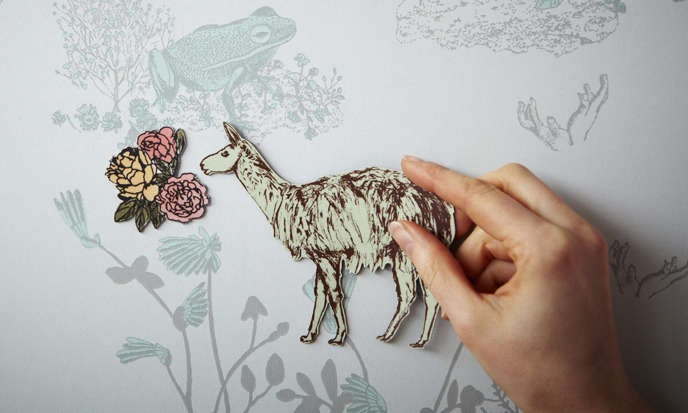
Wallpaper has a funny reputation. People either treat it like a design fairy godmother or like a haunted relic from a 1978 dining room that still smells faintly of cigarette smoke and regret. The truth sits happily in the middle. The right wallpaper can make a room feel finished, layered, and personal in a way paint rarely manages on its own. The wrong wallpaper, however, can lock a space into one very specific mood. That is why the smartest approach is not just to choose wallpaper you love today, but wallpaper you can still live with after the sofa changes, the baby grows up, the trends spin again, and your taste becomes a little more refined and a little less eager to impress strangers on social media.
That is the idea behind wallpapers to grow with. These are not one-season wonders or design stunts that look incredible for exactly nine minutes. They are patterns and textures with range. They work in different rooms, play nicely with changing furniture, and still feel relevant when your house evolves from first-apartment energy to “I now own coasters and care about lamp height” maturity. If you want wallpaper that can move with your life instead of trapping it in one aesthetic era, these five favorites are the ones worth pinning, sampling, and seriously considering.
What Makes a Wallpaper Worth Growing With?
A wallpaper with staying power usually does three things well. First, it has a visual identity without screaming for constant attention. Second, it works with more than one decorating style, so you can shift from modern to traditional, coastal to classic, or minimalist to collected without ripping down your walls in despair. Third, it has enough texture, movement, or structure to keep a room interesting even when the rest of the decor changes.
In other words, timeless wallpaper does not have to be boring. It just has to be flexible. The best choices often lean on classic pattern families, balanced color palettes, and materials that bring softness or depth instead of shouting novelty. Think less “theme room,” more “room with character.” That distinction matters. A wall should be able to support your life, not cosplay as your entire personality.
1. Striped Wallpaper
Why it lasts
If wallpaper had a little black dress, this would be it. Stripes are one of the safest, smartest, and most versatile wallpaper choices because they can read formal, relaxed, playful, coastal, tailored, or even slightly preppy depending on their scale and color. Thin pinstripes feel polished. Cabana stripes feel breezy. Uneven hand-drawn stripes feel artsy and modern. The beauty of striped wallpaper is that it adds order without stiffness.
Where it works best
Striped wallpaper is especially strong in entryways, hallways, bedrooms, and bathrooms. Vertical stripes can visually lift a low ceiling and make tight spaces feel taller. Wider stripes can make a room feel more architectural and intentional, especially when paired with simple trim, vintage lighting, or upholstered furniture with solid fabrics. In a nursery, stripes are also a clever long-game move. They feel sweet enough for a baby but do not become childish once the crib disappears and the room graduates into a kid bedroom, a study space, or a guest room.
How to keep it from going stale
Choose softened colors rather than high-contrast novelty combinations unless you are decorating a very specific statement space. Cream and sage, blue and white, taupe and charcoal, dusty clay and ivory, or pale olive and sand all have better aging potential than candy-shop brights. If you want the wallpaper to grow with the room, let the stripe create the rhythm while the furniture and accessories handle the mood. That way, the wall becomes the backbone of the room rather than the entire performance.
2. Botanical Wallpaper
Why it lasts
Botanical wallpaper stays in rotation for a reason: nature rarely looks out of style. Leaves, branches, vines, and florals bring movement and softness into a room, but the best versions avoid feeling overly precious or aggressively grandma-ish. A modern botanical can be airy and sketch-like, moody and dramatic, or quiet and tonal. When chosen well, it gives you color, pattern, and life without pinning the room to a single decade.
Where it works best
This style shines in bedrooms, powder rooms, breakfast nooks, laundry rooms, and reading corners. In small rooms, a botanical print can feel immersive in the best way, wrapping the space in texture and personality. In larger rooms, it works beautifully on an accent wall behind a bed, built-in shelving, or a dining banquette. It is also one of the few wallpaper categories that can bridge traditional and contemporary interiors without complaint. Pair it with rattan and linen for a relaxed look, brass and dark wood for something richer, or black accents for a cleaner modern edge.
How to keep it from going stale
Look for botanicals with a disciplined palette. Two-tone or three-tone patterns tend to age better than wallpaper that tries to host every color in the rainbow at the same time. Also pay attention to the drawing style. Loose painterly florals feel romantic, while simplified leaf patterns and block-print botanicals tend to have broader appeal over time. If you are nervous, start in a powder room. It is the design equivalent of ordering the spicy dish at lunch instead of committing to it for dinner with your in-laws.
3. Grasscloth and Textured Neutral Wallpaper
Why it lasts
Not every wallpaper needs a pattern. Sometimes the thing that makes a room feel finished is texture, not print. Grasscloth and other textured neutral wallcoverings are beloved because they add depth, warmth, and a subtle handmade quality without dominating the room. They work almost like a luxury version of paint: calm, tactile, and quietly sophisticated.
This is the wallpaper for people who say, “I like wallpaper, but I do not want wallpaper wallpaper.” You know exactly who you are.
Where it works best
Textured neutral wallpaper is a star in living rooms, dining rooms, home offices, and primary bedrooms. It creates a polished background for art, upholstered furniture, wood tones, antiques, or contemporary pieces. It also grows with your home because it is remarkably forgiving. Change the drapes, switch the rug, inherit a different coffee table, go from bright minimalism to collected traditionalism, and the wall still works. That is rare.
How to keep it from going stale
The magic is in undertones. Warm beige, mushroom, flax, olive-gray, pale blue-gray, and soft tobacco are all more nuanced than plain builder beige. Choose a textured wallpaper with enough movement to catch light but not so much sheen that it starts performing stand-up comedy every time the sun hits it. And remember that texture can be the pattern. In a room already carrying bold upholstery or layered art, subtle wallpaper is often the smartest move.
4. Small-Scale Geometric or Block-Print Wallpaper
Why it lasts
There is a sweet spot between “barely there” and “look at me immediately.” Small-scale geometrics and block-print-inspired patterns live there beautifully. They offer structure, repetition, and charm without turning a room into a visual obstacle course. These wallpapers are especially good for people who want energy but not chaos.
Where it works best
Try them in kitchens, mudrooms, guest bedrooms, stair halls, and home offices. They are excellent in transitional spaces because their repeating patterns create consistency and movement. A block-print style also has a collected, artisanal feel that works across design aesthetics. It can lean cottage, modern organic, traditional, or global depending on the colors and surrounding materials.
How to keep it from going stale
Keep the palette grounded. Blue and white, soft black and cream, moss and sand, terracotta and ivory, or brown and flax can all feel classic instead of trendy. Small motifs also make it easier to mix in patterned textiles later, since they do not compete as aggressively as oversized murals or giant florals. If your future decorating habits are unpredictable, and honestly whose are not, this category gives you a lot of freedom.
5. Scenic, Toile, or Heritage-Inspired Wallpaper
Why it lasts
This is the most romantic of the bunch, but it can still be surprisingly adaptable. Scenic wallpapers, toile, and heritage-inspired prints endure because they have history behind them. They feel rooted. A good scenic wallpaper can make a room feel layered and storied, as if it had a life before your furniture arrived. That quality helps it resist trend fatigue.
Where it works best
Dining rooms, libraries, bedrooms, and powder rooms are ideal places for these more narrative wallpapers. They tend to work best when the room already has some architecture or mood: molding, paneled trim, warm lighting, vintage pieces, or a classic color palette. A monochrome toile in blue, sepia, green, charcoal, or black can look surprisingly fresh if everything else in the room is edited and unfussy.
How to keep it from going stale
The trick is balance. If the wallpaper carries history and drama, let the furniture breathe. Pair it with simple upholstery, natural wood, crisp bedding, or understated metal finishes. Scenic wallpapers do not need twelve decorative pillows auditioning around them. They are already telling the story. Your job is to stop interrupting.
How to Choose the Right One for Your Home
Start by asking what may change in the room over the next five to ten years. Will this nursery become a homework zone? Will the guest room later become an office? Will your dining room eventually collect darker furniture or more art? The more change you expect, the more flexible the wallpaper should be. That usually means texture, stripes, or a controlled small-scale pattern.
Next, think about permanence. If you are renting, testing a bolder idea, or decorating a tiny area such as a nook, peel-and-stick wallpaper can be a sensible choice. If you are investing in a larger room and want the most refined look, traditional wallpaper often delivers a more lasting finish. Also consider wall condition. Smooth, clean surfaces make installation easier and the final result more convincing. Even the prettiest wallpaper in the world cannot save a wall that looks like it recently lost a fight with a belt sander.
Finally, sample before you commit. Tape large swatches to the wall and watch them through the day. Morning light, lamp light, and shadow can completely change the mood of a wallpaper. The pattern you loved at 11 a.m. might feel strangely aggressive by 8 p.m. The wall is not being dramatic. It is helping you avoid a very expensive misunderstanding.
The Real Secret: Wallpaper Should Support a Life, Not Just a Look
The best wallpapers to grow with are the ones that leave room for you to become more yourself over time. They do not demand a matching lampshade, a themed gallery wall, and a full personality transplant. They simply make your rooms feel more complete. Whether you choose stripes, botanicals, texture, block prints, or heritage patterns, the goal is the same: create a backdrop that still feels good when your home changes shape.
Because it will. Furniture gets replaced. Kids get taller. Tastes get sharper. Budgets get kinder, hopefully. The right wallpaper does not freeze a room in one chapter. It lets the room keep becoming.
Living With Wallpaper Over Time: The Experience That Changes Everything
What people often miss in wallpaper conversations is the difference between admiring a room and living in one. A wallpaper can be gorgeous in a photo and exhausting in real life. It can look dramatic in a reveal and then quietly irritate you every morning while you brush your teeth. That is why wallpapers to grow with matter so much in everyday experience. They do not just photograph well. They age well emotionally.
Take striped wallpaper in a hallway, for example. On day one, it looks neat and tailored. A year later, after frames are added, shoes pile up by the door, and the family calendar migrates to the kitchen, the stripes still do their job. They keep the area feeling structured even when life gets a little messy. That is one of the best lived experiences of a classic wallpaper: it keeps a room from visually unraveling.
Botanical wallpaper has a different effect. It tends to soften routine. In bedrooms and powder rooms especially, leafy or floral patterns can make a space feel calmer and more layered, even when there is nothing particularly luxurious going on. Maybe the vanity is crowded. Maybe the laundry basket is definitely not decorative. Maybe the “spa-like retreat” is actually just a room where someone left a damp towel again. A good botanical wallpaper still adds a little grace. It gives the eye somewhere pleasant to land.
Textured neutrals probably offer the easiest long-term experience of all. People often report that these walls simply continue to work as everything else changes. A room with textured wallpaper can absorb new curtains, inherited furniture, evolving art tastes, and seasonal decor without feeling like it needs to be redesigned from scratch. That is powerful. It means the wallpaper is not dictating every future decision. It is cooperating. Frankly, more things in life should try that approach.
Small-scale prints are especially satisfying in hardworking rooms. A mudroom, laundry room, back hall, or office can feel much more cheerful with a repeating pattern that adds motion without noise. Over time, this kind of wallpaper often becomes part of the room’s personality rather than a design feature you keep noticing. That is usually a good sign. The best home details do not always beg for attention forever. Sometimes they just become part of the reason a room feels right.
Then there are the heritage and scenic papers, which create the strongest memory effect. These are the wallpapers guests remember. They are also the ones homeowners often grow most sentimental about. A powder room with a moody toile, or a dining room with a soft scenic paper, can become part of the home’s identity. Holiday dinners happen there. Guests mention it. Family photos catch it in the background. Years later, the wallpaper is no longer just decor. It has become atmosphere, history, and a little bit of family folklore.
That is really the heart of choosing wallpaper to grow with. You are not only selecting a pattern. You are choosing the kind of backdrop your life will unfold against. A good one should make room for change, survive shifting tastes, and still feel like a wise choice after the novelty wears off. When that happens, wallpaper stops being risky. It becomes one of the most rewarding decisions in the house.