Note: Body-only HTML, written in standard American English and formatted for easy web publishing.
Valentine's Day flower shopping has two personalities. One is thoughtful, stylish, and just a little smug in the best way: it knows the difference between a fresh, beautifully arranged bouquet and a last-minute bunch that looks like it survived a bar fight in a refrigerated truck. The other personality panic-buys red roses on February 13 and hopes for the best. This article is here to help you become the first person.
If you follow Gardenista, you already know the vibe: romantic flowers should feel personal, seasonal, and beautifully considered, not like a floral ransom note. The best sources for Valentine's flowers are not always the loudest brands or the biggest bouquets. Often, they are the florists, flower farms, specialty delivery services, and garden-minded shops that understand texture, timing, fragrance, and the subtle but important difference between “I adore you” and “I clicked the first thing with hearts on it.”
So what is actually trending in the Gardenista universe of Valentine's flowers? A clear shift toward local and seasonal blooms, more thoughtful alternatives to standard red roses, mixed arrangements with movement and texture, and gifts that feel curated instead of copied-and-pasted. That means tulips, ranunculus, anemones, camellias, orchids, and elegant garden-style bouquets are sharing the stage with the classic rose. It also means the best source depends on what you care about most: freshness, artistry, same-day convenience, long-lasting stems, or budget.
The Gardenista Way: What Makes a Flower Source “Best”?
Before naming the best sources, it helps to define what “best” really means. Gardenista has long leaned toward flowers that feel local, seasonal, and beautifully composed rather than stiff, generic, or overly formal. That approach still holds up. A great Valentine's flower source usually checks five boxes.
1. Freshness
Fresh flowers are not just prettier; they last longer, open more gracefully, and avoid that tragic “already tired by dessert” effect. Farm-direct options, local flower farms, and independent florists with quick turnover often outperform mass-produced arrangements in freshness.
2. Design
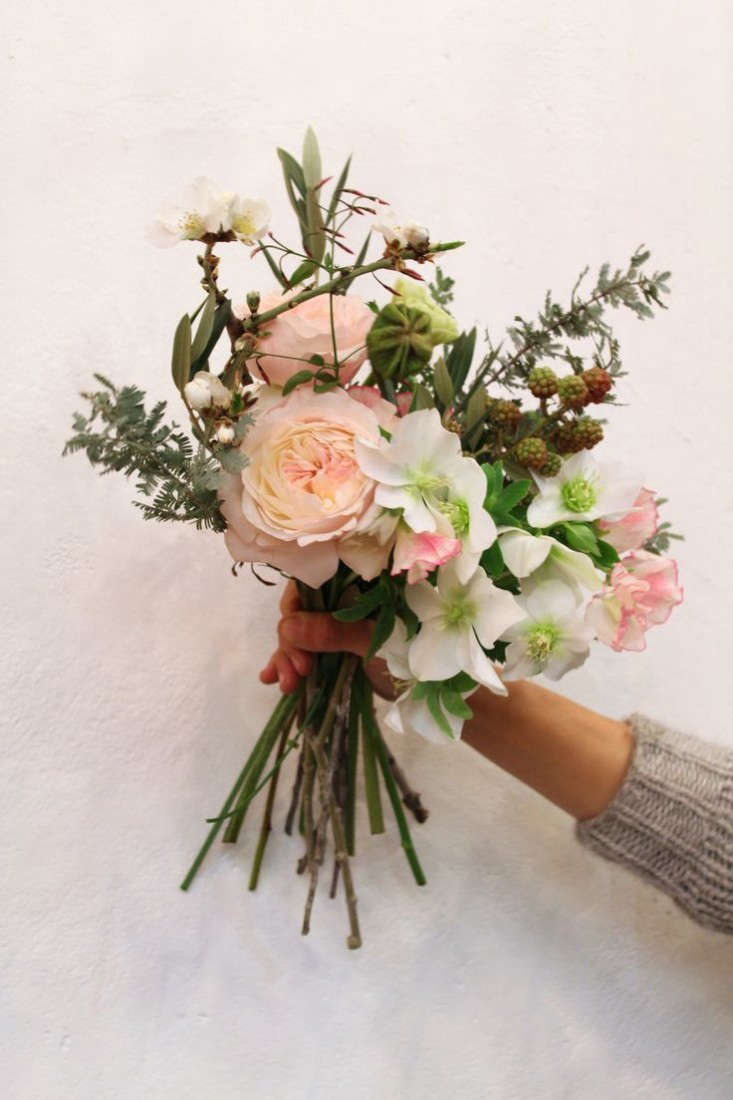
The best bouquets have shape, texture, and a point of view. Gardenista-style flowers rarely look like a giant red puffball wrapped in shiny plastic. Instead, they tend to feature layered colors, seasonal branches, airy greenery, and flowers that look as if they belong together.
3. Seasonality
Seasonal flowers usually feel more interesting than standard holiday defaults. In February, that may include tulips, ranunculus, anemones, camellias in warmer regions, flowering branches, paperwhites, hellebores, and potted orchids. Seasonal blooms often look more sophisticated because they do not feel forced.
4. Delivery Reliability
Romance is lovely. Tracking numbers are lovelier. The best flower source for Valentine's Day is one that can actually deliver on time and in good condition. Same-day florist networks can be lifesavers, while local pickup options are often ideal for people who want more control.
5. Meaning
Flowers communicate. Red roses still scream romance, but tulips can say perfect love, camellias can signal admiration and enduring affection, lavender can suggest devotion, and mixed bouquets can feel more intimate because they reflect the recipient's personality instead of the holiday script.
The Best Sources for Valentine's Flowers
Independent Local Florists
If you want the most Gardenista-approved option, start with an independent local florist. This is where you are most likely to find flowers that feel artful, seasonal, and less cookie-cutter. Local florists can also tailor arrangements to your budget, the recipient's taste, and what is actually looking beautiful that week.
Gardenista has long highlighted city-based florists and regional studios because they tend to offer the kind of bouquets design lovers actually want to receive. Think less “holiday default setting” and more “I noticed you prefer peach ranunculus to shouty red roses.” In past Gardenista coverage, shops such as Winston Flowers in Boston, Farmgirl Flowers in the San Francisco Bay Area, and Little Acres Flowers in the mid-Atlantic represented this exact kind of thoughtful sourcing and regional style.
Best for: design-conscious gifts, custom orders, local delivery, and people who notice the wrapping paper.
Farmer-Florists and Local Flower Farms
If local florists are the cool older cousin of flower gifting, farmer-florists are the impossibly chic cousin who also bakes sourdough and knows how to prune roses correctly. These sources are ideal if you care about freshness, seasonality, and supporting domestic growers.
Gardenista has repeatedly celebrated local and seasonal Valentine's flowers, and the Slow Flowers movement has helped reinforce that trend. Winter bouquets from regional growers may include flowering branches, specialty tulips, narcissus, ranunculus, hellebores, or textural greenery rather than a predictable bundle of imported long-stem roses. The result feels more personal and often more memorable.
Best for: shoppers who want flowers with a story, a regional identity, and a little more soul.
Florist Networks for Same-Day Delivery
Sometimes romance is planned weeks in advance. Sometimes it is 2:17 p.m. and you have just realized the date. This is where florist networks earn their halo. Services like Teleflora work through local florist partners, making them especially useful for same-day or next-day delivery when timing matters more than artisanal bragging rights.
The upside is convenience and speed. The tradeoff is that exact bouquet replication is not always guaranteed because local florists may substitute stems based on availability. Still, for reliable delivery and broad geographic reach, florist networks remain one of the best practical sources for Valentine's flowers.
Best for: procrastinators, long-distance gifting, and anyone who wants “arrives on time” to be the headline.
Classic National Flower Brands
FTD, ProFlowers, and 1-800-Flowers remain strong options because they offer wide selection, multiple price points, and the kind of browsing experience that helps indecisive shoppers narrow things down quickly. These brands also publish extensive guides to flower symbolism, bouquet styles, recipient matching, and Valentine's gifting etiquette, which tells you something important: shoppers want help choosing, not just scrolling.
These sites are especially useful if you need nationwide delivery, gift bundles, or a clear menu of classic Valentine's choices like roses, tulips, mixed bouquets, and orchids. They may not always have the boutique flair of a neighborhood studio, but they can be dependable and surprisingly versatile.
Best for: nationwide reach, gift add-ons, comparison shopping, and classic romance done efficiently.
Farm-Direct and Design-Forward Online Brands
For shoppers who want a more modern aesthetic, farm-direct and design-forward brands sit nicely between independent florists and traditional national services. Gardenista has previously singled out brands like The Bouqs for their stylish presentation and fresher, farm-connected feel. These companies tend to emphasize curated palettes, cleaner design, and arrangements that feel less like a banquet centerpiece and more like something a stylish person would casually have on a kitchen table.
These brands often work best when you want something contemporary, beautifully photographed, and easier to order online than a fully custom florist arrangement. Just remember that Valentine's demand can put pressure on every shipping system known to humankind, so earlier ordering is wise.
Best for: modern style, curated bouquets, and gifts that feel fresh without requiring a phone call.
Grocery Stores, Garden Centers, and Specialty Markets
Do not underestimate the humble supermarket bouquet. Better Homes & Gardens and HGTV have both leaned into the idea that budget flowers can still look excellent when chosen carefully and arranged well. For shoppers who would rather spend money on a lovely dinner, a handmade note, or dessert that contains more butter than good judgment, grocery-store flowers can be a smart move.
The trick is to buy selectively. Choose tight buds mixed with a few open flowers, avoid damaged petals, trim the stems when you get home, and rework the bunch into your own vase. Suddenly, that ordinary bouquet starts looking suspiciously intentional.
Best for: budget-conscious buyers, DIY romantics, and people who enjoy saying, “Oh this old thing?” while presenting a rearranged supermarket bouquet.
Potted Plants for Longer-Lasting Romance
Fresh-cut flowers are wonderful, but potted flowering plants are the marathoners of Valentine's gifts. Orchids, miniature rose plants, and even certain seasonal houseplants can last far beyond the holiday. For some recipients, a living plant feels more thoughtful than a bouquet because it continues to grow after February 14 stops being the center of the universe.
This option is especially smart for people who love interiors, gardening, or low-key romance that does not wilt in five days. It also works beautifully when you want to gift beauty without leaning too hard on Valentine's clichés.
Best for: plant lovers, long-lasting gifts, and romance with staying power.
Which Flowers Work Best for Valentine's Day?
Roses
Yes, roses are still the queen of Valentine's Day, and nobody needs to apologize for that. Red roses symbolize love and passion, white roses suggest purity or new love, pink roses lean toward admiration and elegance, and yellow roses read more as friendship. A rose bouquet works best when the arrangement is restrained and beautiful rather than gigantic and vaguely threatening.
Tulips
Tulips are one of the smartest alternatives to roses. They feel fresh, modern, and slightly less predictable. Red tulips traditionally represent deep or perfect love, while pink varieties feel softer and more playful. They are especially good for someone who likes flowers but dislikes anything too formal.
Ranunculus and Anemones
If roses are the prom king, ranunculus and anemones are the impossibly stylish transfer students. These blooms have that layered, painterly quality Gardenista readers tend to love. They work beautifully in mixed arrangements and bring texture without heaviness.
Camellias and Orchids
Camellias offer a Southern, poetic alternative to roses and can feel incredibly romantic when in season. Orchids, meanwhile, are elegant, sculptural, and long-lasting. They are excellent for recipients who love design, simplicity, and flowers that feel less expected.
Mixed Seasonal Bouquets
A mixed bouquet often says more than a dozen identical stems ever could. It feels selected rather than automated. A beautiful Valentine's arrangement might include tulips, roses, ranunculus, eucalyptus, berry stems, stock, or flowering branches, depending on climate and region. The best mixed bouquets feel gathered, not crammed.
How to Choose the Right Source for the Right Person
Buying Valentine's flowers gets easier when you stop asking, “What is the most romantic flower?” and start asking, “What would this person actually love?”
- For the classic romantic: choose an independent florist or a premium national brand and go with roses, tulips, or a lush mixed bouquet.
- For the design lover: choose a local florist or a design-forward online brand with garden-style arrangements.
- For the gardener: choose a flower farm, seasonal bouquet, camellias, or a flowering plant.
- For the practical person: choose a florist network or potted orchid that offers longevity and reliable delivery.
- For the budget-conscious but thoughtful giver: choose supermarket stems and style them yourself.
How to Make Valentine's Flowers Last Longer
Even the best bouquet needs a little post-purchase kindness. Start with a clean vase. Recut the stems with a sharp blade. Remove any foliage below the water line. Use fresh water and flower food if provided. Keep the arrangement away from direct sun, heating vents, and fruit bowls, since ripening fruit gives off ethylene gas that can shorten vase life. Refresh the water regularly and trim stems again every few days.
If you are cutting flowers from a garden or home landscape, morning is typically the best time because blooms are better hydrated. Cooler rooms also extend vase life. In other words, if you truly love someone, do not park their bouquet beside a radiator and call it ambiance.
Real-World Experiences: What Valentine's Flower Buying Actually Feels Like
One of the most interesting things about Valentine's flowers is that the buying experience is rarely just about flowers. It is about timing, nerves, symbolism, budget, and that tiny internal debate between “play it safe” and “do something more original.” In practice, people tend to fall into a few familiar camps.
The first is the local-florist convert. This person may have ordered generic bouquets in the past, only to discover that a neighborhood florist asks smarter questions: Does the recipient like fragrance? Strong colors or softer tones? Traditional romance or something more modern? That experience can be a revelation. Instead of selecting from a grid of nearly identical arrangements, the buyer gets guidance. The bouquet arrives looking considered, layered, and alive. Suddenly, flower gifting feels less like e-commerce and more like taste.
The second experience is the farm-direct surprise. People often expect flowers from a farm-connected source to look simpler, but they frequently look fresher and more distinctive. The stems may be tighter on arrival, which can be confusing for a hot minute, but by day two or three the bouquet opens beautifully. It feels less like a static gift and more like a small unfolding event in a vase. That slow reveal is part of the charm.
Then there is the same-day success story, also known as the “I completely forgot but somehow survived” category. This is where florist networks shine. The buyer is not looking for the most rarefied ranunculus in North America; the buyer wants a polished arrangement to arrive today, preferably before anyone starts asking pointed questions. When it works, it works brilliantly. Same-day flowers can rescue birthdays, apologies, anniversaries, and yes, Valentine's Day. They are the emergency chocolate of floral gifting, but prettier.
The budget DIY experience deserves respect too. Many shoppers have learned that buying flowers from a grocery store or market and arranging them at home can feel surprisingly personal. You notice the stems. You remove the bruised leaves. You trim, cluster, edit, and choose the vase. By the time the bouquet is finished, it has your fingerprints on it in the best sense. It may cost less than a premium delivery arrangement, but it can feel more intimate because you shaped it yourself.
And finally, there is the experience of choosing flowers that actually match the recipient rather than the holiday. This is where gifting becomes memorable. Maybe the recipient hates red roses but loves pale tulips. Maybe they adore camellias because their grandmother grew them. Maybe they are a plant person who would rather receive an orchid than a dozen stems that bow out by next week. Those choices land differently. They say, “I know your taste,” which is arguably far more romantic than saying, “I know what the homepage banner told me to buy.”
That is the real Gardenista lesson. The best Valentine's flowers are not necessarily the biggest, the reddest, or the most expensive. They are the ones sourced with care, chosen with intention, and presented with enough confidence to let the flowers do the talking. Preferably without panic shopping. Definitely without cellophane the size of a camping tent.
Conclusion
If you want the best sources for Valentine's flowers, think like a Gardenista editor: choose freshness over flash, seasonality over cliché, and personality over floral autopilot. Independent florists, farmer-florists, quality florist networks, farm-direct brands, and even carefully chosen market bouquets all have their place. The smart choice depends on the recipient, your timeline, and whether you are going for classic romance, modern style, or long-lasting charm. Whatever you choose, the winning bouquet is the one that feels intentional. Flowers are already doing a lot of emotional heavy lifting. Your job is simply to source them well.