Nothing interrupts a perfect backyard dinner quite like a grill that suddenly decides it has entered its “silent retreat” phase. One minute you are flipping burgers like a confident outdoor chef; the next, you are staring at a weak little flame and wondering whether the propane tank is empty, offended, or both.
Fortunately, figuring out how much propane is left is not complicated. You do not need a laboratory coat, a crystal ball, or a dramatic speech to the grill. You just need the right method for your tank type and a few minutes of attention.
This guide explains six practical ways to measure remaining propane in grill cylinders, RV tanks, patio-heater tanks, and larger residential propane tanks. You will learn how to read a propane gauge, calculate fuel by weight, use the warm-water test, estimate gallons remaining, and avoid the classic mistake of discovering an empty tank five minutes before guests arrive.
Before You Measure: Understand What “Full” Means for a Propane Tank
Propane is stored as a liquid under pressure and turns into gas as it leaves the tank to fuel a grill, heater, stove, generator, or other appliance. Because liquid propane expands as temperatures rise, tanks are not filled to their absolute physical capacity. Most propane containers are filled to about 80 percent of their water capacity, leaving expansion space inside the tank.
That detail matters because a 500-gallon residential propane tank is not normally filled with 500 gallons of propane. A typical “full” reading is around 80 percent, or roughly 400 gallons. Likewise, a portable cylinder sold as a “20-pound propane tank” is designed to hold about 20 pounds of propane when properly filled, although exchange programs may provide less fuel than a full refill.
Also, do not confuse a pressure reading with an exact fuel-level reading. Propane pressure changes with outdoor temperature, so a pressure gauge can look healthier on a hot afternoon than on a chilly morning even when the amount of fuel has not changed. For an accurate estimate, use a tank percentage gauge, a scale, or a monitoring device designed to measure liquid level.
Step 1: Identify Your Propane Tank Type and Capacity
The best measurement method depends on what kind of propane container you have. Take a moment to identify the tank before you start checking numbers.
Portable propane cylinders
Portable cylinders are commonly used for gas grills, patio heaters, camping stoves, smokers, RV appliances, and fire tables. The most common sizes include:
- 1-pound cylinders: Common for compact camping stoves and lanterns.
- 20-pound cylinders: Common for grills and patio heaters; they hold just under five gallons of propane when properly filled.
- 30-pound cylinders: Often used for RVs, larger grills, and extended outdoor cooking.
- 40-pound and 100-pound cylinders: Used for larger appliances, cabins, construction heaters, and certain home systems.
Residential propane tanks
Large home tanks are usually measured in gallons. Common sizes include 120-gallon, 250-gallon, 500-gallon, and 1,000-gallon tanks. These tanks usually have a percentage gauge under a protective dome or lid near the valves.
Look for a capacity label, service paperwork, or a tank-size marking. Knowing the capacity is important because a gauge reading of 40 means very different things on a 20-pound cylinder and a 500-gallon home tank. One is a potential burger emergency; the other is a supply-planning issue.
Step 2: Read the Built-In Propane Tank Gauge
If you have a large residential tank, this is usually the easiest and most useful method. Lift the tank lid or protective dome and look for a round dial. Most propane gauges display numbers from approximately 5 to 95, representing the percentage of propane in the tank.
For example, a gauge reading of 50 means the tank is about half full. If you own a 500-gallon tank, a 50 percent reading means you have roughly:
500 gallons × 0.50 = 250 gallons remaining
Here are a few quick examples for a 500-gallon propane tank:
| Gauge Reading | Estimated Propane Remaining | What It Usually Means |
|---|---|---|
| 80% | About 400 gallons | Typically considered full after delivery |
| 60% | About 300 gallons | Comfortable supply for many households |
| 40% | About 200 gallons | Time to start watching usage |
| 30% | About 150 gallons | Good time to schedule a refill |
| 20% | About 100 gallons | Low; arrange delivery promptly |
Many propane suppliers recommend arranging a delivery around the 30 percent mark. That buffer is especially valuable during cold weather, when furnaces, water heaters, fireplaces, and generators may use propane more quickly than expected.
Do not wait until the gauge reaches zero. Running completely out of propane can shut down appliances, trigger safety checks, and sometimes require a qualified technician to inspect the system before service can resume. In other words, propane planning is less exciting than a surprise outage, but dramatically more pleasant.
Step 3: Calculate Remaining Propane by Tank Weight
For portable propane cylinders, weighing the tank is one of the most accurate DIY methods. All you need is a bathroom scale, luggage scale, hanging tank scale, or other scale capable of handling the tank safely.
Find the tare weight
Look around the collar of the propane cylinder for the letters TW, which stand for tare weight. This is the weight of the empty cylinder itself, including the valve. A typical empty 20-pound cylinder may weigh roughly 17 to 19 pounds, but do not guess. Use the actual tare weight stamped on your specific tank.
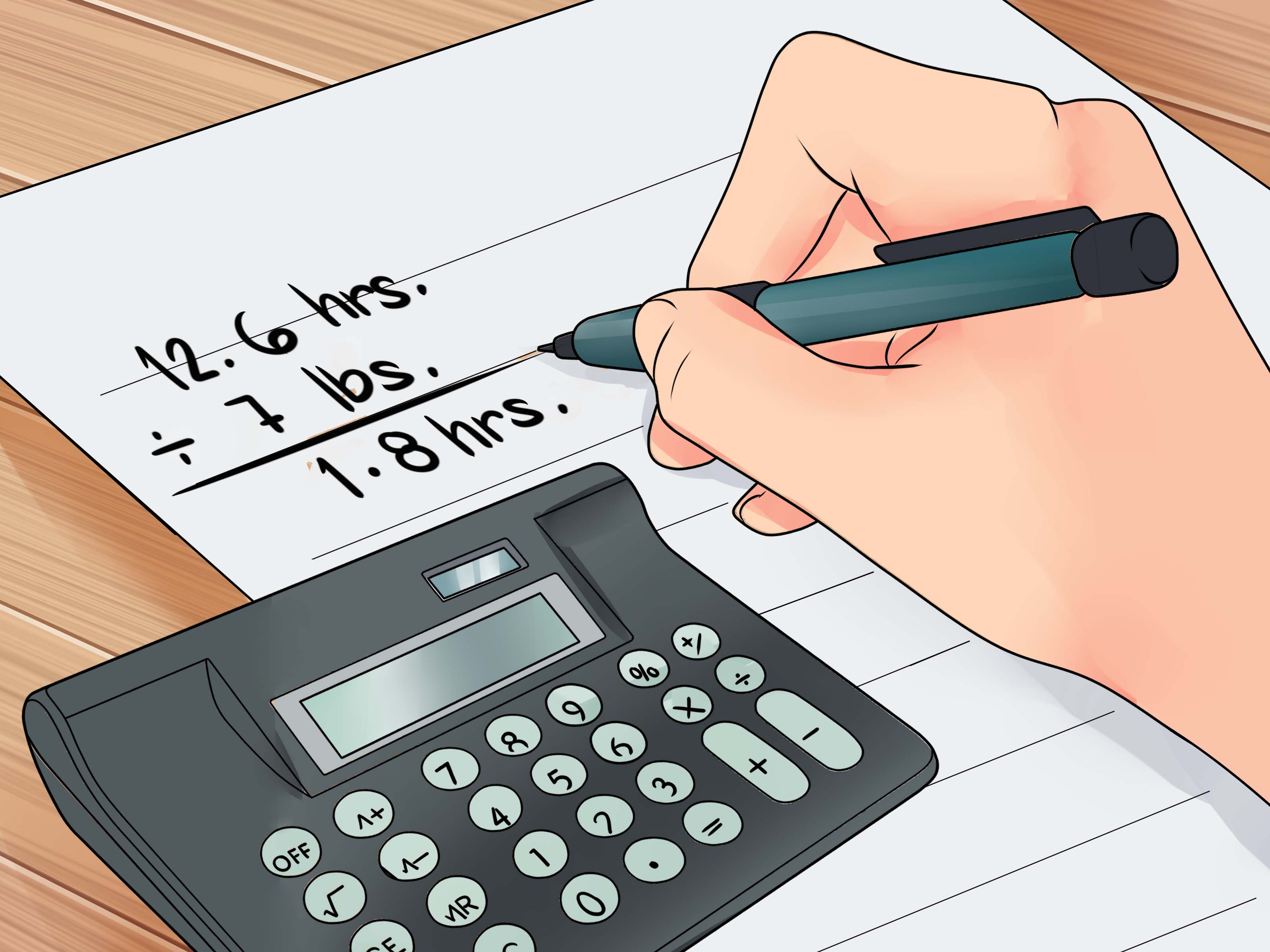
Use this propane-weight formula
Total tank weight − tare weight = propane remaining
For example, imagine your propane cylinder weighs 28 pounds on a scale, and the collar is stamped TW 18.0.
28 pounds − 18 pounds = 10 pounds of propane remaining
If the cylinder was originally filled with 20 pounds of propane, that means it is approximately 50 percent full. If it came from an exchange program filled with 15 pounds, it is closer to two-thirds full. This is why knowing whether your tank was refilled or exchanged can make your math much less mysterious.
Quick percentage calculation
Use this formula:
Propane remaining ÷ full propane capacity × 100 = percent remaining
Using the example above:
10 pounds ÷ 20 pounds × 100 = 50 percent remaining
Always weigh portable propane tanks outdoors or in a well-ventilated area. Keep the tank upright, avoid dropping it, and never bring a propane cylinder indoors just to make the scale situation more convenient. The tank is not a dumbbell, a kitchen ingredient, or a roommate.
Step 4: Use the Warm-Water Test for a Fast Estimate
The warm-water test is a simple way to locate the approximate liquid propane level in a portable cylinder. It is not as precise as weighing the tank, but it is quick, free, and surprisingly useful when you are about to cook.
How to do the warm-water propane test
- Turn off the propane appliance and close the tank valve.
- Make sure the cylinder is standing upright outdoors.
- Pour warm waternot boiling waterslowly down one side of the tank.
- Wait a few seconds.
- Run your hand down the outside of the tank.
- Feel for the point where the metal changes from warm to noticeably cool.
The cooler section generally indicates where liquid propane remains inside the cylinder. Liquid propane absorbs heat from the tank wall as it vaporizes, making the metal feel cooler below the fuel line. The transition point gives you a rough estimate of the remaining propane level.
This method works best when the tank has been sitting still for a few minutes. If the cylinder is actively supplying a high-demand appliance, the temperature pattern may be harder to interpret. It is also an estimate, not a perfect measurement. Think of it as the propane equivalent of checking whether a coffee mug still has enough caffeine to save your afternoon.
Step 5: Install a Propane Tank Scale or Smart Monitor
If you regularly use propane for grilling, RV travel, patio heating, camping, or backup power, a dedicated monitoring device can save you from constant guessing. There are several useful options.
Hanging propane scales
A hanging propane scale hooks under the tank collar and shows an approximate empty-to-full range. These scales are popular for standard 20-pound grill cylinders because they are inexpensive and easy to use. Lift the tank by the scale handle, hold it steady, and read the dial.
Base scales
Some tank scales sit beneath the propane cylinder and calculate fuel level based on weight. They can be more convenient because you do not need to lift the tank every time you check it. This is helpful for heavier cylinders or for anyone who would prefer not to wrestle a metal tank before lunch.
Ultrasonic and Bluetooth propane monitors
Ultrasonic monitors attach to the bottom or side of compatible tanks and use sound waves to detect the liquid propane level. Bluetooth-enabled models can send readings to a smartphone app, allowing you to check fuel level before a weekend trip or from the comfort of your couch.
Smart monitoring is especially useful for RV owners, frequent grillers, vacation homes, and seasonal cabins. It is also helpful for people who tend to remember propane only when the grill flame starts behaving like a birthday candle in a windstorm.
Step 6: Estimate Runtime Based on Your Appliance
Measuring propane remaining is useful, but knowing how long it may last is even better. The answer depends on the appliance’s BTU rating, the outside temperature, how often the appliance runs, and whether you are using more than one propane appliance at the same time.
A standard 20-pound propane cylinder contains roughly 430,000 BTUs of fuel when filled with about 20 pounds of propane. To make a rough runtime estimate, divide the tank’s total BTUs by the appliance’s BTU rating.
For example, suppose your grill burner system is rated at 30,000 BTUs per hour:
430,000 BTUs ÷ 30,000 BTUs per hour = about 14 hours of maximum-burner runtime
That does not mean your tank will always last exactly 14 hours. Most people do not grill with every burner on high for hours at a time unless they are feeding a marching band or attempting to grill an entire county fair. Still, the calculation gives you a useful starting point.
For a patio heater rated at 46,000 BTUs per hour, a full 20-pound tank may provide roughly 9 hours of high-output use. For a small camping stove, the same fuel supply can last far longer because the burner uses fewer BTUs.
How to Avoid Running Out of Propane at the Worst Possible Time
The easiest way to measure propane is to make it part of a routine. Check your grill tank before a major cookout. Check your RV cylinder before leaving town. Check your residential gauge at least once or twice a month during heating season.
For portable cylinders, a simple rule works well: refill or exchange the tank once it falls below one-quarter full if you have an upcoming event, trip, or cold-weather need. Keep a spare full cylinder for grilling or patio heaters when practical and permitted by local rules.
For home propane tanks, write down the gauge reading on the same day each week during winter. After a month, you will start to see your household’s normal consumption pattern. A sudden jump in usage may be caused by colder weather, more appliance use, a pilot-light issue, a malfunctioning appliance, or a leak that needs professional attention.
Important Propane Safety Reminders
Checking propane level should be simple, calm, and boring. That is exactly how safety tasks should feel.
- Keep propane cylinders upright during use, storage, and transport.
- Use and store portable cylinders outdoors in well-ventilated areas.
- Never use a flame, match, lighter, or torch to check a propane level or locate a leak.
- Do not open a bleeder valve or liquid-level valve to “see if there is propane left.” Those procedures are for trained professionals during filling and service.
- Check hoses, regulators, and fittings for damage before using an appliance.
- Use a soap-and-water solution to check connections for bubbles if you suspect a leak.
- If you smell propane, turn off the gas supply if it is safe to do so, avoid flames and electrical switches, move away from the area, and contact your propane supplier or emergency services.
Propane has an added odorant so leaks can often be detected by smell, but never rely on smell alone as your only safety system. If something seems wrong, do not troubleshoot by improvising. Your grill does not need a heroic origin story.
Real-World Experiences: What Propane Users Learn the Hard Way
Most propane lessons are learned in remarkably ordinary moments. Nobody wakes up planning to become an expert in fuel-level management. It usually begins when dinner is half-cooked, the patio heater shuts down during a chilly evening, or an RV refrigerator starts acting suspiciously quiet in the middle of a trip.
One common experience is the “tank felt heavy yesterday” mistake. A 20-pound propane cylinder can feel heavy even when it is far from full because the steel tank itself has substantial weight. Shaking it is not a reliable measurement method. It may tell you that something is moving inside, but it will not tell you whether you have enough fuel for a two-hour cookout. People who start weighing their tanks or using a hanging scale tend to stop playing propane roulette pretty quickly.
Another frequent lesson comes from tank exchanges. A person may exchange an empty grill cylinder, assume it contains a full 20 pounds of propane, and then notice it runs out sooner than expected. Some exchange cylinders are filled with about 15 pounds of propane rather than their maximum capacity. That is not necessarily a problem; it simply means runtime estimates should be based on the amount actually included. Checking the exchange label, receipt, or cylinder information can prevent a lot of confused staring at a grill.
RV users often learn that propane demand changes dramatically depending on the weather. A cylinder that seems to last forever during a mild weekend can disappear much faster when it is powering a furnace overnight in cold conditions. Cooking breakfast, heating water, using a refrigerator on propane, and running a furnace can all draw from the same supply. Experienced RV travelers often check tank levels before sunset, not after the temperature drops and everyone has already climbed into bed.
Homeowners with large propane tanks develop a different habit: they watch trends instead of waiting for panic. A single gauge check does not say much, but a notebook or phone note with weekly readings can reveal how quickly fuel is being used. For example, a home may drop from 60 percent to 50 percent in several weeks during mild weather, then lose that same 10 percent in only a few cold days. Seeing the pattern helps homeowners schedule deliveries before bad weather turns a routine refill into an urgent situation.
The warm-water test is another tool that people remember after it rescues a meal. It is not the kind of method you use to create a precise inventory spreadsheet. It is the method you use when guests are arriving, the burgers are seasoned, and the tank has become suspiciously quiet. A visible temperature line can quickly confirm whether the cylinder is nearly empty or still has enough propane for the evening. It is simple, fast, and much better than assuming a weak flame is the grill’s way of expressing artistic dissatisfaction.
The most useful experience-based advice is also the least glamorous: check propane before you need it. A five-second glance at a gauge, a quick scale reading, or a smart-monitor check can prevent an unnecessary store run. Keep a refill plan, know your tank’s tare weight, understand whether your cylinder is filled to 15 or 20 pounds, and do not wait until the flame starts making existential decisions.
Once propane measurement becomes a habit, it stops being a problem. You will know when to refill, how much fuel you have left, and whether you can confidently start that long cook, patio gathering, camping trip, or cold-weather weekend. That is the real goal: fewer surprises, steadier flames, and no emergency dinner plans involving cereal.
Final Takeaway
The best way to measure remaining propane depends on your tank. Read the percentage gauge on large residential tanks, weigh portable cylinders using the tare weight, use the warm-water test for a fast estimate, or install a dedicated scale or smart monitor for convenient tracking.
For the most reliable propane management, combine methods. Use a gauge or monitor for routine checks, use a scale when you need a precise portable-cylinder estimate, and schedule a refill before the tank becomes critically low. Your future selfand everyone waiting for dinnerwill appreciate the effort.
Research basis: Guidance synthesized from U.S. propane safety organizations, federal energy and safety agencies, propane suppliers, home-improvement retailers, utility providers, and university safety resources.