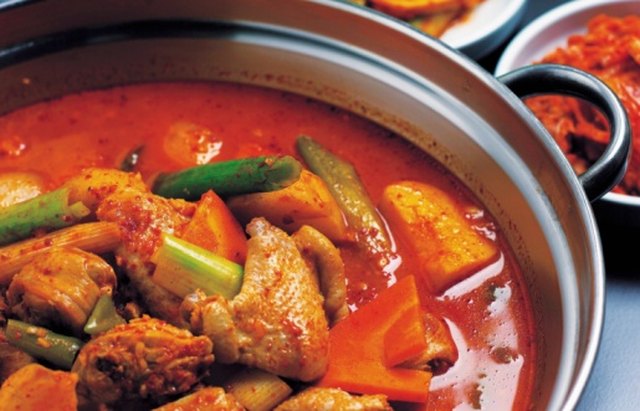
A good stew should not behave like soup wearing a fake mustache. It should be rich, cozy, spoon-coating, and sturdy enough to cling lovingly to chunks of beef, chicken, potatoes, carrots, mushrooms, or whatever heroic ingredients you have simmering away in the pot. When stew turns out too thin, the fix is often sitting quietly in your pantry: cornstarch.
Learning how to use cornstarch to thicken stew is one of those simple kitchen skills that feels almost suspiciously useful. You do not need a culinary degree, a copper saucier, or a dramatic chef hat. You only need cornstarch, cold water or broth, a spoon or whisk, and a little patience. The magic happens through a basic slurry, which is just cornstarch mixed with cold liquid before being stirred into hot stew.
The key word is before. Cornstarch should not be dumped directly into a bubbling pot unless you enjoy chasing tiny starch dumplings around your dinner. A smooth slurry prevents clumps, thickens quickly, and gives stew a glossy, hearty texture without changing the flavor much. Used correctly, cornstarch can rescue watery beef stew, chicken stew, vegetable stew, chili-style dishes, slow cooker stews, Instant Pot stews, and pan sauces that need a last-minute texture upgrade.
What Cornstarch Does in Stew
Cornstarch is a fine white powder made from the starchy part of corn kernels. In cooking, it works as a thickening agent. When mixed with liquid and heated, the starch granules swell and help trap moisture, turning thin broth into a thicker sauce. That is why cornstarch is often used in gravies, stir-fry sauces, soups, pie fillings, puddings, and, yes, stew.
Compared with flour, cornstarch has strong thickening power and creates a smoother, glossier finish. Flour tends to make stews look more opaque and rustic, which can be delicious when used in a roux or when tossed with meat before browning. Cornstarch, on the other hand, is best for quick thickening near the end of cooking. It is also naturally gluten-free, which makes it useful for people who avoid wheat-based thickeners.
However, cornstarch is powerful. Too little, and your stew still looks like broth with ambition. Too much, and it can become gummy, slippery, or oddly shiny, like it is auditioning for a food commercial from 1987. The goal is balance: enough body to coat a spoon, but not so much that the stew becomes paste.
The Best Cornstarch-to-Liquid Ratio for Stew
A reliable starting point is:
- 1 tablespoon cornstarch
- 1 tablespoon cold water, cold broth, or cold stock
- For about 1 cup of thin stew liquid
This equal-parts mixture creates a basic cornstarch slurry. For a lighter thickening effect, use 1 tablespoon cornstarch mixed with 2 tablespoons cold liquid. For a very thin stew, you may need more than one slurry, but add it gradually. Cornstarch thickens fast once the stew returns to a simmer or gentle boil, so it is smarter to sneak up on the right texture instead of charging in like a starch-powered bulldozer.
Simple Ratio Guide
| Amount of Stew Liquid | Light Thickness | Medium Thickness | Very Thick Stew |
|---|---|---|---|
| 2 cups | 1 tablespoon cornstarch + 2 tablespoons cold liquid | 2 tablespoons cornstarch + 2 tablespoons cold liquid | 2 1/2 tablespoons cornstarch + 3 tablespoons cold liquid |
| 4 cups | 2 tablespoons cornstarch + 4 tablespoons cold liquid | 4 tablespoons cornstarch + 4 tablespoons cold liquid | 5 tablespoons cornstarch + 6 tablespoons cold liquid |
| 6 cups | 3 tablespoons cornstarch + 6 tablespoons cold liquid | 6 tablespoons cornstarch + 6 tablespoons cold liquid | Add gradually and test often |
These amounts are guidelines, not kitchen law. Stews vary. A potato-heavy stew may thicken naturally as it cooks. A tomato-based stew may need less help. A slow cooker stew often has extra liquid because condensation stays trapped under the lid. Use the ratio as a starting point, then judge by texture.
How to Use Cornstarch to Thicken Stew Step by Step
Step 1: Let the Stew Finish Cooking First
Cornstarch works best near the end of cooking. Make sure the meat is tender, vegetables are cooked, and seasoning is mostly where you want it. If you add cornstarch too early, long simmering and repeated stirring can weaken the thickened texture. Think of cornstarch as the final tailoring on a suit, not the fabric itself.
Step 2: Mix Cornstarch with Cold Liquid
In a small bowl, stir cornstarch with cold water, broth, or stock until completely smooth. Cold liquid matters because it allows the cornstarch to disperse before heat activates it. Warm or hot liquid can make the starch swell too quickly, creating lumps before you can mix it properly.
For the cleanest flavor, use broth or stock from the stew if you can cool a small amount first. Water works perfectly fine, too. The slurry should look smooth and milky, with no dry powder hiding at the bottom of the bowl.
Step 3: Bring the Stew to a Simmer
The stew should be hot and gently bubbling before you add the slurry. Cornstarch needs heat to activate its thickening power. A lazy warm stew will not thicken properly, and you may be tempted to add too much cornstarch. Then, when the pot finally heats up, surprise: your stew has become edible wallpaper paste.
Step 4: Stir in the Slurry Gradually
Pour the slurry into the stew slowly while stirring. Do not dump the entire bowl into one quiet corner of the pot and hope for the best. Stirring helps distribute the starch evenly so the whole stew thickens smoothly.
If you are working with a chunky stew, use a wooden spoon or silicone spatula and gently move ingredients around so the slurry blends into the liquid. For delicate vegetables or tender meat, stir carefully to avoid breaking everything apart.
Step 5: Simmer Briefly Until Thickened
After adding the slurry, let the stew return to a simmer or gentle boil. Cook and stir for about 1 to 3 minutes, or until the stew reaches the thickness you like. The change can happen quickly, so stay nearby. This is not the moment to wander off and reorganize the spice drawer.
Step 6: Check the Spoon Test
Dip a spoon into the stew and lift it out. If the liquid lightly coats the back of the spoon instead of running off like water, you are in good shape. If it still feels thin, mix a small second slurry and add it gradually. If it is too thick, stir in a splash of broth, stock, or water until it loosens.
Why You Should Never Add Dry Cornstarch Directly to Stew
Dry cornstarch and hot stew are not best friends. When dry cornstarch hits hot liquid, the outside of the starch can hydrate and gel almost instantly, trapping dry powder inside. That creates lumps that are stubborn, chewy, and nearly impossible to whisk out in a chunky stew.
A slurry solves this problem by separating the starch granules in cold liquid before they meet heat. Once dispersed, they can thicken the stew evenly. This one small step is the difference between a silky sauce and a pot full of suspicious little white blobs.
How Much Cornstarch Is Too Much?
Too much cornstarch can make stew taste flat or feel gelatinous. It may also create a glossy texture that works beautifully in a stir-fry sauce but feels a little strange in a rustic beef stew. If your stew starts looking more like a science project than supper, you probably went too far.
The safest approach is to add cornstarch in rounds. Start with a modest slurry, simmer, test, and repeat only if needed. Remember that stew thickens slightly as it cools, especially if it contains potatoes, beans, rice, barley, or other starch-rich ingredients. What looks just right in the pot may become thicker in the bowl after a few minutes.
Using Cornstarch in Different Types of Stew
Beef Stew
Beef stew often has a rich broth made from stock, wine, tomato paste, herbs, browned meat, and vegetables. Cornstarch is useful when the flavor is already developed but the liquid is too loose. Add the slurry after the beef is tender. For a classic beef stew with 4 cups of liquid, start with 2 tablespoons cornstarch mixed with 2 tablespoons cold water. Add more only if needed.
Chicken Stew
Chicken stew can be lighter than beef stew, so avoid over-thickening. A gentle slurry gives the broth body without making it heavy. If the stew contains cream or milk, add the cornstarch slurry before the final dairy addition when possible, or keep the heat gentle after thickening to prevent curdling.
Vegetable Stew
Vegetable stew can thicken naturally if it includes potatoes, squash, lentils, beans, or peas. Before reaching for cornstarch, mash a few soft vegetables against the side of the pot and stir them back in. If the stew still needs help, use a light slurry. Cornstarch will add body without covering the fresh vegetable flavor.
Slow Cooker Stew
Slow cooker stew often turns watery because moisture does not evaporate the way it does in an uncovered pot. To thicken it, mix a cornstarch slurry near the end of cooking and stir it into the hot stew. Then cook on high with the lid slightly ajar for 15 to 30 minutes, stirring occasionally. The extra uncovered time allows some steam to escape and helps the texture improve.
Instant Pot or Pressure Cooker Stew
Pressure cooker stew should be thickened after pressure cooking, not before. Once the pressure has released safely and the lid is removed, turn on the sauté function. Stir in the slurry gradually and simmer for a few minutes until thickened. This gives you more control and prevents starch from interfering with pressure cooking.
Cornstarch vs. Flour for Thickening Stew
Both cornstarch and flour can thicken stew, but they behave differently. Flour is often used earlier in the cooking process. You might coat beef cubes in flour before browning them, or make a roux with flour and fat before adding liquid. This creates a deep, hearty texture and can add subtle toasted flavor.
Cornstarch is more of a finishing tool. It thickens quickly and has a neutral taste. It does not need fat, and it does not require long cooking. That makes it excellent for fixing thin stew at the end. If you want a rustic, opaque, old-fashioned stew, flour may be the better choice. If you want a quick, gluten-free thickener that keeps flavors clean, cornstarch is a winner.
Common Mistakes When Thickening Stew with Cornstarch
Mistake 1: Adding Cornstarch Straight to the Pot
This causes clumps. Always make a slurry first. No exceptions, unless your goal is to create tiny starch pebbles and call them “rustic texture.”
Mistake 2: Using Hot Liquid for the Slurry
Hot liquid can activate cornstarch too soon. Use cold water, cold broth, or cooled cooking liquid. The slurry should be smooth before it touches the stew.
Mistake 3: Adding Too Much at Once
Cornstarch thickens quickly. Add a little, simmer, and check. You can always add more, but removing too much cornstarch is much harder.
Mistake 4: Boiling for Too Long After Thickening
Once the stew is thickened, avoid aggressive boiling. A brief simmer is enough. Too much heat and stirring can weaken the texture over time.
Mistake 5: Forgetting to Adjust Seasoning
Thickening changes how flavors feel on the tongue. After the stew thickens, taste it again. You may need a pinch of salt, a dash of pepper, a splash of vinegar, or a little fresh herb to brighten the final bowl.
How to Fix Stew That Is Still Too Thin
If your stew is still thin after one slurry, do not panic. First, let it simmer for a few minutes. Cornstarch does not reach full effect instantly the second it enters the pot. If it still needs body, mix another small slurry using 1 teaspoon or 1 tablespoon of cornstarch, depending on the size of the batch.
You can also thicken stew by simmering uncovered to reduce the liquid. This concentrates flavor and naturally improves body. Another option is to mash some potatoes, beans, carrots, or squash into the broth. These natural thickeners add texture without changing the stew’s character too much.
For the best result, combine methods carefully. Simmer uncovered first if the stew is very watery. Then use a small cornstarch slurry for the final texture adjustment. This gives you a rich stew that tastes concentrated, not just thickened.
How to Fix Stew That Is Too Thick
If you added too much cornstarch, relax. Dinner is not ruined. Stir in warm broth, stock, tomato juice, wine, or water a little at a time until the stew loosens. Bring it back to a gentle simmer and taste again. Since extra liquid can dilute seasoning, adjust salt, herbs, spices, or acidity as needed.
If the stew feels gummy, avoid adding more starch-rich ingredients. Instead, thin it with flavorful liquid and serve it with something that balances the texture, such as crusty bread, rice, noodles, or mashed potatoes. A too-thick stew can often be saved with patience and a few splashes of broth.
Can You Reheat Stew Thickened with Cornstarch?
Yes, you can reheat stew thickened with cornstarch, but do it gently. Warm it over medium-low heat on the stovetop or in short intervals in the microwave, stirring occasionally. If the stew has thickened in the refrigerator, add a splash of broth or water before reheating.
Avoid repeated hard boiling, which can make the texture thinner or less smooth. If leftovers seem watery after reheating, make a tiny fresh slurry and stir it in while the stew simmers. Usually, though, a good stir and a small splash of liquid are enough.
Can You Freeze Stew Thickened with Cornstarch?
You can freeze stew thickened with cornstarch, but the texture may change after thawing. Some cornstarch-thickened sauces become slightly thinner or uneven once frozen and reheated. If you are making stew specifically for the freezer, consider freezing it before adding the slurry. Then thicken it after reheating.
If the stew is already thickened, freeze it in airtight containers, thaw it in the refrigerator, and reheat gently. Stir well. If needed, add a small fresh slurry to bring back the original body.
Flavor Tips for Better Thickened Stew
Cornstarch thickens, but it does not build flavor. The stew still needs a strong foundation. Brown meat properly before simmering. Use good broth or stock. Add aromatics like onion, garlic, celery, carrots, and herbs. Season in layers. A thick stew with weak flavor is just warm sadness in a bowl.
After thickening, brighten the stew with a finishing touch. Beef stew often benefits from a splash of red wine vinegar, Worcestershire sauce, or fresh parsley. Chicken stew may like lemon juice, thyme, or black pepper. Vegetable stew can wake up with smoked paprika, a spoonful of tomato paste, or chopped herbs.
Practical Experiences: Lessons from Using Cornstarch to Thicken Stew
The first real lesson of using cornstarch to thicken stew is that less is usually more. Many home cooks see a watery pot and immediately reach for a heroic amount of cornstarch. That is understandable. Thin stew can feel disappointing, especially when it has been simmering for hours and everyone in the house has been asking, “Is it ready yet?” But cornstarch is not like adding another carrot. A tablespoon can make a noticeable difference. Several tablespoons can turn dinner into a spoon-standing event.
One practical habit that helps is to remove a little hot stew liquid, let it cool briefly, and use that as part of the slurry. This keeps the flavor concentrated because you are not watering down the stew. If there is no time for that, cold water is fine. The important part is that the liquid mixed with the cornstarch should be cold enough to keep the starch from clumping. A small bowl and fork are usually enough, but a tiny whisk makes the job easier.
Another useful experience is to thicken only after deciding how the stew will be served. If the stew is going over rice, egg noodles, biscuits, or mashed potatoes, it can be a little looser because the base will absorb some liquid. If it is served alone in a bowl, a thicker consistency may feel more satisfying. For bread-dipping stew, aim for a glossy broth that coats the spoon but still flows. For pot pie filling or stew served inside bread bowls, make it thicker so it does not run everywhere like it is trying to escape.
Slow cooker stew deserves special attention. Because the lid traps moisture, a slow cooker can create tender meat and vegetables but leave behind extra liquid. The best fix is not to add cornstarch too early in the day. Instead, wait until the stew is nearly finished. Mix the slurry, stir it in, switch the cooker to high, and leave the lid slightly open for a short period. This lets steam escape and gives the cornstarch enough heat to work. The result is much better than adding starch at the beginning and hoping it survives six hours of cooking.
Pressure cooker stew has a similar rule: thicken after cooking. Pressure cooking is excellent for tender meat, but the liquid does not reduce much. Once the lid is safely open, use the sauté setting to simmer the stew and add the slurry gradually. This gives you full control. It also helps prevent the dreaded “burn” warning that can happen when thick ingredients sit on the bottom during pressure cooking.
There is also an important texture lesson: cornstarch creates a smoother, glossier finish than flour. That can be wonderful in chicken stew, turkey stew, and lighter brothy stews. In very rustic beef stew, some cooks prefer flour because it gives a more old-fashioned, gravy-like look. Neither is wrong. Cornstarch is simply the faster, cleaner, gluten-free option when the stew already tastes good and only needs better body.
Finally, the best experience-based advice is to taste after thickening. Texture changes flavor perception. Once the stew becomes thicker, salt may seem softer, herbs may seem quieter, and acidity may need a boost. A tiny splash of vinegar, lemon juice, or Worcestershire sauce can make the whole pot taste brighter. Cornstarch can fix the body of stew, but the final seasoning is what makes people go back for seconds instead of politely saying, “Interesting texture.”
Conclusion
Using cornstarch to thicken stew is simple, fast, and reliable when you follow the right method. Mix cornstarch with cold liquid to make a smooth slurry, stir it gradually into hot simmering stew, and cook briefly until the texture turns rich and spoon-coating. Avoid adding dry cornstarch directly to the pot, use small amounts at a time, and remember that stew often thickens more as it cools.
Whether you are fixing a watery slow cooker beef stew, giving chicken stew a silky finish, or adjusting a vegetable stew before dinner, cornstarch is one of the easiest pantry tools for better texture. Use it with care, taste before serving, and your stew will go from thin and shy to hearty, glossy, and ready for its big bread-dunking moment.