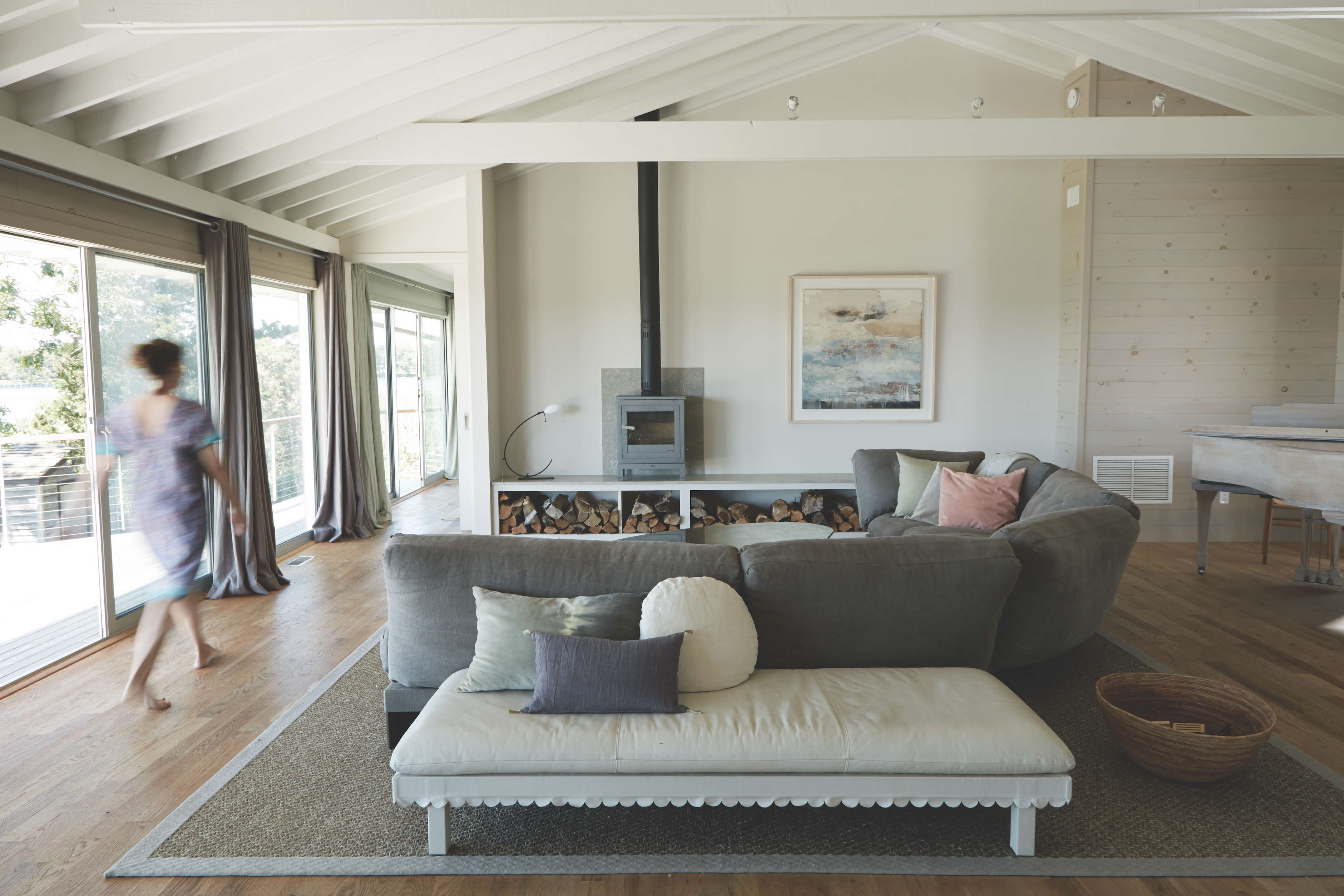
Some furniture earns attention by shouting. Ochre’s Leather Bench does it by sitting there looking impossibly composed, like it knows the difference between “minimal” and “I forgot to decorate.” With its low, sculptural profile, upholstered frame, and generous leather cushion, this bench occupies that rare sweet spot between practical seating and collectible design.
Whether you are furnishing an entryway, styling the foot of a bed, creating a relaxed living room, or looking for a statement daybed alternative, Ochre’s Leather Bench offers a lesson in quiet luxury: use exceptional materials, edit ruthlessly, and let the details do the talking. Or, in this case, let the leather do the talking. Leather is very chatty when it is good.
What Is Ochre’s Leather Bench?
Ochre’s Leather Bench is a low upholstered bench designed around proportion, texture, and comfort rather than decorative excess. An archived product listing describes it as a traditionally upholstered beech-frame bench with a webbed base, upholstered legs, and a foam-filled leather seat pad. The listed dimensions are approximately 78 inches wide, 28 inches deep, and 13 inches high, placing it closer to a refined lounge bench or daybed than a typical narrow entryway perch.
That scale is important. At nearly six and a half feet wide, this is not a “drop your tote bag here” bench. It is a piece that can anchor a room. The low seat height creates a relaxed, almost floor-level feeling, while the broad surface gives it a lounge-ready personality. In the right setting, it can feel like a compact sofa, a polished daybed, or the world’s most elegant excuse to avoid sitting in a regular chair.
Remodelista has featured the bench in a Shelter Island retreat, where it appeared as a scalloped daybed paired with Ochre’s Eternal Dreamer Modular Sofa. The placement demonstrated one of the bench’s strongest qualities: it can add sculptural softness to a room without competing with architecture, light, or a dramatic view.
Why the Design Still Feels Special
It Uses Shape Instead of Noise
Many luxury benches try to announce themselves with carved wood, oversized hardware, dramatic tufting, or enough brass to make a small yacht nervous. Ochre’s Leather Bench takes a calmer route. Its appeal comes from its long, low silhouette, soft upholstery, and tailored construction.
The bench is visually quiet, but it is not boring. That distinction matters. Boring furniture disappears because it has nothing to say. Quiet furniture disappears only until the light hits it correctly, someone notices the subtle curve of the upholstery, or a hand brushes against the leather. Then suddenly it becomes the most interesting object in the room.
Leather Gives the Bench Its Personality
Leather is one of the few upholstery materials that changes with use instead of simply wearing out. Natural variations, light creasing, and a softening surface can give a leather bench more character over time. Crate & Barrel notes that natural leather often features individual markings and develops greater visual character as it ages.
On Ochre’s Leather Bench, leather is not just a finish. It becomes the focal point. A smooth black leather version can lean architectural and modern. Brown leather can feel warmer and more relaxed. Putty, gray, or muted neutral tones can make the bench look almost like a sculpture carved from shadow and sand.
It Balances Softness With Structure
The combination of a beech frame, webbed support, leather cushion, and upholstered base gives the bench a useful contrast: it has enough softness to invite lounging, but enough structure to remain elegant. That balance is what separates a serious designer bench from a pile of pillows having an identity crisis.
Where Ochre’s Leather Bench Works Best
In a Living Room
In a living room, this leather bench works beautifully opposite a sofa, beneath a large window, or floating between seating areas. Its low profile helps preserve sightlines, especially in rooms with glass walls, fireplaces, or art that deserves room to breathe.
Use it as a flexible seating piece rather than a second sofa. It can accommodate guests during a gathering, hold a tray of coffee-table books, or serve as a soft landing spot for someone who says, “I’ll only stay for five minutes,” and then somehow remains through dessert.
At the Foot of a Bed
A leather bench at the foot of a bed can add polish without making a bedroom feel overly formal. Ochre’s low height makes it especially suited to platform beds, upholstered beds, or rooms with a modern, relaxed aesthetic.
Pair it with linen bedding, a textured wool rug, and a simple bedside lamp. Avoid overloading it with decorative pillows. One folded throw or a single lumbar cushion is enough. The bench already has a job. It does not need to become a tiny storage unit for every pillow in the house.
In an Entryway or Hallway
Although the bench is larger than many standard entry benches, it can make a striking first impression in a wide foyer or long hallway. Benches are especially useful in entryways because they provide a place to sit while putting on shoes, create a practical landing spot for bags, and help anchor the room visually.
For a polished entryway composition, place the bench beneath a large mirror or a restrained piece of art. Add a narrow rug or runner to define the zone, then keep the surrounding area clear. A beautiful bench should be admired, not used as a coat mountain.
As a Daybed-Style Lounge Piece
The deep proportions of Ochre’s Leather Bench make it especially compelling as a daybed-style seat. In a library, sunroom, dressing room, or quiet corner of a living space, it can become a personal retreat for reading, stretching out, or pretending to read while scrolling on your phone.
Layer a soft wool blanket and one or two oversized pillows in linen, mohair, or brushed cotton. The contrast between leather and tactile textiles will make the piece feel more livable and less like it belongs behind velvet ropes.
How to Style a Leather Bench Without Overdoing It
Pair It With Natural Materials
Leather works especially well with natural materials because each one brings a different kind of texture. Consider oak, walnut, limestone, plaster, linen, wool, brushed brass, blackened steel, or hand-thrown ceramics.
A brown leather bench beside pale oak feels warm and organic. Black leather with travertine or dark-painted walls feels moody and architectural. A muted gray leather bench paired with cream wool, pale wood, and soft lighting can create a room that feels calm without drifting into “waiting area at a luxury dentist” territory.
Use Contrast Thoughtfully
Leather benefits from contrast. If the bench is dark, surround it with lighter walls, airy textiles, or a pale rug. If the leather is light or neutral, use darker accents such as charcoal art, walnut furniture, bronze lighting, or deep green upholstery.
The goal is not to match everything perfectly. Perfect matching can make a room feel like it was assembled by a showroom robot. Instead, build a palette of related tones: tobacco leather with rust, olive, cream, and walnut; black leather with warm white, brass, and espresso wood; putty leather with stone, oatmeal linen, and charcoal accents.
Keep Accessories Minimal
One of the fastest ways to weaken a sculptural bench is to cover every inch of it with pillows, trays, magazines, candles, and decorative objects that have apparently formed a committee. Let the bench remain visible.
A simple styling formula works well: one textile, one cushion, one nearby object. For example, drape a woven throw over one corner, add a small lumbar pillow, and place a ceramic floor lamp or low side table nearby. That is enough visual interest without turning the bench into a lifestyle catalog explosion.
Leather Bench Care: Keep the Patina, Skip the Panic
A leather bench can age beautifully, but it still needs reasonable care. Dust should be removed regularly with a soft, dry cloth or vacuum attachment, and spills should be addressed promptly before moisture or oils settle into the leather. Direct sunlight and nearby heat sources can contribute to fading, drying, and cracking over time.
Be cautious with cleaning products. Harsh chemicals, bleach, ammonia, acetone, alcohol-based cleaners, and abrasive scrubbers can damage leather finishes or strip away protective oils. A manufacturer-approved leather cleaner or professional leather-care service is generally the safest route for deeper cleaning.
For a bench with nubuck, suede-like finishes, specialty dyes, or custom leather, always follow the manufacturer’s instructions first. Leather care is not a place for experimental chemistry. Your bench should develop patina, not become a science fair project.
How Ochre’s Leather Bench Fits Into Modern Interior Design
Ochre’s approach works because it embraces a version of luxury that feels tactile rather than flashy. The bench is not about logos, decorative clutter, or trend-chasing. It is about material quality, generous scale, and a silhouette that can outlast fast-moving design cycles.
This makes it especially relevant for homes that blend modern, organic, transitional, and European-inspired interiors. It can work with a Scandinavian-style room full of pale wood and soft textiles. It can also hold its own in a darker, more dramatic space with plaster walls, antique mirrors, and bronze lighting.
Ochre’s broader design philosophy also emphasizes high-quality materials and made-to-order production in selected finishes, while noting the use of FSC-approved woods, by-product leathers, natural fibers, and other traceable materials. That material-first mindset is visible in the bench itself: it is designed to feel substantial, not disposable.
Is Ochre’s Leather Bench Worth the Investment?
For the right buyer, yes. This is not a bargain furniture purchase, and it should not be evaluated like one. The appeal lies in its proportions, upholstery work, material quality, and ability to serve multiple functions over time.
A well-designed leather bench can move from an entryway to a bedroom, from a living room to a library, or from one home to another without losing relevance. That flexibility matters. A trendy accent chair may become dated in three years. A substantial leather bench with a clean silhouette has a much better chance of becoming part of the furniture you keep.
Before purchasing a piece in this category, consider the following: measure the room carefully, confirm the depth and seat height, request leather samples, ask about custom upholstery options, verify delivery access, and think about how the bench will age in your home. If it will live beside sunny windows, under wet coats, or within reach of a large dog with ambitious paws, plan accordingly.
The best luxury furniture does not merely fill an empty space. It changes how a room feels. Ochre’s Leather Bench succeeds because it offers comfort, restraint, and visual confidence in one long, low, beautifully upholstered package.
Design Experiences: Living With the Idea of Ochre’s Leather Bench
Imagine walking into a living room early in the morning, before the coffee has done its legal duty and before the house has fully decided what kind of day it wants to have. Light moves across the floor, the room is quiet, and Ochre’s Leather Bench sits near the window like a calm invitation. It does not demand attention. It simply offers a place to land.
That is the most appealing experience of a leather bench like this: it changes the rhythm of a room. A chair asks you to sit properly. A sofa often asks you to commit. A low leather bench says, “Sit for a minute. Stretch out. Put your book down. Stay longer than planned.” It has the casual usefulness of a bench but the comfort of a lounge piece.
In an entryway, the experience is different. You arrive home carrying a bag, a jacket, and perhaps an emotional attachment to three pieces of mail you have no intention of opening. The bench becomes a practical pause point. You can sit to remove shoes, set down a tote, or wait while someone finds the keys they were holding thirty seconds ago. Because the bench is low and generous, it makes a transitional space feel less like a hallway and more like a room with purpose.
In a bedroom, the bench creates a small ritual. It becomes the place where you lay out tomorrow’s clothes, fold a blanket, or sit while deciding whether you are going out or becoming one with the duvet. Leather gives this daily use a feeling of permanence. It looks better when paired with rumpled linen, wool, wood, and objects that tell a story.
The texture is part of the experience, too. Smooth leather catches light differently throughout the day. In the morning it can look crisp and tailored. By late afternoon it becomes warmer, deeper, and more relaxed. Over time, subtle creases and softened edges make it feel less like a showroom piece and more like part of the household.
There is also a social quality to a long bench. During a gathering, people tend to perch on it casually. Someone sits at one end with a drink. Another person leans against the opposite side while talking. A child climbs onto it with a book. A dog immediately assumes it was purchased exclusively for them. The bench becomes useful without taking over the room.
That is ultimately why Ochre’s Leather Bench works so well as a design idea. It is sculptural, but not precious. It is luxurious, but not loud. It can hold a room together while still allowing people to live in it. In other words, it has the rarest quality in furniture: it looks expensive without acting like it is too important to sit on.