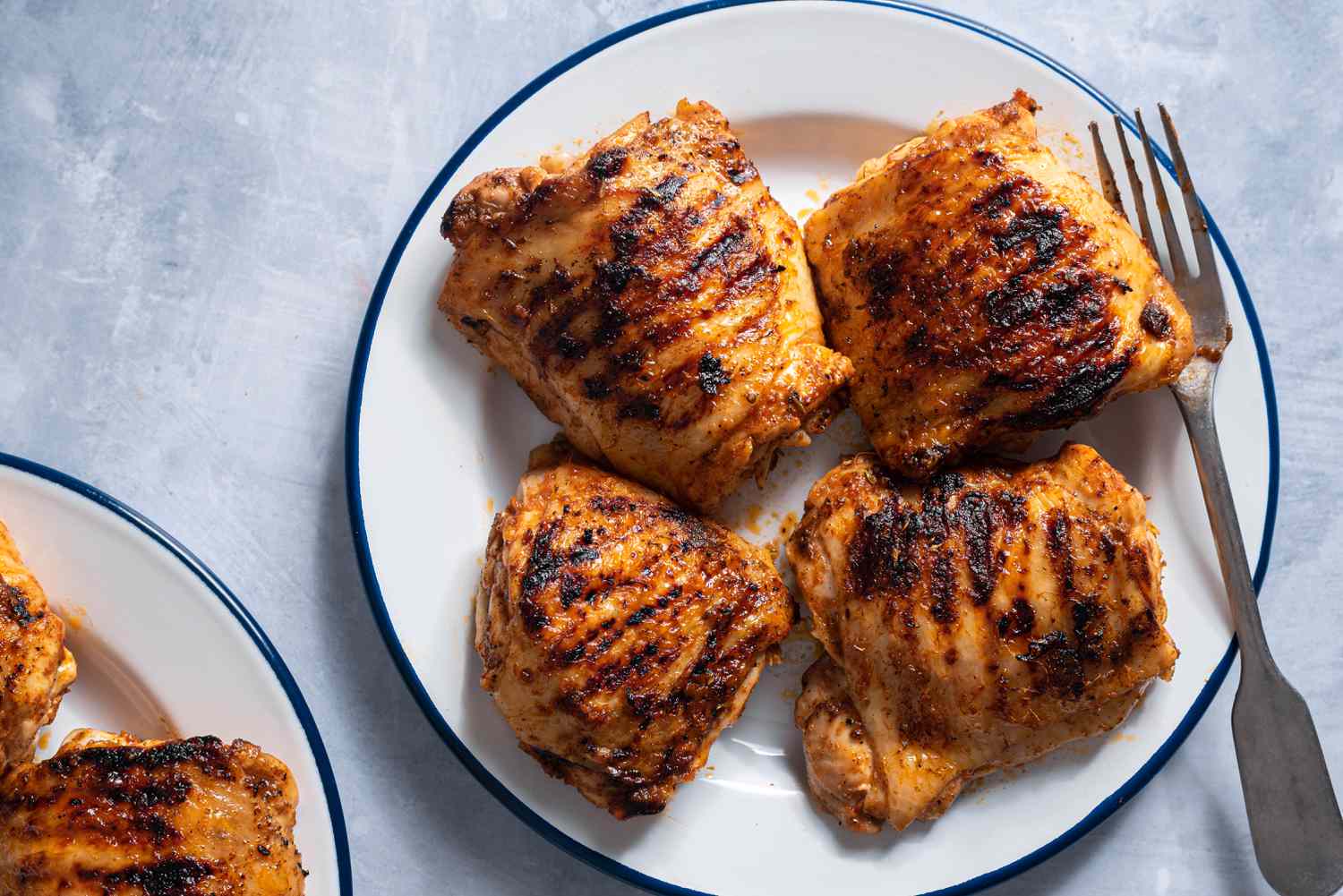
Some sauces politely sit on the plate. Caribbean chicken sauce walks in wearing sunglasses, turns up the music, and asks why dinner is so quiet. This bold, sunny sauce brings together the flavors people love in Caribbean cooking: citrus, ginger, garlic, thyme, allspice, brown sugar, chile heat, and a little tropical sweetness. It is bright enough for grilled chicken, rich enough for baked thighs, and lively enough to rescue leftover rotisserie chicken from becoming “sad fridge poultry.”
This Caribbean chicken sauce recipe is designed for real home cooks. You do not need a wood-fired drum grill, a suitcase full of rare spices, or a grandmother from Kingston whispering secrets over your shoulder. You only need a blender, a saucepan, a few pantry ingredients, and a willingness to let sweet, spicy, tangy, and savory flavors become best friends. The result is a versatile sauce that works as a marinade, glaze, dipping sauce, simmer sauce, or finishing drizzle.
Caribbean cuisine is wonderfully diverse, influenced by African, Indigenous, Indian, European, Chinese, and Middle Eastern cooking traditions across the islands. That means there is no single “Caribbean chicken sauce,” and that is good news. This version takes inspiration from Jamaican jerk flavors, tropical fruit glazes, coconut-lime sauces, and brown stew-style seasoning. It is not trying to replace anyone’s family recipe. It is here to help you make juicy, flavorful chicken with a sauce that tastes like vacation remembered your address.
What Is Caribbean Chicken Sauce?
Caribbean chicken sauce is a bold, aromatic sauce used to season, marinate, baste, or finish chicken. It usually balances four main flavor groups: heat, sweetness, acidity, and warm spice. In many Caribbean-style chicken recipes, you will see ingredients such as Scotch bonnet peppers, habanero peppers, scallions, garlic, thyme, ginger, lime juice, vinegar, brown sugar, soy sauce, allspice, cinnamon, nutmeg, pineapple juice, orange juice, coconut milk, or molasses.
The secret is balance. Too much chile and your guests will smile bravely while looking for emergency yogurt. Too much sugar and the sauce turns into dessert wearing a chicken costume. Too much acid and it tastes sharp instead of refreshing. The best Caribbean chicken sauce gives you a little fire, a little fruit, a little earthiness, and enough savory depth to keep everyone going back for “just one more bite.” Famous last words, especially near a plate of drumsticks.
Why This Caribbean Chicken Sauce Recipe Works
This recipe uses a two-step method. First, fresh aromatics and spices are blended into a smooth sauce. Then the sauce is gently simmered to concentrate the flavor and mellow the raw bite of onion, garlic, and ginger. Simmering also helps the brown sugar dissolve, the spices bloom, and the texture become glossy enough to cling to chicken instead of sliding away like it has somewhere better to be.
The sauce is also flexible. You can make it fiery with Scotch bonnet pepper, medium-spicy with jalapeño, or mild with sweet bell pepper and just a pinch of cayenne. You can keep it thick for glazing grilled chicken or thin it with a splash of chicken broth, pineapple juice, or coconut milk for a saucier skillet meal. It is weeknight-friendly but flavorful enough for cookouts, family gatherings, meal prep, and any dinner where plain chicken simply refuses to inspire applause.
Caribbean Chicken Sauce Ingredients
Below is the ingredient list for about 1 1/2 cups of sauce, enough for 2 to 3 pounds of chicken. If you love extra sauce for rice, plantains, vegetables, or dipping, double the recipe. Nobody has ever complained about too much good sauce. At least nobody fun.
Main Ingredients
- 1/2 cup pineapple juice: Adds tropical sweetness and helps round out the chile heat.
- 1/4 cup fresh lime juice: Brightens the sauce and balances the sugar.
- 2 tablespoons apple cider vinegar: Gives the sauce tang and helps it work as a marinade.
- 2 tablespoons soy sauce: Adds saltiness and savory depth. Use low-sodium if preferred.
- 2 tablespoons brown sugar: Creates caramel-like sweetness and helps the sauce glaze beautifully.
- 1 tablespoon olive oil or neutral oil: Helps carry the spices and smooth the texture.
- 4 scallions, chopped: A classic aromatic base for island-style sauces.
- 3 garlic cloves: Adds the bold backbone every good chicken sauce needs.
- 1 tablespoon fresh ginger, grated: Brings warmth, brightness, and a gentle bite.
- 1 Scotch bonnet pepper or habanero pepper: Use with caution. Remove seeds for less heat.
- 1 teaspoon ground allspice: Essential for Caribbean-style warmth and depth.
- 1 teaspoon dried thyme or 1 tablespoon fresh thyme leaves: Earthy, herbal, and deeply aromatic.
- 1/2 teaspoon smoked paprika: Adds color and a subtle grilled flavor.
- 1/4 teaspoon cinnamon: Just enough to create warmth without making the sauce taste like pie.
- 1/4 teaspoon nutmeg: Adds complexity and a gentle sweet-spice note.
- 1/2 teaspoon black pepper: Sharpens the seasoning.
- 1/2 teaspoon kosher salt, plus more to taste: Adjust at the end because soy sauce already adds salt.
- Optional: 2 tablespoons coconut milk: Makes the sauce creamier and slightly gentler.
- Optional: 1 tablespoon dark rum or molasses: Adds deeper sweetness and a richer island-style finish.
Choosing the Right Pepper
Scotch bonnet pepper gives Caribbean chicken sauce its signature fruity heat. It is hot, but it also has a tropical aroma that makes it more than just a fire alarm with seeds. Habanero is a good substitute because it has similar heat and fruitiness. For a milder sauce, use half a pepper, remove the seeds and inner ribs, or replace it with jalapeño. For a family-friendly version, skip the hot pepper and add a pinch of cayenne at the end only if needed.
When handling Scotch bonnet or habanero peppers, wear gloves if you can. If you forget and then rub your eye, you will discover a new dance style called the Kitchen Regret Shuffle. Wash your hands, knife, and cutting board well after prepping hot peppers.
How to Make Caribbean Chicken Sauce
Step 1: Blend the Sauce
Add pineapple juice, lime juice, apple cider vinegar, soy sauce, brown sugar, oil, scallions, garlic, ginger, hot pepper, allspice, thyme, smoked paprika, cinnamon, nutmeg, black pepper, and salt to a blender or food processor. Blend until mostly smooth. A few tiny green flecks from the scallions are fine; they give the sauce character. We like character. We are not making beige wallpaper.
Step 2: Simmer for Better Flavor
Pour the blended sauce into a small saucepan. Bring it to a gentle simmer over medium-low heat. Cook for 8 to 12 minutes, stirring often, until slightly thickened and fragrant. The sauce should smell sweet, spicy, citrusy, and savory. If it smells like you want to dip a spoon into it immediately, congratulations, your kitchen is now doing its job.
Step 3: Adjust the Taste
Taste carefully. Add more lime juice if the sauce feels too sweet, more brown sugar if it is too sharp, more salt if it tastes flat, or a splash of pineapple juice if it is too thick. For a creamier version, stir in coconut milk during the last 2 minutes of simmering. For a deeper glaze, add dark rum or molasses and simmer until glossy.
Step 4: Use It with Chicken
Use half of the sauce as a marinade and reserve the other half for basting or serving. If raw chicken touches the sauce, do not use that same sauce as a finishing sauce unless you boil it thoroughly first. For food safety, chicken should reach an internal temperature of 165 degrees Fahrenheit. A thermometer is not fancy; it is the tiny kitchen referee that keeps everyone safe.
How to Use Caribbean Chicken Sauce
As a Marinade
Place 2 to 3 pounds of chicken thighs, drumsticks, wings, or breasts in a glass dish or zip-top bag. Add enough Caribbean chicken sauce to coat the chicken well. Cover and refrigerate for at least 1 hour. For deeper flavor, marinate bone-in thighs or drumsticks for 6 to 12 hours. Chicken breasts need less time because they are leaner and can become mushy if left too long in an acidic marinade.
As a Grilling Glaze
Grill chicken over medium heat, turning occasionally. Brush with reserved sauce during the final 5 to 10 minutes of cooking. Do not glaze too early because the sugar in the sauce can burn. A little char is delicious. A blackened sugar crust that tastes like a campfire accident is less charming.
As a Skillet Sauce
Sear seasoned chicken thighs in a skillet until golden. Pour in the sauce, reduce the heat, cover, and simmer until the chicken is cooked through. Add a splash of chicken broth or coconut milk if you want a looser sauce. Serve over rice, peas and rice, mashed sweet potatoes, or roasted vegetables.
As a Dipping Sauce
Simmer the sauce until thick, then cool slightly and serve it with grilled wings, chicken tenders, roasted potatoes, fried plantains, shrimp, or vegetable skewers. It also makes an excellent sandwich spread when mixed with a spoonful of mayonnaise or Greek yogurt.
Best Chicken Cuts for Caribbean Chicken Sauce
Chicken thighs are the most forgiving choice. They stay juicy, soak up bold flavors, and handle grilling or simmering beautifully. Drumsticks are great for cookouts because they are inexpensive, fun to eat, and naturally built with their own little handle. Wings are perfect for parties, especially when tossed with extra sauce after grilling or baking. Chicken breasts work too, but they need gentle cooking and careful timing because they can dry out quickly.
Bone-in, skin-on chicken gives the richest flavor and the best texture for grilled or roasted versions. Boneless chicken works well for quick skillet dinners, bowls, wraps, and meal prep. If using boneless breasts, pound them to even thickness before cooking so one end does not turn dry while the other end is still deciding what it wants to be.
Serving Ideas for Caribbean Chicken Sauce
Caribbean chicken sauce loves bold side dishes. Serve saucy chicken with coconut rice, rice and peas, roasted sweet potatoes, grilled corn, sautéed cabbage, mango salsa, cucumber salad, fried plantains, or black beans. For a lighter meal, slice the chicken over a salad with avocado, red onion, pineapple, and a lime vinaigrette. For comfort food, tuck the chicken into warm tortillas with slaw and extra sauce. Caribbean chicken tacos may not be traditional, but they disappear very traditionally.
You can also make a chicken bowl with rice, beans, grilled peppers, fresh cilantro, lime wedges, and a drizzle of extra sauce. The sauce’s sweet heat pairs especially well with creamy ingredients, so do not be afraid to add avocado, sour cream, coconut yogurt, or a mild slaw to cool things down.
Flavor Variations
Creamy Coconut Caribbean Chicken Sauce
Add 1/3 cup coconut milk after blending and simmer gently until slightly thickened. This version is excellent for skillet chicken, shrimp, and rice bowls. Coconut milk softens the heat and gives the sauce a velvety texture.
Pineapple-Mango Caribbean Sauce
Add 1/4 cup chopped ripe mango before blending. The sauce becomes fruitier, thicker, and slightly sweeter. This is a great option for grilled chicken breasts, kebabs, and summer cookouts.
Extra-Spicy Jerk-Style Sauce
Use 2 Scotch bonnet peppers, increase the allspice to 1 1/2 teaspoons, and add a pinch of ground cloves. This version is bold, smoky, and spicy enough to make your forehead glisten with purpose.
Brown Stew-Inspired Sauce
Add 1 tablespoon ketchup, 1 teaspoon browning sauce, and 1 tablespoon molasses. Simmer until rich and dark. This version is wonderful with bone-in chicken thighs and steamed rice.
Storage and Make-Ahead Tips
Store cooled Caribbean chicken sauce in an airtight container in the refrigerator for up to 5 days. For longer storage, freeze it in small portions for up to 3 months. Ice cube trays are useful for freezing little sauce portions that can be added to soups, rice, beans, or quick chicken skillets.
If making the sauce ahead for a party, prepare it one or two days in advance. The flavor deepens as it rests, and the spices become smoother. Reheat gently before using as a glaze or simmer sauce. If the sauce thickens too much in the refrigerator, loosen it with a splash of pineapple juice, water, broth, or coconut milk.
Common Mistakes to Avoid
Using Too Much Hot Pepper Too Soon
You can always add heat, but you cannot easily remove it. Start with less chile if you are unsure. After simmering, taste and adjust with cayenne, hot sauce, or another small piece of pepper if needed.
Skipping the Simmer
Raw blended sauce can taste sharp and aggressive. Simmering helps the ingredients settle into one balanced flavor. Think of it as sauce therapy.
Glazing Too Early
Sugary sauces can burn on the grill. Brush this Caribbean chicken sauce on during the final part of cooking, not at the beginning. Use indirect heat when possible for bone-in chicken.
Forgetting Salt Balance
Because soy sauce is salty, add extra salt only after simmering and tasting. A sauce can go from perfectly seasoned to ocean cosplay very quickly.
Caribbean Chicken Sauce Recipe Card
Ingredients
- 1/2 cup pineapple juice
- 1/4 cup fresh lime juice
- 2 tablespoons apple cider vinegar
- 2 tablespoons soy sauce
- 2 tablespoons brown sugar
- 1 tablespoon olive oil or neutral oil
- 4 scallions, chopped
- 3 garlic cloves
- 1 tablespoon fresh grated ginger
- 1 Scotch bonnet or habanero pepper, seeded for less heat
- 1 teaspoon ground allspice
- 1 teaspoon dried thyme or 1 tablespoon fresh thyme
- 1/2 teaspoon smoked paprika
- 1/4 teaspoon cinnamon
- 1/4 teaspoon nutmeg
- 1/2 teaspoon black pepper
- 1/2 teaspoon kosher salt, plus more to taste
- Optional: 2 tablespoons coconut milk
- Optional: 1 tablespoon dark rum or molasses
Instructions
- Add all ingredients except coconut milk, rum, or molasses to a blender.
- Blend until mostly smooth.
- Pour into a saucepan and simmer over medium-low heat for 8 to 12 minutes.
- Stir in coconut milk, rum, or molasses if using, then simmer for 2 more minutes.
- Taste and adjust with lime juice, salt, brown sugar, or pineapple juice.
- Use as a marinade, glaze, simmer sauce, or dipping sauce for chicken.
Experience Notes: Cooking with Caribbean Chicken Sauce at Home
The first time you make Caribbean chicken sauce, the biggest surprise is how quickly the kitchen starts smelling like a cookout, even if you are standing beside a regular stove in regular socks on a regular Tuesday. The garlic hits first, then the ginger, then the allspice and thyme show up like they brought steel drums. By the time the pineapple juice and lime start simmering, the sauce has already made a strong argument for why plain chicken should be considered a missed opportunity.
One of the best practical experiences with this recipe is learning how the same sauce changes depending on the cooking method. On grilled chicken thighs, it becomes smoky, sticky, and slightly charred at the edges. In a skillet, it turns glossy and spoonable, perfect for dragging through rice. On wings, it becomes a party sauce, the kind that makes people hover near the tray pretending they are “just checking what is left.” On baked chicken, it caramelizes beautifully if you brush on a little extra near the end.
The sauce is also a useful teacher of balance. If it tastes too spicy, coconut milk softens it. If it tastes too sweet, lime juice wakes it up. If it tastes too sharp, brown sugar calms it down. If it tastes flat, salt or soy sauce brings the flavors forward. Once you understand that sweet, heat, acid, and salt are the four steering wheels of this sauce, you can adjust it confidently without panicking or calling the nearest takeout place.
Another helpful experience is making extra sauce on purpose. A small jar in the refrigerator can turn ordinary leftovers into something exciting. Spoon it over shredded chicken for sandwiches, stir it into rice, brush it on roasted vegetables, mix it with mayo for a spicy spread, or drizzle it over grilled shrimp. It is especially good with sweet potatoes and plantains because the sauce’s acidity and chile heat balance their natural sweetness.
For gatherings, this sauce is a conversation starter. Some people will ask if it is jerk sauce. The honest answer is that it is jerk-inspired, but it also borrows from the broader Caribbean flavor family. That matters because Caribbean food is not one single flavor. It is a whole neighborhood of flavors: smoky, fruity, herbal, peppery, tangy, rich, and bright. This sauce gives home cooks an approachable way to enjoy that spirit while still leaving room for personal taste.
My favorite way to use it is on bone-in chicken thighs. Marinate them for a few hours, grill them slowly, and brush with reserved sauce during the last few minutes. Let the chicken rest, then serve it with coconut rice, cucumber salad, and lime wedges. The rice catches the sauce, the cucumber cools the heat, and the lime adds a final sparkle. It is simple food, but it feels generous. That is the magic of a good Caribbean chicken sauce recipe: it makes dinner feel like an occasion without requiring a ceremony.
Note: For safe cooking, always make sure chicken reaches an internal temperature of 165 degrees Fahrenheit, and never reuse marinade that has touched raw chicken unless it has been boiled thoroughly.
Conclusion
This Caribbean chicken sauce recipe is bold, flexible, and easy enough for weeknights but exciting enough for cookouts. With pineapple juice, lime, ginger, garlic, thyme, allspice, brown sugar, and chile heat, it brings sweet, spicy, tangy, and savory flavors together in one bright sauce. Use it as a marinade, glaze, dipping sauce, or skillet sauce, and adjust the heat to match your table. Whether you serve it with rice and peas, grilled vegetables, plantains, or a crisp salad, this sauce has one clear mission: make chicken taste like it finally booked a vacation.