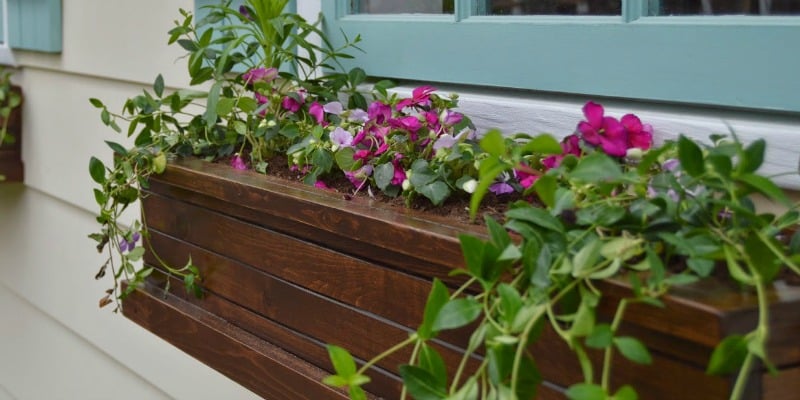
A good DIY planter does more than hold soil. It turns an empty porch corner into a tiny jungle, gives sad-looking herbs a proper home, and proves that a forgotten crate, bucket, or piece of lumber may still have a second career ahead of it. Whether you have a balcony the size of a yoga mat or a backyard begging for personality, these DIY planter tutorials offer creative ways to grow flowers, herbs, vegetables, succulents, and houseplants without spending your entire gardening budget before buying the plants.
The best part? You do not need a workshop full of intimidating machinery or the confidence of a reality-TV carpenter. Many projects use simple materials, basic hand tools, and items that may already be hiding in your garage. The main rule is wonderfully unglamorous but essential: make sure your planter has drainage. Plants enjoy water, but most do not want to live in a bathtub.
Before You Start Any DIY Planter Project
Before choosing a tutorial, think about where the planter will live and what it will grow. A massive wooden planter is great for a sunny deck but may be wildly impractical on a small apartment balcony. A decorative cachepot may look excellent indoors, but it should either contain a nursery pot with drainage or allow you to remove the plant for watering.
For most container plants, choose a planter with at least one drainage hole, use lightweight potting mix instead of dense garden soil, and leave a little space below the rim for watering. Large planters can become extremely heavy when filled with wet soil, so consider wheels, a plant caddy, or lightweight filler placed well below the root zone. Match the plant to the amount of sun the location receives. A sun-loving tomato will not become thrilled simply because you gave it a cute painted pot.
Basic DIY Planter Supply Checklist
- Planter material, such as wood, terra-cotta, concrete, metal, baskets, or recycled containers
- Drill and suitable drill bit for drainage holes
- Exterior screws, wood glue, brackets, or weatherproof adhesive when needed
- Potting mix designed for containers
- Exterior paint, stain, sealer, or waterproof liner for outdoor projects
- Work gloves, eye protection, and a measuring tape
Easy DIY Planter Tutorials for Beginners
1. Painted Terra-Cotta Pot Planter
Plain terra-cotta pots are the sweatpants of the gardening world: dependable, affordable, and ready to be dressed up. Clean the pot, let it dry completely, then use outdoor-safe paint to create stripes, checkerboards, color blocks, dots, or a modern abstract design. Seal only the exterior if needed, and keep the drainage hole open. This is an easy weekend craft that can make a mismatched collection look intentional.
2. Rope-Wrapped Indoor Planter
Turn a plain nursery pot into a warm, textured planter by wrapping cotton rope, jute, or twine around the outside. Apply hot glue in small sections and keep the rope tight as you work upward. Use this planter as a decorative cover pot indoors, especially for snake plants, pothos, or trailing philodendrons. Keep the actual plant in a separate plastic pot so watering does not turn your rope masterpiece into a soggy muffin.
3. Upcycled Tin Can Herb Planters
Large food cans can become cheerful herb planters with very little effort. Remove labels, smooth any sharp edges, punch or drill drainage holes, and paint the outside. Label each one with basil, parsley, mint, chives, or whatever herb you are most likely to forget exists until a recipe demands it. Arrange them on a sunny kitchen windowsill or patio shelf.
4. Tea Cup Succulent Planter
A chipped teacup that is no longer suitable for guests can become a charming succulent container. Because drilling ceramic can be tricky, use it as a cachepot around a small nursery pot with drainage. Fill it with a compact succulent, mini cactus, or faux plant if the cup has no drainage option. This tutorial is tiny, giftable, and surprisingly effective at making a bookshelf feel less serious.
5. Mason Jar Propagation Station
Mason jars are perfect for rooting pothos, philodendron, lucky bamboo, and many other cuttings in water. Mount several jars to a reclaimed wood board using metal hose clamps, then hang the board near bright indirect light. This is technically more propagation station than planter, but it earns a place in the lineup because watching roots grow feels like botanical reality television.
6. Fabric Grow Bag Planter
Sew simple grow bags from heavy landscape fabric, canvas, or premade fabric grow-bag material. Add sturdy handles if you plan to move them. These soft-sided planters work well for potatoes, herbs, lettuce, peppers, and patio tomatoes. They are lightweight, easy to store between seasons, and much less likely to shatter than a ceramic pot during an accidental collision with a patio chair.
7. Basket Cachepot Planter
A woven basket can instantly make a basic houseplant look styled rather than merely adopted. Place a saucer and nursery pot inside the basket, making sure the plant can be removed for watering. This works especially well for floor plants such as palms, fiddle-leaf figs, rubber plants, and large pothos. Avoid planting directly into an unlined basket unless you enjoy water stains and mystery mildew.
8. Painted Plastic Pot Makeover
Old plastic nursery pots can look much better with a little sanding, primer, and outdoor paint. Try a monochrome color palette for a clean modern display, or paint house numbers on larger pots for a front-porch arrangement. This is one of the cheapest DIY planter ideas because the container is often free with a plant purchase.
9. Coconut Shell Hanging Planter
A cleaned coconut shell can be turned into a small hanging planter for air plants, trailing succulents, or compact ferns. Drill drainage holes in the bottom and three evenly spaced holes near the rim for cord or twine. Keep the planter light, because a heavy coconut swinging indoors is less “tropical retreat” and more “unexpected ceiling hazard.”
Wood DIY Planter Tutorials for Porches, Decks, and Patios
10. Simple Cedar Planter Box
Cedar is a favorite for outdoor DIY planter boxes because it naturally handles moisture better than many untreated woods. Build a basic rectangle from cedar boards, reinforce the corners with screws, and add a bottom with drainage holes. For a polished look, attach trim boards around the top edge. Use a plastic liner with drainage openings if you want to protect the wood from constantly wet soil.
11. Modern Slatted Wood Planter
Create a high-end look with evenly spaced vertical slats attached around a simple inner planter box. The outer slat frame gives the planter dimension and texture while the inner box does the muddy work. Paint it black, stain it warm walnut, or keep it natural for a Scandinavian-inspired patio style.
12. Wooden Window Box Planter
Window boxes instantly add curb appeal, especially when planted with a mix of trailing, mounding, and upright flowers. Build a long rectangular box from rot-resistant lumber, drill drainage holes along the bottom, and use strong mounting brackets rated for the weight. Add petunias, sweet potato vine, calibrachoa, or herbs for a display that makes your windows look like they have excellent hobbies.
13. Railing Planter Box
A railing planter can be designed to straddle a deck or porch railing, creating planting space without taking up floor area. Build two narrow boxes connected by braces that fit securely around the railing. Always measure your railing before cutting lumber. “Close enough” is not a measurement, particularly when gravity is involved.
14. Ladder Shelf Planter
Repurpose an old wooden ladder or build a simple leaning shelf with wide steps for pots. Use it to display herbs, succulents, flowering annuals, or small houseplants. This vertical planter idea is especially useful for balconies and narrow patios where floor space is precious.
15. Crate Planter on Wheels
Turn a sturdy wooden crate into a mobile planter by adding locking casters underneath. Line the crate with landscape fabric or a plastic liner with drainage holes, then fill it with herbs or flowers. Wheels make it easy to chase sunlight, move plants during storms, or rearrange your patio when you suddenly decide your outdoor space needs a makeover at 8 p.m.
16. Raised Planter with Storage Shelf
A raised planter box with a lower shelf is ideal for gardeners who do not want to kneel, squat, or perform accidental yoga while tending plants. Build the planter at waist height, then include a shelf beneath it for potting soil, hand tools, and watering cans. It is a practical option for salad greens, herbs, strawberries, and compact vegetables.
17. Privacy Screen Planter
Combine a deep planter box with a trellis or slatted privacy screen. This project works beautifully for patios where you want a little screening from neighbors without building a full fence. Plant climbing jasmine, clematis, morning glories, or a non-climbing vine appropriate for your climate. Make sure the trellis is strong enough to support mature plants and windy weather.
18. Tiered Strawberry Planter
Build a three-tier wooden planter with each level stepping inward. The design provides plenty of planting pockets while keeping fruit off the ground. Strawberries are the obvious choice, but the same structure also works for herbs, lettuce, flowers, and trailing plants. A tiered planter looks ambitious even when the build is mostly repetitive cuts and screws.
19. Bench-and-Planter Combination
Build two matching planter boxes with a wooden bench spanning between them. This creates an outdoor feature that provides seating and planting space in one project. Choose structural lumber carefully, secure the bench supports well, and use the planters to frame the entrance to a patio, firepit area, or garden path.
Creative Upcycled DIY Planter Ideas
20. Galvanized Tub Planter
Galvanized tubs are durable, roomy, and perfect for porch displays, vegetables, or seasonal flower arrangements. Drill several drainage holes in the bottom and place the tub where you want it before filling it, because a wet-soil-filled tub has approximately the portability of a small moon. Plant dwarf tomatoes, ornamental grasses, peppers, or a mix of bold annual flowers.
21. Repurposed Dresser Drawer Planter
An old dresser drawer can become a rustic patio planter. Line the inside with heavy plastic, poke drainage holes through both liner and drawer, and elevate the drawer slightly so water can escape. Use it for shallow-rooted plants, herbs, succulents, or decorative annuals. Avoid untreated wood drawers for edible crops unless you know the original finish is safe.
22. Rain Gutter Herb Planter
Mount sections of vinyl or metal rain gutter along a sunny fence, balcony rail, or exterior wall to create a narrow vertical herb garden. Add end caps, drill drainage holes, and support the gutter properly so it does not sag. This is excellent for chives, thyme, oregano, lettuce, and small trailing flowers.
23. Old Tire Planter
A worn tire can become a bold outdoor planter when cleaned and painted. Stack two tires for height or use one as a low flower bed. Because tires can retain heat, this planter is best suited to ornamental plants in an outdoor area rather than edible crops. Bright colors make the project playful; matte black can create a more modern industrial look.
24. Laundry Basket Planter
A sturdy plastic laundry basket can become a lightweight oversized planter for annual flowers, potatoes, or decorative grasses. Line it with landscape fabric to hold soil while allowing water to escape through the existing holes. This project is budget-friendly, but choose a basket without cracks and place it where it will not be knocked over by enthusiastic pets or ambitious children.
25. Colander Planter
A metal colander already comes with drainage, which makes it one of the least mysterious DIY planter materials on Earth. Line it with moss, coir, or landscape fabric, then plant trailing flowers or herbs. Hang it from chains for a quirky kitchen-garden look, or use it as a tabletop planter for succulents.
26. Vintage Toolbox Planter
A metal or wooden toolbox can become a long, shallow planter for succulents, moss, herbs, or seasonal flowers. Keep the handle intact for character, but drill drainage holes unless you use removable nursery pots inside. This project works particularly well as a porch centerpiece or rustic table arrangement.
27. Wagon Planter
An old child’s wagon, garden cart, or utility cart makes a charming movable planter. Line the base, add drainage, and plant it with flowers, pumpkins in autumn, or herbs in spring. The wheels add instant whimsy, and you can reposition the display whenever your garden starts feeling too predictable.
28. Boot or Shoe Planter
Rain boots, work boots, and even sturdy old shoes can become playful planters for small flowers or succulents. Drill drainage holes in the sole, add potting mix, and plant something compact. Place them by a front step, garden shed, or children’s play area. It is gardening with a sense of humor, which is useful because weeds have no sense of humor at all.
Advanced DIY Planter Projects Worth the Extra Effort
Concrete Planter
Concrete planters can look sleek, modern, and expensive even when made with simple molds. Use one larger container and one smaller container to form the cavity, oil the molds for easier release, and leave space for drainage holes. Wear gloves, eye protection, and a dust mask when handling dry concrete mix. Let the planter cure fully before planting, then consider sealing the exterior for durability.
Hypertufa Trough Planter
Hypertufa is a lightweight faux-stone material often made from cement, peat moss, and perlite or vermiculite. It is excellent for alpine plants, succulents, and miniature garden scenes. The result can resemble an old stone trough that has been sitting in an English garden for a century, even if you made it in your driveway last Saturday.
Self-Watering Planter
A self-watering planter uses a reservoir beneath the soil and a wicking system that draws moisture upward as needed. You can build one with plastic storage bins, buckets, PVC pipe, or nested containers. It is particularly helpful for thirsty patio vegetables and gardeners who occasionally remember watering only after the basil begins sending emotional signals.
Hanging Wood Planter with Rope
Build a simple rectangular wood planter, drill holes near the corners, and suspend it from rope or sturdy cord. Use secure ceiling hooks rated for the total weight of the planter, wet soil, and mature plant. Choose trailing plants such as pothos, string of hearts, ivy, ferns, or petunias for a dramatic cascading effect.
How to Make Your DIY Planters Last Longer
Good design is important, but durability comes down to the less glamorous details. Outdoor wood should be rot-resistant or protected with an exterior-safe finish. Add feet, blocks, or a plant stand beneath large planters so water does not constantly sit under the base. Reapply stain or sealer as needed, especially after harsh winters or long rainy seasons.
Do not rely on a thick layer of rocks at the bottom of a planter to solve drainage problems. The real solution is a drainage hole and a quality potting mix that allows excess water to escape. For decorative containers without holes, use the “pot within a pot” method: keep the plant in a nursery pot with drainage, then lift it out for watering and allow it to drain before returning it to the decorative container.
Remember that container plants dry out faster than plants in the ground, especially in hot weather. Check moisture frequently, feed plants according to their needs, and refresh potting mix when it becomes compacted or depleted. A beautiful DIY planter is only half the project. The other half is remembering that plants are living roommates with opinions.
DIY Planter Experiences: Lessons From the Soil, Sawdust, and Occasional Spilled Potting Mix
Making DIY planters teaches a funny little lesson: the project almost never goes exactly as imagined, but that is usually where the character comes from. The first planter box may have one corner that is slightly less square than the others. The paint might dry darker than it looked in the can. A perfectly measured wooden slat may somehow become mysteriously short after cutting. Yet once the planter is filled with soil and spilling over with flowers or herbs, those tiny imperfections tend to disappear. Plants are wonderfully forgiving decorators.
One of the best experiences with DIY planter projects is learning how much design can change a space. A pair of tall planters can make a plain front door feel more welcoming. A narrow railing planter can turn a small balcony into a usable garden. A simple crate on wheels can become the center of a patio because it holds a small tomato plant, basil, and marigolds all in one cheerful little ecosystem. The planter itself does not need to be fancy. It simply needs to suit the space and make growing something feel possible.
Another useful lesson is that bigger is not always better. Large planters look impressive, but they need more soil, more water, more fertilizer, and sometimes more back strength than expected. A huge planter filled with wet mix can be difficult to move even with two adults and several optimistic comments. Smaller containers are easier to rearrange, easier to experiment with, and less heartbreaking when a plant does not thrive. Starting small also gives beginners a chance to learn what light, water, and plant combinations work in their particular home.
Upcycled planters can be especially satisfying because they make use of objects that would otherwise sit unused or head for the trash. An old colander becomes a hanging flower basket. A worn crate becomes a herb garden. A discarded drawer becomes a patio focal point. These projects often cost less than buying new containers, but the bigger benefit is personality. A store-bought planter can be beautiful, but a toolbox filled with succulents tells a story before anyone even asks about it.
There is also a practical side to trial and error. Many gardeners eventually learn that drainage holes are not optional decoration. A beautiful planter without drainage can lead to root problems, sour-smelling soil, and a plant that looks deeply disappointed in everyone involved. The good news is that adding drainage is often easy with a drill, or you can use a nursery pot inside a decorative container. This one small step can save a lot of frustration and keep your plants healthier.
Woodworking planter projects bring their own kind of satisfaction. Measuring, cutting, sanding, and assembling a cedar planter box can feel intimidating at first, but the process becomes manageable when broken into small steps. Cut the boards. Build the frame. Add the bottom. Drill drainage holes. Sand rough edges. Finish the exterior. Plant something. Suddenly, you have made a functional object that may hold flowers for years. That feeling is difficult to beat, especially when a neighbor asks where you bought it and you get to say, “Actually, I made it.”
The biggest experience lesson is to choose plants that fit your lifestyle rather than trying to force yourself into a gardening personality that does not exist. If you love watering and checking leaves every morning, herbs and flowers may be perfect. If you travel often or forget plants until they start looking dramatic, self-watering planters, drought-tolerant succulents, and low-maintenance houseplants may be more realistic. A successful planter is not one that looks amazing for one photo. It is one that still looks happy several weeks later.
DIY planters also have a way of multiplying. You start with one painted terra-cotta pot, then you build a windowsill herb planter, then you see an old basket and think, “That could hold a fern.” Before long, you are inspecting every household object for drainage potential. This is normal. It is also how a home gradually becomes warmer, greener, and more personal.
Final Thoughts
These DIY planter tutorials prove that gardening does not require a perfect yard, expensive containers, or professional-level building skills. Start with one simple project, focus on drainage and plant care, and choose materials that suit your space. Whether you build a cedar planter box, paint a terra-cotta pot, turn a basket into a cachepot, or give a forgotten wagon a second life, your planter can become a useful piece of garden decor with a story behind it.
Note: Always use appropriate safety gear when drilling, cutting wood, or mixing concrete, and choose food-safe materials when growing edible plants.