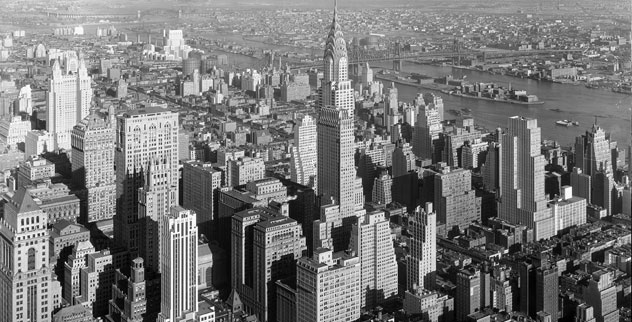
Some people hear a siren, smell hot pretzels, see traffic lights glowing like a neon jungle, and think, “Ah, home.” Other people hear one car alarm at 2:07 a.m. and begin researching cabins, goats, and whether “off-grid” includes Wi-Fi. If you belong to the second group, congratulations: you may not be a city person.
City life has plenty of advantages. It offers restaurants that deliver tacos at midnight, museums around the corner, public transit, career opportunities, concerts, coffee shops with dramatic lighting, and the thrilling possibility of becoming friends with a barista who knows your order. But urban living is not for everyone. For some, the crowds, noise, cost, pace, tiny apartments, and constant stimulation feel less like excitement and more like being trapped inside a very expensive blender.
This article breaks down the top ten signs you are not a city person, with humor, practical examples, and a little lifestyle analysis. Whether you are dreaming of country living, small-town living, suburban calm, or simply a place where parking does not require emotional support, these signs may help you understand what kind of environment fits you best.
1. You Think “Walkable Neighborhood” Means Walking to Your Own Garden
City people often love walkability. They enjoy strolling to grocery stores, cafés, parks, bars, bookstores, and restaurants. A truly committed city person can walk six blocks in the rain for a croissant and call it “character building.”
But if your idea of a perfect walk involves birds, open sky, soft dirt, and absolutely no one asking if you have a minute to talk about a new phone plan, city life may not be your natural habitat. You may prefer space that feels personal, not shared with 4,000 strangers and one extremely confident pigeon.
What this really means
You value quiet access to nature more than convenience. You may like having stores nearby, but you do not want your entire life squeezed into a five-block radius. For you, the best “amenity” might be a backyard, a porch, a trail, or a road where the loudest thing is a lawn mower.
2. You Treat Traffic Like a Personal Betrayal
Traffic is part of city life. City drivers learn to accept it, complain about it, and then somehow continue sitting in it every day. They develop mysterious coping strategies: podcasts, iced coffee, deep breathing, and occasionally shouting at a light that has no moral responsibility.
If a ten-minute delay makes you question civilization itself, you may not be a city person. If parallel parking causes your soul to temporarily leave your body, that is another clue. City life often requires patience with congestion, public transit delays, ride-share surges, parking signs written like legal documents, and the eternal question: “Is this spot legal, or will my car be towed into another dimension?”
What this really means
You prefer predictable movement. You like open roads, easy parking, and errands that do not require three apps and a backup plan. This does not make you impatient; it may simply mean your nervous system was not designed for honking at 7:45 a.m.
3. Your Dream Home Does Not Share a Wall, Floor, Ceiling, or Mystery Smell
Apartment living can be wonderful. It can also mean hearing your upstairs neighbor practice tap dancing, your downstairs neighbor adopt a trumpet, and someone in the building cook fish at a volume you can smell.
If you need elbow room, storage space, and a home that feels separate from other people’s daily routines, dense city housing may wear you down. City apartments often require compromises: smaller kitchens, limited closets, shared laundry, no private outdoor space, and the strange skill of pretending you do not hear your neighbors arguing about who forgot to buy oat milk.
Not being a city person may show up in your housing fantasies. Maybe you dream of a garage, a garden, a guest room, a workshop, a driveway, or simply a living room where the couch does not block the refrigerator. Space matters, and for some people, personal space is not a luxury. It is oxygen.
4. You Need Silence the Way Other People Need Coffee
Some urban noise is charming: street musicians, laughter from restaurants, the distant hum of life happening around you. Other noise is less charming: construction at sunrise, garbage trucks performing percussion solos, ambulance sirens, loud motorcycles, and someone having an important phone call on speaker in public.
If noise drains you quickly, city life can feel exhausting. This is especially true for people who are sensitive to sound, need quiet to sleep, or work best in calm environments. A city is rarely silent. Even when it seems quiet, there is usually a background buzz: traffic, elevators, HVAC systems, voices, dogs, buses, and the mysterious beep of a truck backing up somewhere in the universe.
What this really means
You are probably not “boring.” You may simply recharge through peace. Some people relax through stimulation; others relax through stillness. If quiet helps you think, sleep, create, and feel like a normal human instead of a startled squirrel, a slower environment may suit you better.
5. You Feel Crowded Before You Even Leave the House
Cities put people close together. That closeness creates energy, culture, opportunity, and sometimes a line for coffee so long it becomes a community event. If you love people-watching, spontaneous conversations, crowded markets, and the feeling of being surrounded by possibility, the city can be thrilling.
But if crowds make you tense, city living may feel like a daily obstacle course. Sidewalks, trains, elevators, grocery aisles, gyms, and restaurants can all become crowded. Even relaxing activities may involve reservations, tickets, waitlists, noise, and strangers standing slightly too close while pretending not to read your text messages.
You may not be a city person if you regularly think, “Why are all these people here?” while fully understanding that you, too, are one of the people.
6. You Would Rather See Stars Than Skyline
A glowing skyline can be beautiful. City lights can make even an ordinary evening feel cinematic. But if you would trade that view for stars, trees, moonlight, fireflies, or a horizon that does not include a billboard for luxury apartments, your heart may belong somewhere else.
Not everyone wants nightlife. Some people want night. Real night. Dark, calm, spacious, cricket-soundtracked night. If you feel more alive around forests, lakes, open fields, mountains, or quiet roads than packed rooftop bars, it may be a sign that urban living is not your ideal lifestyle.
What this really means
You may be drawn to natural rhythms. You might prefer sunrise walks to late-night crowds, fresh air to exhaust, and seasonal changes to concrete heat. For you, nature is not a weekend escape. It is part of feeling grounded.
7. You Consider Small Talk With Neighbors a Feature, Not a Bug
City culture can be friendly, but it is often fast and private. Many city dwellers master the art of polite non-interference. They can ride an elevator with six people and communicate entirely through eyebrow movements and floor-button etiquette.
If you enjoy knowing your neighbors, waving at familiar faces, chatting with the mail carrier, or recognizing the person who sells tomatoes at the farmers market, you may prefer a smaller community. Small-town living and rural life can offer a stronger sense of familiarity, though of course every place has its own personality.
You may not be a city person if you find anonymity less freeing and more lonely. Some people love disappearing into the crowd. Others want a place where people know their name, their dog’s name, and possibly what they bought at the hardware store last Tuesday.
8. Your Budget Breaks Into a Sweat Near Downtown Rent Prices
City living can be expensive. Housing, parking, dining, entertainment, childcare, pet services, gym memberships, and even “just grabbing coffee” can add up quickly. A city has many conveniences, but convenience often arrives with a service fee, a delivery fee, a processing fee, and a mysterious fee that seems to exist for emotional damage.
If you constantly feel that city prices are out of sync with your priorities, you may not be a city person. Maybe you would rather spend money on land, travel, tools, hobbies, animals, home projects, or savings. Maybe you do not want to pay premium rent for a kitchen counter the size of a hardcover book.
What this really means
Your preferred lifestyle may be more space-based than access-based. City dwellers often pay for proximity: near work, near restaurants, near transit, near culture. Non-city people may prefer ownership, privacy, affordability, and room to spread out.
9. You Need a Slower Pace to Feel Like Yourself
Cities move quickly. People walk fast, talk fast, order fast, work fast, and look personally offended if a revolving door slows down. That pace can be energizing. It can push creativity, ambition, and opportunity. It can also make you feel like you are always late to a meeting you never agreed to attend.
If you crave slow mornings, unhurried errands, relaxed conversations, and weekends that do not require a calendar strategy, urban life may feel too intense. You may prefer places where time stretches a little, where people linger, and where “busy” is not treated like a personality trait.
Not being a city person does not mean you lack ambition. It may mean you do your best thinking when your environment gives you breathing room. Some people thrive in momentum; others thrive in spaciousness.
10. Your Ideal Saturday Involves Dirt, Space, and Zero Reservations
City weekends often require planning. Brunch reservations, event tickets, traffic timing, parking apps, train schedules, and the emotional mathematics of whether a place will be “too crowded but worth it.” For city lovers, this is part of the fun.
For non-city people, the perfect Saturday might look different: gardening, hiking, fixing something in the garage, cooking at home, visiting a lake, watching weather roll in, grilling with friends, reading on the porch, or driving somewhere without paying $28 to park.
You may not be a city person if you feel happiest when plans are simple and space is available. A slower lifestyle can give you room for hobbies that cities often make complicated: woodworking, raising chickens, growing vegetables, owning big dogs, storing outdoor gear, or having people over without calculating square footage like a real estate agent under pressure.
How to Know Whether You Truly Dislike City Life or Just Need a Better City
Before you declare yourself allergic to urban living, it is worth asking one question: Do you dislike all cities, or do you dislike your current city setup?
Sometimes the problem is not city life itself. It might be a bad commute, a noisy apartment, a neighborhood that does not match your personality, or a schedule that leaves no time for rest. A person may hate one city and love another. A quiet neighborhood with parks, good transit, and friendly local businesses can feel very different from a loud downtown block with constant construction.
Try noticing what specifically drains you. Is it noise? Cost? Crowds? Lack of nature? Small living space? Fast pace? Once you know the real issue, you can make better decisions. You might move to a calmer neighborhood, choose a smaller city, try a suburb, or plan a future in a rural area. The goal is not to prove that cities are bad. The goal is to find the environment where you feel most alive, healthy, productive, and at peace.
City Person vs. Not a City Person: There Is No Wrong Answer
There is no medal for loving city life. There is also no trophy for rejecting it. People need different environments, and those needs can change over time. A city may be perfect in your twenties, overwhelming in your thirties, and appealing again later when you want walkable culture and less yard work. Or you may be born with the soul of someone who needs a porch, a dog, and the ability to see weather before it arrives.
The important thing is to be honest about what supports your daily life. If city living gives you energy, opportunity, and joy, enjoy every subway ride and late-night slice of pizza. If it leaves you tired, overstimulated, and muttering at parking meters, listen to that too.
Personal Experiences: What It Feels Like to Realize You Are Not a City Person
Realizing you are not a city person often does not happen in one dramatic movie moment. It happens in tiny scenes that repeat until your brain finally says, “Friend, we are not built for this.”
Maybe it begins with sleep. You move to the city excited about restaurants, museums, and being close to everything. At first, the noise feels lively. Then, after a few weeks, the garbage truck becomes your alarm clock, the upstairs neighbor becomes your unwilling dance instructor, and the street below your window apparently becomes a midnight debate club. You buy earplugs. Then a white-noise machine. Then blackout curtains. Then you start looking at real estate listings in towns you cannot pronounce.
Or maybe it happens at the grocery store. In a smaller place, grocery shopping is a simple task. In the city, it can become a competitive sport. The aisles are narrow, the carts are tiny, the checkout line has opinions, and you carry three heavy bags home like you are training for a survival documentary. Somewhere between the apples and the fifth-floor walk-up, you begin to miss the idea of a driveway.
For many people, the biggest realization comes from nature. You may enjoy city parks, but a park is not always enough. You want real quiet. You want to hear leaves instead of engines. You want to step outside and feel space around you, not immediately join a sidewalk traffic pattern. When you finally spend a weekend in the country or a small town, your shoulders drop. Your breathing changes. You sleep better. You do not check your phone as much. Even the air feels like it has fewer meetings scheduled.
Another common experience is social. Cities can be full of people and still feel lonely. You may pass hundreds of faces every day without feeling connected to any of them. That anonymity can be freeing for some, but empty for others. If you grew up in a place where people waved, chatted, remembered your name, or noticed when you had not been around, the city’s privacy can feel cold. You may miss the comfort of familiar faces, even if those familiar faces sometimes know far too much about your lawn care choices.
Then there is money. City spending can feel sneaky. A coffee here, a transit pass there, delivery because you are too tired to cook, parking because there is no other option, higher rent because location is everything. Suddenly your budget looks like it was attacked by convenience. You may realize that the things you are paying for are not the things you value most. You do not want endless options; you want a home office, a yard, a shed, a guest room, or enough kitchen space to chop an onion without moving the toaster.
The final clue is emotional. When you leave the city, you feel relief. When you return, you feel tension. That does not mean you hate culture, diversity, ambition, or excitement. It simply means your best life may need a different backdrop. Some people are skyscraper people. Some are cul-de-sac people. Some are mountain-road people. Some are “please let me own a porch swing and hear frogs at night” people.
If these experiences sound familiar, do not treat them as failure. Treat them as information. You are learning what kind of daily environment helps you feel steady, creative, rested, and yourself. That is not anti-city. That is pro-honesty. And honestly, knowing where you belong is a pretty good life skill.
Conclusion
The top ten signs you are not a city person usually come down to space, sound, pace, nature, money, and community. If traffic feels personal, crowds drain you, quiet restores you, and your dream weekend involves dirt instead of reservations, city life may not be your perfect match.
That does not make you less adventurous, less modern, or less ambitious. It means your ideal lifestyle may be rooted in calm, room, privacy, and connection to nature. Cities are amazing for the people who love them. But if your heart keeps wandering toward small-town living, country living, or a quieter suburb, it may be time to stop arguing with yourself and start listening.
Note: This article is original, rewritten in a natural editorial style, and designed for web publication without unnecessary citation placeholders or duplicated source text.