Ever answer “What’s your sign?” with confidence, only to realize astrology has apparently assigned you a whole three-person management team? Welcome to the Big Three: your Sun sign, Moon sign, and Rising sign.
Your Sun sign is the zodiac sign most people know from their birthday. Your Moon sign is commonly used in astrology to describe your emotional patterns and inner needs. Your Rising sign, also called your Ascendant, is linked with first impressions, your approach to new situations, and the sign that was rising on the eastern horizon when you were born.
Astrology can be a fun tool for reflection, language, storytelling, and self-exploration, but it is not scientifically proven to predict personality, relationships, or future events. Treat your birth chart like a thoughtful journal prompt, not a cosmic employee handbook or a substitute for real-world decisions.
What Are Sun, Moon, and Rising Signs?
In modern Western astrology, your Sun, Moon, and Rising signs are often called your Big Three. They are considered the starting point for reading a natal chart, also known as a birth chart.
A birth chart is a symbolic map of where the Sun, Moon, planets, and key chart points appeared from Earth at the moment you were born. To calculate the full chart, astrology tools typically use your birth date, birth time, and birthplace.
Think of the Big Three as three different camera angles:
- Sun sign: Your main identity, values, confidence, and sense of purpose.
- Moon sign: Your emotional needs, instincts, comfort zone, and private reactions.
- Rising sign: Your outward style, first impression, and approach to the world.
They do not need to match. In fact, they usually do not. You can be a practical Virgo Sun, a dramatic Leo Moon, and a mysterious Scorpio Rising all at once. Congratulations: you are not inconsistent. You are just a human with a celestial group project.
What Is My Sun Sign?
Your Sun sign is based primarily on your birth date. It is the sign people usually mean when they ask, “What’s your sign?” In astrology, the Sun is associated with your core identity, vitality, confidence, and the qualities you are learning to develop more fully over time.
For example, someone with a Taurus Sun may be drawn to stability, comfort, loyalty, and tangible results. A Sagittarius Sun may feel energized by learning, adventure, humor, and big-picture ideas. That does not mean every Taurus loves fancy blankets or every Sagittarius owns hiking boots and a passport holder. Astrology works best when you treat sign descriptions as themes to explore, not personality handcuffs.
Sun Sign Date Ranges
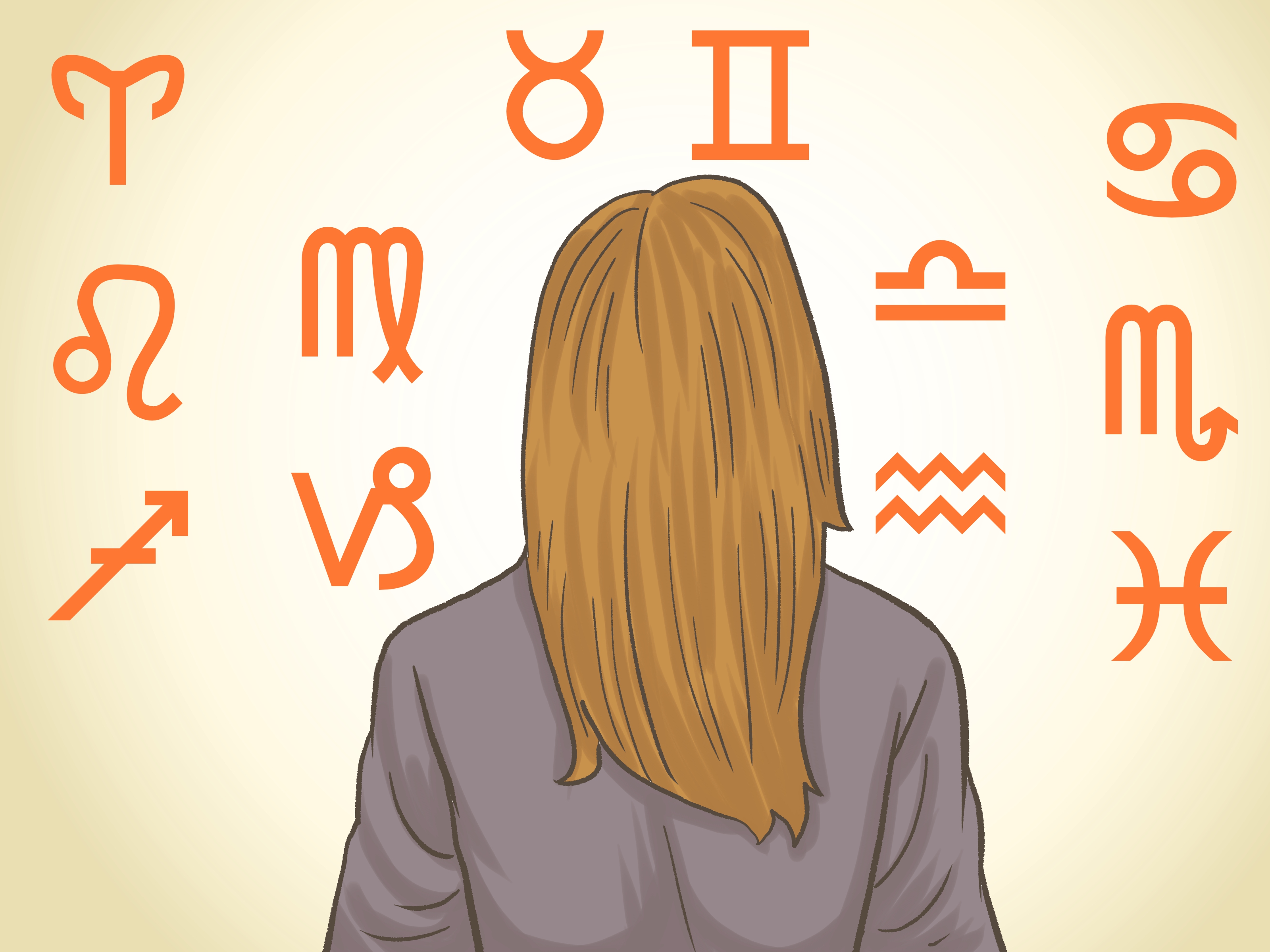
- Aries: March 21–April 19
- Taurus: April 20–May 20
- Gemini: May 21–June 20
- Cancer: June 21–July 22
- Leo: July 23–August 22
- Virgo: August 23–September 22
- Libra: September 23–October 22
- Scorpio: October 23–November 21
- Sagittarius: November 22–December 21
- Capricorn: December 22–January 19
- Aquarius: January 20–February 18
- Pisces: February 19–March 20
If you were born near the beginning or end of a zodiac season, use a birth chart calculator instead of relying only on a date-range graphic. The Sun can change signs at different times depending on the year and time zone.
What Is My Moon Sign?
Your Moon sign represents the zodiac sign where the Moon was located at your birth. In astrology, the Moon is associated with emotions, instincts, memory, security, and the ways you react before your logical brain has finished putting on its shoes.
Your Moon sign may explain why your outward personality does not always match how you feel internally. A confident Leo Sun may have a cautious Virgo Moon. A calm-looking Capricorn Sun may have an emotionally intense Scorpio Moon. A chatty Gemini Sun may have a private Cancer Moon that needs quiet time after a busy social day.
The Moon moves through the zodiac much faster than the Sun. It changes signs roughly every two to two-and-a-half days, which is why your birth date alone may not be enough to identify your Moon sign accurately. Your birth time can matter, especially if the Moon changed signs on the day you were born.
How to Think About Your Moon Sign
A useful way to explore your Moon sign is to ask:
- What helps me feel safe and understood?
- How do I react when I am overwhelmed?
- What kind of support do I naturally give other people?
- What do I need after a stressful day?
For example, a Moon in Aries may prefer direct action, independence, and a quick emotional reset. A Moon in Libra may seek peace, conversation, and mutual understanding. A Moon in Pisces may need solitude, music, imagination, or creative escape to recharge.
None of these descriptions excuse bad behavior. “Sorry I forgot your birthday, my Moon sign was overwhelmed” may sound poetic, but it is not a legally recognized defense.
What Is My Rising Sign?
Your Rising sign, also called your Ascendant, is the zodiac sign that was rising along the eastern horizon at the exact time and place of your birth. In astrology, it is often associated with your first impression, personal style, initial reactions, and the way you enter unfamiliar spaces.
If your Sun sign is your main character and your Moon sign is the private group chat, your Rising sign is the opening scene. It is not necessarily fake or superficial. It is simply the part of you people may notice before they understand the whole story.
Your Rising sign is especially time-sensitive because the Ascendant moves quickly as Earth rotates. It changes signs roughly every two hours, so a birth time that is off by even a short amount can sometimes produce a different Rising sign.
Why Your Birthplace Matters for Your Rising Sign
Your birthplace matters because the horizon looks different depending on where you were born. Someone born at 8:00 a.m. in Miami may have a different Rising sign than someone born at 8:00 a.m. in Seattle on the same date.
That is why a reliable Sun, Moon, and Rising sign calculator asks for:
- Your date of birth
- Your exact or closest-known birth time
- Your city and country of birth
If you do not know your birth time, you can still calculate your Sun sign and may be able to narrow down your Moon sign. Your Rising sign, house placements, and some chart details will remain uncertain. That is not a personal failure. It just means your cosmic paperwork needs one more document.
How to Find Your Sun, Moon, and Rising Sign
To find your Big Three, use a trusted birth chart calculator and enter your birth data as accurately as possible. Many astrology platforms provide free natal chart tools that calculate your Sun sign, Moon sign, Ascendant, planets, and houses from the same information.
Step 1: Find Your Birth Time
Check a long-form birth certificate, hospital record, baby book, or family paperwork. A parent or relative may remember the general time, but use official documentation whenever possible. “Probably sometime after lunch” is charming family lore, not ideal chart data.
Step 2: Use Your Birthplace, Not Your Current Location
Enter the city or town where you were born. The calculator uses geographical coordinates and time-zone information to estimate the sky at that specific moment.
Step 3: Save the Full Birth Chart
Once you find your Big Three, save the entire chart. Your Mercury sign, Venus sign, Mars sign, planetary houses, and aspects can add context. The Big Three are a useful introduction, but they are not the full astrological picture.
How Do Sun, Moon, and Rising Signs Work Together?
Your Sun, Moon, and Rising signs can be read as a blend rather than three separate personality quizzes. The most interesting parts often appear where the placements contrast.
Example: Aries Sun, Cancer Moon, Capricorn Rising
An Aries Sun is often linked with initiative, courage, and a desire to act quickly. A Cancer Moon may seek emotional safety, loyalty, and closeness. Capricorn Rising can create a composed, organized, or serious first impression.
This person may seem calm and responsible at school or work, feel deeply protective of loved ones in private, and still have an inner urge to start something bold before everyone else has finished reading the instructions.
Example: Libra Sun, Scorpio Moon, Gemini Rising
A Libra Sun may value connection, fairness, and beauty. A Scorpio Moon may experience emotions intensely and prefer trust over small talk. Gemini Rising can make the person appear curious, witty, adaptable, and easy to talk to.
At a party, this person might be the friendly conversationalist who asks everyone clever questions. Later, they may go home and analyze one slightly strange sentence from a conversation for three business days.
Example: Pisces Sun, Leo Moon, Virgo Rising
A Pisces Sun may be imaginative, compassionate, and intuitive. A Leo Moon may want warmth, recognition, creative expression, and emotional loyalty. Virgo Rising can create an appearance of practicality, carefulness, and helpfulness.
In everyday life, this combination might look like someone who color-codes a planner, gives excellent advice, quietly dreams about becoming a famous filmmaker, and gets genuinely upset when nobody notices the thoughtful details they worked hard to create.
Common Sun, Moon, and Rising Sign Questions
Can My Sun, Moon, or Rising Sign Change?
Your natal Sun, Moon, and Rising signs do not change after you are born. Your birth chart is based on one specific time and location. However, people grow, learn, change environments, and develop new coping skills. You are allowed to mature without blaming Mercury.
Which Sign Matters Most?
There is no universal winner. Your Sun sign is often used as the main identity marker, your Moon sign can be helpful for understanding emotional themes, and your Rising sign provides the chart’s starting point in many astrology systems. Different astrologers emphasize different placements.
Why Do I Relate More to My Rising Sign Than My Sun Sign?
You may relate strongly to your Rising sign because it is often associated with how you approach daily life and how others experience you. You may also connect with other placements, such as Mercury, Venus, Mars, or major planets in the first house.
What If My Big Three Are All the Same Sign?
Having the same Sun, Moon, and Rising sign is often called a triple placement. In astrology, it can suggest that a particular sign’s themes are highly noticeable in your chart. It does not mean you are only one thing. You still have a full chart, real experiences, and the right to enjoy a personality beyond “very Scorpio.”
Use Astrology as a Reflection Tool, Not a Rulebook
The healthiest way to explore your Sun, Moon, and Rising sign is with curiosity. Use your chart to ask better questions, notice patterns, and experiment with self-awareness. Avoid using it to judge people instantly, choose friends only by zodiac compatibility, or decide that accountability is optional because Venus did something dramatic.
Broad personality statements can feel personally accurate because people naturally recognize themselves in flexible, positive, or familiar descriptions. Psychologists call this tendency the Barnum effect. That does not mean you cannot enjoy astrology; it simply means it is wise to keep your critical-thinking hat nearby, preferably with a tasteful constellation pattern.
Use astrology to spark reflection, not certainty. You know yourself best through your choices, values, relationships, experiences, and willingness to learn.
Experiences With Sun, Moon, and Rising Signs: What People Often Notice
Learning your Sun, Moon, and Rising sign can feel like discovering that your personality has subtitles. Many people begin with their Sun sign because it is easy to find. They know they are a Taurus, Gemini, or Capricorn, read a few traits, and decide astrology is either eerily accurate or completely ridiculous. Sometimes it is both before breakfast.
Then they learn their Moon sign and suddenly certain emotional habits make more sense in the language of astrology. Someone with a confident Sun sign may realize they also have a sensitive Moon sign and need more quiet recovery time than people expect. Another person may have a calm Sun sign but a fiery Moon sign, explaining why they appear patient until one tiny inconvenience causes an internal fireworks show.
The Rising sign often creates the biggest “Wait, that is me” moment. People may not identify with the public stereotype of their Sun sign, but they recognize how their Ascendant describes the way they enter a room, start a conversation, get ready for an event, or handle a new challenge. A Virgo Rising may notice their instinct to organize before relaxing. A Sagittarius Rising may recognize their habit of searching for humor or possibility in unfamiliar situations. A Scorpio Rising may understand why strangers assume they are quieter or more intense than they actually feel.
One of the most useful experiences is comparing your inner and outer worlds without treating either one as fake. A person with an Aquarius Sun, Cancer Moon, and Libra Rising may appear friendly and polished, privately need lots of emotional security, and still value independence and unusual ideas. Those traits can seem contradictory until you remember that people are allowed to contain more than one mood, preference, and playlist.
Friends sometimes use Big Three conversations as an easy way to get to know one another. It can be more interesting than asking, “So, what do you do?” because it opens the door to questions about comfort, communication, habits, and first impressions. The best conversations do not stop at labels. Instead of saying, “You are a Leo Moon, so you must love attention,” try asking, “Do you feel most appreciated when people notice your effort?” That turns astrology from a stereotype machine into a conversation starter.
People also discover that astrology can encourage compassion. When you see a friend’s Moon sign as a symbolic clue to how they process emotions, you may become more curious about what helps them feel supported. That does not mean you should diagnose their feelings through a chart. It means you can use the idea as a reminder that not everyone needs comfort in the same way. Some people want advice. Some want snacks. Some want silence. Some want a voice note that begins with, “You are absolutely right, and here is why.”
Another common experience is realizing that astrology does not need to be perfectly accurate to be meaningful. A birth chart may give you vocabulary for qualities you already notice: ambition, sensitivity, restlessness, loyalty, caution, creativity, or a love of making elaborate plans for simple errands. The value can come from pausing long enough to reflect on those traits honestly.
Ultimately, your Sun, Moon, and Rising signs are not a final verdict on who you are. They are one symbolic lens among many. Keep what helps you reflect, leave what does not fit, and remember that your choices matter more than any placement on a circular chart. The stars may provide a fun conversation topic, but you are still the one holding the pen.
Note: Birth chart interpretations vary across astrology traditions and individual astrologers. For the most accurate Sun, Moon, and Rising sign calculation, use your exact birth date, time, and birthplace.