Industrial wire cage lamps are the lighting equivalent of a leather jacket: rugged, timeless, slightly rebellious, and somehow able to make an ordinary room look like it has a story. Whether hanging over a kitchen island, glowing beside a bathroom mirror, or standing proudly in a home office, these metal-caged beauties bring together function, texture, and vintage attitude without trying too hard.
At their core, industrial wire cage lamps are simple fixtures that use a metal wire guard around the bulb. But simple does not mean boring. The exposed bulb, open frame, and sturdy metal finish create a look inspired by old factories, warehouses, workshops, barns, and early electrical lighting. Today, they are just as likely to appear in modern apartments, farmhouse kitchens, loft bedrooms, coffee shops, and restaurants as they are in actual industrial spaces.
The best part? They work with many styles. Industrial, rustic, farmhouse, vintage, urban modern, minimalist, and even coastal spaces can all borrow a little charm from a cage lamp. It is basically the friend who shows up to every party dressed correctly.
What Are Industrial Wire Cage Lamps?
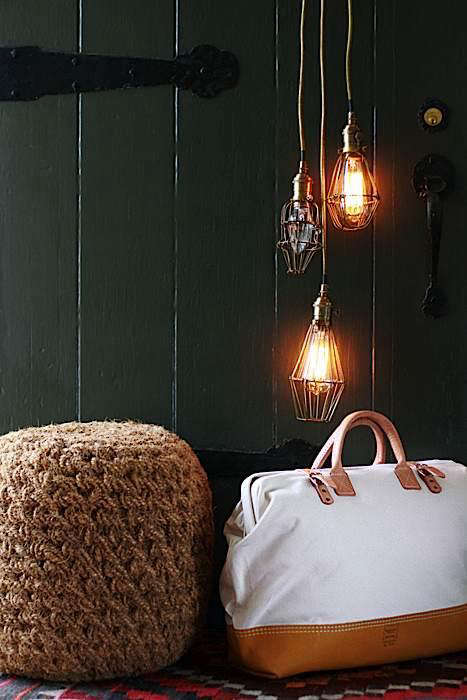
An industrial wire cage lamp is a light fixture that features a visible bulb protected or framed by a metal cage. The cage may be round, oval, rectangular, bell-shaped, dome-shaped, or geometric. Some are attached to pendant lights, while others are used on wall sconces, ceiling mounts, desk lamps, floor lamps, or outdoor-style lanterns.
The design comes from practical roots. In factories, garages, ships, barns, and utility areas, metal cages helped protect bulbs from bumps, tools, and general workplace chaos. Nobody wanted a shattered bulb because someone swung a ladder with too much confidence. Over time, that protective feature became a decorative style. Now the cage is not just guarding the bulb; it is stealing the show.
Modern industrial cage lighting often combines black iron, oil-rubbed bronze, brushed nickel, aged brass, galvanized steel, or matte metal finishes with clear glass bulbs or LED Edison bulbs. The result is a fixture that feels honest, architectural, and full of character.
Why Industrial Wire Cage Lamps Are So Popular
They Add Instant Character
Some light fixtures simply illuminate. Industrial wire cage lamps illuminate and introduce themselves. Their exposed structure adds visual interest even when the light is turned off. In a plain white kitchen, a row of black cage pendants can add contrast. In a bedroom, a pair of cage sconces can make the space feel curated rather than copied from a furniture showroom.
They Work in Small and Large Spaces
Because wire cages are open, they usually feel lighter than solid metal shades. That makes them useful in small rooms where bulky lighting might feel heavy. A compact cage pendant over a breakfast nook can add style without making the ceiling look crowded. In larger spaces, oversized cage chandeliers or multi-light fixtures can create a bold focal point.
They Pair Well With Decorative Bulbs
Industrial cage lamps are made for exposed bulbs. The bulb is not hiding behind a shade like a shy actor backstage; it is part of the performance. Edison-style LED bulbs, globe bulbs, tubular bulbs, and frosted bulbs all create different moods. A warm amber filament bulb gives a vintage glow, while a clear LED bulb feels cleaner and more modern.
Best Places to Use Industrial Wire Cage Lamps
Kitchen Islands
The kitchen island is one of the most popular places for industrial wire cage pendant lights. A set of two or three pendants can provide task lighting while giving the kitchen a strong design rhythm. For a balanced look, choose fixtures that are large enough to be noticed but not so large that they block sightlines across the room.
Matte black cage pendants look excellent with white cabinets, butcher block counters, brass hardware, subway tile, or stainless steel appliances. If the kitchen already has dark cabinets, try aged brass, brushed nickel, or antique bronze to add contrast.
Dining Rooms
Over a dining table, an industrial cage chandelier can add drama without feeling overly formal. A rectangular cage fixture works well over long tables, while a round or drum-shaped cage light suits square or circular tables. Add dimmable bulbs, and the same fixture can handle homework, dinner, board games, and the dramatic announcement that someone finished the last slice of pizza.
Bathrooms
Industrial cage wall sconces can look fantastic beside or above a bathroom mirror. They bring a boutique-hotel feel, especially when paired with black-framed mirrors, wood vanities, concrete-style tile, or vintage faucets. For bathrooms, always check whether the fixture is rated for damp locations. A good-looking light is not worth arguing with moisture.
Bedrooms
Cage lamps can work as bedside wall sconces, pendant lights, or table lamps. They are especially useful in small bedrooms because wall-mounted cage sconces free up nightstand space. For a softer bedroom mood, use warm white bulbs and consider frosted glass bulbs to reduce glare.
Entryways and Hallways
An industrial cage flush mount or semi-flush ceiling light can make an entryway feel intentional. Hallways also benefit from cage fixtures because their open design distributes light without creating a boxed-in feeling. In narrow spaces, choose slimmer cages and avoid fixtures that hang too low.
Home Offices and Workshops
Industrial wire cage lamps naturally belong in workspaces. A cage desk lamp can make a home office feel more focused and less like a laptop accidentally landed on the dining table. In workshops, garages, and hobby rooms, cage-style lighting supports the practical, tool-friendly atmosphere.
Popular Styles of Industrial Wire Cage Lamps
Black Metal Cage Lamps
Black metal is the classic choice. It is bold, versatile, and easy to coordinate with cabinet pulls, curtain rods, faucets, and furniture legs. Black cage lights fit modern farmhouse, urban loft, rustic, and minimalist interiors.
Bronze and Oil-Rubbed Finishes
Oil-rubbed bronze and dark bronze finishes add warmth and age. They are excellent for rustic kitchens, vintage bathrooms, and rooms with wood beams or leather furniture. These finishes feel slightly softer than pure black while still keeping the industrial edge.
Brass and Gold-Tone Cage Lamps
Brass cage lighting adds a more polished personality. It can make industrial design feel warmer and more upscale. Brass pairs beautifully with navy cabinets, green walls, marble counters, and walnut furniture. The trick is balance: one brass cage lamp is chic; brass everywhere can start looking like a trumpet section moved in.
Galvanized Metal Cage Lights
Galvanized finishes feel raw, casual, and workshop-inspired. They are great for laundry rooms, mudrooms, covered patios, and farmhouse spaces. They also pair well with concrete floors, reclaimed wood, and simple white walls.
Glass and Cage Combinations
Some industrial cage lamps include glass shades inside or around the cage. Clear glass keeps the bulb visible, seeded glass adds vintage texture, and frosted glass softens glare. This style is useful when you want the cage look but prefer a more finished or refined appearance.
How to Choose the Right Industrial Wire Cage Lamp
Consider the Size of the Room
Scale matters. A tiny cage pendant over a large island may look lost, while an oversized chandelier in a small hallway may feel like it is applying for ownership of the ceiling. For kitchen islands, multiple medium pendants often work better than one small fixture. For dining rooms, the fixture should relate to the table size and leave enough clearance around the edges.
Think About Bulb Brightness
Because many cage lamps expose the bulb, brightness must be chosen carefully. Lumens measure actual light output, while watts measure energy use. For task areas such as kitchens and desks, choose brighter bulbs. For bedrooms, dining rooms, and lounge areas, lower lumens and dimmers create a more comfortable atmosphere.
LED bulbs are usually the smartest choice because they use far less energy than traditional incandescent bulbs and last much longer. For a vintage look, LED Edison bulbs provide the filament style without the old-school energy appetite. Your electric bill will not send you a thank-you card, but it might quietly stop glaring at you.
Pick the Right Color Temperature
Color temperature affects mood. Warm white bulbs around 2700K create a cozy, golden glow that works well with industrial and farmhouse interiors. Neutral white bulbs around 3000K to 3500K feel brighter and cleaner for kitchens and bathrooms. Cooler bulbs can work in garages or utility rooms, but they may make living spaces feel too harsh.
Watch Out for Glare
Open cage fixtures can create glare if the bulb is too bright or placed at eye level. This is especially important over dining tables, bathroom mirrors, and bedside areas. Frosted bulbs, lower-lumen bulbs, tinted glass, or dimmer switches can help soften the effect.
Check Safety Ratings
For hardwired fixtures, look for recognized safety listings such as UL or ETL. If the lamp will be used in a bathroom, laundry room, covered porch, or outdoor space, check whether it is dry-rated, damp-rated, or wet-rated. Dry-rated fixtures belong in dry indoor areas. Damp-rated fixtures can handle moisture in protected locations. Wet-rated fixtures are made for direct exposure to weather.
When in doubt, ask a qualified electrician. Electricity is wonderful, but it is not a hobby that rewards guessing.
Industrial Wire Cage Lamps and Interior Design Styles
Industrial Loft
In loft spaces, wire cage lamps feel completely at home. Pair them with exposed brick, concrete floors, steel furniture, open shelving, and leather seating. Choose black, bronze, or raw metal finishes for an authentic warehouse-inspired look.
Modern Farmhouse
Industrial cage lighting fits modern farmhouse interiors because it balances rustic warmth with crisp contrast. Try cage pendants over a white island, cage sconces beside a wood-framed mirror, or a cage chandelier over a reclaimed wood dining table.
Minimalist Modern
In minimalist rooms, cage lamps add structure without clutter. Choose clean geometric cages, simple black finishes, and clear LED bulbs. Avoid overly ornate shapes if the rest of the room is streamlined.
Rustic and Vintage
For rustic spaces, look for aged metals, antique bronze, seeded glass, and Edison-style bulbs. These details make the lamp feel collected rather than brand-new. It is the design version of saying, “I found this in a very cool old workshop,” even if it arrived in a box last Tuesday.
Installation and Placement Tips
For pendants over counters or dining tables, the bottom of the fixture often looks best when it hangs roughly 28 to 36 inches above the surface, depending on ceiling height and fixture size. In open walkways, make sure the fixture is high enough for comfortable clearance. Nobody wants a pendant light that introduces itself to people’s foreheads.
When hanging multiple cage pendants, keep spacing consistent. A common approach is to place fixtures about 24 to 30 inches apart, but the exact distance depends on island length, shade size, and the amount of light needed. Always test the layout visually before final installation.
Wall sconces should be placed where they provide useful light without shining directly into the eyes. Beside a bathroom mirror, mounting sconces near eye level can help reduce shadows on the face. In hallways, keep sconces evenly spaced and proportionate to wall height.
Maintenance and Cleaning
Industrial wire cage lamps are generally easy to maintain. Dust the cage regularly with a microfiber cloth or soft duster. For deeper cleaning, turn off the power, let the bulb cool, remove the bulb if needed, and wipe the metal with a slightly damp cloth. Avoid harsh cleaners that may damage painted, powder-coated, brass, or bronze finishes.
If the fixture is used in a kitchen, grease and dust can team up like villains in a tiny home-improvement movie. Clean kitchen cage lamps more often, especially if they hang near the stove. For outdoor or damp-area fixtures, check occasionally for corrosion, loose screws, or finish wear.
Common Mistakes to Avoid
Choosing Style Over Comfort
A beautiful fixture with a painfully bright exposed bulb is not a win. Always consider glare, brightness, and bulb type. The lamp should make the room better, not make guests squint like they are being interviewed by detectives.
Ignoring Scale
Industrial cage lamps have strong lines, so incorrect sizing can be obvious. Measure the room, table, island, or wall before buying. In design, “close enough” sometimes becomes “why does this look weird?”
Forgetting Dimmers
Dimmers are one of the easiest ways to make cage lighting more flexible. A kitchen island can be bright during meal prep and softer during dinner. A bedroom sconce can shift from reading light to cozy evening glow. Just make sure the bulbs and dimmer are compatible.
Using the Wrong Rating
Do not place a dry-rated fixture in a damp bathroom or exposed outdoor area. Ratings exist for a reason, and that reason is not to decorate the product description. Choose fixtures designed for the environment where they will live.
Real-Life Experience With Industrial Wire Cage Lamps
One of the most memorable things about industrial wire cage lamps is how quickly they change the feeling of a room. In one small kitchen project, replacing a plain builder-grade dome light with two black cage pendants instantly made the space look more intentional. The cabinets were basic white, the counters were simple laminate, and the backsplash was nothing dramatic. But once the cage pendants were installed over the island, the kitchen suddenly had a focal point. It felt less like a rental kitchen and more like a place where someone might confidently chop herbs while pretending to host a cooking show.
The first lesson from that experience was that bulb choice matters as much as the fixture. The original clear Edison bulbs looked beautiful but created too much glare at night. They had that “interrogation room, but make it vintage” effect. Switching to lower-lumen warm white LED filament bulbs solved the problem. The room kept its industrial charm, but the light became softer and more comfortable.
Another experience involved using wire cage sconces in a narrow hallway. The goal was to add personality without making the hallway feel smaller. Solid shades looked too bulky, but open cage sconces kept the wall feeling airy. The black metal finish connected with the door hardware, and the repeating shape created a simple rhythm down the hallway. It was a small detail, but it made the space feel finished.
In a bathroom update, cage vanity lights brought a different lesson: always check the rating and placement. The fixtures looked perfect online, but the first option was only suitable for dry spaces. A damp-rated version was a better choice for the bathroom environment. Once installed, the lights looked sharp with a round black mirror and wood vanity, but frosted bulbs were needed to reduce shadows and glare. Good lighting around a mirror should help you get ready, not make you question every life decision before breakfast.
Industrial wire cage lamps also work surprisingly well in bedrooms when used carefully. A pair of plug-in cage wall sconces can save nightstand space and add a relaxed loft-style touch. The key is choosing bulbs with a warm color temperature and modest brightness. In a bedroom, the lamp should whisper, not shout. A dimmer or smart bulb can make the fixture even more useful, especially for reading, winding down, or finding your slippers without stepping on something mysterious.
For anyone decorating on a budget, cage lamps are forgiving. They can make inexpensive furniture look more deliberate because they introduce texture and contrast. A simple desk, a plain shelf, or a basic dining table can feel more styled when paired with a strong industrial light. However, the most successful rooms do not rely on cage lighting alone. They repeat the finish somewhere else: black picture frames, bronze cabinet pulls, metal chair legs, or a dark curtain rod. That repetition makes the lamp feel connected instead of random.
The biggest takeaway is that industrial wire cage lamps are practical statement pieces. They are bold, but not fussy. They are decorative, but still useful. They can lean vintage, modern, farmhouse, or urban depending on the finish, bulb, and room around them. Choose the right size, soften the bulb when needed, respect safety ratings, and let the metal cage do what it does best: add character without asking for applause.
Conclusion
Industrial wire cage lamps remain popular because they combine usefulness with personality. Their open metal frames, exposed bulbs, and vintage-inspired shapes bring depth to kitchens, dining rooms, bathrooms, bedrooms, hallways, and workspaces. They are easy to style, widely available, and flexible enough to fit many American homes, from modern apartments to rustic farmhouses.
The best industrial cage lighting is not chosen by looks alone. Size, bulb brightness, color temperature, dimming, placement, and safety ratings all matter. A well-chosen cage lamp can make a room feel warmer, sharper, and more thoughtfully designed. A poorly chosen one can make the room feel like a basement workshop with ambition issues.
If you want lighting that is sturdy, stylish, and a little bit dramatic in the best possible way, industrial wire cage lamps are a strong choice. They bring the charm of old factories and workshops into modern homes, proving that sometimes the most beautiful design ideas are the ones that started with pure practicality.