Winter has a special talent for turning every parent into a tiny-weather-system manager. One minute your baby feels chilly, the next minute they are sweating like they just completed a stroller marathon. Dressing a baby in winter is not about piling on every adorable fleece item you own, although the temptation is real. It is about smart layering, safe sleep, outdoor protection, and car seat safety.
The best winter baby clothing strategy is simple: keep your baby warm, dry, and able to move, while avoiding overheating and bulky items that can create safety risks. Babies lose heat faster than adults, especially through their heads, hands, and feet, but they also cannot tell you, “Excuse me, I am now a baked potato.” That means parents and caregivers need to check temperature often and adjust layers based on the setting.
This guide breaks winter dressing into three practical situations: dressing your baby indoors and for sleep, dressing your baby for outdoor cold, and dressing your baby safely for car travel. Master these three methods and you will be ready for frosty walks, pediatrician appointments, family visits, and those heroic 2 a.m. diaper changes when everyone involved questions their life choices.
Why Dressing a Baby in Winter Requires a Safety-First Mindset
Baby winter clothes should do more than look cute in photos. They should help regulate body temperature, protect delicate skin, and work safely with sleep spaces and car seats. Newborns and infants are still developing the ability to manage body heat, so they can become too cold or too warm more quickly than older children.
A helpful rule is the “one extra layer” guideline. In many normal winter situations, babies need about one more layer than an adult would wear to feel comfortable. For example, if you are comfortable in a long-sleeve shirt and sweater indoors, your baby may do well in a bodysuit, footed sleeper, and light sleep sack. If you are wearing a coat and hat outside, your baby may need warm layers plus a hat, mittens, and a protective outer layer.
Still, this rule is a starting point, not a royal decree. A baby in a heated car, a warm house, or a stroller with a weather shield may need fewer layers than a baby being carried outside in cold wind. The goal is comfort, not maximum puffiness.
Way 1: Dress a Baby in Winter Indoors and for Sleep
Indoor winter dressing is where many parents accidentally overdo it. Because it looks cold outside, it is easy to dress a baby for the Arctic while they are actually sleeping in a room that feels like a cozy bakery. Overheating is a concern for babies, especially during sleep, so nighttime winter clothing should be warm but breathable.
Start with a Soft Base Layer
A cotton or bamboo bodysuit makes a practical base layer for winter. Long sleeves are useful in cooler rooms, while short sleeves may work if your home is well heated. The base layer should fit comfortably against the skin without being tight around the belly, thighs, wrists, or neck.
For daytime indoor wear, a long-sleeve bodysuit with soft pants and socks may be enough in a warm home. In a cooler room, footed pajamas are a parent’s best friend. They cover the legs and feet without requiring you to hunt for tiny socks that somehow vanish into another dimension.
Use Footed Pajamas or a Wearable Blanket for Sleep
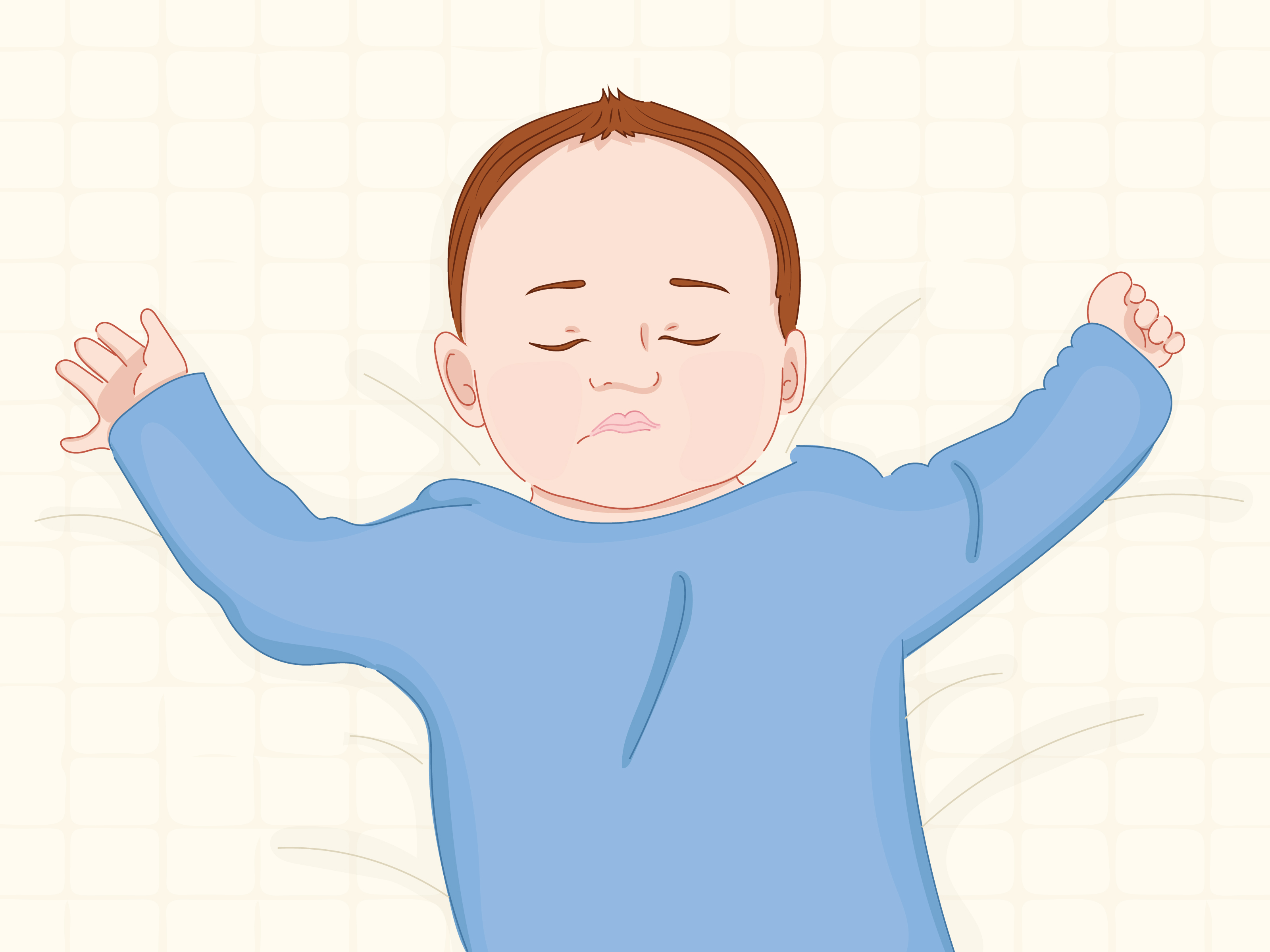
For baby sleep in winter, avoid loose blankets, quilts, pillows, and stuffed animals in the crib. A safer way to add warmth is with fitted sleep clothing, such as footed pajamas or a wearable blanket. A sleep sack can replace a loose blanket and help keep your baby warm without fabric bunching around the face.
Choose the thickness of the sleep sack based on the room temperature, not just the outdoor weather. A lightweight sleep sack may be enough in a warm room, while a warmer sleep sack can help in a cooler nursery. Look for a sleep sack that fits properly around the neck and armholes so your baby cannot slip down inside it.
Skip hats during indoor sleep. Once a baby is home from the hospital, hats are usually not needed indoors and can contribute to overheating. Babies release heat through the head, so covering the head during sleep can make temperature control harder.
Check for Overheating the Right Way
Hands and feet can feel cool even when a baby’s body temperature is fine. Instead of judging only by little fingers or toes, check the back of the neck, chest, or upper back. If your baby’s chest feels warm and dry, the outfit is probably working. If your baby is sweaty, flushed, breathing rapidly, or has damp hair, remove a layer.
If your baby feels cool on the chest or back, add a thin layer. A common indoor winter outfit might be a long-sleeve bodysuit, footed sleeper, and sleep sack for naps or nighttime. During awake time, you might use a bodysuit, soft pants, socks, and a cardigan that can be removed easily.
Way 2: Dress a Baby in Winter for Outdoor Walks
Outdoor winter dressing is all about layers. Several thin layers trap warm air better than one bulky layer, and they are easier to remove when you move indoors. This matters because a baby who is perfectly dressed outside may become too warm in a store, heated car, or crowded family gathering.
Build a Three-Layer Winter Outfit
For cold-weather outings, think in three parts: base layer, insulating layer, and weather-protection layer.
The base layer sits closest to the skin. Choose something soft and breathable, such as a long-sleeve bodysuit or thermal-style baby layer. The insulating layer adds warmth. This might be fleece pants, a sweater, or a fleece one-piece. The outer layer protects against wind, snow, or light rain. Depending on the weather, this could be a bunting suit for stroller walks, a baby coat, or a weather-resistant snowsuit.
For a chilly but dry walk, your baby may wear a bodysuit, footed sleeper, fleece layer, hat, mittens, and a stroller blanket tucked around the body. For snow or strong wind, use a water-resistant outer layer and make sure hands, feet, ears, and head are covered.
Protect the Head, Hands, and Feet
Babies need extra help keeping extremities warm. A soft hat that covers the ears is useful outdoors. Mittens are usually better than gloves because they keep little fingers together for warmth. Warm socks or booties help protect feet, especially if your baby is not yet wearing shoes.
Choose accessories without long strings, loose cords, or choking hazards. Scarves are usually not ideal for babies because they can shift near the face. A neck-warming layer built into a coat or bunting is often safer and easier.
Watch the Weather, Wind, and Moisture
Cold air is one thing; wet cold is another. A damp baby is a cold baby, and winter moisture can sneak in through snow, rain, spilled milk, or the mysterious drool waterfall that appears during teething. If clothing gets wet, change it as soon as possible.
Wind chill also matters. A temperature that seems manageable may feel much colder when wind is strong. For very cold days, keep outdoor trips short and take warm-up breaks indoors. During stroller walks, a stroller weather shield can help block wind, but it should allow airflow and should never trap heat excessively. Always make sure your baby’s face is visible and uncovered.
Use the Neck Check During Outdoor Time
During winter outings, check your baby often. Touch the neck or chest to see whether your baby is warm, sweaty, or cool. Look at skin color, energy, and behavior. A baby who is unusually sleepy, very cold to the touch, or has bright red cold skin needs attention right away. Pale, grayish, or very cold skin on fingers, toes, nose, or ears can be a warning sign that your baby needs to go inside and warm up.
The secret is not to dress once and forget it. Winter baby dressing is a little like adjusting a thermostat with cheeks. Check, adjust, repeat.
Way 3: Dress a Baby in Winter for Car Seat Safety
Car seat dressing is where winter gets tricky. A bulky coat or puffy snowsuit may look warm, but it can create dangerous slack under the car seat harness. In a crash, thick padding can compress, making the straps too loose to protect your baby properly.
The rule is clear: avoid bulky coats, thick snowsuits, and padded buntings under the car seat harness. Warm is good. Safe and warm is better.
Use Thin, Warm Layers Under the Harness
Dress your baby in thin layers before buckling them into the car seat. A good car outfit might include a long-sleeve bodysuit, footed sleeper, thin fleece jacket, hat, and mittens. The harness should lie snugly against your baby’s body, not against a big cloud of coat fluff.
After buckling, do the pinch test. Try to pinch the harness strap at your baby’s collarbone. If you can pinch excess webbing, the harness is too loose. Tighten it until the strap is snug and flat.
Add Warmth Over the Buckled Harness
Once your baby is safely buckled, add warmth over the straps. You can place a blanket over the harness or put your baby’s coat on backward over the buckled straps. The key is that nothing bulky should be between your baby and the harness.
For infant car seats, keep the carrier portion indoors when possible so the seat starts at room temperature. A cold car seat can pull heat from your baby quickly. Warming the car before leaving can also help, but never leave a baby unattended in a vehicle.
Be Careful with Car Seat Covers
Some car seat covers are designed to go over the outside of the seat like a shower cap. These may be safer than products that go behind the baby or under the harness. Avoid any aftermarket insert, sleeping bag, bunting, or padding that sits between your baby and the seat or changes how the harness fits.
Also keep your baby’s face uncovered. A cover should not block airflow or make it hard to see your baby. Warmth should never come at the expense of breathing space.
Common Winter Dressing Mistakes to Avoid
Mistake 1: Dressing for the Weather Outside While Staying Indoors
If the heat is on, your baby does not need outdoor-level clothing indoors. Too many layers can lead to sweating, discomfort, and overheating. Dress for the room your baby is actually in.
Mistake 2: Using Loose Blankets in the Crib
Loose blankets may seem cozy, but they do not belong in an infant sleep space. Use fitted sleepwear or a wearable blanket instead. The crib should stay simple: firm mattress, fitted sheet, baby on the back, and no loose bedding.
Mistake 3: Keeping a Puffy Coat on in the Car Seat
Puffy coats and car seat harnesses are not a good team. Use thin layers under the harness and blankets or coats over the harness after buckling.
Mistake 4: Forgetting to Remove Layers Indoors
Winter errands often involve moving from cold air to heated buildings. Remove hats, blankets, and outer layers when your baby is indoors for more than a quick moment.
Mistake 5: Assuming Crying Always Means Cold
A baby may cry because they are cold, hot, tired, hungry, bored, overstimulated, or offended by the general concept of sleeves. Check body temperature before adding layers automatically.
Simple Winter Outfit Examples for Babies
Indoor Daytime Outfit
For a heated home, try a long-sleeve bodysuit, soft pants, and socks. If the room is cooler, add a lightweight cardigan or switch to footed pajamas.
Winter Sleep Outfit
For a cool nursery, try a long-sleeve bodysuit under footed pajamas with a sleep sack. For a warmer room, footed pajamas alone or a bodysuit with a lighter sleep sack may be enough.
Outdoor Stroller Walk Outfit
For a cold walk, try a bodysuit, footed sleeper, fleece layer, warm hat, mittens, socks or booties, and a stroller blanket. Add a weather-resistant outer layer if it is windy, snowy, or wet.
Car Seat Outfit
For winter car travel, use a bodysuit, footed sleeper, thin fleece jacket, hat, and mittens. Buckle the harness snugly, then place a blanket over the straps.
How to Tell If Your Baby Is Too Cold or Too Hot
A baby who is too cold may have a cool chest or back, unusual fussiness, low energy, or very cold skin. Hands and feet can run cool, so check the torso before deciding. If your baby’s body feels cold, add a layer or move to a warmer place.
A baby who is too hot may sweat, have flushed cheeks, damp hair, rapid breathing, or a hot chest. Remove a layer and check again after a few minutes. Overheating can happen quickly in cars, carriers, and warm rooms.
When in doubt, choose layers that are easy to add or remove. Zippers, snaps, and cardigans are your winter allies. Complicated outfits with twelve buttons and a decorative hood may look charming until a diaper emergency arrives with the urgency of a breaking news alert.
of Practical Experience: What Parents Learn After a Few Winter Outings
The first winter with a baby teaches parents a lot, usually in the parking lot, while one mitten is missing and the diaper bag has somehow swallowed the pacifier. One of the biggest lessons is that the perfect winter outfit is not always the thickest outfit. It is the outfit that can adapt. A baby might leave the house bundled for cold air, sit in a warm car, visit a heated grocery store, then return to freezing wind. If every layer is difficult to remove, the outing becomes a tiny laundry-based obstacle course.
Experienced parents often learn to keep a “winter baby kit” near the door or in the diaper bag. This might include an extra hat, spare mittens, warm socks, a thin fleece layer, a small blanket, and a dry outfit. Babies are talented at creating moisture. Drool, spit-up, diaper leaks, and snow can all turn a warm layer into a cold one. Having backup clothes can save the day, especially during longer errands.
Another real-life lesson is that babies do not always enjoy being dressed for winter. Some babies protest hats as if they have been asked to sign legal documents. Others kick off socks with Olympic dedication. For hat-resistant babies, try a soft cap that fits comfortably over the ears without being tight. For sock escape artists, footed sleepers or booties with gentle closures may work better. The goal is warmth without a wrestling match.
Parents also discover that car seat dressing requires a different routine from stroller dressing. It may feel strange to take off a warm coat before buckling a baby, especially when it is cold outside. But the safer method becomes easier with practice: dress the baby in thin layers, buckle snugly, then add a blanket over the harness. Keeping a dedicated car blanket nearby helps make this routine automatic.
For walks, many parents find that babywearing can feel warmer than stroller travel because the baby shares some body heat with the adult. However, babywearing in winter needs careful attention. The baby’s face should always stay visible, with the nose and mouth clear. Thick layers between the adult and baby can make positioning awkward, so thinner clothing plus an outer carrier cover often works better. If using a coat around both adult and baby, make sure there is plenty of airflow and the baby’s head is never covered by fabric.
Nighttime is another area where parents gain confidence slowly. New parents often worry that a sleeping baby is cold, but adding too many layers can be risky. The chest check is reassuring: warm and dry usually means comfortable. Sweaty or flushed means it is time to remove a layer. Cool hands alone do not always mean the baby is cold.
The best winter dressing habit is simple observation. Look at your baby, touch the neck or chest, consider the room or outdoor conditions, and adjust. No chart can replace common sense and regular checks. Winter with a baby may require planning, but it does not have to be scary. With breathable layers, safe sleepwear, covered extremities, and car seat-safe clothing, your baby can stay warm enough for winter adventures and comfortable enough to nap through at least some of them. No promises about the mittens, though.
Conclusion
Dressing a baby in winter is a balance between warmth, comfort, and safety. The three most important strategies are simple: use safe indoor and sleep layers, choose smart outdoor protection, and avoid bulky clothing under car seat harnesses. Several thin layers are usually better than one heavy layer because they trap warmth and allow quick adjustments.
For sleep, use fitted pajamas and wearable blankets instead of loose bedding. For outdoor time, protect the head, hands, feet, and ears while watching for wind, wet clothing, and temperature changes. For the car seat, keep the harness snug against thin layers and add blankets only after buckling.
Winter parenting comes with tiny socks, dramatic hat opinions, and at least one moment when you wonder whether your baby needs one more layer or you need one more coffee. But with a practical system, dressing your baby for cold weather becomes much easier. Keep your baby warm, keep their face clear, check their chest or neck often, and remember: cozy is good, sweaty burrito is not the goal.
Note: This article is based on established pediatric winter-safety guidance from reputable U.S. health and child-safety organizations, including pediatric, public health, and car seat safety resources.