Windows are funny little overachievers. They are expected to bring in daylight, frame the view, block wind, calm street noise, keep heating and cooling bills under control, survive rain, match the architecture, and somehow look expensive without making your wallet quietly leave the room. That is exactly why Fusionline aluminum clad windows attract attention among homeowners, architects, and design-minded remodelers who want the warmth of wood without signing up for a lifetime subscription to scraping, sanding, and repainting.
Fusionline is closely associated with Gaulhofer’s European-style wood-aluminum window systems. The basic idea is simple: wood on the inside, aluminum on the outside. The result is a window that feels natural and refined indoors while facing weather with a tougher exterior shell. It is a “business in the front, cozy cabin in the back” situation, except the front is aluminum and the back is beautiful timber.
This guide explores what Fusionline aluminum clad windows are, how they compare with standard windows, where they make the most sense, what buyers should ask before ordering, and why details like drainage, U-factor, glazing, finish quality, and installation matter more than a glossy brochure photo. Because yes, a window can be pretty and still need a proper flashing plan. Beauty without flashing is just expensive optimism.
What Are Fusionline Aluminum Clad Windows?
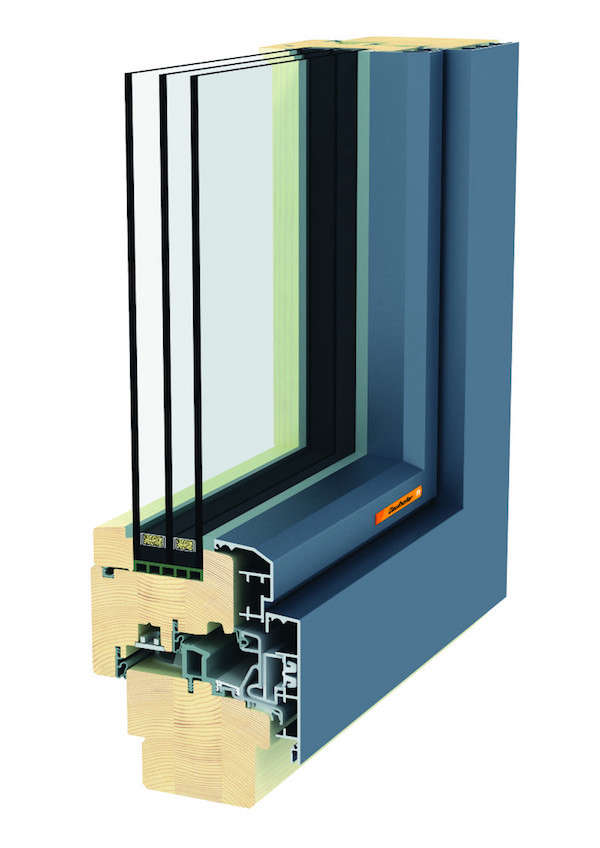
Fusionline aluminum clad windows are wood-aluminum windows designed to combine two materials with very different strengths. The interior side uses wood, typically chosen for its warmth, natural grain, rigidity, and premium architectural appearance. The exterior side is protected by aluminum cladding, which helps shield the window from rain, UV exposure, temperature swings, and everyday weather punishment.
In the broader window market, this type of product is often called an aluminum clad wood window, wood aluminum window, or alu-clad timber window. These terms all point to the same core idea: the living space gets the character of wood, while the outside gets the durability and low-maintenance personality of metal.
Fusionline stands out because its design has been described as using spaced aluminum cladding rather than simply bonding an aluminum skin directly to the wood. That distinction matters. In a well-designed clad window, moisture management is not an afterthought. Water that enters around joints, wall connections, or exterior components needs a way to drain and dry. If moisture becomes trapped between wood and metal, the window may look calm on the outside while throwing a tiny swamp party inside the frame. Nobody invited that party.
Why Aluminum Cladding Works So Well
Aluminum is popular for exterior window protection because it is strong, stable, recyclable, and capable of holding crisp profiles. It does not rot like untreated wood, and it does not require the same exterior painting schedule as traditional all-wood windows. When finished properly, aluminum can also resist fading, chalking, and corrosion for many years.
That said, aluminum is not magic. It conducts heat more easily than wood, vinyl, or fiberglass. In a poorly designed window, that can contribute to condensation or weaker thermal performance. In a better-engineered wood-aluminum system, the aluminum acts mainly as exterior armor while the wood core and glazing system help provide insulation. The lesson is simple: do not buy a window just because it has aluminum. Buy it because the full system is well built.
Wood Inside: Warmth, Texture, and Design Value
The interior wood surface is the emotional half of a Fusionline-style window. It gives a room depth and character that many vinyl and basic aluminum frames struggle to match. Wood can be stained for a natural look, painted for a clean traditional style, or paired with modern interiors for contrast. In homes with exposed beams, stone, plaster, warm flooring, or custom cabinetry, wood windows can look less like a product and more like part of the architecture.
Wood also has practical value. It is naturally less conductive than aluminum, which helps with comfort near the frame. It can feel warmer to the touch in cold weather, and it visually softens large glass areas. That is especially useful in open-plan homes where big windows could otherwise make a room feel like a very stylish airport lounge.
Aluminum Outside: Weather Protection Without Constant Painting
The aluminum exterior is the hardworking half. It takes the rain, snow, sun, dust, and wind while asking for relatively little in return. Periodic cleaning with mild soap and water, visual inspections, and quick attention to scratches or damaged seals are usually the kind of maintenance expected from high-quality aluminum clad windows.
The finish quality matters. Powder-coated or high-performance painted aluminum exteriors are often chosen for their color retention and resistance to weathering. Dark colors, matte finishes, and custom exterior palettes are also easier to achieve with aluminum cladding than with many budget vinyl windows. If the home has black trim, bronze metalwork, or a contemporary facade, aluminum cladding can deliver that sharp architectural line without making the interior feel cold.
Fusionline 94 and Fusionline 108: What the Numbers Suggest
Fusionline has been associated with different profile depths and performance levels, including the Fusionline 94 and Fusionline 108 concepts. In simple terms, the number generally points to the depth of the window system in millimeters. A deeper profile may allow more room for insulation strategies, stronger glazing packages, and improved performance details.
The Fusionline 94 has been described as a standard wood-aluminum line with design profile options such as modern, classic, and flush-edged looks. That matters because not every home wants the same window personality. A minimalist house may prefer a clean, flat profile. A traditional home may need a softer or more classic edge. A mountain house may want robust wood presence. A city townhouse may want slim modern restraint. Windows are like shoes for a house: hiking boots, loafers, and sleek sneakers all have their place.
The Fusionline 108 is positioned as a premium wood-aluminum window with stronger thermal goals. Depending on configuration, premium European wood-aluminum systems can achieve very low U-values, especially when paired with advanced glazing, warm-edge spacers, and careful installation. For buyers, the key is not just the model name but the tested performance rating for the exact unit being ordered.
Energy Efficiency: The Ratings That Actually Matter
When shopping for energy efficient aluminum clad windows, focus on verified performance numbers instead of vague phrases like “high performance,” “green,” or “thermal comfort.” Those phrases sound nice, but your utility bill prefers math.
U-Factor
The U-factor measures how quickly a window transfers non-solar heat. Lower is better. A low U-factor helps reduce heat loss in winter and can improve comfort near glass. For cold climates, this number becomes especially important. If you live somewhere with frosty mornings and heroic heating bills, pay attention.
Solar Heat Gain Coefficient
The Solar Heat Gain Coefficient, usually shortened to SHGC, measures how much solar heat passes through the window. Lower SHGC blocks more heat from the sun, which is useful in hot climates or on west-facing walls. Higher SHGC can be helpful in colder climates where winter solar gain is welcome. The right answer depends on climate, orientation, shading, and how much your afternoon sun behaves like a toaster oven.
Visible Transmittance
Visible transmittance tells you how much daylight comes through the glass. A higher number means more natural light. This is important because some high-performance glass packages reduce heat but can also slightly reduce brightness. The best choice balances comfort, efficiency, and daylight quality.
Air Leakage
Air leakage measures how much air passes through the window assembly. Lower air leakage usually means fewer drafts, better comfort, and less energy waste. However, even a great window can perform poorly if installed badly. A premium window shoved into a rough opening with sloppy flashing is like putting a tuxedo on a raccoon. Technically dressed up, still chaos.
Design Options and Architectural Fit
One reason homeowners consider Fusionline aluminum clad windows is design flexibility. Wood-aluminum systems can suit both modern and traditional architecture. The interior can be warm and tactile, while the exterior can be crisp, dark, metallic, or color-matched to the facade.
Common applications include:
- Modern homes that need clean profiles and large glass areas.
- Luxury renovations where vinyl may look too basic for the design goal.
- Mountain, lake, and coastal homes where weather resistance matters.
- Historic-inspired projects that want a wood interior but less exterior upkeep.
- Passive-house-minded builds that require serious attention to glazing, airtightness, and thermal bridging.
For the exterior, aluminum cladding can often be finished in a wide range of colors. Black, bronze, gray, white, and custom tones are popular. For the interior, wood species, stains, paints, and clear finishes help the window coordinate with floors, trim, cabinetry, and furniture.
Fusionline vs. Vinyl, Fiberglass, and Standard Aluminum Windows
Fusionline vs. Vinyl Windows
Vinyl windows are widely used because they are affordable, low maintenance, and energy efficient for many homes. But vinyl has limitations. It may not offer the same premium look, custom color range, structural rigidity, or long-term architectural feel as a high-end wood-aluminum window. For a starter home or budget remodel, vinyl can be perfectly sensible. For a custom residence where the windows are a major design feature, Fusionline-style aluminum clad wood windows feel more elevated.
Fusionline vs. Fiberglass Windows
Fiberglass windows are strong, stable, and thermally efficient. They are excellent competitors in the premium window category. However, fiberglass does not provide the same real wood interior unless it is part of a hybrid system. If the goal is warmth, natural grain, and high-end interior detailing, wood-aluminum windows may have the edge. If the goal is maximum durability with minimal material layering, fiberglass deserves a serious look.
Fusionline vs. All-Aluminum Windows
All-aluminum windows can look sleek and handle large openings well, which makes them popular in commercial and modern residential design. Their weakness is thermal conductivity unless they are built with effective thermal breaks. Fusionline-style windows offer a different balance: aluminum protection outside, wood comfort inside. They are less industrial and often better suited to homes where interior atmosphere matters as much as exterior sharpness.
Moisture Management: The Detail Homeowners Should Not Ignore
The most interesting technical point in Fusionline aluminum clad windows is moisture management. Aluminum cladding protects the exterior, but water is sneaky. Wind-driven rain, condensation, imperfect sealant, and wall assembly issues can introduce moisture into places homeowners never see.
A ventilated or spaced cladding approach helps because it gives incidental moisture a path to drain and dry. This can reduce the risk of trapped moisture against wood. Covered drainage channels and vapor diffusion details are not glamorous, but they are exactly the type of engineering that separates a serious window from a pretty frame with commitment issues.
When evaluating any aluminum clad wood window, ask these questions:
- Is the exterior cladding ventilated or directly bonded to the wood?
- How does the system drain water at the sill and frame corners?
- What finish standard is used on the aluminum?
- What glazing packages are available?
- Are NFRC, ENERGY STAR, Passive House, or other performance ratings available for the exact configuration?
- What installation details are required to preserve the warranty?
Where Fusionline Aluminum Clad Windows Make the Most Sense
Fusionline-style aluminum clad windows are not usually the cheapest option. They make the most sense when the project values durability, aesthetics, comfort, and long-term performance more than the lowest upfront price.
Best Fit: High-End New Construction
In new construction, the window openings, flashing, wall insulation, and exterior cladding can all be planned together. This is ideal for a premium window system. Builders can integrate the drainage plane correctly, align the window depth with the wall assembly, and avoid awkward trim fixes later.
Best Fit: Design-Focused Renovations
For remodels, Fusionline aluminum clad windows can dramatically upgrade curb appeal and interior feel. They are especially strong in homes where old wood windows are failing but the homeowner does not want to lose the charm of wood. The aluminum exterior reduces maintenance demands, while the interior still respects the original architectural mood.
Best Fit: Harsh Weather Locations
Homes exposed to heavy rain, intense sun, snow, wind, or seasonal temperature swings can benefit from a strong exterior cladding system. The aluminum shell protects the wood, while the interior remains comfortable and visually warm. For coastal regions, finish selection and corrosion resistance should be discussed carefully with the supplier.
Buying Tips Before You Order
Before choosing Fusionline aluminum clad windows, collect the details that affect performance and cost. Ask for full specifications, not just a product name. Confirm the window size limits, opening styles, available glass packages, hardware options, insect screens, exterior colors, interior wood species, warranty terms, and lead times.
Also ask whether the product is locally supported. European-style windows can be excellent, but service access matters. If a latch needs adjustment or a glass unit must be replaced years later, you want a dealer or installer who knows the system. A beautiful imported window without local support can become a very elegant headache.
Finally, compare total installed cost. Premium windows may have higher material costs, but labor, flashing, trim work, delivery, and finishing can also influence the final number. A cheap quote that skips proper installation is not a deal. It is a future repair wearing a fake mustache.
Maintenance: Easy, Not Invisible
Aluminum clad wood windows are often described as low maintenance, and that is fair. But low maintenance does not mean no maintenance. Homeowners should clean the exterior periodically, inspect caulk and seals, keep drainage paths clear, and monitor interior humidity to reduce condensation risk.
On the inside, wood finishes may need occasional care depending on sun exposure, humidity, and finish type. Painted interiors may need touch-ups over time. Stained interiors should be protected from prolonged moisture. Hardware should be operated and cleaned as recommended. Tilt-turn or European-style mechanisms may require different care than standard American double-hung windows, so read the manual even if manuals make everyone feel like they are assembling a spaceship.
Real-World Experience Notes: Living With Fusionline Aluminum Clad Windows
In real homes, the experience of Fusionline aluminum clad windows is less about one dramatic moment and more about small daily improvements. The first thing many homeowners notice is the visual upgrade. A wood interior frame changes the tone of a room. It makes a breakfast nook feel more intentional, a living room feel more finished, and a bedroom feel calmer. The window stops being just a hole filled with glass and becomes part of the design language.
The second experience is comfort. Near older windows, people often feel cold drafts in winter or radiant heat in summer. With a properly specified, properly installed aluminum clad wood window, the indoor surface temperature can feel more stable. Sitting near the glass becomes pleasant instead of a seasonal dare. This matters in rooms where people actually linger: reading corners, dining areas, home offices, nurseries, and bedrooms.
The third experience is quieter living. While glass selection has a major effect on sound control, a tight, well-built window assembly can reduce the daily soundtrack of traffic, leaf blowers, dogs with strong opinions, and neighbors who believe Saturday morning is the perfect time for power tools. For urban homes or houses near busy streets, this can be one of the most appreciated upgrades.
The fourth experience is reduced exterior maintenance. Traditional wood windows can be beautiful, but exterior repainting is not everyone’s idea of a relaxing weekend. Aluminum cladding removes much of that burden. Instead of worrying about peeling paint on the outside frame, homeowners can focus on simple cleaning and inspection. That does not mean ignoring the window. It means maintenance becomes more like dental hygiene and less like restoring a barn.
The fifth experience is design confidence. With aluminum exterior colors, homeowners can choose darker, more modern palettes without the same concerns that come with painting exterior wood. A black or bronze exterior can sharpen the facade, while the interior wood keeps the room from feeling too severe. This dual personality is one of the biggest pleasures of wood-aluminum windows: the outside can be crisp and architectural; the inside can be warm and human.
There are also practical lessons. Installation quality is everything. A premium Fusionline-style window will not compensate for poor flashing, rough handling, or careless measurement. Homeowners should work with experienced installers, especially for large units, tilt-turn hardware, and deep European frames. It is also wise to keep paperwork, performance labels, warranty details, finish information, and care instructions in one folder. Future you will be grateful. Future you may even be smug.
Another lesson is to choose glass thoughtfully. The best window frame in the world cannot fix the wrong glazing package. West-facing rooms in hot climates may need lower solar heat gain. Cold climates may need lower U-factors and careful condensation control. Bedrooms may benefit from acoustic glass. Bathrooms may need privacy glass. Large south-facing windows may need shading. Window buying is not just choosing a rectangle; it is choosing how a room behaves in every season.
Overall, living with high-quality aluminum clad wood windows feels like upgrading the handshake between the house and the outdoors. You still get sunlight, views, fresh air, and architectural beauty, but with better protection and fewer maintenance headaches. Fusionline aluminum clad windows are best understood as a long-term design investment: not the cheapest path, but a smart one for homeowners who care about comfort, craftsmanship, and windows that do more than sit there looking transparent.
Conclusion
Fusionline aluminum clad windows represent the premium side of residential window design: wood where you see and touch it, aluminum where the weather attacks, and engineering details that help manage moisture, energy performance, and long-term durability. They are especially appealing for homeowners who want the beauty of wood windows without the demanding exterior maintenance that traditional all-wood frames can require.
The best buying approach is practical. Compare tested ratings, ask about drainage and cladding design, verify glazing options, confirm finish quality, and choose an installer who understands the product. A Fusionline-style window can be elegant, efficient, and durable, but only when the full system is specified and installed correctly. In other words, the window may be European, but the responsibility is universal: measure twice, flash properly, and never trust a bargain that sounds like it was assembled in a parking lot.
Note: This HTML article is written as publication-ready web content and is based on real product and industry information from window manufacturers, energy-efficiency authorities, and aluminum-clad window resources.