Cottage-style decorating is what happens when a home loosens its collar, pours a cup of tea, and decides that comfort matters more than perfection. It is cozy without being cluttered, nostalgic without turning into a museum, and charming without requiring you to live beside a sheep pasture. The best part? Cottage style works in a farmhouse, a city apartment, a suburban ranch, a tiny guest room, or even that awkward hallway where shoes mysteriously gather like they are holding a meeting.
At its heart, cottage-style design is about warmth, softness, personality, and a strong connection to nature. Think painted wood furniture, floral fabrics, vintage finds, woven baskets, open shelves, layered lighting, old books, cozy throws, and rooms that feel collected over time. Unlike ultra-modern interiors that sometimes look as if nobody is allowed to sit down, cottage interiors invite real life in. A chipped table? Character. Mismatched chairs? Charming. A basket full of blankets? Practically a legal requirement.
This guide explores practical cottage-style decorating and design ideas for every room, from color palettes and furniture choices to kitchens, bedrooms, bathrooms, outdoor spaces, and real-life styling lessons. Whether you love English cottage charm, coastal cottage freshness, French country romance, modern cottage simplicity, or full-on cottagecore whimsy, the goal is the same: create a home that feels relaxed, personal, and beautifully lived in.
What Is Cottage-Style Decorating?
Cottage-style decorating is a home design approach inspired by small country homes, historic cottages, garden houses, lakeside retreats, and rural interiors that prioritize comfort over formality. The look often includes soft colors, natural materials, vintage furniture, floral or botanical patterns, cozy textiles, and a casual mix of old and new pieces.
Unlike strict design styles with rigid rules, cottage decor is wonderfully forgiving. It welcomes painted furniture, slipcovered sofas, antique mirrors, beadboard walls, embroidered pillows, handmade pottery, and collected art. It does not demand that every finish match. In fact, cottage interiors usually look better when they do not feel too coordinated. If a room looks as though everything arrived from the same showroom on the same Tuesday, it probably needs a little cottage mischief.
Start With a Soft, Nature-Inspired Color Palette
The easiest way to create cottage charm is to begin with color. Traditional cottage-style rooms often use soft, restful shades inspired by gardens, coastlines, and the countryside. Cream, ivory, warm white, butter yellow, pale blue, sage green, dusty rose, mushroom, taupe, and faded lavender all work beautifully.
For a modern cottage-style home, keep the foundation calm and layer in color through fabrics, artwork, painted furniture, and accessories. A creamy white wall can make floral curtains feel fresh instead of fussy. A sage cabinet can give a kitchen instant countryside charm. A pale blue ceiling can make a bedroom feel like it has its own private sky, which is admittedly dramatic but in a very tasteful way.
Best Cottage Color Combinations
- Cream, sage, and warm wood: ideal for kitchens, dining rooms, and entryways.
- White, soft blue, and rattan: perfect for coastal cottage decorating.
- Dusty rose, ivory, and antique brass: romantic without becoming overly sweet.
- Mushroom, olive, and linen: earthy, quiet, and very modern cottage.
- Butter yellow, floral prints, and natural oak: cheerful, classic, and sunny.
Choose Furniture That Looks Collected, Not Manufactured
Cottage-style furniture should feel approachable. Sofas are soft, chairs are welcoming, tables may have a few scuffs, and storage pieces often look as if they have lived several interesting lives. Painted wood dressers, farmhouse tables, spindle chairs, skirted armchairs, vintage hutches, and slipcovered sofas are all cottage favorites.
The key is mixing. Pair a new sofa with an antique trunk. Put a vintage chair beside a simple modern side table. Use a painted cabinet in the bathroom for towels. Cottage design has a talent for making practical items look decorative. A bench is not just a bench; it is a place for boots, baskets, books, and a decorative pillow that nobody knows what to do with but everyone agrees is adorable.
Furniture Ideas for Instant Cottage Charm
- Use a slipcovered sofa in cotton or linen for a relaxed living room.
- Add a vintage wood table instead of a glossy, formal dining set.
- Try mismatched dining chairs unified by paint or similar seat cushions.
- Use an old dresser as a bathroom vanity or hallway storage piece.
- Choose curved silhouettes, turned legs, carved details, and soft upholstery.
Layer Textiles Like Your Home Is Preparing for a Cozy Weekend
Textiles are the secret sauce of cottage-style decorating. They soften rooms, add color, and create that welcoming “come in, stay awhile” feeling. Layer cotton, linen, wool, ticking stripe, gingham, faded florals, block prints, quilts, crocheted throws, and embroidered accents.
Do not be afraid to mix patterns. Cottage interiors often combine florals with stripes, checks with botanicals, and solids with small-scale prints. The trick is to repeat colors so the room feels intentional. For example, a blue floral curtain, a blue ticking stripe pillow, and a blue ceramic lamp can all live happily together. They do not need to match; they just need to be on speaking terms.
Textile Ideas by Room
- Living room: linen curtains, washable slipcovers, wool throws, patterned pillows.
- Bedroom: quilts, ruffled shams, floral duvet covers, soft cotton sheets.
- Kitchen: café curtains, striped tea towels, skirted sink panels.
- Bathroom: waffle towels, small vintage rugs, fabric shower curtains.
- Dining room: block-print tablecloths, woven placemats, cloth napkins.
Bring in Vintage Pieces With Personality
Vintage decor is central to cottage-style design because it adds history, texture, and individuality. A cottage room should never feel as if it was assembled entirely from a shopping cart at midnight, even if some of us have absolutely done that. Antique frames, old mirrors, weathered stools, transferware plates, ironstone pitchers, brass candlesticks, vintage lamps, and secondhand art make a room feel layered and personal.
Start small if you are new to vintage decorating. Try a thrifted wooden bowl on the coffee table, a pair of antique brass candlesticks on a mantel, or a vintage landscape painting in the entryway. You do not need expensive antiques. Cottage style celebrates humble finds: a chipped pitcher filled with flowers, an old basket holding magazines, or a slightly uneven stool that looks like it knows secrets.
Use Natural Materials Everywhere
Natural materials help cottage interiors feel grounded and timeless. Wood, stone, rattan, wicker, linen, cotton, wool, jute, clay, terracotta, and aged metal all belong in cottage-style rooms. These textures prevent soft colors from becoming flat and give spaces a tactile, lived-in quality.
In a living room, use a jute rug under a floral sofa. In a kitchen, display wooden cutting boards and ceramic bowls. In a bedroom, add a cane chair or woven storage basket. In a bathroom, try a small wood stool beside the tub. The goal is not to decorate every surface until your home looks like a craft fair. The goal is to add enough natural texture that the room feels warm, breathable, and human.
Make the Kitchen the Cottage Heart of the Home
If cottage style had a headquarters, it would probably be the kitchen. Cottage kitchens are cozy, practical, and full of everyday charm. Open shelving, painted cabinets, apron-front sinks, beadboard, vintage-style lighting, butcher block, skirted fabric panels, ceramic knobs, and simple wood tables all work beautifully.
A cottage-style kitchen does not need to be huge. In fact, smaller kitchens often carry the look better because cottage design thrives on intimacy. Replace upper cabinets with a few open shelves if storage allows. Paint lower cabinets sage, cream, blue-gray, or warm white. Hang copper pans or wooden utensils where they are easy to reach. Display everyday dishes instead of hiding everything away. The result feels relaxed and useful, as if someone might bake biscuits at any moment. Whether they actually do is between them and the smoke alarm.
Cottage Kitchen Decorating Ideas
- Add café curtains under the sink or at a sunny window.
- Display white dishes, stoneware mugs, and glass jars on open shelves.
- Use a vintage rug or washable runner for softness.
- Install aged brass, matte black, or ceramic cabinet hardware.
- Mix practical storage with decorative pieces, such as baskets and crocks.
Create a Cozy Cottage Living Room
A cottage living room should feel like the best seat in the house is whichever one you choose. Arrange furniture for conversation, not just television viewing. Use a soft sofa, one or two comfortable chairs, a sturdy coffee table, layered lamps, and plenty of texture.
Instead of relying only on overhead lighting, use table lamps, floor lamps, wall sconces, and candles. Cottage style loves soft pools of light. A room instantly feels warmer when every corner is not illuminated like a dentist’s office. Add a basket of blankets, a stack of books, framed art, and a few collected objects that mean something to you.
If your living room feels too plain, try three cottage upgrades: hang patterned curtains, add a vintage-style rug, and bring in one piece of wood furniture with age or texture. Those three changes can transform a basic room into a cozy cottage retreat without requiring a full renovation or a dramatic announcement to your family.
Design a Cottage Bedroom That Feels Restful
Cottage-style bedrooms are soft, layered, and peaceful. Start with comfortable bedding: cotton sheets, a quilt or duvet, extra pillows, and a throw blanket at the end of the bed. Choose colors that feel restful, such as cream, pale blue, sage, blush, or warm gray.
For furniture, consider a painted wood bed, an iron bed frame, a vintage dresser, or mismatched nightstands. Add lamps with fabric shades, small floral prints, botanical artwork, and curtains that move softly in the breeze. If your room has plain walls, beadboard, board-and-batten, or wallpaper can add instant cottage architecture.
Small Bedroom Cottage Ideas
- Use wall-mounted lamps to free up nightstand space.
- Choose a bed skirt to hide under-bed storage gracefully.
- Hang one large vintage mirror to reflect light.
- Use a narrow bench or trunk at the foot of the bed.
- Keep the palette light but add texture through quilts and baskets.
Give the Bathroom Cottage Character
Bathrooms are excellent places to experiment with cottage-style decorating because even small details make a big difference. A beadboard wall, vintage mirror, café curtain, patterned wallpaper, brass faucet, pedestal sink, or painted vanity can change the mood completely.
Try adding a small stool, woven basket, framed print, striped towel, or ceramic tray. If you have a clawfoot tub, congratulations, your bathroom is already wearing the cottage crown. If not, you can still create charm with fabric, texture, and thoughtful accessories. A tiny bathroom with floral wallpaper and a vintage mirror can feel more memorable than a large bathroom with no personality.
Do Not Forget the Entryway, Porch, and Garden
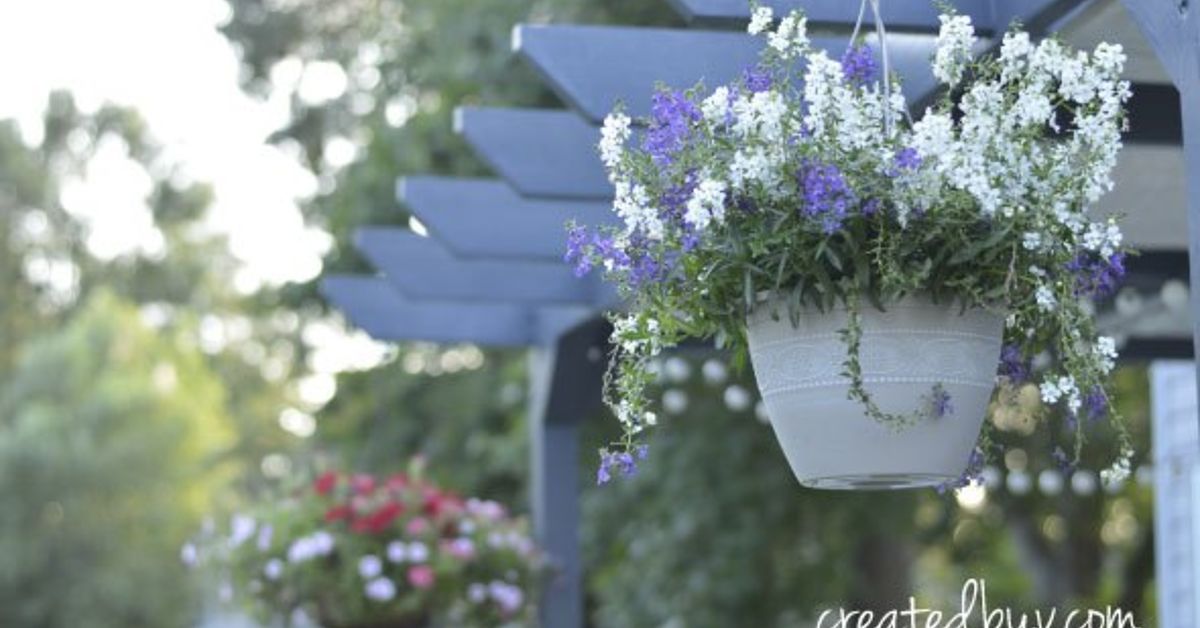
Cottage-style decorating begins before anyone steps inside. The exterior can set the tone with window boxes, climbing plants, trellises, painted shutters, a charming front door, lantern-style lighting, and a welcoming wreath. Even a small porch can feel cottage-like with a bench, potted herbs, a woven doormat, and seasonal flowers.
Cottage gardens are famously relaxed, abundant, and romantic. You do not need a perfect landscape plan. Curved paths, mixed flowers, herbs, shrubs, climbing roses, lavender, daisies, foxgloves, hydrangeas, and native plants can create a lush, informal look. The goal is to make the garden feel alive, not overly controlled. A cottage garden should look like nature helped decorate and then politely refused to clean up.
Modern Cottage Style: Keep the Charm, Lose the Clutter
Modern cottage style is ideal for people who love cottage warmth but do not want every surface covered with lace doilies, porcelain rabbits, and mysterious tiny spoons. It keeps the cozy foundation but simplifies the overall look. Use cleaner lines, fewer accessories, warmer neutrals, and a more edited mix of vintage pieces.
For example, choose one large floral wallpaper accent wall instead of floral everything. Use a simple linen sofa with antique wood tables. Pair white walls with vintage art and warm lighting. Display a few favorite ceramics rather than an entire shelf that looks one sneeze away from disaster. Modern cottage decorating is charming, but it knows when to stop.
Common Cottage Decorating Mistakes to Avoid
Because cottage style is relaxed, it can be tempting to keep adding “just one more” charming thing. Then suddenly the room has seventeen baskets, six floral prints, four ruffled pillows, and a ceramic goose judging you from the mantel. Editing matters.
Too Much Clutter
Cottage style is collected, not chaotic. Leave breathing room on shelves, tables, and walls. A few meaningful items look better than too many random ones.
Only Buying New Pieces
Brand-new furniture can work, but cottage interiors need age and texture. Add vintage, thrifted, handmade, or inherited items to avoid a flat showroom look.
Ignoring Lighting
Lighting can make or break a cottage room. Use warm bulbs, lamps at different heights, and soft shades. Harsh lighting will make even the prettiest floral wallpaper look nervous.
Matching Everything
A perfectly matched furniture set usually feels too formal for cottage style. Mix finishes, eras, patterns, and materials while repeating a few colors for balance.
Budget-Friendly Cottage Decorating Ideas
You do not need a large budget to create a cottage-style home. Some of the best cottage decor ideas are affordable because the style naturally embraces secondhand finds, DIY projects, and simple materials.
- Paint an old dresser instead of buying a new storage piece.
- Replace basic cabinet knobs with ceramic, brass, or glass hardware.
- Frame pressed flowers, vintage postcards, or fabric scraps.
- Use baskets for attractive storage in every room.
- Hang café curtains made from linen, cotton, or even a pretty tablecloth.
- Shop thrift stores for lamps, mirrors, art, and small wood furniture.
- Add beadboard panels or peel-and-stick wallpaper to small spaces.
The most budget-friendly cottage design strategy is patience. Cottage rooms look best when they are built slowly. Let the room evolve. Find pieces with stories. Wait for the right chair. Rescue the odd little table. A cottage home should feel like a life in progress, not a weekend shopping sprint.
Real-Life Experience: What Cottage-Style Decorating Teaches You
One of the best things about cottage-style decorating is that it becomes easier once you stop trying to make the room perfect. In real homes, the most inviting cottage spaces are rarely flawless. They are practical, layered, and personal. The chair may be slightly worn, the bookshelf may hold novels next to board games, and the kitchen counter may have a bowl of lemons sitting beside school papers, keys, and one mysterious screw nobody wants to throw away.
When decorating in a cottage style, the first experience many people have is learning how powerful small changes can be. A room does not always need new flooring or expensive furniture. Sometimes it needs softer curtains, a warmer lamp, a vintage mirror, and a better rug. In one plain living room, replacing cold gray pillows with cream linen covers, adding a thrifted wood coffee table, and hanging botanical prints can completely change the atmosphere. The room suddenly feels less like a waiting area and more like a place where someone might read, nap, or have a serious conversation about pie.
Another real-life lesson is that storage must be beautiful and functional. Cottage homes often use baskets, trunks, benches, hutches, and open shelves because these pieces solve problems while adding charm. A woven basket can hold blankets in the living room, towels in the bathroom, or toys in a family room. A vintage hutch can store dishes, craft supplies, or linens. The magic is that cottage storage does not scream “I am hiding clutter.” It whispers, “Look, I am useful and adorable.”
Cottage-style decorating also teaches you to trust imperfection. A scratched table can still be beautiful. A mismatched chair can make a dining room feel more interesting. A faded rug may bring more warmth than a pristine new one. This is especially helpful for families, pet owners, renters, and anyone who does not want to live in fear of a coffee cup. Cottage design understands that homes are meant to be used.
In practice, the best approach is to decorate in layers. Start with a soft color palette and comfortable furniture. Add natural textures such as wood, linen, wicker, and wool. Then bring in personality through art, books, flowers, ceramics, and vintage pieces. Step back often. If the room feels cozy but still easy to move through, you are on the right track. If every surface is full and dusting requires emotional preparation, edit a little.
Finally, cottage style works best when it reflects the people who live there. Your version might be coastal with blue stripes and seashells. It might be English-inspired with florals, antiques, and garden colors. It might be modern cottage with clean lines and warm neutrals. The point is not to copy a magazine photo exactly. The point is to create a home that feels welcoming when you walk in, comforting when life gets loud, and charming enough that even your laundry pile looks slightly more romantic. Slightly.
Conclusion: Build a Cottage Home That Feels Like You
Cottage-style decorating is less about following strict rules and more about creating a feeling. It is the feeling of sunlight on linen curtains, flowers in a chipped pitcher, a soft chair near a good lamp, and a kitchen that welcomes conversation. It combines comfort, nature, vintage character, and personal details in a way that feels timeless and deeply human.
To bring cottage-style design into your home, start with soft colors, natural materials, cozy textiles, and furniture that feels collected over time. Add vintage pieces, botanical patterns, warm lighting, and practical storage. Keep what feels meaningful. Edit what feels excessive. Most of all, let your home look lived in. Cottage style is not about pretending life is perfect; it is about making everyday life feel a little softer, warmer, and more beautiful.