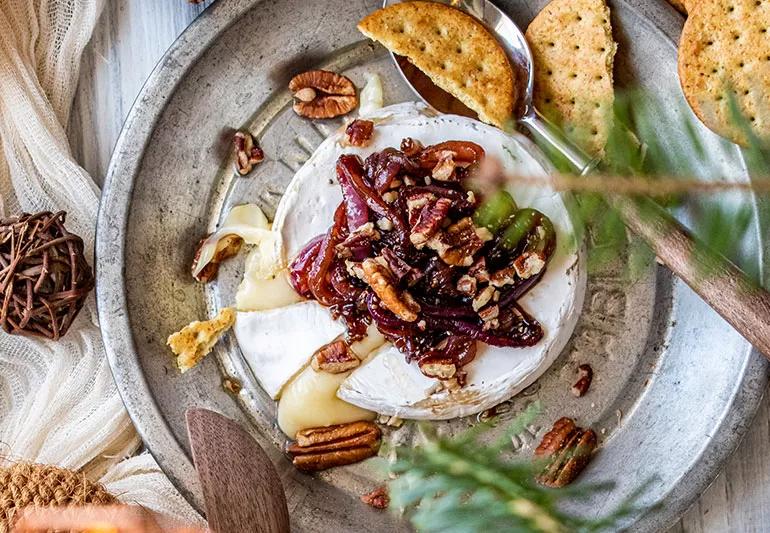
Holiday Zinfandel Chia Onion Relish is the tiny condiment with big main-character energy. It is glossy, sweet, tangy, savory, and just dramatic enough to make turkey, ham, roasted vegetables, sandwiches, cheese boards, and leftover plates feel like they got invited to a better party. Think of it as cranberry sauce’s stylish cousinthe one who shows up in a velvet blazer, brings homemade jam, and somehow knows exactly where the good crackers are hiding.
This recipe takes the classic idea of an onion relish and gives it a festive twist with a Zinfandel-inspired flavor profile: dark grape notes, berry-like sweetness, a little peppery warmth, and a rich syrupy finish. To keep the recipe family-friendly and easy to serve at mixed holiday gatherings, this version uses nonalcoholic red grape or pomegranate juice with balsamic vinegar, a splash of red wine vinegar, and a pinch of black pepper to mimic the fruity depth people associate with Zinfandel-style cooking. Chia seeds do the quiet magic in the background, helping the relish thicken naturally without turning it into a sticky sugar bomb.
The result is a spoonable, jewel-toned relish that tastes fancy but does not require culinary school, a copper jam pan, or an emotional support whisk. If you can slice onions, stir patiently, and resist eating half of it straight from the pan, you can make this holiday condiment like a pro.
What Is Holiday Zinfandel Chia Onion Relish?
Holiday Zinfandel Chia Onion Relish is a sweet-savory onion condiment made by gently cooking red onions until tender, then simmering them with a fruit-forward liquid, a touch of sweetener, vinegar, spices, and chia seeds. The onions soften and mellow. The juice reduces into a glossy glaze. The chia seeds absorb moisture and create a light jammy texture. The final flavor lands somewhere between onion jam, cranberry relish, chutney, and festive pan sauce.
Traditional onion jam recipes often rely on sugar, wine, vinegar, and long simmering to create a concentrated condiment. Cranberry relish brings brightness and tartness to rich holiday meals. This recipe borrows the best habits from both: the deep savoriness of cooked onions and the cheerful acidity of a holiday relish. It is excellent with turkey breast, roast chicken, glazed ham, pork tenderloin, baked brie, sharp cheddar, stuffing muffins, roasted squash, and even a next-day sandwich that needs a little sparkle.
Why This Relish Works
Red onions bring sweetness and color
Red onions are ideal here because they soften into a mild, sweet base while keeping a beautiful reddish-purple tone. When cooked slowly, their sharper bite relaxes, leaving behind a savory sweetness that feels cozy rather than aggressive. Nobody wants a holiday relish that tastes like it is yelling at the mashed potatoes.
Chia seeds create natural thickness
Chia seeds are famous for their ability to absorb liquid and form a gel-like texture. In this relish, they act like tiny culinary stagehands: almost invisible, very useful, and not looking for applause. Instead of adding a lot of sugar or cooking the mixture forever, chia helps the relish become spoonable and glossy. It also adds fiber and a subtle texture that makes the condiment feel modern and wholesome.
Zinfandel-style flavor adds holiday depth
Zinfandel is often associated with bold fruit flavors such as berry, plum, cherry, and gentle spice. This alcohol-free version builds a similar profile with red grape juice or pomegranate juice, balsamic vinegar, red wine vinegar, black pepper, and optional orange zest. The flavor is rich enough for roasted meats but bright enough to wake up creamy cheeses and buttery side dishes.
Holiday Zinfandel Chia Onion Relish Recipe
Recipe overview
- Prep time: 10 minutes
- Cook time: 20 to 25 minutes
- Total time: About 35 minutes
- Yield: About 1 cup
- Best for: Thanksgiving, Christmas, holiday brunch, cheese boards, leftover sandwiches, roasted meats, and vegetarian holiday plates
Ingredients
- 1 large red onion, thinly sliced
- 1 teaspoon extra-virgin olive oil
- 1 1/2 teaspoons agave nectar, honey, or maple syrup
- 1/4 cup unsweetened red grape juice or pomegranate juice
- 1 tablespoon balsamic vinegar
- 1 teaspoon red wine vinegar or apple cider vinegar
- 1/2 teaspoon chia seeds
- 1/8 teaspoon fine sea salt, plus more to taste
- 1/8 teaspoon freshly ground black pepper
- Optional: 1/2 teaspoon orange zest
- Optional: 1 small sprig fresh thyme or rosemary
- Optional: pinch of ground cinnamon or allspice
Instructions
- Slice the onion thinly. Cut the red onion from root to tip, then slice it into thin half-moons. Thin slices cook faster and create a softer, more elegant relish.
- Soften the onion. Warm the olive oil in a small skillet or saucepan over medium-low heat. Add the sliced onion and salt. Cook for 8 to 10 minutes, stirring often, until the onion softens and turns glossy. If the onion starts browning too quickly, lower the heat.
- Add sweetness. Stir in the agave nectar, honey, or maple syrup. Cook for 2 to 3 minutes, allowing the onions to become lightly caramelized. They should smell sweet and savory, not burnt.
- Build the Zinfandel-style glaze. Add the red grape juice or pomegranate juice, balsamic vinegar, red wine vinegar, black pepper, and optional herbs or warm spices. Stir well, scraping up any flavorful bits from the pan.
- Reduce until syrupy. Simmer gently for 8 to 12 minutes, stirring occasionally, until the liquid reduces and lightly coats the onions.
- Add chia seeds. Stir in the chia seeds and cook for 1 to 2 more minutes. Remove the pan from the heat and let the relish sit for 5 minutes. The chia will continue thickening the mixture as it cools.
- Taste and adjust. Add more vinegar for brightness, a tiny drizzle of sweetener for softness, or a pinch of salt if the flavor tastes flat.
- Serve warm or chilled. Spoon it into a small bowl and serve with turkey, ham, roast chicken, baked brie, crackers, sandwiches, or roasted vegetables.
Chef-Style Tips for Better Flavor
Cook the onions slowly
The most important step is giving the onions enough time to soften. Medium-low heat is your friend. High heat will brown the edges before the centers relax, creating a harsh flavor. Slow cooking brings out sweetness and makes the relish taste layered instead of rushed. Holiday cooking already has enough chaos; let the onions be the calm part.
Use pomegranate juice for a tart finish
Red grape juice gives the relish a round, sweet, wine-like fruitiness. Pomegranate juice makes it brighter and more tart. For the best balance, use half grape juice and half pomegranate juice. That combination gives the relish enough fruit to feel festive and enough acidity to cut through rich foods.
Do not overdo the chia
Chia seeds are powerful. A little goes a long way. Too much can make the relish overly thick or pudding-like, and while holiday onion pudding is certainly a phrase, it is not a goal. Start with 1/2 teaspoon. If you want a thicker texture after the relish cools, add another tiny pinch and let it sit.
Balance sweet, sour, and savory
A good relish should not taste like candy. It should have sweetness, yes, but also tang, salt, and aromatic depth. If the relish tastes too sweet, add a few drops of vinegar. If it tastes too sharp, add a small drizzle of sweetener. If it tastes boring, add salt. Salt is not just for making food salty; it helps flavors stand up and introduce themselves properly.
Serving Ideas for Holiday Meals
This relish is small but flexible. Serve it beside sliced turkey breast the way you would cranberry relish. Spoon it over roasted pork tenderloin for a glossy, dinner-party finish. Add it to a cheese board with brie, goat cheese, aged cheddar, blue cheese, toasted walnuts, crisp apples, and seeded crackers. It also works beautifully with vegetarian dishes such as roasted acorn squash, lentil loaf, mushroom Wellington, crispy potatoes, or a warm grain bowl.
For appetizers, spread softened cream cheese or whipped goat cheese onto crostini, then top each piece with a small spoonful of the relish and a few thyme leaves. For a dramatic party snack, spoon the relish over warm baked brie and scatter chopped pecans on top. It looks luxurious, tastes balanced, and requires very little effort, which is exactly the kind of holiday math we support.
For leftovers, use it as a sandwich spread with turkey, stuffing, and greens. Mix a spoonful into mayonnaise for a quick holiday aioli. Add it to a grilled cheese sandwich with sharp cheddar. Stir a little into pan gravy for extra fruitiness. Or serve it with breakfast potatoes and eggs after the holiday, when everyone is pretending they are “just having a small plate” for the fifth time.
Make-Ahead and Storage Tips
Holiday Zinfandel Chia Onion Relish is an excellent make-ahead recipe. In fact, the flavor improves after a few hours because the onions, vinegar, fruit, and spices have time to mingle. Prepare it one to two days before serving, cool it completely, and store it in an airtight container in the refrigerator.
This is a refrigerator relish, not a shelf-stable canned preserve. Do not store it at room temperature or treat it like a tested canning recipe. Keep it chilled and use clean utensils when serving. For best quality, enjoy it within 3 to 4 days. If it smells off, looks fizzy, grows mold, or makes you suspicious in any way, throw it out. The holidays are not the time to negotiate with questionable condiments.
Variations You Can Try
Cranberry Zinfandel-style onion relish
Add 1/4 cup chopped fresh or frozen cranberries when you add the juice. The cranberries will soften and pop, creating a tart, ruby-colored relish that feels especially Thanksgiving-friendly.
Apple onion relish
Add 1/4 cup finely diced apple during the last 8 minutes of cooking. Choose a firm apple such as Honeycrisp, Pink Lady, or Granny Smith. The apple adds crunch, sweetness, and a cozy orchard flavor.
Spicy holiday relish
Add a pinch of crushed red pepper flakes or a tiny amount of minced jalapeño. Keep the heat gentle. The goal is warmth, not a condiment that starts a family meeting.
Herbed cheese-board relish
Add fresh thyme, rosemary, or sage while the relish simmers, then remove any woody stems before serving. Herbs make the relish especially good with cheese, crackers, nuts, and roasted meats.
Common Mistakes to Avoid
Rushing the onions
If you rush the onions, they may taste sharp instead of sweet. Give them time to soften before adding the juice and vinegar. The difference is huge.
Adding too much liquid
This recipe is meant to be a relish, not soup with ambitions. If the mixture looks watery, simmer it a little longer before adding the chia seeds.
Skipping the acid
Vinegar is not optional if you want balance. Without acidity, the relish can taste heavy and flat. Balsamic vinegar adds depth, while red wine vinegar or apple cider vinegar adds brightness.
Serving it ice-cold with cheese
If serving with brie, goat cheese, or cheddar, let the relish sit at room temperature for 10 to 15 minutes first. The flavor opens up, and the texture becomes silkier.
Nutrition Notes
This relish is designed to deliver big flavor in small servings. Onions provide natural sweetness and savory depth. Chia seeds add fiber and help thicken the mixture without needing a heavy amount of sugar. Using fruit juice, vinegar, and spices keeps the condiment bright and flavorful while still feeling lighter than many traditional jams or chutneys.
Because it is a condiment, portion size matters. A spoonful can transform a plate without overwhelming it. That is the beauty of a good relish: it does not need to be the whole show. It just needs to make everything else taste more intentional.
Experience: Why This Relish Belongs on the Holiday Table
The first time you make a holiday onion relish like this, it may feel almost too simple. One onion, a splash of fruit juice, a little vinegar, a touch of sweetener, a few chia seedsnothing about that list screams “showstopper.” Then the onions begin to soften, the pan turns fragrant, and the liquid reduces into a glossy glaze. Suddenly, the kitchen smells like something that took far more effort than it actually did. That is the kind of recipe every holiday cook needs: low drama, high reward.
What makes this relish especially useful is how well it solves the classic holiday plate problem. Many festive meals are rich, buttery, salty, and comforting. That is wonderful, obviously. Nobody waits all year for dry lettuce and emotional restraint. But a plate full of turkey, stuffing, potatoes, gravy, casseroles, rolls, and cheese can start to feel heavy. A bright condiment cuts through that richness. Cranberry sauce usually does the job, but this Zinfandel-style chia onion relish brings a deeper, more savory personality. It has sweetness, but it also has oniony warmth, tangy vinegar, and a gentle peppery finish.
It is also a great recipe for hosts because it feels special without demanding attention at the worst possible time. You can make it the day before, tuck it into the refrigerator, and bring it out when the table is ready. No last-minute whisking. No oven space negotiation. No panic about whether it will collapse, curdle, or require a torch. It simply waits patiently in its container like a well-behaved guest.
Another reason to love this relish is its flexibility. At dinner, it belongs beside turkey or ham. During appetizers, it belongs on crostini or baked brie. After the holiday, it becomes the secret weapon for leftovers. A turkey sandwich with stuffing and plain mayonnaise is fine. A turkey sandwich with stuffing, greens, and this relish is suddenly a café sandwich with a strong sense of purpose. It also works on grilled cheese, roasted vegetables, veggie burgers, and even breakfast potatoes. If your refrigerator is packed with holiday leftovers, this little relish helps them feel new again.
The chia seeds are a small but clever detail. They thicken the relish gently, giving it body without making it stiff. They also help the mixture cling to crackers, cheese, and sliced meat instead of sliding around the plate like it has somewhere else to be. The texture is modern but not strange, especially because the seeds soften as the relish rests.
For families, the nonalcoholic approach is practical. It gives the recipe a Zinfandel-inspired flavor without making the condiment awkward for guests who avoid alcohol. Red grape juice brings round fruitiness, pomegranate juice brings tart sparkle, balsamic vinegar brings depth, and black pepper gives the whole thing a subtle grown-up edge. It feels festive, polished, and inclusive.
In the end, Holiday Zinfandel Chia Onion Relish earns its place on the table because it does what great holiday food should do: it makes familiar dishes feel a little more exciting. It is easy enough for a weeknight but special enough for a celebration. It is sweet without being sugary, tangy without being sharp, and elegant without acting like it owns a tiny spoon collection. Make one batch, and do not be surprised if next year someone asks, “Are you bringing that onion thing again?” That is when you know a recipe has officially joined the family.
Conclusion
Holiday Zinfandel Chia Onion Relish is a small-batch condiment with big holiday charm. It blends tender red onions, fruit-forward Zinfandel-style flavor, bright vinegar, gentle sweetness, and chia-powered thickness into a relish that works across the whole festive table. Serve it with turkey, ham, roasted vegetables, cheese boards, baked brie, crostini, or leftover sandwiches. Make it ahead, keep it chilled, and let it bring a glossy little burst of sweet-savory flavor wherever your holiday menu needs a lift.
Note: This family-friendly version is inspired by the fruity, peppery flavor profile often associated with Zinfandel-style holiday cooking, while using nonalcoholic ingredients suitable for a wider range of guests.