Note: This publication-ready article is synthesized from current U.S. appliance-testing guidance, consumer safety information, food-safety recommendations, and real air fryer feature examples from major kitchen appliance brands.
Buying an air fryer used to be simple: find a basket, press a button, hope your fries came out crisp instead of emotionally damp. Now the air fryer aisle looks like a tiny appliance convention. There are dual baskets, viewing windows, smart probes, toaster-oven hybrids, dehydrating modes, app controls, “finish together” settings, ceramic-coated baskets, shake reminders, and enough preset icons to make the control panel look like a spaceship that really loves chicken wings.
The good news? You do not need every flashy feature. The better news? A few of them are genuinely worth paying for, especially if you cook often, feed more than one person, or have ever tried to time salmon, sweet potato fries, and broccoli so they all land on the table hot instead of in three separate emotional chapters.
This guide breaks down the air fryer features worth investing in, the air fryer must-have features every model should include, and the upgrades that sound exciting but may not matter in everyday cooking. Think of it as your practical, no-nonsense air fryer buying guidewith just enough personality to keep the frozen tots awake.
Before You Pay More: What Makes an Air Fryer Feature Actually Useful?
A useful air fryer feature should do at least one of three things: improve cooking results, make the appliance safer, or reduce the work you do before and after dinner. If a feature only sounds fancy but does not help food cook evenly, save time, simplify cleaning, or prevent kitchen chaos, it belongs in the “nice marketing, but no thank you” drawer.
Air fryers work by circulating hot air quickly around food. That means airflow, basket design, heat control, and space matter more than a long list of gimmicks. A small, well-designed air fryer with precise temperature control can outperform a giant model that looks impressive but cooks unevenly. Likewise, a dishwasher-safe basket may be more valuable than seventeen presets if you cook greasy wings on a Tuesday night and do not want to spend your evening scrubbing like you are restoring an archaeological artifact.
Let’s start with the features every air fryer should have before we move into the bonus upgrades that are worth the extra money.
3 Features Every Air Fryer Should Have
1. Precise Time and Temperature Controls
The first must-have feature is simple but non-negotiable: your air fryer should let you adjust both time and temperature clearly. Presets are convenient, but they should not replace manual control. A “fries” button cannot know whether your fries are shoestring, waffle-cut, homemade, frozen, crowded, lightly oiled, or buried under a mountain of optimism.
Look for a model with a broad temperature range and easy adjustments. Many modern air fryers can cook at low temperatures for dehydrating or proofing and reach high temperatures for crisping, roasting, and reheating. A range around 90°F to 450°F is especially versatile, but even a more basic model should allow enough flexibility for common foods like chicken, vegetables, frozen appetizers, fish, and leftovers.
Why does precision matter? Because five extra minutes or 25 extra degrees can turn golden chicken tenders into crunchy regret. Manual controls also help you follow recipes from different sources, many of which call for specific temperatures rather than preset programs. The best setup is usually a digital display with responsive buttons or a dial that lets you change settings quickly without tapping through a menu that feels designed by someone who hates dinner.
A pause function is another small but useful detail. Many good basket-style air fryers pause when the basket is pulled out, then resume when it is pushed back in. That makes it easier to shake fries, flip vegetables, or check chicken without restarting the entire cook cycle. It is not glamorous, but neither is overcooked salmon.
2. A Removable, Easy-Clean Basket and Crisper Plate
If the basket is annoying to clean, you will slowly stop using the air fryer. That is not a prediction; it is kitchen appliance destiny. The second must-have feature is an easy-clean basket system, ideally with a removable crisper plate or tray that allows hot air to circulate underneath the food.
A good air fryer basket should slide in and out smoothly, feel sturdy, and have a nonstick or ceramic-coated interior that releases food without requiring a chisel. Dishwasher-safe parts are a major convenience, especially for busy households, although hand washing can help protect nonstick coatings over time. The key is that the basket, tray, and crisper plate should be removable and washable without needing special tools, tiny brushes, or the patience of a monk.
The crisper plate matters because it lifts food away from the bottom of the basket. That gap allows hot air to move around the food instead of steaming it from below. Without that airflow, fries and nuggets can end up crisp on top and soggy underneaththe culinary equivalent of wearing a tuxedo with wet socks.
Also check for hidden crevices around handles, release buttons, and basket corners. Grease loves hiding in small spaces. If a basket looks like it has more grooves than a 1970s record collection, cleaning may become a weekly battle.
3. Smart Safety Basics: Auto Shutoff, Heat Protection, and Stable Design
Every air fryer should include basic safety features. At minimum, look for automatic shutoff, overheat protection, a stable base, and handles that stay reasonably cool during normal use. Air fryers cook with intense heat and strong airflow, so safety should not be treated as a luxury upgrade.
Automatic shutoff is especially important. It helps reduce the risk of overheating and prevents the appliance from continuing to run unattended after a cycle ends. Overheat protection is another valuable feature, particularly because blocked vents, grease buildup, or overcrowded baskets can interfere with airflow. A good air fryer should also sit firmly on the counter and have enough clearance around its vents so hot air can escape properly.
Safety is not only about the appliance; it is also about how it is used. Place the air fryer on a flat, heat-resistant surface. Keep it away from curtains, paper towels, plastic cutting boards, and the magical pile of mail that somehow migrates to every kitchen counter. Do not block the vents, do not overfill the basket, and do not pour oil into the drawer as if you are deep-frying at a county fair.
For cooking meat, poultry, and seafood, a food thermometer is still your best friend. Air fryers are fast, but speed does not replace safe internal temperatures. Chicken should be checked at the thickest part, not judged by vibes, color, or whether the coating looks confident.
4 Bonus Air Fryer Features Worth Investing In
Once the essentials are covered, a few bonus features can make an air fryer much more useful. These are not mandatory for every household, but they are worth paying more for if they match the way you cook.
1. Dual Basket or Dual Zone Cooking
A dual basket air fryer is one of the most practical upgrades for families, couples, meal preppers, and anyone who likes food groups to arrive together instead of one at a time. Dual zone models let you cook two foods at different temperatures or times in separate compartments. Some models include sync-finish features that automatically coordinate the timing so both sides finish together.
This is not just a flashy trick. It solves a real dinner problem. Chicken thighs may need a longer cook at one temperature, while green beans need less time and a different setting. In a single-basket air fryer, you either cook in batches or compromise one food for the other. With dual zones, dinner becomes less like a juggling act and more like a plan.
The best dual basket air fryers are especially helpful for picky eaters. You can cook spicy wings on one side and plain nuggets on the other. You can reheat pizza for one person and roast vegetables for another. You can make fries and fish sticks without forcing them to share a tiny hot-air apartment.
The trade-off is size. Dual basket models take up more counter space and may cook a little slower than compact single-basket air fryers because there is more interior volume to heat. If you cook for one and have limited counter space, a dual zone model may be overkill. But for multi-part meals, it is one of the few upgrades that truly changes how useful an air fryer feels.
2. A Viewing Window and Interior Light
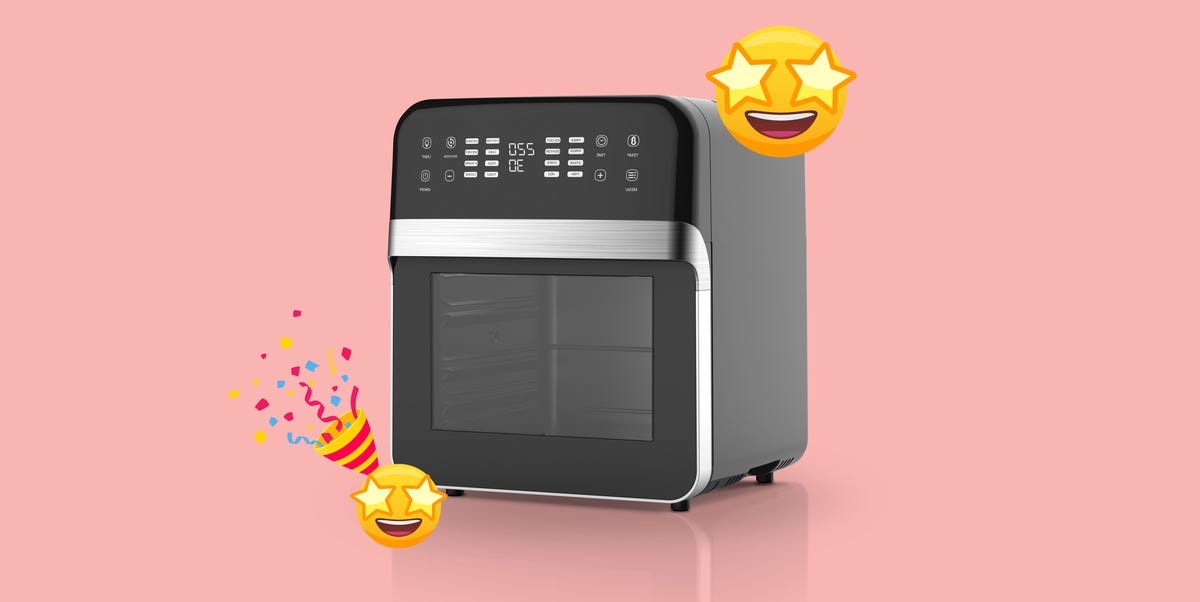
A viewing window may sound minor until you realize how often you open the basket just to peek. Every time you pull the basket out, heat escapes and cooking pauses. A clear window with an interior light lets you monitor browning without interrupting airflow.
This feature is especially helpful for foods that move quickly from “almost perfect” to “why does it smell like a campfire?” Think grilled cheese, garlic bread, thin vegetables, frozen snacks, and anything coated in sugar or cheese. A window lets you catch the moment when food turns golden without playing the old open-close-open-close game.
There is another benefit: confidence. New air fryer users often worry that food is burning, drying out, or not cooking at all. Being able to see inside reduces guesswork and makes the appliance feel friendlier. It is like having a tiny oven theater, except the drama is whether mozzarella sticks survive.
When shopping, look for a window that is easy to clean and positioned where you can actually see the food. A foggy, tiny, awkwardly angled window is not much help. An interior light is what makes the feature truly useful, especially if your kitchen lighting turns every appliance into a mysterious black box.
3. A Built-In Smart Probe or Meat Thermometer
A smart probe is one of the best bonus features for people who cook chicken, steak, pork, fish, or larger cuts in an air fryer. Instead of guessing when the center is done, the probe tracks internal temperature while the food cooks. Some advanced models can adjust cooking time based on doneness, helping you avoid dry chicken breasts and undercooked pork chops.
This feature is especially valuable because air fryers brown food quickly. That beautiful crisp exterior can trick you into thinking the inside is fully cooked. A probe cuts through the suspense. It is the difference between “I think this is done” and “this is actually done.” Your dinner guests will appreciate the distinction, especially their digestive systems.
Smart probes are also useful for thicker proteins that do not behave predictably. Two chicken breasts can look the same but cook differently depending on thickness. A probe helps manage that variation. It is also helpful for reheating meats without drying them out, because you can stop at the right internal temperature instead of blasting leftovers until they resemble edible cardboard.
You do not need a built-in probe if you already own a reliable instant-read thermometer and actually use it. But if your thermometer lives in a drawer next to expired batteries and three mystery keys, a built-in probe may make safe cooking easier and more consistent.
4. Multi-Function Cooking Modes That You Will Actually Use
Many air fryers now offer additional modes such as roast, bake, broil, reheat, dehydrate, proof, toast, and keep warm. These features are worth investing in when they match your cooking habits and when the appliance performs those jobs well.
The most useful extra mode for many households is reheat. Air fryers are outstanding at bringing leftovers back to life. Pizza gets crisp again. Fries regain some dignity. Fried chicken becomes crunchy without turning soggy in the microwave. If you routinely reheat takeout, a good reheat mode may earn its keep quickly.
Roast and bake modes are also practical. They allow you to cook vegetables, small cakes, biscuits, chicken pieces, and quick weeknight meals without heating a full-size oven. In hot weather, that alone can feel like a gift from the appliance gods.
Dehydrate is useful if you make fruit chips, jerky, dried herbs, or snacks for kids and pets. However, it usually requires long cooking times and low temperatures, so it is only worth paying extra for if you will actually use it. Be honest with yourself. If you have never once thought, “I wish I could spend eight hours drying apple slices,” this may not be your feature.
Air fryer toaster oven combos can be worth the investment if you want one appliance that can toast, bake, broil, roast, and air fry. They usually offer larger capacity and more rack positions than basket-style models. However, dedicated basket air fryers often crisp faster because the cooking chamber is smaller and the heat is more concentrated. Choose a toaster oven style if versatility matters more than maximum crunch; choose a basket style if your top priority is fast, crispy food.
Features That Sound Fancy but May Not Be Necessary
Not every upgrade deserves your money. App control, for example, can be useful for recipe guidance, reminders, and monitoring, but many appliances limit remote start for safety reasons. That means the app may help you plan dinner, but it will not magically cook fries while you are across town pretending traffic is not ruining your evening.
Too many presets can also be overrated. A few helpful presets are fine, especially for beginners, but dozens of icons can clutter the panel without improving performance. Manual controls are usually more important than a dedicated button for shrimp, muffins, or “miscellaneous beige frozen snack.”
Oversized capacity is another feature to evaluate carefully. A huge air fryer sounds great until it claims half your counter and takes longer to preheat or crisp small portions. Capacity should match your household. For one or two people, a compact model may be faster and easier. For families, dual baskets or a larger oven-style model may make more sense.
How to Choose the Best Air Fryer Features for Your Kitchen
Start with what you cook most. If you mainly reheat leftovers and make frozen snacks, prioritize easy cleaning, manual controls, and a viewing window. If you cook full dinners, consider dual zones and a larger capacity. If you cook meat often, a smart probe is worth serious consideration. If you want to replace a toaster oven, look at an air fryer toaster oven with bake, broil, toast, and reheat modes.
Next, measure your counter space. Air fryers need room around their vents, so do not buy a model that only fits if it touches the wall, the coffee maker, and your last nerve. Check the appliance dimensions and think about storage. A bulky air fryer that is hard to move may end up living in a cabinet, which is where good intentions go to nap.
Finally, read cleaning instructions before buying. If the basket is not dishwasher-safe, that is not automatically a deal breaker, but it should be easy to wash by hand. If the manual warns against submerging parts that look like they absolutely need soaking, reconsider. Cleanup is part of the cooking experience, whether appliance brands want to admit it or not.
Best Feature Combinations by Type of Cook
For Busy Families
Choose dual baskets, sync-finish cooking, dishwasher-safe parts, and a large enough capacity for real meals. A viewing window is a bonus because it reduces constant checking when everyone is hungry and someone is asking whether dinner is ready every 47 seconds.
For Small Kitchens
Choose a compact basket-style air fryer with precise controls, auto shutoff, and easy cleaning. Skip oversized models unless you have storage space. A smaller, efficient air fryer is better than a giant one that requires rearranging your kitchen like furniture before every use.
For Health-Focused Cooks
Choose a model with a crisper plate, good airflow, adjustable temperature, and a smart probe if you cook lean proteins. Look for low-oil cooking performance and avoid overcrowding, which can cause steaming instead of crisping.
For Leftover Lovers
Prioritize reheat mode, a viewing window, and easy-clean parts. Air fryers are excellent for pizza, fries, roasted vegetables, chicken tenders, and anything that should be crisp rather than microwave-sad.
Real-Life Experience: What Actually Matters After the First Week
The first week with an air fryer is usually full of enthusiasm. You make fries, nuggets, maybe some broccoli because balance is important, and you announce to anyone nearby that the appliance is “actually amazing.” By week three, the truth appears: the best air fryer is not the one with the most features. It is the one you do not mind using on a tired Wednesday night.
In everyday cooking, the feature that tends to matter most is cleanup. A removable basket and crisper plate can make the difference between using the air fryer daily and avoiding it because last night’s wing sauce has become part of the architecture. Dishwasher-safe parts are convenient, but even quick hand washing is fine if the coating releases food easily. The worst experience is a basket that traps grease in corners and forces you to scrub around screws, seams, and handle gaps.
The second thing you notice is whether the controls are easy when your hands are busy. A stylish touchscreen looks lovely in product photos, but if it requires six taps to add three minutes, the romance fades quickly. A simple dial or responsive buttons can feel more premium than a glossy panel that behaves like it is thinking about your request.
Dual basket cooking is one of those upgrades that feels unnecessary until you use it for a full meal. Cooking salmon on one side and asparagus on the other is not just convenient; it changes the rhythm of dinner. You stop planning around batches. You stop serving one hot item with one lukewarm item. You stop pretending that eating fries first while the chicken finishes is “courses.” For households with different tastes, dual zones are even better. Spicy food and plain food can coexist peacefully, which is more than can be said for many family group chats.
A viewing window also earns more respect over time. It seems like a small luxury, but it prevents unnecessary opening and closing. You can watch cheese bubble, vegetables brown, and toast edges darken before they cross into danger territory. It is especially useful for new users who are still learning how quickly their machine cooks.
The smart probe is more situational, but for meat it can be a game changer. Chicken breasts are notorious for going from underdone to dry in a short window. A probe helps you stop cooking based on temperature rather than panic. Even if you do not use it every day, it reduces anxiety when cooking thicker proteins.
What rarely matters as much as expected? A huge preset library. Most cooks eventually use manual temperature and time settings because they are more flexible. Presets can help beginners, but they should be treated as suggestions, not commandments carved into a basket of frozen fries.
The best experience comes from matching features to habits. If you cook snacks, buy simple and easy-clean. If you cook dinners, pay for dual zones. If you cook meat, consider a probe. If you hate surprises, get a window. And if a feature does not solve a problem you actually have, let it stay on the shelf looking fancy for someone else.
Conclusion: Pay for Features That Make Dinner Easier
The best air fryer features are not always the loudest ones on the box. Every air fryer should have precise time and temperature controls, removable easy-clean parts, and strong safety basics such as auto shutoff and heat-conscious design. Those features affect daily use, cooking results, and peace of mind.
The bonus features worth investing in are the ones that solve real kitchen problems: dual basket cooking for full meals, a viewing window for better monitoring, a smart probe for safer and juicier proteins, and multi-function modes that replace other appliances or improve leftovers. The right air fryer should make food crisp, cleanup manageable, and dinner less dramatic. Because the only thing that should be sizzling in your kitchen is the foodnot your patience.