Note: This article is for educational purposes only and does not replace a consultation with a board-certified dermatologist or plastic surgeon. Cellfina is an elective cosmetic treatment, and availability may vary because many practices have shifted to newer cellulite subcision devices or alternative technologies.
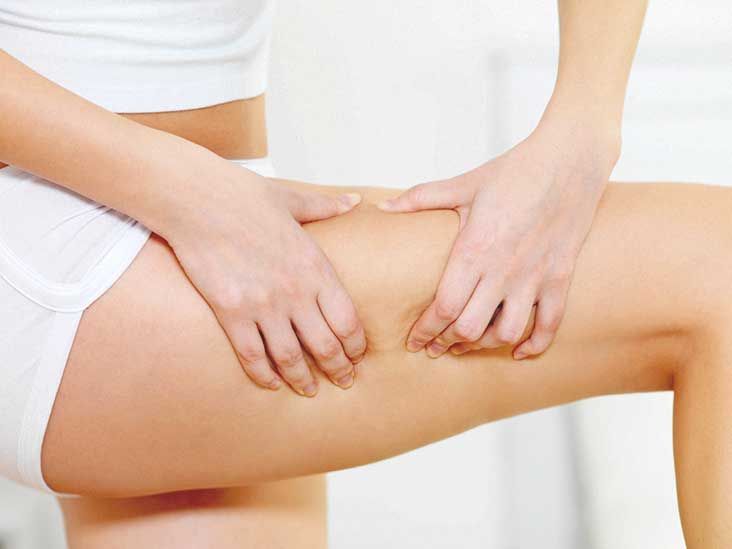
Cellulite is one of those skin topics that seems simple until you try to explain it without waving your hands in frustration. It is not just “fat,” it is not a sign that someone is unhealthy, and it is definitely not proof that your body has betrayed you. In plain English, cellulite happens when fibrous bands under the skin pull downward while fat and skin push upward, creating dimples, puckers, or an “orange peel” texture. Very dramatic for something so common.
Cellfina became popular because it targeted one specific type of cellulite: visible dimples caused by tight connective bands under the skin. Unlike creams that politely moisturize while promising the moon, Cellfina used a minimally invasive subcision technique to release those bands. For the right candidate, the result could be smoother-looking skin on the buttocks and thighs after a single treatment.
This guide explains what Cellfina is, how the procedure works, what it costs, how to judge Cellfina before-and-after pictures, possible side effects, recovery tips, and what results people can realistically expect.
What Is Cellfina?
Cellfina is a minimally invasive, FDA-cleared cellulite treatment designed to improve the appearance of cellulite dimples on the buttocks and thighs. The treatment uses a technique called tissue-stabilized guided subcision. That sounds like something from a medical textbook that skipped coffee, but the idea is straightforward: the provider numbs the area, uses suction to stabilize the skin, then releases the tight fibrous bands that are pulling the skin down.
Those bands are called septae. When they tug downward, they create dents. Cellfina cuts or releases those bands under the skin so the surface can look smoother. The treatment does not melt fat, tighten loose skin, or reshape the body. It is best understood as a dimple-release procedure, not a full-body smoothing wand from a beauty fairytale.
How Cellfina Works on Cellulite Dimples
To understand why Cellfina works for some people and not others, it helps to know the difference between cellulite dimples and cellulite waves. Dimples are usually distinct, round or oval depressions. They look like small dents in the skin. Waves or ripples are broader texture changes, often caused by skin laxity, fat distribution, or overall tissue structure.
Cellfina is designed for those individual depressions. If someone has a few well-defined dimples on the buttocks or back of the thighs, Cellfina may be a good match. If the concern is loose skin, widespread uneven texture, or general sagging, another treatment may be more appropriate.
Who Is a Good Candidate for Cellfina?
A good Cellfina candidate is usually an adult with noticeable cellulite dimples on the buttocks or thighs who wants improvement without major surgery. The ideal person has stable weight, realistic expectations, and understands that cellulite is normal and common. The goal is improvement, not turning human skin into polished marble.
Cellfina may be worth discussing with a physician if you have:
- Distinct cellulite dimples rather than broad skin looseness
- Cellulite on the buttocks or thighs
- Good general health
- No active infection, rash, or open wound in the treatment area
- Realistic expectations about improvement and healing time
It may not be the right choice if you are pregnant, have a bleeding disorder, bruise very easily, have uncontrolled medical conditions, or expect the treatment to remove all cellulite forever. A consultation is important because cellulite can have more than one cause, and the best treatment depends on the exact pattern.
The Cellfina Procedure: Step by Step
1. Consultation and Cellulite Mapping
The process starts with a consultation. The provider examines the dimples while you are standing because cellulite often looks different when lying down. This is also when they decide whether the dimples are caused by fibrous bands that Cellfina can release.
If you are a candidate, the provider may mark each dimple with a surgical marker. This mapping step matters because Cellfina treats individual dimples one by one. Think of it like creating a tiny battle plan, except the enemy is a connective tissue band and nobody has to wear armor.
2. Numbing the Area
Cellfina is performed with local anesthesia. The provider injects numbing solution into the treatment area so the procedure is more comfortable. You may feel pressure, tugging, or movement, but sharp pain should be minimized. Patients often describe the numbing portion as the least glamorous part of the experience, but it is also what makes the rest of the treatment manageable.
3. Tissue Stabilization
The Cellfina device uses suction to stabilize the skin around each marked dimple. Stabilization helps the provider work at a controlled depth. This is one of the features that made Cellfina different from traditional manual subcision, which depends heavily on freehand technique.
4. Releasing the Fibrous Band
Once the skin is stabilized, a tiny blade or microblade is inserted beneath the skin to release the fibrous septae causing the dimple. The release allows the skin to spring upward and smooth out over time. Each dimple is treated individually.
5. Bandaging and Compression
After treatment, the provider applies bandages and may recommend compression garments. Compression can help reduce swelling and support healing. You will receive aftercare instructions, including how to clean the area, when to return to normal activities, and what symptoms should prompt a call to the office.
How Long Does Cellfina Take?
A typical Cellfina appointment may take about 45 minutes to two hours, depending on the number of dimples being treated and how much preparation is needed. Treating a small number of dimples on the buttocks is usually faster than treating a larger area involving both buttocks and thighs.
Most people need only one Cellfina session for the treated dimples. That single-treatment appeal was one reason Cellfina attracted attention in the first place. However, untreated dimples can still appear later, and not every dimple responds equally.
Cellfina Cost: How Much Does It Usually Cost?
Cellfina cost in the United States has commonly ranged from about $2,500 to $8,000, with many quotes falling around $3,500 to $6,500. The final price depends on several factors, including the provider’s experience, geographic location, number of dimples treated, anesthesia, facility fees, and whether compression garments or follow-up visits are included.
For example, a patient treating 10 to 15 dimples on the buttocks in a smaller market may receive a lower quote than someone treating the buttocks and thighs in a major city such as New York, Los Angeles, Miami, or San Francisco. Cosmetic procedures love geography almost as much as real estate does.
Insurance does not cover Cellfina because it is cosmetic. Some clinics may offer financing plans, but patients should read the terms carefully. A low monthly payment can still add up, especially if interest is involved. The smartest move is to ask for a written quote that clearly lists what is included.
Questions to Ask About Cellfina Pricing
- Is the consultation fee applied to the treatment cost?
- Does the price include anesthesia?
- Are compression garments included?
- How many dimples are included in the quote?
- Are follow-up visits included?
- What happens if a dimple does not improve as expected?
Cellfina Before-and-After Pictures: What to Look For
Cellfina pictures can be helpful, but only if you view them with a detective’s eye. Before-and-after galleries should show the same body position, lighting, camera distance, and angle. If the “before” photo looks like it was taken under interrogation lighting and the “after” photo looks like a perfume commercial, be cautious.
Good Cellfina before-and-after pictures usually show improvement in specific dimples, not total perfection. The best galleries include multiple time points, such as before treatment, one month after, three months after, and one year after. Early photos may be affected by swelling or bruising, so final results are better judged after the tissue has settled.
How to Judge Cellfina Photos Fairly
- Look for consistent lighting and posture.
- Compare the exact same dimples, not just the overall silhouette.
- Check whether the photos show buttocks, thighs, or both.
- Notice whether the person had mild, moderate, or severe dimpling.
- Ask whether photos are from real patients treated by that provider.
Pictures are useful, but they are not a guarantee. Your skin thickness, cellulite pattern, healing response, and provider technique all influence the outcome.
Cellfina Results: When Will You See Improvement?
Some people notice early improvement within a few days or weeks, but swelling and bruising can temporarily hide the final result. Most patients judge their outcome around one to three months after treatment. The released bands need time to settle, and the tissue needs time to heal.
Clinical data supported long-lasting improvement for treated cellulite dimples, with later indication updates describing benefits through several years of observation. Still, real-world results vary. Some people see dramatic smoothing of individual dimples. Others see moderate improvement. A few may feel the change is too subtle for the cost.
It is also important to understand that Cellfina treats existing dimples caused by specific fibrous bands. It does not prevent every future dimple from forming. Aging, genetics, skin elasticity, weight changes, hormones, and lifestyle factors can still affect skin texture over time.
Cellfina Side Effects
The most common Cellfina side effects are temporary soreness, tenderness, bruising, swelling, and small areas of firmness. These effects are expected because the treatment works beneath the skin. In other words, your tissue has been politely but firmly reorganized, and it may complain for a little while.
Common temporary side effects may include:
- Bruising
- Swelling
- Tenderness
- Soreness when sitting
- Small puncture marks
- Firmness or lumps under the skin
- Mild drainage from entry points during early healing
Less common risks can include infection, bleeding, prolonged bruising, pigmentation changes, fluid buildup, scarring, uneven results, numbness, or dissatisfaction with the cosmetic outcome. Serious complications are uncommon when the treatment is performed by a trained, licensed physician, but “uncommon” does not mean “impossible.”
When to Call the Doctor
Contact your provider promptly if you experience increasing pain, spreading redness, warmth, fever, pus, severe swelling, heavy bleeding, or a firm painful lump that seems to be getting worse. Aftercare instructions are not decorative paperwork; they are your healing roadmap.
Cellfina Recovery and Downtime
Most people return to light daily activities quickly, often within a day or two. Some return to work the next day, especially if their job does not involve strenuous activity. However, bruising and tenderness can last longer, especially when sitting or exercising.
Your provider may recommend avoiding intense workouts, hot tubs, swimming, and heavy pressure on the treated area for a short period. Compression garments may be advised for comfort and swelling control. The exact timeline varies, so follow the instructions from your own provider rather than copying a stranger’s recovery schedule from the internet. The internet is useful, but it also once convinced people to put toothpaste on everything.
How to Prepare for Cellfina
Preparation begins with choosing the right provider. Look for a board-certified dermatologist, plastic surgeon, or trained physician with experience in cellulite procedures. Ask how often they perform subcision-based cellulite treatments and whether they still offer Cellfina specifically or use a newer device with a similar purpose.
Before the procedure, your provider may ask you to avoid certain medications or supplements that increase bruising, such as aspirin, ibuprofen, fish oil, or vitamin E. Do not stop prescribed medication unless your doctor tells you to. You may also be asked to avoid alcohol shortly before treatment because it can contribute to bruising.
Before Your Appointment
- Ask for a written treatment plan.
- Review before-and-after photos from the provider.
- Confirm the number of dimples being treated.
- Discuss your medical history and medications.
- Arrange comfortable clothing for after the procedure.
- Plan around bruising if you have a vacation, beach day, or event coming up.
Cellfina vs. Other Cellulite Treatments
Cellulite treatments fall into several categories. Some target the fibrous bands, some heat the tissue, some use massage or suction, and some rely on injectables. Cellfina belongs to the subcision category, meaning it physically releases the bands responsible for certain dimples.
Laser treatments may target bands and stimulate collagen. Radiofrequency treatments may improve skin firmness and texture. Injectable treatments have been used to break down collagen bands, although availability and product status can change. Newer mechanical subcision devices may offer real-time band confirmation or updated technique features.
The best treatment depends on the cellulite pattern. If the issue is a few deep dimples, subcision may make sense. If the concern is crepey skin or laxity, skin-tightening technology may be better. If the issue is overall body contour, fat reduction or muscle-toning treatments may be discussed. A good provider should match the tool to the problem, not force every concern into the same treatment because that is the device sitting in the next room.
Is Cellfina Worth It?
Cellfina may be worth it for someone with clear, bothersome cellulite dimples who wants a targeted, long-lasting improvement and understands the cost and recovery. It may not be worth it for someone expecting flawless skin, full thigh smoothing, or dramatic tightening.
The “worth it” question is personal. A $4,000 treatment that makes one person feel more comfortable in shorts may feel like a great investment to them. The same treatment may feel disappointing to someone who expected airbrushed results. The best way to decide is to compare your exact cellulite pattern with real patient photos and get a realistic assessment from a qualified physician.
Realistic Expectations: What Cellfina Can and Cannot Do
Cellfina can improve the appearance of treated cellulite dimples caused by fibrous bands. It can create smoother-looking skin in the treated areas. It can offer results that last longer than many temporary topical or massage-based approaches.
Cellfina cannot remove every trace of cellulite, tighten loose skin, replace weight management, erase stretch marks, or guarantee the same result for every patient. It also cannot change the fact that normal skin has texture. Real skin bends, folds, moves, dimples, and occasionally acts like it has its own committee meeting.
Experience-Based Tips for Anyone Considering Cellfina
When people talk about Cellfina, the conversation usually starts with cost and ends with results. But the experience itself matters just as much. A smooth treatment journey begins before anyone picks up a device. The consultation should feel thorough, not rushed. A good provider will ask what bothers you, examine your cellulite while you are standing, explain which dimples are treatable, and tell you honestly if another option would be better. If a clinic promises perfection in five minutes, put your wallet back in your bag and let your skepticism do a victory lap.
One helpful experience tip is to bring or wear underwear or swimwear that lets the provider see the exact areas you want treated while still keeping you comfortable. Cellulite mapping is visual, and small changes in posture can change what appears. Standing naturally is important. Do not twist, flex, pose, or perform a dramatic influencer stance unless the provider asks you to. The goal is to treat the dimples you see in real life, not the dimples that appear only when you are standing like a flamingo reaching for a phone charger.
Another practical tip is to schedule the procedure when you can tolerate bruising. Even if downtime is minimal, bruises may be visible for days or weeks. If you have a beach vacation, wedding, photoshoot, or pool party coming up, plan generously. Skin does not care about your calendar. It heals at its own pace, like a tiny, stubborn project manager.
Comfort after Cellfina is usually manageable, but sitting can feel tender at first. Some patients prefer loose pants, soft leggings, or clothing that does not rub the treated area. A long car ride right after treatment may not be ideal. If possible, arrange an easy ride home and keep the rest of the day low-key. You do not need to become a couch statue, but this is probably not the day to reorganize the garage or test your personal squat record.
Photos are also part of the experience. Take your own baseline pictures in consistent lighting before treatment, then repeat them at one month, three months, and six months. Use the same room, same distance, same angle, and same posture. This helps you judge improvement fairly. Memory is not always reliable, especially when you look at your own body every day. Photos can show gradual changes that the mirror may not make obvious.
It is also smart to ask the provider what result would count as “good” for your specific case. For one person, success may mean one deep dimple becomes much shallower. For another, it may mean several dimples soften enough that they are less noticeable in fitted clothing. Clear expectations reduce disappointment.
Finally, remember that Cellfina is about choice, not obligation. Cellulite is common, harmless, and normal. Treating it is a personal preference, not a requirement for confidence, health, or attractiveness. If you choose treatment, choose it because it fits your goals, budget, and comfort level. If you skip it, your skin is still doing its job perfectly well: protecting you, moving with you, and occasionally adding texture because biology is not Photoshop.
Conclusion
Cellfina is a targeted cellulite treatment that uses guided subcision to release fibrous bands beneath the skin. It is best suited for distinct dimples on the buttocks and thighs, not widespread skin looseness or general body reshaping. The procedure is usually performed in one session with local anesthesia, and recovery often involves temporary bruising, soreness, tenderness, and swelling.
Costs commonly range from several thousand dollars, depending on the number of dimples treated, provider experience, and location. Results can appear gradually, with many people evaluating their improvement after one to three months. Before choosing Cellfina or a similar cellulite procedure, review real before-and-after pictures, ask detailed pricing questions, understand the side effects, and work with a qualified physician who gives honest expectations.
The best result is not “perfect skin.” It is informed decision-making, safer treatment, and an outcome that matches your real goalsnot a filtered fantasy cooked up by bad lighting and marketing glitter.