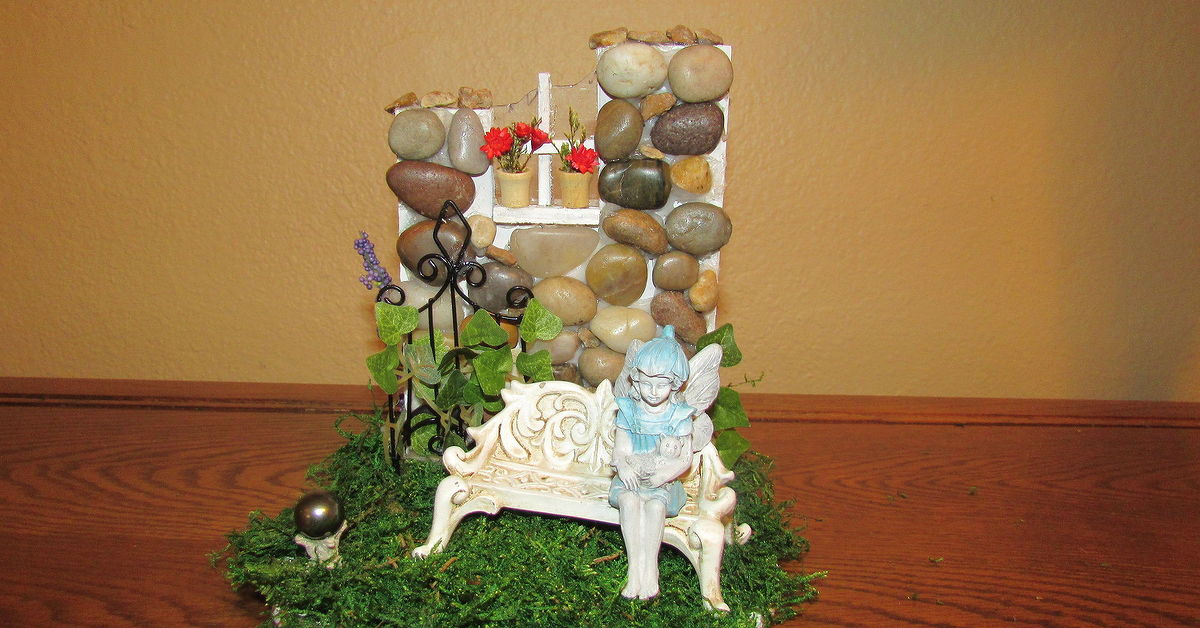
A miniature fairy garden wall is what happens when container gardening, vertical décor, and a tiny real-estate developer with wings all shake hands. Instead of building a fairy garden in a bowl, birdbath, broken pot, or old wagon, you create a small enchanted landscape on a wall, fence, balcony rail, porch panel, shadow box, or mounted planter. It saves space, adds instant charm, and gives you a legitimate reason to say things like, “I need more moss for the fairy staircase,” without anyone calling security.
The beauty of a miniature fairy garden wall is that it works almost anywhere: a sunny patio, a shaded porch, a child’s play area, a small apartment balcony, or even an indoor craft wall with preserved moss and faux plants. The trick is to combine good garden basics with good storytelling. Plants still need drainage, light, air, and the right growing medium. Fairies, on the other hand, need doors, ladders, pebble paths, and possibly a mailbox for complaints about rent.
This guide walks through how to design, build, plant, decorate, and maintain a DIY fairy garden wall that looks magical without becoming a soggy little tragedy. Whether you want a living vertical fairy garden, a low-maintenance faux version, or a mixed display with real succulents and handmade accessories, the goal is the same: create a tiny world that feels alive, balanced, and delightfully nosy.
What Is a Miniature Fairy Garden Wall?
A miniature fairy garden wall is a vertical or wall-mounted display designed to look like a tiny fantasy landscape. It may include small live plants, preserved moss, miniature houses, fairy doors, stepping stones, fences, bridges, mushrooms, lanterns, and other scaled accessories. Unlike a traditional fairy garden that sits horizontally in a planter, a wall version uses height as part of the scene.
Think of it as a living picture frame, but with more personality. A wooden backing board can become a cottage wall. A vertical planter can become a cliffside village. A fence panel can become a secret fairy neighborhood. A mounted shadow box can become a tiny forest portal. The wall gives the design structure, while the miniature garden details create the story.
Why Build a Fairy Garden on a Wall?
It Saves Space
Vertical gardening is perfect for small spaces. If you do not have room for a large planter, a fairy garden wall lets you decorate upward. This makes it ideal for balconies, patios, narrow side yards, porches, garden sheds, and apartment-friendly outdoor areas.
It Adds Instant Personality
A plain fence or blank wall can feel a little sleepy. Add a tiny door, some creeping thyme, a pebble path, and a sign that says “Fairy Parking Only,” and suddenly your wall has a career in storytelling.
It Is Great for Kids and Adults
Miniature gardens are often used to encourage children to engage with plants, but adults love them too. They offer a creative, hands-on way to learn about scale, plant care, design, and patience. Also, adults deserve tiny mushroom houses. This is not negotiable.
Best Places to Build a Miniature Fairy Garden Wall
Before buying supplies, choose the location. Your fairy garden wall should match the light, moisture, and weight limits of the space. A wall-mounted garden can become heavy after watering, so stability matters.
Outdoor Fence or Garden Wall
A wooden fence, brick wall, or garden shed wall makes an excellent backdrop. For outdoor installations, use weather-resistant materials and make sure the display can drain freely. Avoid attaching heavy planters to weak fencing or siding.
Porch or Patio Wall
A porch wall is a smart choice because it often gets bright but filtered light. It also protects delicate accessories from harsh rain. This is especially useful if your fairy garden includes painted wood, mini furniture, or tiny signs that might fade outdoors.
Balcony Railing or Small-Space Wall
For renters or apartment gardeners, use removable hooks, freestanding vertical plant stands, or railing-mounted planters. Choose lightweight materials and avoid drilling unless your lease is more forgiving than most fairies.
Indoor Wall Display
An indoor fairy garden wall can be built with preserved moss, faux plants, air plants, or small potted houseplants in removable containers. Indoor versions are easier to control and can be changed seasonally.
Materials You Will Need
Your supply list depends on whether you want a living garden, a faux display, or a hybrid. A living wall needs drainage and plant care. A faux wall needs good composition and dusting. A hybrid gives you the best of both worlds: real texture where it matters and fake greenery where watering would be annoying.
Basic Structure
- Wooden board, pallet section, shadow box, trellis, wall planter, or vertical frame
- Small pots, pocket planters, mini shelves, or hanging containers
- Weather-resistant screws, hooks, or brackets
- Landscape fabric or liner if needed
- Drainage tray or drip-control system for indoor use
Planting Supplies
- Lightweight potting mix instead of heavy garden soil
- Cactus mix for succulents
- Small gravel only for decorative top-dressing, not as a substitute for drainage holes
- Miniature plants, moss, succulents, herbs, or small groundcovers
- Small watering can or spray bottle
Fairy Garden Accessories
- Mini fairy doors and windows
- Tiny houses, benches, bridges, fences, and ladders
- Flat pebbles for paths
- Twigs, bark, pinecones, seed pods, shells, and acorn caps
- Battery fairy lights for evening sparkle
- Waterproof glue or outdoor-safe adhesive
Choosing Plants for a Miniature Fairy Garden Wall
Plant choice determines whether your wall becomes a charming fairy village or a botanical wrestling match. Choose plants that stay small, grow slowly, and match the light conditions. Fast-growing plants can swallow miniature accessories faster than a dragon at a snack buffet.
For Sunny Outdoor Walls
Succulents are popular for sunny miniature gardens because many stay compact and tolerate drier conditions. Small sedums, echeverias, hens and chicks, and dwarf crassula can work well in wall pockets or shallow planters. They need bright light and fast-draining mix. Do not overwater them; succulents prefer a sip, not a swimming pool.
For Part-Shade Walls
For areas with morning sun or bright shade, consider creeping thyme, baby tears, miniature ferns, polka-dot plant, small ivy varieties, or dwarf mondo grass. These plants create a lush, woodland look. Some prefer consistent moisture, so group them separately from succulents.
For Indoor Fairy Garden Walls
Indoors, small houseplants such as peperomia, fittonia, miniature syngonium, dwarf ficus, baby tears, and moss-like plants can work if they receive enough light and humidity. If your wall is far from a window, faux greenery may honestly be the kinder choice. Plants cannot run away, but they can slowly judge you by turning yellow.
Do Not Mix Opposite Water Needs
A common mistake is putting moisture-loving moss beside drought-loving succulents in the same container. One wants a damp forest floor; the other wants a desert vacation. If you love both looks, place them in separate pockets or individual pots so each plant gets the care it needs.
How to Build a Miniature Fairy Garden Wall Step by Step
Step 1: Sketch the Scene
Before attaching anything, sketch a simple layout. Decide where the fairy door, plants, paths, shelves, and houses will go. A good fairy garden wall usually has a focal point, such as a door, cottage, archway, or tiny staircase. From there, build the story outward.
Step 2: Prepare the Wall Base
If using wood, sand rough edges and seal it with outdoor-safe finish if the display will live outside. If using a frame or shadow box, make sure it can handle moisture. For outdoor walls, choose materials that resist rot, rust, and weather damage.
Step 3: Add Planters or Pockets
Attach small containers securely. Wall planters, tiny shelves, wire baskets, and mounted pots all work. Make sure every live planting area has a way for water to escape. Drainage holes are not glamorous, but neither is root rot.
Step 4: Fill With the Right Growing Medium
Use lightweight potting mix for most miniature plants. For succulents, use cactus or succulent mix with excellent drainage. Avoid dense garden soil in wall containers because it can compact, hold too much water, and add unnecessary weight.
Step 5: Plant Small and Simple
Start with fewer plants than you think you need. Miniature gardens look best when there is room for the scene to breathe. Place taller plants near the back or sides, trailing plants near edges, and low groundcovers around paths. Leave space for accessories.
Step 6: Add Fairy Details
Install the fairy door, path, ladder, fence, bench, and other accessories. Use odd numbers for visual balance: three mushrooms, five stepping stones, one slightly suspicious squirrel. Natural materials such as bark and twigs help the design look less like a toy shelf and more like a tiny woodland settlement.
Step 7: Test Watering and Drainage
Water lightly and watch where the water goes. Outdoor displays can drip freely if positioned safely. Indoor displays need trays, removable pots, or waterproof backing. Never mount a living wall where dripping water can damage paint, drywall, flooring, or furniture.
Design Ideas for a Miniature Fairy Garden Wall
The Secret Door Wall
Attach a small fairy door to a fence or wooden panel, then surround it with moss, creeping plants, tiny lanterns, and pebble steps. This is the easiest design and one of the most charming. It suggests a hidden world without needing a large build.
The Vertical Cottage Village
Use three or four small shelves to create a stacked fairy neighborhood. Add one tiny cottage per shelf, then connect them visually with ladders, vine-like plants, and miniature signs. Congratulations: you have built fairy apartments.
The Succulent Cliff Garden
Create a rocky wall scene with small succulents, stones, driftwood, and sand-colored top-dressing. Add a miniature bridge or cave entrance. This design is perfect for bright patios and low-water gardening.
The Woodland Moss Wall
Use preserved moss, bark, miniature ferns, twig fences, and mushroom accessories for a shaded forest mood. If using live moss, remember it needs moisture and humidity. Preserved moss is easier for indoor displays and still looks magical.
The Seasonal Fairy Wall
Design the structure to stay in place while decorations change. Add pastel flowers in spring, seashells in summer, pumpkins in fall, and tiny wreaths in winter. This keeps the wall fresh without rebuilding the whole kingdom every three months.
Care and Maintenance Tips
Water Carefully
Small wall containers dry out faster than large garden beds. Check soil moisture with your finger before watering. Water the plant roots, not the accessories. A tiny wooden bench does not need hydration, no matter how thirsty it looks.
Trim Plants Regularly
Miniature gardens depend on scale. Trim trailing plants, pinch back leggy stems, and replace overgrown plants when needed. If a plant begins acting like it owns the entire wall, it may need a larger pot elsewhere.
Protect Accessories
Outdoor fairy garden accessories should be weather-resistant. Painted items may need a clear outdoor sealer. Bring delicate pieces indoors during storms, freezes, or extreme heat.
Refresh the Scene
Every few weeks, remove dead leaves, clean debris, adjust stones, and check for pests. Miniature gardens are small enough that one dropped leaf can look like a fallen tree. Drama scales up quickly in tiny worlds.
Common Mistakes to Avoid
Using Containers Without Drainage
Drainage is essential for live plants. Decorative gravel at the bottom of a sealed container does not replace drainage holes. If water cannot escape, roots can suffocate and rot.
Choosing Plants That Grow Too Fast
Large or aggressive plants will overpower the design. Choose dwarf, compact, or slow-growing varieties that fit the miniature scale.
Making the Wall Too Heavy
Wet soil adds weight. Use lightweight containers, small pockets, and secure hardware. When in doubt, build the fairy garden as a freestanding vertical panel rather than attaching it permanently to a wall.
Ignoring Light Conditions
A sunny succulent wall will not thrive in deep shade. A fern-and-moss wall may crisp in hot afternoon sun. Match plants to the actual light, not the fantasy lighting in your imagination.
Budget-Friendly Fairy Garden Wall Ideas
You do not need to spend a fortune. Many of the best fairy garden wall materials are hiding in plain sight. A scrap board can become a backdrop. Bottle caps can become tiny tables. Twigs can become fences. Pebbles can become paths. A broken terracotta pot can become a dramatic fairy ruin, which sounds sad until you realize fairies love ruins because they are basically free architecture.
Thrift stores are excellent places to find small frames, teacups, trays, baskets, and dollhouse pieces. Craft stores offer miniature accessories, but natural materials often look more authentic. For a rustic miniature fairy garden wall, combine bark, moss, pebbles, small cones, and handmade clay mushrooms. For a polished cottage style, use painted doors, tiny windows, miniature lanterns, and neatly trimmed plants.
of Experience: Lessons From Building a Miniature Fairy Garden Wall
The first experience most people have with a miniature fairy garden wall is underestimating how much personality a tiny door can create. You attach one little arched door to a fence, step back, and suddenly the entire garden feels like it has secrets. That is the magic of scale. A normal pebble becomes a boulder. A sprig of thyme becomes a shrub. A crack in the bark becomes a mysterious cave. Once you start seeing ordinary objects as miniature landscape pieces, your craft drawer and backyard both become suspiciously useful.
One of the biggest practical lessons is to build the wall in layers. Start with the structure, then the plants, then the permanent accessories, then the small movable details. If you glue every mushroom and bench down before planting, you may discover that your perfect scene leaves no room for roots, water, or human fingers. A good fairy garden wall should be easy to maintain. Removable pots are especially helpful because you can water plants in the sink, rotate them for better light, or replace them without dismantling the whole display.
Another helpful lesson is that small does not mean crowded. Beginners often want to use every miniature accessory at once: bridge, pond, chair, ladder, gnome, bicycle, teapot, fence, signpost, and one ceramic frog who looks like he knows tax secrets. The result can feel cluttered. A better approach is to create one strong story. Maybe the wall is a fairy bakery. Maybe it is a forest library. Maybe it is a cliffside cottage with a pebble path. When every detail supports the story, the garden feels intentional instead of chaotic.
Plant care is where fantasy meets reality. Live plants make a fairy garden wall feel fresh and organic, but they need the right conditions. Succulents are forgiving in sunny spots, but they hate soggy soil. Moss and ferns create a dreamy woodland look, but they prefer moisture and shade. Mixing them in the same pocket often leads to disappointment. A better method is to divide the wall into zones: a dry sunny shelf for succulents, a shaded mossy corner for woodland texture, and a decorative section with faux greenery where maintenance would be difficult.
Weather teaches its own lessons. Outdoor fairy walls should be designed for rain, wind, sun, and curious wildlife. Lightweight accessories may blow away. Untreated wood may fade or warp. Tiny furniture may mysteriously relocate, especially if children, pets, or squirrels are involved. Seal painted pieces, secure important items, and accept that part of the charm is seasonal change. A fairy garden wall is not a museum display. It is a tiny landscape with a sense of humor.
The best experience, though, is how personal the project becomes. A miniature fairy garden wall can reflect a beach vacation, a woodland walk, a favorite storybook, a child’s imagination, or a quiet corner of the yard that needed a little delight. It is not just decoration. It is a small invitation to pause, look closely, and enjoy details that are easy to miss. In a busy world, a tiny door on a garden wall can feel oddly powerful. It says, “Slow down. There may be magic here. Also, please water the thyme.”
Conclusion
A miniature fairy garden wall is a creative way to combine vertical gardening, small-space design, and imaginative storytelling. The best versions balance charm with practical plant care: secure structure, proper drainage, lightweight potting mix, appropriate plants, and accessories that fit the scale. Whether you build a living succulent cliff, a mossy woodland doorway, or a seasonal fairy village on a fence panel, the secret is to design both for beauty and maintenance.
Start simple, choose plants wisely, leave breathing room, and let the details tell a story. With a little planning, your blank wall can become a magical miniature landscape that makes guests smile, children linger, and fairies seriously consider moving in.