Some design events feel like a glossy showroom where everything is too perfect to touch. The Remodelista Local Market at Dwell on Design felt like the opposite: a beautifully edited marketplace where you could actually imagine taking something home, putting it on your table, hanging it over your kitchen island, or proudly telling a dinner guest, “Yes, I found that from a small maker. Please admire my excellent taste quietly.”
Hosted during Dwell on Design at the Los Angeles Convention Center, the Remodelista Local Market brought together a carefully chosen group of independent designers, craftspeople, and modern home brands. It was not just a shopping corner. It was a physical version of Remodelista’s editorial eye: useful, beautiful, restrained, tactile, and allergic to clutter.
For fans of modern interiors, handmade furniture, sustainable textiles, California craft, small-batch ceramics, and “I swear this linen towel changed my life” energy, the market was a compact design pilgrimage. It connected the editorial world of Remodelista with the live, buzzing, very real world of Dwell on Design, one of the West Coast’s major modern design gatherings.
What Was the Remodelista Local Market at Dwell on Design?
The Remodelista Local Market was a curated pop-up marketplace staged at Dwell on Design, the influential modern design event associated with Dwell magazine. The market took place in the foyer of the Los Angeles Convention Center’s West Hall, near registration, making it almost impossible for design lovers to miss. In other words, it was the stylish friend standing by the entrance saying, “Before you go look at 400 exhibitors, come see these ten perfect things.”
The concept was simple but smart: gather a group of local and design-forward vendors, give visitors a chance to browse quality home goods in person, and translate Remodelista’s online curation into a live marketplace. Instead of endless aisles of anonymous products, shoppers encountered a concise mix of housewares, handcrafted furniture, lighting, ceramics, textiles, garden kits, printed goods, and repurposed vintage pieces.
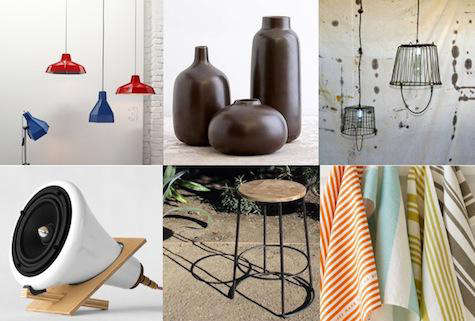
Featured names included Ambatalia, Atelier de Troupe, Brendan Ravenhill, Glassybaby, Heath Ceramics, Joey Roth, Maude Press, Salvage Design Co., Scout Regalia, and Studiopatro. That lineup tells you almost everything about the market’s personality: practical but poetic, modern but warm, crafted but not precious.
Why Dwell on Design Was the Perfect Setting
Dwell on Design was not just another trade show with fluorescent lighting and too many tote bags, although let us be honest: tote bags are the unofficial currency of design events. It was a three-day celebration of modern living, architecture, interiors, outdoor design, materials, technology, and product innovation. The event attracted architects, interior designers, makers, brands, students, homeowners, and design obsessives who can identify a chair silhouette from across a convention hall.
That made it an ideal home for Remodelista’s market. Dwell’s audience already cared about modern design, thoughtful materials, and homes that work well in real life. Remodelista added a more intimate layer: the pleasure of discovering objects with a story, made by real people, not just displayed on towering trade-show walls.
The larger Dwell on Design environment offered panels, exhibitions, show-floor discoveries, home tours, prefab ideas, kitchen and bath products, outdoor living inspiration, and smart design conversations. The Remodelista Local Market gave visitors something more personal: the chance to pick up a ceramic piece, study the joinery of a stool, feel the weight of a linen towel, or ask a maker why a lamp is shaped the way it is.
The Remodelista Point of View: Considered, Not Complicated
Remodelista built its reputation on the idea of the “considered home.” That phrase matters. It does not mean expensive for the sake of expensive, minimal for the sake of miserable, or beige because color had an argument with your sofa and lost. It means choosing objects with intention: pieces that are useful, durable, beautiful, and able to live with you for years.
The Local Market reflected that editorial philosophy. It favored timeless design over trend-chasing. It celebrated materials that improve with use: linen, ceramic, wood, metal, glass, cork, reclaimed timber, and powder-coated steel. It also showed that modern design does not have to feel cold. A well-made stool, a handblown votive, or a thoughtfully designed garden kit can make a room feel more human, not less.
Featured Vendors and What Made Them Stand Out
Scout Regalia: Modern Gardening for Real Patios
Scout Regalia’s patio garden kits captured one of the best ideas in small-space living: you do not need a sprawling estate to grow something. You need good design, smart construction, and the courage to believe your basil deserves architecture. Their garden kits were especially relevant for apartment dwellers, urban homeowners, and anyone trying to turn a deck, balcony, or compact yard into a productive green space.
The appeal was both practical and visual. A garden kit could serve as a growing bed, a design object, and a subtle announcement that you are the kind of person who understands both compost and powder coating. That is range.
Brendan Ravenhill: Lighting with Industrial Grace
Los Angeles designer Brendan Ravenhill brought lighting rooted in simplicity, manufacturing logic, and material honesty. His work has long been admired for turning industrial processes into elegant forms. Rather than hiding how an object is made, Ravenhill’s designs often celebrate structure, balance, and mechanics.
At a market like this, lighting was not merely decorative. It was a lesson in how a home’s atmosphere can change with one well-designed fixture. A good lamp does not scream. It glows, behaves, and makes everyone in the room look slightly more rested than they are.
Atelier de Troupe: Furniture with a Los Angeles Accent
Atelier de Troupe represented the kind of furniture that feels architectural without becoming unfriendly. The mention of stacking stools at the market was especially fitting. Stools are humble objects, but in small spaces they are superheroes: seat, side table, plant stand, shoe-putting-on assistant, and occasional emergency nightstand.
Stackable furniture also speaks to a practical modern lifestyle. Homes change. Guests appear. Corners need solving. A well-made stool that looks good while doing five jobs is exactly the kind of piece Remodelista readers tend to appreciate.
Heath Ceramics: California Craft with Staying Power
Heath Ceramics brought serious design heritage to the market. Founded in Sausalito in 1948, Heath is known for ceramic dinnerware and tile that combine California modernism with everyday usability. Its pieces have the rare ability to feel both museum-worthy and completely at home under scrambled eggs.
Heath’s presence strengthened the market’s connection to West Coast craft. It also reminded visitors that good design does not have to be fragile. The best household objects are not too precious to use. They are made for breakfast, dinner, chipped conversations, imperfect parties, and the occasional dramatic clink of a fork.
Glassybaby: Color, Glow, and Small-Scale Emotion
Glassybaby’s handblown glass votives and drinking glasses offered a softer, more luminous note. In a marketplace full of structure and utility, color mattered. A small glowing vessel can change the entire mood of a table or shelf, especially when the rest of the room has been edited within an inch of its life.
The beauty of a Glassybaby piece lies in its simplicity: glass, color, light, and atmosphere. It is a reminder that the smallest object in a room can still carry emotional weight.
Joey Roth: Speakers as Design Objects
Joey Roth’s speakers fit naturally into the Dwell on Design universe because they merged technology with sculptural materiality. His ceramic speaker designs became known for using unexpected materials such as porcelain, cork, and wood, proving that electronics do not have to look like a black plastic rectangle having an identity crisis.
For design-minded homeowners, audio equipment can be tricky. You want good sound, but you do not necessarily want your living room to resemble a recording studio operated by a villain. Roth’s work offered a more refined path: technology that earns its visual place.
Ambatalia and Studiopatro: Textiles with Purpose
Ambatalia and Studiopatro brought textiles into the market conversation. Ambatalia’s zero-waste and reusable-goods philosophy aligned with a more sustainable way of living, while Studiopatro’s linen goods for kitchen and home reflected the quiet luxury of useful fabric done well.
Textiles are often underestimated in interiors. A linen towel, apron, napkin, or market bag can seem small, but these are the things people actually touch every day. They soften a kitchen, improve a table, and make everyday rituals feel less like chores and more like scenes from a lifestyle magazine where nobody has crumbs under the toaster.
Salvage Design Co. and Maude Press: Character, Reuse, and Graphic Detail
Salvage Design Co. added the charm of vintage and repurposed pieces, balancing the market’s clean modern lines with history and patina. A salvaged object brings instant narrative into a home. It says, “I existed before your Pinterest board, and I have survived worse than your open-plan renovation.”
Maude Press, meanwhile, contributed the printed and graphic side of domestic life. Stationery, cards, and paper goods may seem modest beside furniture and lighting, but they matter. They bring wit, message, texture, and human connection into the home.
Why the Market Still Feels Relevant
Although the Remodelista Local Market at Dwell on Design belongs to a specific moment in Los Angeles design culture, its ideas feel even more relevant today. Shoppers are increasingly interested in sustainability, local production, craft, durability, and objects that do not look as if they were assembled by a bored algorithm.
The market anticipated several design values that continue to shape modern interiors: buy fewer things, buy better things, support makers, understand materials, mix vintage with new, and choose pieces that can survive both trends and actual life. It also offered a corrective to showroom fatigue. Instead of overwhelming visitors with endless options, it offered a strong edit.
That edit is the magic. Most people do not need 900 choices for a towel, stool, planter, or lamp. They need a handful of excellent choices and enough information to understand why those choices are excellent. Remodelista has always understood that curation is not about making things fancy; it is about making decisions easier.
Design Lessons from the Remodelista Local Market
1. Small Objects Can Shape a Whole Room
A handblown votive, a ceramic bowl, or a linen towel may not seem room-changing at first. But small objects establish tone. They tell the eye what kind of home it is entering: rushed or considered, disposable or lasting, generic or personal.
2. Utility Is Not the Enemy of Beauty
The market proved that practical items can be beautiful. Garden kits, stools, aprons, lighting, ceramics, and speakers all serve clear functions. Their usefulness made them more compelling, not less.
3. Local Design Has Global Appeal
Many vendors reflected West Coast craft and Los Angeles or Bay Area design culture, yet their appeal extended far beyond geography. Thoughtful material choices, clean forms, and honest construction speak an international design language.
4. Sustainability Looks Better When It Is Built In
The best sustainable design does not shout about virtue from a hemp-covered megaphone. It simply works better. Reusable textiles, durable ceramics, repurposed materials, and long-lasting furniture reduce waste while improving daily life.
5. Curation Saves Time, Money, and Possibly Your Marriage
Anyone who has ever tried to choose cabinet hardware with another human knows that design decisions can become emotional combat. A curated market helps by narrowing the field to strong options. Fewer bad choices mean fewer arguments in aisle seven.
How to Bring the Remodelista Market Spirit Into Your Home
You do not need to attend a design fair to apply the spirit of the Remodelista Local Market. Start with one room and ask a few honest questions. What do you touch every day? What annoys you? What looks tired? What could be replaced with something better, more durable, or more beautiful?
In the kitchen, upgrade everyday textiles, dishes, lighting, or storage. In the living room, consider one sculptural lamp, a well-made stool, or a vintage piece with character. Outdoors, look for modular planters, compact garden solutions, or furniture that can handle weather without losing its dignity.
The goal is not to create a showroom. The goal is to create a home that feels edited, personal, and livable. Mix old and new. Pair handmade ceramics with simple glassware. Use linen napkins on a Tuesday. Choose lighting that flatters both the room and the people in it. Give practical objects permission to be beautiful.
Experience Section: A Walk Through the Remodelista Local Market at Dwell on Design
Imagine arriving at the Los Angeles Convention Center on a bright design-week morning. The building is buzzing with architects in black glasses, homeowners clutching floor plans, students photographing chairs, and at least one person saying “materiality” before finishing their coffee. Near registration, the Remodelista Local Market offers a welcome shift in scale. Instead of towering booths and product launches, you find a carefully arranged collection of objects that invite closer looking.
The first experience is visual calm. The market feels edited. There is space between things. You are not attacked by banners, blinking screens, or desperate promotional slogans. The products have room to breathe, which is exactly what good home goods need. A ceramic bowl looks better when it is not competing with a neon sign. A stool makes more sense when you can walk around it and notice its proportions.
Then comes the tactile part. You pick up a linen towel and understand immediately why people get emotional about fabric. It has weight, texture, and usefulness. You run a hand over a ceramic surface and notice the glaze variation. You look at a garden kit and start mentally measuring your patio, even if your patio is technically a fire escape and your gardening history includes one tragic basil plant.
The best part of a market like this is conversation. You can ask why a designer used a particular material, how an object is made, where it is produced, or how it holds up over time. These conversations change how you shop. A lamp stops being “a lamp” and becomes a study in balance, manufacturing, and light. A stool stops being “extra seating” and becomes a compact solution for flexible living. A reusable textile becomes part of a larger decision to reduce waste without making your kitchen look like a punishment.
There is also the pleasure of discovery. At a large design event, visitors often arrive with a schedule: panel at noon, prefab exhibit after lunch, kitchen products before closing. The Remodelista Local Market interrupts that agenda in the best way. You may come in planning to browse for five minutes and leave twenty-five minutes later with a card from a maker, a mental wish list, and a renewed belief that your home deserves better than the emergency lamp you bought during college.
What stays with you after walking through the market is not just a list of vendors. It is a way of seeing. You begin to notice whether objects are overdesigned or under-considered. You become more patient with purchases. You realize that a useful thing can still have soul. Most importantly, you learn that a home is not improved by filling it quickly. It is improved by choosing slowly.
That is the lasting experience of the Remodelista Local Market at Dwell on Design: it made design feel accessible without making it ordinary. It showed that good taste is not about owning everything. It is about noticing what matters, choosing with care, and leaving enough empty space for life to happen. Preferably with a very good stool nearby.
Conclusion
The Remodelista Local Market at Dwell on Design was more than a pop-up shop. It was a living snapshot of modern American design values: local craft, practical beauty, sustainability, thoughtful materials, and editorial-level curation. By bringing together makers such as Scout Regalia, Brendan Ravenhill, Heath Ceramics, Glassybaby, Joey Roth, Ambatalia, Studiopatro, and others, Remodelista created a marketplace that felt personal, useful, and deeply aligned with the way design lovers actually live.
Its legacy is simple and powerful: choose better, choose less, and choose objects that make everyday life more graceful. A home does not need to be perfect. It needs to be considered. And if it happens to include a handblown votive, a linen apron, a ceramic bowl, and a stool that stacks beautifully, well, nobody is complaining.