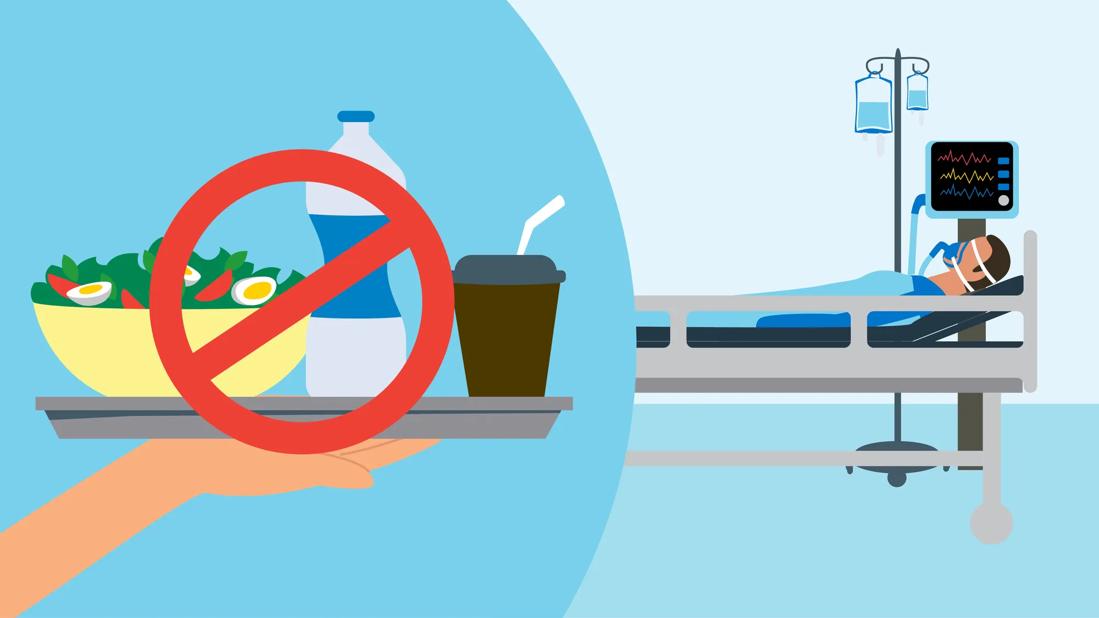
If you have ever been told, “Do not eat or drink before surgery,” your first thought may have been, “Even coffee?” Sadly, yes. Your second thought may have been, “But what if I only have one tiny cracker?” Still yes, that tiny cracker counts. Preoperative fasting may feel like a strange hospital tradition designed to test your willpower, but it has a serious purpose: keeping your airway and lungs safe while anesthesia is doing its job.
The rule about not eating or drinking before surgery is not about punishing hungry patients. It is about reducing the risk of vomiting, regurgitation, and aspiration, which happens when stomach contents travel into the airway or lungs. Under anesthesia or deep sedation, your body’s normal protective reflexes slow down or temporarily switch off. That means you may not be able to cough, swallow, or protect your airway the way you normally would.
In this guide, we will explain why fasting before surgery matters, how long you may need to avoid food and drinks, what “clear liquids” usually means, what happens if you accidentally eat, and how to get through the fasting period without turning into a grumpy, pajama-wearing snack detective.
What Does “Nothing by Mouth” Mean?
Many hospitals use the term NPO, which comes from the Latin phrase nil per os, meaning “nothing by mouth.” In plain American English, it means you should not eat or drink unless your surgical team specifically says you can.
NPO instructions may include solid foods, milk, cream, smoothies, candy, gum, mints, alcohol, and sometimes even water during the final fasting window. However, modern fasting rules are often more flexible than the old “nothing after midnight” rule. Many healthy adults having elective procedures may be allowed to drink certain clear liquids until a few hours before surgery. Still, your personal instructions matter most.
The Main Reason: Preventing Aspiration
The biggest reason you can’t eat or drink before surgery is the risk of aspiration. Aspiration occurs when food, liquid, vomit, saliva, or stomach acid enters your airway or lungs instead of staying in your stomach where it belongs.
When you are awake, your body has several built-in security guards. You can swallow. You can cough. You can gag. Your throat muscles help keep stomach contents from going the wrong way. Under general anesthesia, deep sedation, or certain types of procedural sedation, those security guards may be off duty. Your muscles relax, your reflexes are reduced, and your airway may need support.
If your stomach contains food or liquid and it comes back up during anesthesia, it can enter the lungs. This may cause choking, breathing problems, chemical irritation from stomach acid, aspiration pneumonitis, or aspiration pneumonia. In severe cases, aspiration can become life-threatening. That is why surgical teams take fasting instructions seriously.
Why Anesthesia Changes the Rules
On a normal day, eating breakfast before lying down is not usually dangerous. You might feel sleepy after pancakes, but you are not suddenly a surgical emergency. Surgery is different because anesthesia changes how your body works for a short time.
General anesthesia makes you unconscious and relaxes many muscles. Sedation can also reduce alertness and protective reflexes. Some procedures require a breathing tube or airway device. During this period, your body cannot defend itself as reliably against regurgitation. An empty stomach lowers the chance that anything will come up and go into the lungs.
This is also why fasting rules may apply even when you are not having a major operation. Endoscopy, colonoscopy, dental procedures with sedation, and same-day outpatient procedures may still require fasting because sedation can affect airway protection.
Food Takes Time to Leave the Stomach
Your stomach is not an instant garbage disposal. Different foods and drinks empty at different speeds. Clear liquids usually leave the stomach faster than solid food. A light meal may take several hours. A heavy, fatty meal can take much longer because fat slows digestion.
That means a midnight cheeseburger is not the same as a sip of water. Fried foods, steak, pizza, creamy drinks, and large meals may remain in the stomach for a long time. The more material in the stomach, the greater the concern during anesthesia.
Common Fasting Guidelines Before Surgery
Fasting instructions vary by hospital, procedure, anesthesia type, age, medical history, and surgeon preference. However, many guidelines use time frames similar to the following for healthy patients having elective procedures:
Clear Liquids: Often Allowed Until 2 Hours Before Surgery
Clear liquids may include water, clear apple juice, clear sports drinks, black coffee, and plain tea without milk or cream. Some guidelines also allow carbohydrate-containing clear drinks up to two hours before anesthesia in selected patients. The key word is clear. If you cannot see through it, your stomach may not treat it like a clear liquid.
Light Meals: Often Stopped 6 Hours Before Surgery
A light meal may include toast, crackers, or a small bowl of cereal depending on your medical team’s instructions. A light meal is not a giant breakfast burrito wearing a fake mustache. If it is rich, greasy, or heavy, it is not light.
Heavy or Fatty Meals: Often Stopped 8 Hours or More Before Surgery
Fatty foods and large meals take longer to digest. Bacon, fried chicken, cheeseburgers, creamy pasta, and similar foods may require a longer fasting period. Some surgical teams simply tell patients not to eat after midnight to avoid confusion and reduce risk.
Milk, Cream, and Smoothies Are Not Clear Liquids
Milk in coffee, cream in tea, protein shakes, meal replacement drinks, smoothies, and juices with pulp are not usually considered clear liquids. They contain fat, protein, fiber, or particles that can slow stomach emptying. That “just a splash of cream” in your coffee can move your drink from the safe list to the no-go list.
Why Some People Need Stricter Fasting Rules
Not everyone has the same aspiration risk. Some people need longer fasting periods or special anesthesia plans because their stomach may empty more slowly or because regurgitation is more likely.
Risk factors may include gastroesophageal reflux disease, a hiatal hernia, diabetes with delayed stomach emptying, pregnancy, obesity, bowel obstruction, emergency surgery, opioid use, swallowing problems, previous stomach surgery, or certain medications that slow digestion. People taking GLP-1 receptor agonists, such as semaglutide or tirzepatide, should discuss medication timing with their surgical team because these medicines can delay gastric emptying in some patients.
This is one reason you should not copy a friend’s surgery instructions. Your friend’s “I drank clear juice two hours before surgery” may be perfectly fine for them and completely wrong for you.
What Happens If You Eat or Drink by Accident?
If you accidentally eat or drink before surgery, tell the nurse, surgeon, or anesthesiologist right away. Do not hide it. This is not the time for “what they don’t know won’t hurt them.” In this case, what they do not know could hurt you.
Your care team may delay the procedure, change the anesthesia plan, or reschedule the surgery. That can be frustrating, especially if you arranged time off work, transportation, and childcare. But postponing surgery is often safer than proceeding with a full stomach and preventable risk.
Be specific when you report it. Say what you ate or drank, how much, and when. “I had two bites of toast at 6 a.m.” is more useful than “I maybe had breakfast-ish.” Clear information helps the anesthesiologist make the safest decision.
Can You Take Medicine Before Surgery?
Many patients are told to take certain medications on the morning of surgery with a small sip of water. Others may be told to hold specific medicines, especially blood thinners, diabetes medications, supplements, or drugs that affect blood pressure. Medication instructions are highly personal, so always follow the plan given by your surgeon, anesthesiologist, or prescribing clinician.
Do not stop important medicines on your own unless your care team tells you to. Also, do not assume every pill is safe to take before surgery. Bring an updated medication list, including vitamins, herbal supplements, over-the-counter drugs, and injections.
Can You Brush Your Teeth Before Surgery?
In many cases, yes, you may brush your teeth before surgery, but you should avoid swallowing water. Brush, rinse carefully if allowed, and spit everything out. Think of it as oral hygiene with airport-security energy: minimal liquid, no surprises.
If your instructions say not to drink anything during the final fasting window, that includes casual sips while brushing. When in doubt, call your surgical team before the day of the procedure.
Why Fasting Helps With Nausea and Vomiting
Aspiration is the headline reason for fasting, but it is not the only one. Fasting can also reduce the risk of nausea and vomiting after anesthesia. Postoperative nausea and vomiting can make recovery miserable, especially after abdominal, throat, or chest surgery where retching may increase pain.
An empty stomach does not guarantee you will avoid nausea, but it gives your body a better starting point. Your anesthesia team may also use anti-nausea medications if you are at higher risk, such as if you have a history of motion sickness or previous nausea after anesthesia.
Why Fasting Matters for Digestive Procedures
For procedures involving the digestive tract, fasting may also help the doctor see clearly and work safely. During an endoscopy, food in the stomach can block the view. During bowel surgery or colonoscopy, leftover stool or food residue may interfere with the procedure. In some cases, eating after bowel prep can undo hours of preparation. Nobody wants to repeat bowel prep. Nobody.
For these procedures, instructions may include a clear liquid diet, laxatives, bowel prep solutions, or special timing rules. Follow them exactly, even if they differ from general surgery fasting advice.
Is “Nothing After Midnight” Still Used?
Yes, many surgical centers still use “nothing after midnight,” especially when schedules can change, procedures are early in the morning, or staff want simple instructions that reduce mistakes. However, modern evidence-based guidelines often allow clear liquids closer to the procedure for selected patients.
The important point is not to argue with your instruction sheet at 1 a.m. while staring lovingly at a glass of orange juice. If your team says no food or drink after midnight, follow that. If your team says clear liquids are allowed until a certain time, follow that. Personalized instructions beat internet summaries every time.
Tips to Make Pre-Surgery Fasting Easier
Eat a Smart Final Meal
Choose a reasonable final meal if your care team allows it. Avoid turning it into a farewell tour of every food group. A lighter meal may digest more comfortably than a greasy feast.
Hydrate Before the Cutoff
If clear liquids are allowed, use that window wisely. Being well hydrated before fasting may reduce thirst, headaches, and irritability. Stop exactly when instructed.
Remove Temptation
Do not leave snacks on the nightstand. Do not scroll food videos. Do not lovingly inspect the refrigerator. Your future self will appreciate fewer snack-related emotional challenges.
Ask About Diabetes Instructions
If you have diabetes, fasting needs careful planning. Ask how to handle insulin, oral medications, low blood sugar, glucose monitoring, and what liquids are allowed if your blood sugar drops.
Write Down Your Cutoff Times
Confusion is common when surgery is scheduled early. Write down when to stop solid food, when to stop non-clear liquids, and when to stop all liquids. Set alarms if needed.
Experience Section: What Patients Often Notice Before Surgery
Many people say the hardest part of not eating or drinking before surgery is not actual hunger. It is the mental drama. The moment someone says, “You cannot eat,” your brain may suddenly become a five-star restaurant critic. Toast sounds magnificent. Water becomes thrilling. A plain cracker looks like a luxury object. This is normal. Restrictions make ordinary things feel more tempting.
One common experience is waking up on surgery morning with a dry mouth. This can happen because of nerves, fasting, or sleeping with your mouth open. Patients often worry that brushing their teeth will break the fasting rule. In many cases, brushing is allowed as long as you spit and do not swallow water, but the safest move is to follow the exact instructions from the surgery center. A small detail like this can calm a lot of anxiety.
Another experience is confusion over what counts as a clear liquid. Water is easy. Black coffee is usually easy. But coffee with cream? Not clear. Orange juice with pulp? Not clear. A protein shake? Definitely not clear. Patients often assume “liquid” means “safe,” but anesthesia fasting rules are not only about whether something is drinkable. They are about how fast it leaves the stomach and whether it could increase aspiration risk.
People also sometimes feel embarrassed if they accidentally eat. Maybe they forgot and took a bite of a banana. Maybe they swallowed a mint out of habit. Maybe a family member offered coffee and they drank half before remembering. The best experience-based advice is simple: speak up immediately. Surgical teams are not there to scold you. They need accurate information to protect you. Telling the truth may delay the procedure, but hiding it can create real danger.
Patients with afternoon surgeries often have a different challenge: waiting. Morning patients may sleep through much of the fasting period, while afternoon patients may spend hours watching everyone else enjoy breakfast and lunch. Planning distractions can help. Bring a book, headphones, paperwork, or a calm support person. Avoid scheduling stressful errands before surgery. Fasting plus panic is not a charming combination.
Parents of children having surgery face their own version of the experience. A hungry child does not care about aspiration physiology. They care that they want juice now. Clear written timing, approved liquids, and distraction can make the morning smoother. Pediatric fasting instructions may differ from adult rules, especially for breast milk, formula, and clear fluids, so parents should follow the child’s specific surgical plan.
Finally, many patients feel relief once they understand the “why.” Fasting is not an outdated ritual or a hospital power move. It is a safety step. When you know that the goal is to keep stomach contents out of the lungs while anesthesia reduces protective reflexes, the rule becomes easier to respect. You may still be hungry, but at least you are hungry with purpose. That is not as fun as pancakes, but it is much safer on surgery day.
Conclusion
You can’t eat or drink before surgery because anesthesia and sedation can reduce the reflexes that normally protect your airway. If food, fluid, or stomach acid comes back up while those reflexes are weakened, it can enter the lungs and cause serious complications. Fasting helps lower that risk, supports safer anesthesia, reduces vomiting concerns, and may improve visibility during certain digestive procedures.
The exact timing depends on your procedure and health history. Some people may drink clear liquids until two hours before surgery, while others need stricter instructions. The safest rule is simple: follow your surgical team’s directions exactly, ask questions early, and be honest if you accidentally eat or drink. Your empty stomach is not just a pre-op inconvenience. It is part of the safety plan that helps your surgery day go as smoothly as possible.
SEO Tags
Note: This article is for general educational use and does not replace medical advice. Patients should follow the specific fasting, medication, and preparation instructions provided by their surgeon, anesthesiologist, or surgical center.