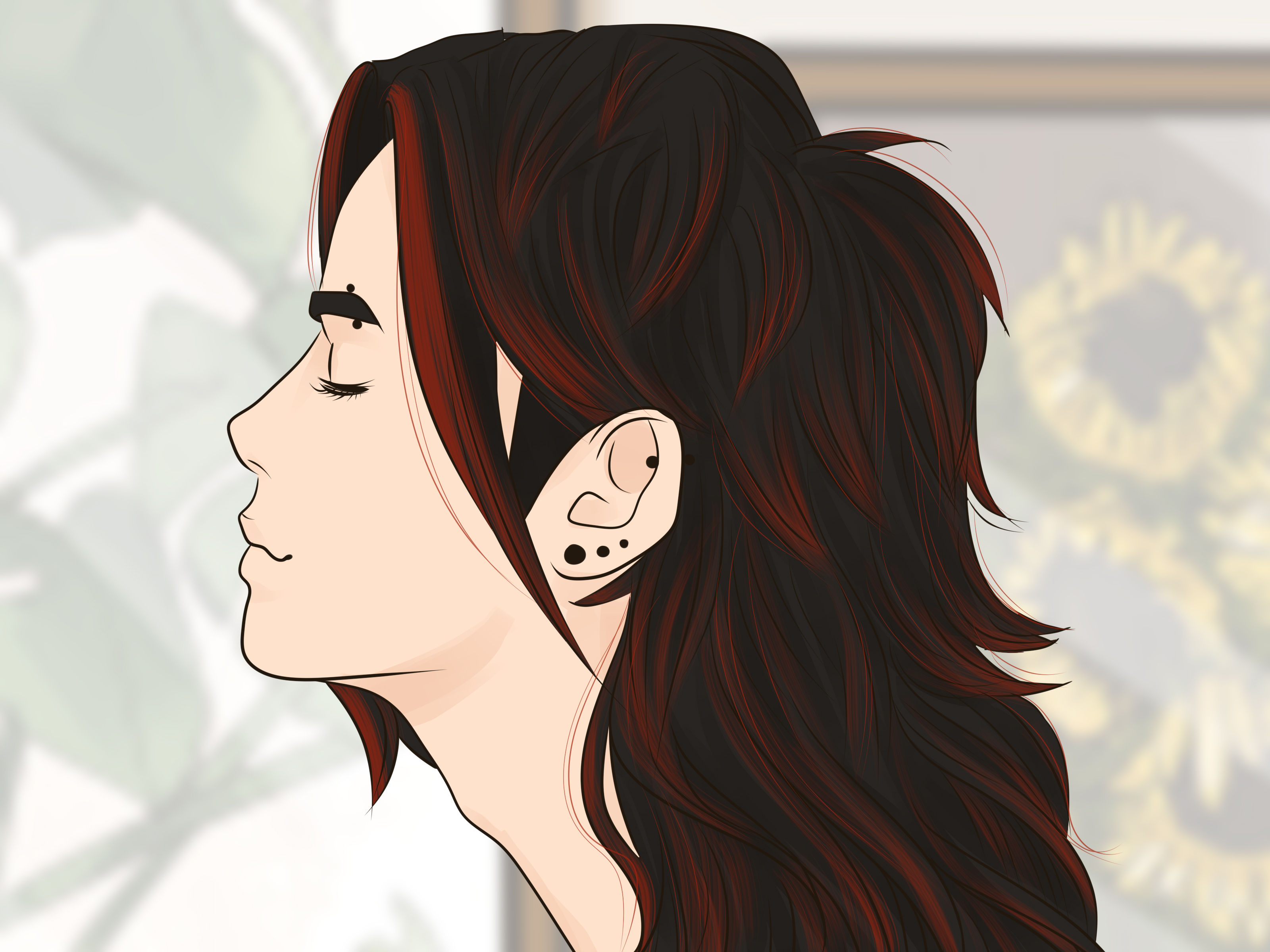
The butterfly haircut is what happens when long hair wants drama without signing a full resignation letter. It gives you the bounce of a shorter cut, the softness of face-framing layers, and the comfort of keeping your length. In other words, it is the haircut equivalent of saying, “I changed my whole look,” while still being able to put your hair in a ponytail five minutes later.
At its core, the butterfly haircut is a layered style built around shorter pieces near the face and crown that blend into longer layers through the sides and back. The result is airy, wing-like movement that can make hair look fuller, lighter, and more styled even before you reach for a round brush. It has a retro mood, thanks to its connection to feathered ’70s hair and bouncy ’90s blowouts, but the modern version is more customizable, more wearable, and friendlier to different textures.
Whether your hair is straight, wavy, curly, coily, fine, thick, long, medium, or bob-length, there is a butterfly haircut variation that can work for you. The secret is not copying one photo exactly. The secret is choosing the right layer placement, length, fringe, and styling method for your hair’s natural personality.
What Is a Butterfly Haircut?
A butterfly haircut combines two main ideas: short, face-framing layers that open around the cheeks, jawline, or collarbone, and longer layers that preserve movement and length. These layers “flutter” away from the face, creating the soft shape that gives the cut its name.
Unlike a shag, which can be choppier and more rock-and-roll, the butterfly cut is usually smoother and more blended. Unlike a basic long-layered haircut, it places extra attention on the front pieces, crown lift, and visible movement. It can look polished with a blowout, relaxed with air-dried waves, or glamorous with big curls.
Why the Butterfly Haircut Works for So Many Hair Types
The butterfly haircut is popular because it solves several common hair problems at once. Flat hair gets lift. Thick hair gets shape. Long hair gets movement. Medium hair gets personality. Curly hair gets a layered silhouette instead of a heavy triangle. Even short hair can enjoy the trend through butterfly bobs and lobs.
That said, the cut should be customized. Fine hair needs lighter layering so it does not lose density at the ends. Thick hair may need internal layers to remove bulk. Curly and coily hair should be cut with shrinkage in mind. Straight hair often needs soft beveling so the layers do not look like shelves. A good stylist will adjust the shortest layer, the amount of texture, and the blending based on your hair density, face shape, and daily styling habits.
How to Ask Your Stylist for a Butterfly Haircut
Bring two or three inspiration photos, but also explain what you like about each one. Do you want volume at the crown? Curtain bangs? Long layers that start below the chin? A shoulder-length version? A soft blowout shape? The clearer you are, the better your stylist can translate the trend into a cut that fits your real hair.
Helpful phrases to use at the salon
Ask for “soft face-framing layers that blend into longer layers,” “movement around the crown without losing too much length,” or “a butterfly cut customized for my natural texture.” If you have fine hair, add, “Please keep the ends looking full.” If you have curls, say, “Please account for shrinkage and keep the layers balanced when dry.” If you rarely heat-style your hair, tell your stylist that too. A haircut that only looks good with a salon blowout is not a haircut; it is a part-time job.
19 Butterfly Haircut Styles for Every Hair Type & Texture
1. Classic Long Butterfly Haircut
The classic version works best on medium to long hair. It features shorter layers around the face and longer cascading layers through the back. This is ideal if you want a major refresh but are emotionally attached to your length. Style it with a round brush, large rollers, or a blow-dryer brush for maximum bounce.
2. Butterfly Haircut with Curtain Bangs
Curtain bangs and butterfly layers are best friends. The bangs split softly in the middle and blend into the cheekbone or jawline layers, creating a flattering frame. This style works especially well for oval, heart, and round face shapes because it adds softness without closing off the face.
3. Short Butterfly Bob
The butterfly bob brings the airy, layered movement of the original cut into a shorter shape. Instead of long cascading ends, the layers curve around the face and sit near the jawline or neck. It is chic, modern, and easier to style than very long layers. Think bounce, not bulk.
4. Shoulder-Length Butterfly Cut
This is the sweet spot for people who want volume but not a dramatic chop. The shortest layers usually begin around the cheekbones or chin, while the longest pieces sit at the shoulders. It is a great option for busy routines because it can be styled quickly with mousse, a diffuser, or a round brush.
5. Butterfly Cut for Fine Hair
Fine hair can absolutely wear a butterfly cut, but the layering should be strategic. Too many layers can make the ends look thin, so the best version keeps the perimeter strong and adds light face-framing pieces. A root-lifting spray or lightweight mousse can help the crown look fuller without weighing hair down.
6. Butterfly Cut for Thick Hair
Thick hair loves a butterfly cut because the layers remove heaviness and create movement. Ask your stylist for blended layers and controlled weight removal, especially through the mid-lengths. The goal is swingy, expensive-looking hair, not a mushroom cloud with a middle part.
7. Butterfly Haircut for Straight Hair
On straight hair, the butterfly cut looks sleek and polished. The key is smooth blending. If the layers are too blunt, they can look disconnected, so ask for soft edges and face-framing pieces that gradually meet the longer lengths. A flat iron can be used to bend the ends away from the face for a simple everyday finish.
8. Butterfly Haircut for Wavy Hair
Wavy hair may be the easiest texture for this cut because the layers naturally show movement. A shoulder-length or long butterfly cut can bring out beachy bends without needing much heat. Scrunch in curl cream or texture spray, then air-dry or diffuse for a lived-in finish.
9. Butterfly Haircut for Curly Hair
Curly butterfly layers should be shaped with curl pattern, density, and shrinkage in mind. The shorter pieces can frame the face beautifully, while longer layers prevent the shape from becoming too heavy at the bottom. For best results, work with a stylist who understands curly cutting and can balance volume around the crown and sides.
10. Butterfly Cut for Coily Hair
On coily hair, the butterfly shape can create a gorgeous rounded silhouette with definition and lift. The layers should be placed carefully so the cut keeps fullness while giving the face-framing effect. Hydrating styling creams, gels, and regular trims can help maintain shape and reduce tangles at the ends.
11. Butterfly Cut with Long Curtain Fringe
If full bangs feel too risky, try a long curtain fringe. These pieces usually hit near the cheekbones or jawline and blend smoothly into the rest of the haircut. This version is flattering, flexible, and easy to grow out, which is excellent news for anyone with bang commitment issues.
12. Butterfly Cut with Wispy Bangs
Wispy bangs add softness to the butterfly haircut without making the front look heavy. They work well on fine to medium hair and pair nicely with airy layers. Keep them light, slightly piecey, and connected to the side layers so the whole cut feels intentional.
13. Butterfly Cut with Side Part
Although the butterfly haircut is often shown with a middle part, a side part can add instant volume and a more glamorous sweep. This is a smart choice for anyone who wants lift at the roots or prefers asymmetry around the face.
14. Voluminous Blowout Butterfly Cut
This is the red-carpet version: big crown lift, flipped ends, and smooth, bouncy layers. Use a heat protectant, round brush, and large rollers to set the shape. Once the hair cools, brush it out gently and finish with flexible hairspray. The goal is “effortless bombshell,” even if your arms know the truth.
15. Air-Dried Butterfly Cut
Not everyone wants to spend 30 minutes styling their hair, and that is fair. An air-dried butterfly cut works best when the layers are designed around your natural texture. Use leave-in conditioner, curl cream, mousse, or texture spray depending on your hair type, then let the cut do its thing.
16. Butterfly Lob
The butterfly lob sits between a bob and long hair, usually around the collarbone. It is polished enough for work, fun enough for weekends, and short enough to feel fresh. The face-framing layers make the lob feel lighter and more modern than a one-length cut.
17. Butterfly Cut with Highlights
Highlights can make butterfly layers pop because color adds dimension to the movement. Face-framing highlights, balayage, or soft ribbons of brightness help emphasize the shape. This is especially flattering when the lightest pieces sit near the cheekbones and ends.
18. Soft Romantic Butterfly Cut
This version is less dramatic and more graceful. The layers are blended, the ends are lightly curled, and the overall look is soft rather than super voluminous. It is perfect for someone who wants a pretty everyday haircut that does not scream, “I brought 47 reference photos to the salon.”
19. Edgy Textured Butterfly Cut
For a cooler, less polished look, ask for more texture through the layers. This version borrows a little attitude from the shag but keeps the butterfly cut’s face-framing shape. It works well with waves, bends, piecey styling products, and a slightly undone finish.
Best Butterfly Haircut by Face Shape
Round faces
Longer face-framing layers that begin below the cheekbones can help create the look of length. A center part or soft off-center part also works well.
Square faces
Soft, curved layers around the jawline can balance stronger angles. Avoid harsh, blunt front pieces unless you want a more graphic look.
Heart-shaped faces
Cheekbone and chin-length layers can balance a wider forehead and narrower chin. Curtain bangs are especially flattering here.
Oval faces
Oval faces can wear almost any butterfly variation. The main decision is whether you want drama, softness, bangs, or low-maintenance movement.
How to Style a Butterfly Haircut at Home
For a salon-style blowout, apply heat protectant and volumizing mousse to damp hair. Blow-dry the roots first, then use a round brush to roll the face-framing layers away from the face. Set the top layers with large rollers while they cool. This helps the shape last longer and gives the cut its signature bounce.
For a heat-free look, apply a leave-in product suited to your texture, then twist or scrunch the layers into place. Wavy and curly hair can be diffused for definition, while straight hair can air-dry and be finished with a small amount of styling cream on the ends.
For second-day hair, dry shampoo at the roots and a quick bend through the front pieces can revive the shape. You do not need to restyle every layer. Usually, refreshing the bangs, crown, and face frame is enough to make the whole haircut look alive again.
Butterfly Haircut Maintenance
Plan for trims every six to ten weeks, depending on your hair growth, texture, and how precise you want the layers to look. Bangs and face-framing pieces may need attention sooner. If you are growing your hair longer, ask for a dusting and layer refresh rather than a major reshaping.
Use lightweight products if your hair is fine, smoothing creams if your hair is frizz-prone, and hydrating stylers if your hair is curly or coily. The butterfly haircut looks best when the layers have movement, so avoid heavy products that make the hair stiff or greasy.
Common Butterfly Haircut Mistakes to Avoid
The first mistake is asking for the trend without discussing your hair type. A butterfly cut on thick, wavy hair should not be cut the same way as one on fine, straight hair. The second mistake is making the shortest layers too short. If the front pieces are cut above the cheekbones without a plan, they can become awkward to style. The third mistake is over-layering the ends, which can make long hair look thin.
Another mistake is expecting the haircut to look like a bouncy blowout every morning without styling. The cut creates the shape, but styling brings out the drama. If you prefer wash-and-go hair, ask for a softer, texture-friendly version that works with your natural pattern.
Real-Life Experience: What It Is Actually Like to Get a Butterfly Haircut
The first thing many people notice after getting a butterfly haircut is that their hair suddenly feels lighter without looking shorter. That is the magic trick. You can still see the length in the back, but the front has movement, shape, and personality. It is especially satisfying if you have had long, one-length hair for years and want a change that does not involve a dramatic chop.
In daily life, the haircut can feel surprisingly versatile. On days when you style it, the face-framing layers make everything look more intentional. A simple blowout looks bigger. A ponytail looks softer because shorter pieces fall around the face. A claw clip style looks more romantic because the layers naturally escape in the right places. Even a messy bun looks less “I overslept” and more “I live in a lifestyle campaign.”
The learning curve depends on your hair type. If your hair is straight and fine, you may need mousse, root spray, or rollers to keep the crown from falling flat. If your hair is thick, you may love the new lightness but still need smoothing cream to control puffiness. If your hair is wavy, the cut may encourage your natural bends to show up more clearly. If your hair is curly or coily, the biggest win is shape, but the cut must be done thoughtfully so the shorter layers do not shrink too high.
One common experience is realizing that the front pieces matter most. When the face frame is styled, the whole haircut looks styled. This is great news for mornings when you have limited time. You can quickly refresh the curtain bangs or cheekbone layers with a round brush, curling iron, or even damp fingers and leave-in conditioner. The rest of the hair can be natural, loose, or tied back.
Another real-life detail: the butterfly haircut grows out better than many trend cuts because the layers are blended. It does not usually create a harsh line as it grows. However, if you have bangs or shorter front layers, they may need small trims to keep the shape flattering. Skipping trims for too long can make the cut look less fluttery and more “my layers are having a meeting and nobody brought an agenda.”
The best experience comes from being honest with your stylist. If you do not own a round brush, say so. If you air-dry 90 percent of the time, say so. If your hair expands in humidity like it has personal ambitions, definitely say so. A butterfly haircut should fit your routine, not bully you into becoming a morning blowout influencer.
Overall, the butterfly cut is a strong choice for anyone who wants movement, softness, and visible change while keeping enough length to feel comfortable. It is trendy, yes, but it is also practical when customized well. The right version can make your hair look fuller, your layers more intentional, and your everyday styles more interesting with less effort than a complete transformation.
Conclusion
The butterfly haircut remains popular because it offers the best kind of beauty compromise: noticeable change without total commitment. With its face-framing layers, airy volume, and customizable shape, it can flatter straight, wavy, curly, coily, fine, thick, long, medium, and short hair. The key is tailoring the cut to your texture, density, face shape, and styling routine.
If you want a soft refresh, choose long butterfly layers or a romantic version with curtain bangs. If you want something modern and low-maintenance, try a butterfly lob or bob. If your hair is thick, use the layers to remove weight. If your hair is fine, keep the ends full and the layers light. When done well, the butterfly haircut is not just a trend. It is a shape-shifting, confidence-boosting haircut that knows how to make an entrance without stealing all your length on the way in.