Every summer gets a personality. Some years are soft and sun-kissed. Some are pastel and polite. Then came Brat Summer, bursting through the door in a lime-green haze, wearing sunglasses indoors, ordering fries for the table, and somehow turning mild chaos into a full cultural thesis.
If you spent any time on TikTok, Instagram, X, or the stylish side of the internet in 2024, you probably saw the word brat everywhere: green squares, lowercase text, club-pop edits, “Apple” dance videos, Kamala Harris memes, messy eyeliner, and people suddenly describing confidence as if it had just left a party at 5 a.m. But what is Brat Summer, really? Is it a fashion trend? A TikTok joke? A music movement? A mood? A marketing masterclass? Yes. Annoyingly, wonderfully, all of the above.
At its core, Brat Summer is the viral lifestyle and aesthetic inspired by Charli XCX’s 2024 album Brat. It celebrates confidence, imperfection, party-girl energy, emotional honesty, and a refusal to look overly polished. Think less “I woke up like this” and more “I woke up, found my phone at 2%, and still look iconic.”
What Does “Brat Summer” Mean?
Brat Summer refers to the online cultural trend that grew out of Charli XCX’s album Brat, released in June 2024. The album’s deliberately simple lime-green cover, lowercase title, and raw club sound became instantly recognizable. Fans transformed the album’s visual identity into memes, outfits, TikTok edits, profile pictures, political jokes, and a full-blown lifestyle concept.
But “brat” does not mean spoiled in the old-fashioned “tantrum in aisle seven” sense. In this context, brat is more like a confident, independent, messy-but-self-aware attitude. It is someone who is bold, blunt, fun, a little chaotic, and not terribly interested in being perfect. A brat can be glamorous, trashy, vulnerable, hilarious, over it, deeply online, and somehow still emotionally available after three iced coffees.
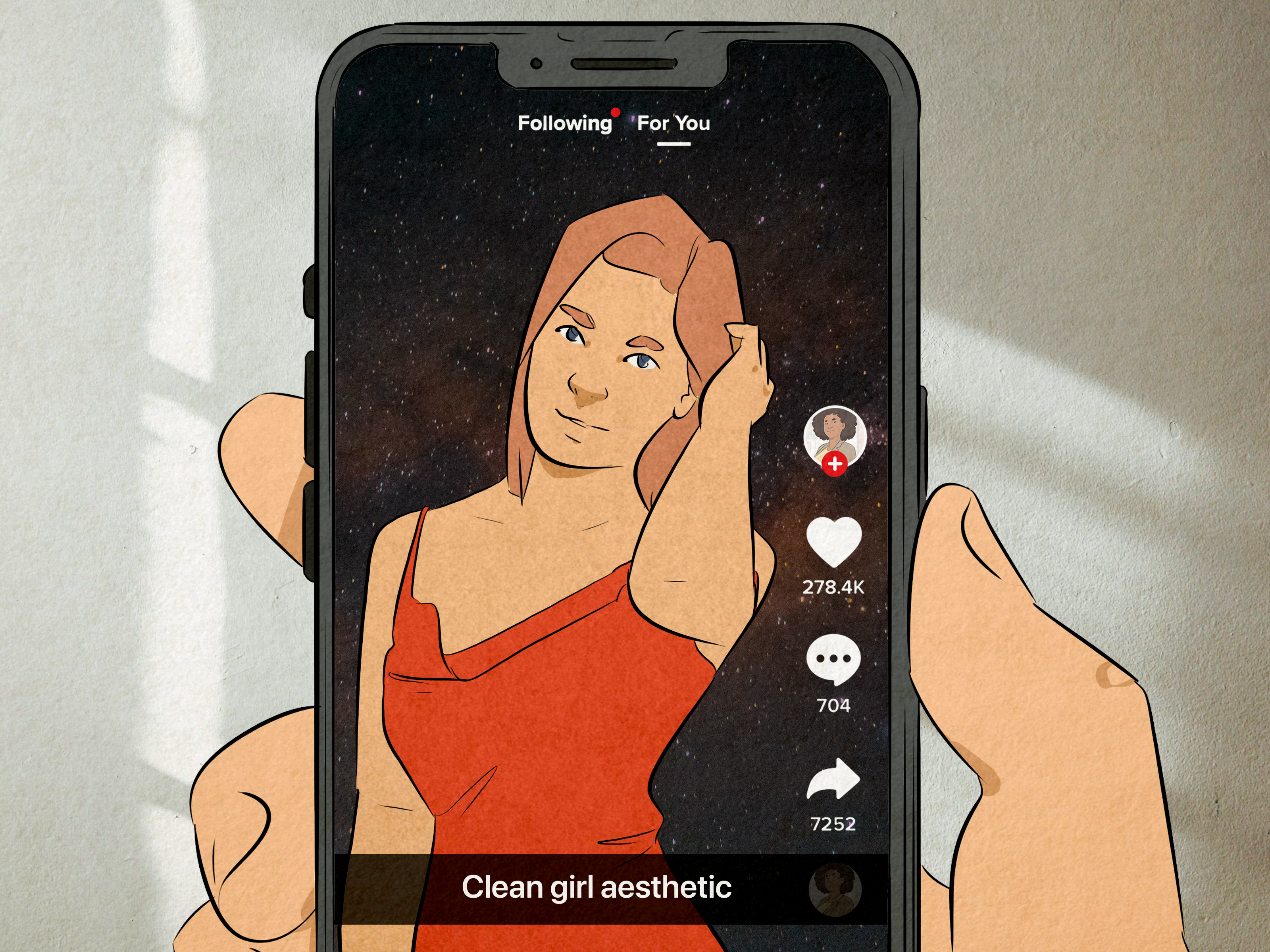
The trend became popular because it gave people permission to stop curating every moment. After years of clean-girl minimalism, beige wellness routines, and “quiet luxury” outfits that looked like they required a trust fund and a steamer, Brat Summer offered a dirtier, louder alternative. It said: be hot, be honest, be strange, wear the sunglasses, send the text, dance badly, and stop pretending your life is a skincare commercial.
Where Did Brat Summer Come From?
The movement started with Charli XCX’s sixth studio album, Brat. The record leaned into rave-inspired pop, electronic production, and a combination of confidence and insecurity that felt unusually human for a major pop release. It was not just “party music.” It was party music with anxiety, ambition, grief, friendship drama, and existential dread hiding under the bassline. In other words, it was very 2024.
The album cover was a major part of the explosion. Instead of a glossy photo shoot, Charli chose a blurry, almost intentionally ugly lime-green square with the word “brat” in plain lowercase text. It looked like a file someone forgot to export correctly, which was exactly why it worked. The design was easy to copy, parody, remix, and recognize from across a room. In meme culture, that is basically gold dust wearing platform boots.
Then came the Brat Generator-style images, where users could make their own green squares with custom text. Suddenly everything could be “brat”: your breakfast, your breakup, your group chat, your dog, your emotional instability, your unpaid parking ticket. The format was simple enough for everyone to participate, which helped the trend spread far beyond Charli XCX’s existing fanbase.
Why Did Brat Summer Go Viral on TikTok?
TikTok loves trends that are easy to imitate but flexible enough to personalize. Brat Summer had both. The color was instantly recognizable. The attitude was easy to perform. The music was built for movement, edits, nightlife clips, fashion transitions, and dramatic lip-syncing in a bathroom mirror. The trend did not require a complicated explanation; you could understand the vibe in three seconds.
One of the biggest TikTok moments connected to Brat Summer was the viral “Apple” dance. The choreography was simple, playful, and repeatable, which made it perfect for creators, celebrities, friend groups, and people who normally refuse to dance unless threatened at a wedding. The song “Apple” became one of the album’s most visible tracks on social media, proving again that a catchy dance can push a song from fan favorite to mainstream internet obsession.
Brat Summer also thrived because it worked as both sincerity and satire. Some people genuinely loved the music and aesthetic. Others posted brat-coded jokes because the format was funny. Some did both. That is the magic of a good TikTok trend: you can be serious, ironic, or both at the same time, and nobody has to admit which one is happening.
The Brat Aesthetic: Lime Green, Messy Glam, and Anti-Perfection
The brat aesthetic is not about looking careless; it is about looking intentionally unbothered. There is a difference. Brat style often includes messy hair, smudged eyeliner, tiny sunglasses, strappy tops, leather jackets, baby tees, low-rise silhouettes, bold accessories, and the occasional outfit that says, “I might be going to a club or stealing your aux cord.”
The signature color is brat green: loud, acidic, almost aggressively digital. It is not a calm sage green. It is not matcha. It is not “farmhouse kitchen cabinet.” It is the kind of green that looks like it has a group chat full of secrets. The color became shorthand for the entire movement, appearing in memes, campaign graphics, fashion posts, and brand reactions.
Brat Summer also borrowed from indie sleaze, early-2000s club culture, and the Y2K revival, but it did not feel like a museum exhibit. It was less about perfectly recreating an era and more about capturing an attitude: sweaty, social, loud, slightly reckless, emotionally complicated, and allergic to looking too polished.
How Brat Summer Rejected the Clean Girl Era
To understand Brat Summer, you have to understand what it was reacting against. Before brat, social media was full of clean-girl beauty, quiet luxury, minimalist routines, slick buns, glass skin, capsule wardrobes, and outfits in colors like oat milk, cloud, and extremely expensive wall paint.
There is nothing wrong with a clean aesthetic. Sometimes a slick bun and a tidy apartment are exactly the fantasy. But after a while, online perfection can feel exhausting. Brat Summer pushed back by making room for imperfection. It celebrated the person who goes out, says the wrong thing, laughs too loudly, admits insecurity, and still shows up with confidence.
That contrast made the trend feel fresh. Instead of asking people to become calmer, cleaner, richer-looking, and more optimized, brat told them to be a little louder and more alive. It was self-expression with a smirk. It was wellness culture’s messy cousin who knows all the best DJs.
Why Charli XCX Was the Perfect Artist for the Trend
Charli XCX has long been known for experimenting with pop music, club sounds, internet culture, and fan communities. Before Brat, she already had credibility with pop obsessives, LGBTQ+ fans, electronic music listeners, and people who treat album rollouts like major sporting events. She was mainstream-adjacent but still cool enough to feel like a secret, which is a powerful combination.
Brat worked because it did not feel like an artist suddenly trying to chase TikTok. It felt like the internet finally caught up with a language Charli had been building for years. The album blended club confidence with emotional vulnerability, which gave the trend depth. You could dance to it, but you could also project your entire personality onto it. Very efficient.
The music itself mattered. Without strong songs, the green square would have been a cute meme and nothing more. Tracks like “360,” “Von Dutch,” “Apple,” “Girl, so confusing,” and “365” helped define the sound of the trend: sharp, electronic, self-aware, and full of quotable energy.
The Political Twist: “Kamala Is Brat”
One reason Brat Summer became impossible to ignore was its unexpected leap into American politics. After President Joe Biden ended his 2024 reelection campaign and endorsed Vice President Kamala Harris, Charli XCX posted the now-famous phrase “kamala IS brat” on X. The Harris campaign quickly leaned into the meme, using brat-inspired visuals and embracing the internet’s coconut-tree, lime-green, fan-edit energy.
This moment showed how fast pop culture can move into politics. A phrase that started as a music-adjacent meme became part of a presidential campaign’s youth-culture strategy almost overnight. Whether people found it brilliant, cringe, funny, or all three depended on their tolerance for political memes and lowercase typography.
The “Kamala is brat” moment also proved that Brat Summer was bigger than fashion. It had become a cultural code. To call something brat was to say it was confident, chaotic, unexpected, and internet-native. That is a lot of meaning for one four-letter word wearing green.
Is Brat Summer Just a Fashion Trend?
No. Fashion was a major part of Brat Summer, but the trend was bigger than clothes. It was a mood, a meme language, a music moment, and a social-media identity. You could dress brat, post brat, dance brat, caption brat, or simply declare that your questionable life choices were brat and hope nobody asked follow-up questions.
That flexibility helped the trend spread. People did not have to buy an expensive wardrobe to participate. A green background, messy selfie, ironic caption, or song clip was enough. Brat Summer was accessible because it was more about attitude than ownership. The outfit helped, but the vibe did the heavy lifting.
For brands and creators, the trend became a lesson in visual simplicity. The green square was easy to recognize and easy to remix. The best viral aesthetics are often not the most beautiful; they are the most repeatable. Brat understood that perfectly.
How to Be Brat Without Trying Too Hard
1. Embrace Imperfection
Brat Summer is not about becoming chaotic for no reason. It is about letting go of the need to appear flawless. Post the photo where your hair is doing something dramatic. Wear the outfit that feels fun, not algorithm-approved. Admit you are excited. Admit you are nervous. Confidence is more interesting when it has texture.
2. Add a Little Lime Green
You do not need to dress like a highlighter from head to toe, although respect if you do. A brat-coded outfit can include a green accessory, bold sunglasses, a graphic tee, a leather jacket, or something that looks like it has been to at least one excellent party.
3. Make the Playlist Loud
Music is the engine of the trend. Build a playlist with Charli XCX, club-pop, hyperpop, electro-pop, and songs that make walking into a convenience store feel like an entrance scene. Brat is not background music. Brat is the main character grabbing the aux cord.
4. Be Funny About Yourself
The best brat energy includes self-awareness. It is not pretending every bad decision is glamorous. It is laughing at the chaos while still choosing yourself. Think: “Was that wise? No. Was it iconic? The committee is reviewing.”
Why Brat Summer Matters
Trends come and go, but Brat Summer matters because it captured a cultural feeling. People were tired of hyper-curated perfection. They wanted music that sounded alive, fashion that looked less sanitized, and an identity that made room for contradiction. Brat allowed people to be confident and insecure, social and anxious, stylish and messy, funny and sincere.
That combination is why the trend outgrew TikTok. It became shorthand for a broader shift in internet culture: away from polished aspiration and toward expressive, chaotic authenticity. Of course, the second authenticity becomes a trend, it gets packaged, copied, and sold back to us. That is the internet’s favorite magic trick. Still, Brat Summer had a real emotional core beneath the memes.
It reminded people that pop culture can still create shared moments. In a fragmented media world, one album cover, one color, one dance, and one word managed to connect music fans, fashion creators, meme accounts, celebrities, brands, and political campaigns. That is not just a trend. That is a cultural power move in a tiny strappy top.
Personal Experiences and Real-Life Brat Summer Moments
The funniest thing about Brat Summer is that many people experienced it before they could define it. You might have seen a friend suddenly post a blurry green graphic with a lowercase caption and thought, “Did their phone break?” Then two days later, you were saving the same format for your own weekend photo dump. That is how internet culture gets you: slowly, then all at once, like emotional glitter.
In real life, Brat Summer felt less like a strict trend and more like a social permission slip. People used it as an excuse to be more playful with their style, their captions, and their nights out. A casual dinner became brat if the group chat was chaotic enough. A bad hair day became brat if paired with confidence. A dramatic walk to the corner store became brat if “360” was playing in your headphones. The trend worked because it could turn ordinary moments into tiny performances of self-belief.
For many TikTok users, Brat Summer also became a way to laugh at the pressure to constantly improve. Not every day needs to be productive. Not every outfit needs to be timeless. Not every social moment needs to be content, even though, naturally, many of them became content anyway. Brat energy said you could be a work in progress and still have excellent taste in sunglasses.
One relatable Brat Summer experience was the return of messy group fun. After years of digital perfection, people seemed eager for photos that looked less edited and more alive: crowded kitchens, late-night diners, bathroom mirror selfies, dance-floor videos, road trips, convenience-store snacks, and blurry pictures where everyone looks happy but nobody knows where the light source is coming from. These moments felt brat because they were imperfect, social, and a little ridiculous.
The trend also made people reconsider confidence. Brat confidence is not the polished kind where you wake up at 5 a.m., journal, drink lemon water, and achieve enlightenment before breakfast. It is the kind where you know you are complicated and still refuse to shrink. It is wearing the bold outfit before you feel ready. It is sending the voice note instead of rewriting the text twelve times. It is dancing even when you know your rhythm has filed a formal complaint.
That is why Brat Summer resonated beyond Charli XCX fans. It gave people a language for being both messy and magnetic. You did not have to be perfect to be interesting. You did not have to be calm to be confident. You did not have to choose between emotional honesty and fun. In fact, the whole point was that the two could exist in the same sweaty, lime-green room.
Even for people who never wore brat green or learned the “Apple” dance, the trend left behind something useful: a reminder that style and identity should be allowed to breathe. Trends are temporary, but the desire underneath Brat Summer is not. People want space to be weird, funny, vulnerable, loud, soft, stylish, confused, ambitious, and occasionally dramatic over absolutely nothing. That may not always be called brat, but let’s be honest: it is very brat.
Conclusion
So, what is Brat Summer? It is the viral TikTok trend inspired by Charli XCX’s Brat, but it is also much more than an album era. It is a lime-green aesthetic, a club-pop soundtrack, a meme format, a fashion mood, and a cultural rejection of over-polished perfection. It celebrates confidence with cracks in it, glamour with smudged eyeliner, and fun that does not need to apologize for being a little chaotic.
Brat Summer became popular because it felt human. It gave people a way to be stylish without being sterile, confident without being perfect, and online without pretending life is always clean and curated. Whether you see it as a TikTok trend, a music phenomenon, or a very loud green joke that escaped containment, Brat Summer earned its place as one of the defining pop-culture moments of 2024.
Note: This article is written for web publication and synthesizes real cultural, music, fashion, social media, and public-reporting context without inserting source links into the article body.