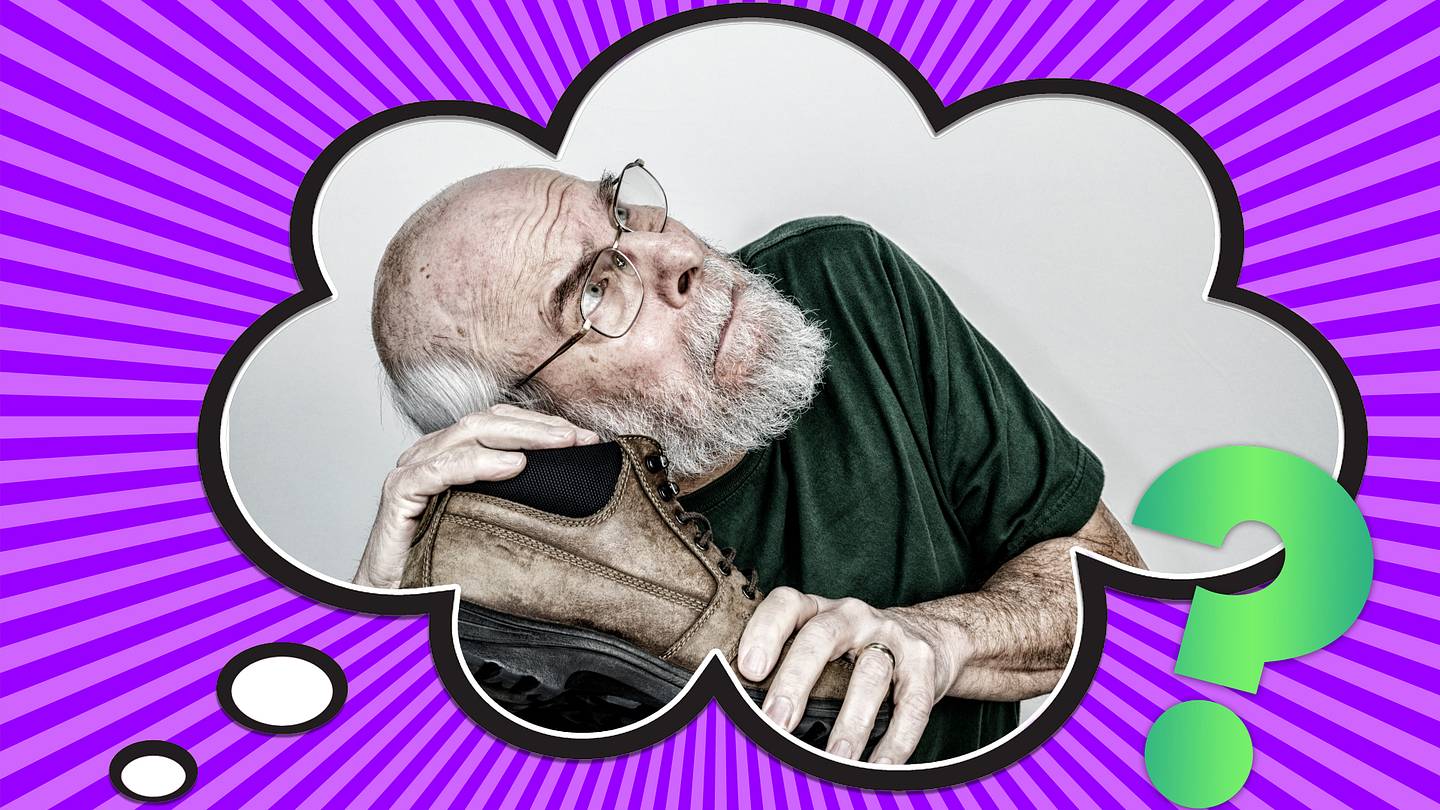
Some expressions walk into English wearing a tuxedo. Others arrive with scuffed heels, squeaky soles, and a dramatic thud from the apartment upstairs. “Waiting for the other shoe to drop” belongs proudly to the second group. It is one of those phrases that sounds strange until you picture the scene: you are lying in bed, the room is quiet, the ceiling is thin, and suddenlybang!your upstairs neighbor drops one shoe on the floor. Now your brain refuses to relax. Where is the second shoe? Why has it not dropped? Is your neighbor standing there on one foot like a haunted flamingo?
That tiny moment of suspense is the heart of the idiom. Today, when someone says they are “waiting for the other shoe to drop,” they usually mean they are expecting another event to happen, often something unpleasant, unavoidable, or stressful. The phrase is about anticipation, but not the cheerful kind, like waiting for pizza. It is the tense kind, like waiting for the dentist to say, “We found one more thing.”
The origin of “waiting for the other shoe to drop” is generally traced to American urban life in the late 19th and early 20th centuries, especially boarding houses, hotels, and crowded tenement buildings. It grew from an everyday sound: one shoe hitting the floor, followed by the listener’s anxious expectation that the second shoe would soon follow. Over time, that literal expectation became a figurative expression for waiting for the next predictable consequence.
What Does “Waiting for the Other Shoe to Drop” Mean?
The phrase means to wait for the next event that seems likely, inevitable, or already set in motion. It often carries a negative emotional charge. If a company announces falling profits, employees may start waiting for the other shoe to drop, meaning they expect layoffs, budget cuts, or some other unwelcome development. If a friend says, “My car started making a weird noise, and now I’m waiting for the other shoe to drop,” they probably do not expect the car to apologize and hand them flowers. They expect the repair bill to arrive wearing steel-toed boots.
The idiom can also describe emotional suspense. A person who grew up in a chaotic household may say they are always waiting for the other shoe to drop, even when life is going well. In that case, the phrase captures a habit of expecting trouble after a calm moment. The first “shoe” may be a small warning sign, a change in tone, a delayed reply, or simply the uneasy belief that good luck cannot last.
The Most Accepted Origin: Noisy Neighbors and Thin Floors
The most widely repeated explanation places the phrase in multi-story buildings where residents lived closely above and below one another. In crowded American cities, especially New York, many people lived in tenements or inexpensive lodging houses. Floors and walls were not exactly engineered for spa-like serenity. If your upstairs neighbor came home late, you might hear footsteps, a chair scrape, a drawer slam, and then the unforgettable crash of a shoe landing on the floor.
The first shoe created expectation. Since people usually wear two shoes, the listener knew another thump was coming. The waiting became almost comically unbearable. The second shoe was not mysterious. It was inevitable. That is why the expression works so well. It turns ordinary cause and effect into a small domestic drama.
Imagine the scene: a tired tenant is lying in bed after a long workday. Above him, another tenant begins undressing. One shoe drops with a loud thud. The tenant below stiffens. He waits. Ten seconds pass. Thirty seconds. A full minute. The silence becomes louder than the shoe. Finally, he may even shout, “For heaven’s sake, drop the other shoe!” That little story became a perfect metaphor for suspense that cannot be resolved until the expected follow-up arrives.
Why the Phrase Became Popular in America
“Waiting for the other shoe to drop” feels especially American because it reflects a period of rapid urban growth. Industrial cities packed workers, immigrants, travelers, and families into apartment buildings, rooming houses, and hotels. Privacy was limited. Sound traveled easily. Everyone became unwillingly familiar with everyone else’s routines.
In that setting, the phrase did not need much explanation. Many people understood the experience immediately. The joke worked because it was physical, common, and slightly irritating. A person did not need a literature degree to understand it. They only needed ears, a ceiling, and a neighbor with poor shoe-control skills.
By the early 1900s, the expression was being used figuratively. Instead of referring only to bedtime noise, it began describing business anxiety, social tension, politics, family conflict, and any situation where one event clearly suggested another. The phrase had slipped out of the bedroom and into the broader language.
Was There a Single First Use?
Like many idioms, this phrase does not appear to have one neat inventor. Nobody seems to have stood on a balcony in 1907 and declared, “I hereby create a permanent English expression about footwear-based dread.” Idioms usually do not work that way. They spread through jokes, stories, newspapers, conversations, theater, and repeated everyday use.
The exact earliest use is difficult to pin down because spoken phrases often circulate long before they appear in print. By the time a newspaper, magazine, or book records an idiom, the expression may already be familiar to readers. That is likely the case here. The phrase appears to have moved from a literal anecdote into common figurative speech over several decades.
This matters because it reminds us not to treat every origin story as a courtroom transcript. The tenement-and-hotel explanation is plausible, widely accepted, and supported by early usage patterns, but the phrase probably evolved through oral storytelling rather than through a single documented moment.
Why the “Other Shoe” Is Usually Bad News
Technically, the second shoe is not evil. It is just a shoe. But in language, the phrase became linked with dread because the waiting itself is uncomfortable. The listener already knows something is coming, cannot control it, and cannot relax until it happens. That emotional structure fits bad news better than good news.
For example, if your boss says, “We need to talk tomorrow,” you may spend the night waiting for the other shoe to drop. Maybe the meeting is harmless. Maybe you are getting a promotion. But the phrase captures the nervous possibility that something unpleasant is on its way. It is the sound of uncertainty putting on heavy boots.
The idiom often appears after the first sign of a larger problem. A missed payment may be the first shoe before a financial crisis. A strange test result may be the first shoe before a diagnosis. A political scandal may be the first shoe before resignations, investigations, or more revelations. The phrase gives people a compact way to say, “This story is not over, and I am not enjoying the intermission.”
How to Use the Phrase Correctly
The expression is usually used in the forms “wait for the other shoe to drop,” “waiting for the other shoe to drop,” or “the other shoe finally dropped.” It works best when one event has already happened and another seems likely to follow.
Examples in Everyday American English
After the first round of layoffs, the remaining employees were waiting for the other shoe to drop.
When the landlord announced a building inspection, tenants wondered if rent increases would be the other shoe.
She had received one troubling medical result and spent the weekend waiting for the other shoe to drop.
The team lost its star player, and fans were waiting for the other shoe to drop before the trade deadline.
In each example, the phrase points to a second development that feels connected to the first. It does not simply mean “waiting.” It means waiting with a sense of expectation, tension, and often dread.
Related Phrases and Common Confusions
Several expressions sound similar but mean different things. “The shoe is on the other foot” means the situation has reversed. For example, if a former critic is now being criticized, the shoe is on the other foot. That phrase is about role reversal, not suspense.
“Drop the other shoe” can mean to reveal the expected second part of a situation. If someone says, “Go ahead, drop the other shoe,” they may be asking another person to finish delivering bad news. It has the same emotional DNA as “waiting for the other shoe to drop,” but it is more direct.
Another related phrase is “the penny dropped,” which means someone finally understood something. That one is more common in British English and has nothing to do with footwear. English idioms are a crowded closet; not every shoe belongs to the same outfit.
Why This Idiom Still Feels Modern
The world has changed since the age of crowded tenements and creaky hotels, but the emotional experience behind the idiom has not changed at all. People still wait for consequences. They wait for test results, corporate announcements, court decisions, relationship conversations, election outcomes, and emails that begin with “Just circling back.” Frankly, “just circling back” may be the modern office version of a shoe hitting the floor.
The phrase survives because it is vivid. It turns anxiety into sound. You can almost hear the first thud, then feel the silence stretching afterward. That is stronger than simply saying, “I am nervous about what happens next.” The idiom gives the feeling a scene, a ceiling, and a neighbor with questionable bedtime manners.
It also survives because it captures suspense without needing a complicated explanation. Everyone understands the logic of pairs. One shoe implies another. One warning sign implies a follow-up. One bad announcement may imply a second. Language loves patterns, and this phrase is built on one of the simplest patterns imaginable: first one, then the other.
The Psychology Behind Waiting for the Other Shoe to Drop
Part of the phrase’s power comes from anticipation. Human beings are pattern-detecting creatures. When something happens once, we immediately start predicting what might happen next. Sometimes that ability protects us. If dark clouds gather, we bring an umbrella. If the dog becomes suspiciously quiet, we check whether he has discovered a sofa cushion buffet.
But prediction can also become worry. When the mind expects trouble, it may treat uncertainty as evidence. The second shoe has not dropped, but the silence feels like proof that it will. That is why the idiom is often used in discussions of stress, trauma, business instability, and relationships. It describes not only an external event but an internal state.
Waiting for the other shoe to drop can make people feel frozen. They may avoid making plans, celebrating good news, or trusting calm moments because they expect the next thud. The phrase is useful because it names that feeling. Once named, it becomes easier to examine. Are you responding to real evidence, or are you listening for a shoe that may never fall?
Why Writers Love This Expression
Writers like the phrase because it carries instant tension. In fiction, journalism, memoir, and commentary, “waiting for the other shoe to drop” tells readers that something is unresolved. It creates a cliffhanger without needing thunder, violins, or a villain stroking a cat.
In business writing, it can describe markets waiting for a central bank decision, investors watching for a second bankruptcy, or employees bracing for restructuring. In personal essays, it can describe emotional vigilance. In entertainment reviews, it can describe a movie scene where the audience senses a twist coming. The phrase is flexible because suspense is everywhere.
Still, good writers should use it carefully. Because the idiom is familiar, overusing it can make prose feel predictable. The best use is when the situation truly involves a first event and an expected second event. If nothing has happened yet, nobody is waiting for the other shoe to drop. They are simply waiting, worrying, or doom-scrolling in pajamas.
500-Word Experience Section: Living With the “Other Shoe” Feeling
Most people have experienced a “waiting for the other shoe to drop” moment, even if they did not call it that at the time. It often begins with a small interruption to normal life. A manager schedules a surprise meeting. A doctor’s office leaves a voicemail but does not explain why. A friend sends the dreaded message: “Can we talk?” Suddenly, the mind becomes a detective with a caffeine problem. It gathers clues, invents theories, and tries to solve a mystery that may not even be a mystery.
One common experience happens at work. Suppose a company announces that it is “reorganizing for efficiency.” That phrase sounds polished, but employees know it may be wearing tap shoes. The first shoe is the announcement. The second might be layoffs, department changes, new reporting structures, or a mysterious consultant who appears in conference rooms carrying a laptop and an expression of professional sympathy. People keep working, but the atmosphere changes. Conversations become quieter. Calendars are studied like ancient scrolls. Everyone is waiting for the other shoe to drop.
Another familiar version happens in relationships. Someone notices a partner becoming distant. Maybe replies are shorter. Maybe plans are vague. Maybe the phrase “I’ve just been busy” starts doing too much heavy lifting. The first shoe is the change in behavior. The second shoe might be a difficult conversation. In that waiting period, imagination often fills the silence. Sometimes the fear is accurate; sometimes it is not. Either way, the waiting can feel worse than the answer.
Families know the feeling too. A relative says, “I have some news, but I’ll tell you when everyone is together.” That sentence should come with a warning label. Until the explanation arrives, everyone becomes a professional guesser. Is it good news? Bad news? A surprise move? A medical issue? A secret engagement? A new pet iguana? The mind wants closure, and when closure is delayed, anxiety gets comfortable on the couch.
The phrase also applies to personal habits of worry. Some people feel uneasy when life becomes peaceful. After long periods of stress, calm can feel suspicious. A quiet week does not feel like relief; it feels like the pause before the next crash. That is the emotional “other shoe” effect. It can make joy feel temporary and rest feel irresponsible. The challenge is learning to separate useful caution from automatic dread.
A helpful way to handle that feeling is to ask two questions: What is the first shoe, and what evidence suggests a second one is coming? If the evidence is real, planning may help. If the evidence is mostly fear, naming the feeling can reduce its power. You can say, “I’m waiting for the other shoe to drop, but I do not actually know that it will.” That sentence creates a little breathing room. The shoe may drop. It may not. And sometimes, wonderfully, the upstairs neighbor has already gone to bed.
Conclusion
The phrase “waiting for the other shoe to drop” most likely came from the everyday experience of hearing one shoe hit the floor in a hotel, boarding house, or tenement apartment and then anxiously expecting the second. Its exact first use is uncertain, but its meaning became clear in American English by the early 20th century: to wait for a seemingly inevitable next event, usually with nervous anticipation.
The idiom has lasted because it turns anxiety into a simple, memorable image. One shoe has dropped. The room is quiet. Everyone knows another may be coming. Whether used in business, relationships, politics, health, or personal reflection, the phrase captures one of life’s most familiar feelings: the uncomfortable pause between the first sign of trouble and whatever happens next.