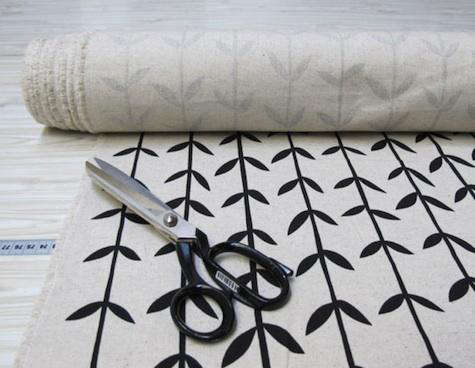
Some fabrics politely sit in the background. Orla, from Skinny laMinx, is not one of them. This cheerful stem-print textile has the confidence of a great vintage chair, the neatness of Scandinavian design, and the playful wink of a pattern that knows it looks good on cushions, curtains, blinds, and upholstery. It is graphic without being cold, botanical without becoming fussy, and bold without shouting across the room like a wallpaper sample after too much espresso.
Officially associated with Skinny laMinx, the Cape Town textile and homeware brand founded by designer Heather Moore, Orla belongs to that special category of fabric that can change the whole mood of a room without requiring a construction crew, a second mortgage, or a family meeting. The design is a stylized stem print, named in homage to the worldwide influence of Orla Kiely’s iconic stem motifs. Yet Skinny laMinx gives the idea its own voice: simpler, softer, handmade in spirit, and extremely usable in real homes.
For shoppers, decorators, and fabric lovers searching for “Skinny Laminx Fabrics – Orla,” the main appeal is easy to understand. Orla brings together modern pattern, natural-feeling texture, practical furnishing weight, and a color story that works beautifully in mid-century, Scandinavian, eclectic, cottage, and contemporary spaces. In short, it is the kind of fabric that makes a plain room sit up straighter.
What Is Skinny laMinx Orla Fabric?
Skinny laMinx Orla is a decorative furnishing fabric featuring a repeating stem-inspired motif. The print has appeared in standard and reversed-out versions and in several colorways, including Lemon, Olive, Fog, Strawberry, Plum, and other editions seen through product archives, retailers, and design references. At its heart, Orla is a modern botanical stripe: repeated vertical stems and leaves create rhythm, but the layout remains clean enough to feel contemporary.
That balance is what makes the fabric interesting. Many botanical prints drift toward romantic florals, garden-party nostalgia, or “grandma’s spare bedroom but make it dramatic.” Orla goes another way. It keeps the plant reference, removes the fuss, and turns the motif into a tidy graphic repeat. The result feels fresh, architectural, and friendly.
Key Product Details
Commonly listed specifications for Orla fabric include a width of about 140 cm, a pattern repeat of approximately 21 cm, and a cotton-linen blend base cloth. Retail listings have described the fabric as 35% linen and 65% cotton, screen-printed with water-based inks onto a sturdy furnishing base. Those details matter because Orla is not just a pretty face. It is designed for practical interior use, including curtains, blinds, cushions, light upholstery, and other home furnishings.
The cotton-linen blend is part of its charm. Linen adds texture, breathability, and a slightly relaxed natural feel, while cotton helps soften the hand and improve everyday usability. Together, they create a fabric that looks crafted rather than plastic-perfect. In a world full of flat digital prints, that little bit of texture is a design advantage.
The Story Behind Skinny laMinx
Skinny laMinx is closely tied to Heather Moore, a Cape Town-based designer known for clean pattern work, playful color, and a design language that blends everyday observation with mid-century, Scandinavian, and African influences. Moore’s creative process has often been described as beginning with hands-on methods: paper cutouts, lino-inspired marks, drawing, and screen-printing experiments before designs are refined into repeat patterns for textiles and homeware.
This handmade beginning gives Skinny laMinx fabrics their personality. Even when the final repeat is crisp and orderly, the designs rarely feel sterile. They have the warmth of a sketchbook, the restraint of good graphic design, and the confidence of a brand that understands how pattern behaves once it leaves the studio and lands on a sofa.
Orla fits neatly into that world. It is one of the brand’s early and best-recognized textile designs, a pattern that helped establish the Skinny laMinx style: simple shapes, smart color, and a strong sense of repeat. It is not trying to look expensive in the obvious way. It looks thoughtful, which is usually better.
Why the Orla Print Works So Well
A successful fabric repeat has to do more than look nice on a small swatch. It must survive scale, repetition, furniture curves, seams, folds, sunlight, shadows, and the occasional decorative pillow karate chop. Orla works because its stem motif is structured but not rigid. The vertical rhythm gives it movement, while the simplified leaves keep the surface from becoming too busy.
It Has the Energy of a Stripe
Although Orla is a botanical print, it behaves like a stripe. The stems create vertical lines, which can visually lengthen curtains, sharpen a chair silhouette, or bring order to a room with loose, casual furniture. This makes it easier to use than many florals. A sofa covered in oversized roses may require bravery, lighting, and possibly a dramatic personality. Orla only asks for confidence and a measuring tape.
It Brings Pattern Without Clutter
Because the motif is simple, Orla can add personality without overwhelming a space. In a neutral room, a Lemon or Olive Orla cushion can act like a small burst of sunshine. In a colorful room, Fog, Plum, or darker versions can provide graphic structure. The print is memorable, but it does not create visual chaos. That is a rare fabric superpower.
It Connects Vintage and Modern Design
Orla’s visual language naturally appeals to fans of mid-century modern interiors. The clean repeat, stylized plant form, and upbeat color options feel connected to the optimism of mid-century pattern design. At the same time, the fabric can work in modern homes because the linework is restrained and the palette is sophisticated. It gives you retro charm without making your living room look like it is waiting for a fondue party.
Best Uses for Skinny laMinx Orla Fabric
Orla is versatile, but some applications show off its strengths especially well. The pattern has enough presence for statement pieces and enough discipline for smaller accents. Whether you are decorating a full room or simply trying to rescue a tired chair from beige boredom, Orla offers several smart options.
1. Curtains and Window Treatments
Orla is particularly strong as curtain fabric. The vertical stem repeat works with the natural fall of drapery, helping the print feel intentional from top to bottom. In a light-filled breakfast nook, Lemon Orla can add warmth and cheer. In a bedroom or study, Olive or Fog can feel calmer and more grounded. For Roman blinds, the print’s repeat creates a clean framed effect when the blind is lowered and a pleasing stack of pattern when raised.
2. Cushion Covers
Cushions are the easiest way to introduce Orla without committing to a full room scheme. A pair of Orla pillows on a plain sofa can wake up the entire seating area. For a balanced look, pair Orla with solid linen, a small-scale geometric, or a textured weave. The trick is to let Orla be the charming guest at the party, not make it fight three other loud prints for control of the snacks.
3. Upholstery and Accent Chairs
Orla works beautifully on accent chairs, benches, dining seats, and occasional furniture. The repeat is bold enough to make a chair feel custom but not so large that the pattern becomes awkward on smaller surfaces. A vintage wooden chair with Orla upholstery can look instantly refreshed, especially when the frame has clean lines or tapered legs.
For high-use furniture, it is always wise to consider durability, cleaning needs, sunlight exposure, and whether the fabric is appropriate for the specific upholstery project. Orla’s furnishing-weight cotton-linen base makes it suitable for many decorative upholstery uses, but a professional upholsterer can help determine whether backing, lining, or extra treatment is needed.
4. Table Runners, Napkins, and Soft Storage
One of the joys of a graphic repeat is that it can make small handmade projects look polished. Orla can be used for table runners, napkins, fabric baskets, storage buckets, tote accents, lampshade panels, and even framed textile art. Smaller projects are also a smart way to use remnants, especially if you find a rare colorway or limited piece through a specialty seller.
How to Style Orla in Different Rooms
Living Room
In a living room, Orla can act as the bridge between furniture, color, and accessories. For a mid-century-inspired scheme, pair Olive Orla with walnut furniture, warm white walls, brass accents, and a textured wool rug. For a lighter Scandinavian look, use Fog or Lemon with pale wood, white walls, and simple ceramics. If the room already contains strong art or colorful books, choose a quieter Orla colorway so the pattern adds rhythm rather than competition.
Bedroom
In a bedroom, Orla works best when used with restraint. Try it on a bench cushion, a pair of pillow shams, or a Roman blind. The stem repeat adds interest while still feeling orderly enough for a restful space. Pair it with washed cotton bedding, natural linen, and a warm neutral wall color. The result is relaxed but designed, which is exactly the sweet spot bedrooms deserve.
Kitchen and Dining Areas
Orla’s cheerful botanical quality makes it a natural fit for kitchens and dining nooks. A café curtain, seat pad, table runner, or small blind can bring color to functional spaces without making them feel cluttered. Lemon is especially good in breakfast areas because it gives the room a sunny lift even before the coffee has officially entered your bloodstream.
Home Office
In a workspace, Orla can soften hard edges and add creative energy. A noticeboard covered in Orla fabric, an upholstered desk chair, or a simple curtain panel can make an office feel more personal. The print is lively but structured, which is helpful when you want inspiration without turning your desk into a circus tent.
Colorways: Choosing the Right Orla for Your Space
The best Orla colorway depends on the room’s light, furniture, and mood. Lemon is bright, optimistic, and excellent for accents. Olive feels earthy and vintage-friendly, especially with wood and warm neutrals. Fog is softer and more versatile, a good choice for calm interiors. Plum and Strawberry can add a richer, more playful character, especially in eclectic rooms.
If you are unsure, start with a sample. Fabric changes dramatically depending on daylight, wall color, and nearby materials. A color that looks mild online may become bold in direct sun, while a deep tone may look softer beside wood, leather, or natural rugs. Samples are not glamorous, but neither is ordering three yards of the wrong color and pretending it was “an artistic risk.”
How to Mix Orla With Other Patterns
Pattern mixing becomes easier when you understand what role each print plays. Orla is a medium-scale graphic botanical with vertical rhythm. That means it pairs well with solids, small dots, fine checks, simple stripes, textured weaves, and abstract geometrics. Keep the palette connected, vary the scale, and give the eye a few quiet places to rest.
For example, try Olive Orla cushions with a warm beige sofa, a narrow black-and-cream stripe, and a natural jute rug. Or use Lemon Orla curtains with white walls, a pale gray sofa, and one small blue geometric pillow. The goal is not to match everything perfectly. The goal is to make the room look collected, confident, and not like the fabric store exploded.
Care and Practical Considerations
Because Orla is typically described as a screen-printed cotton-linen furnishing fabric, care should be gentle. Avoid harsh detergents, aggressive scrubbing, and long exposure to direct sunlight where possible, as printed textiles can fade over time. For cushions or removable covers, follow the seller’s care instructions carefully. For upholstery and curtains, professional cleaning may be the safest route, especially if the piece is lined, backed, or custom-made.
It is also smart to plan for shrinkage, pattern placement, and repeat matching before cutting. A 21 cm repeat is friendly for many projects, but matching stems across cushion fronts or curtain panels still requires extra fabric. Always order more than the exact measured amount, particularly for upholstery, where seams and pattern alignment can gobble fabric like a very stylish little monster.
Is Skinny laMinx Orla Still Worth Buying?
Yes, especially if you enjoy modern textiles with personality, handmade roots, and a practical decorating range. Availability may vary because certain Orla colorways and fabric yardage can appear through specialty shops, remnants, resale listings, or archived product pages rather than constant mass-market stock. That variability can actually make the fabric more appealing to collectors and design lovers. It feels less like something everyone has and more like something you discovered.
Orla is not a trend-chasing fabric. It belongs to a more durable category: graphic, botanical, mid-century-friendly, and useful across many rooms. If you choose the right colorway and application, it can look current for years. It is playful enough to enjoy now and restrained enough not to embarrass you later.
of Real-World Experience: Living With an Orla-Style Fabric
The best way to understand Skinny laMinx Orla is to imagine using it in a real home, not just admiring it as a tiny online swatch. A fabric like this changes depending on where it lands. On a cushion, it becomes a punctuation mark. On curtains, it becomes architecture. On a chair, it becomes a personality transplant.
Picture a small apartment living room with plain white walls, a secondhand wooden coffee table, a gray sofa, and one corner that has been quietly begging for attention. Add two Orla cushions in Lemon, and suddenly the room has a point of view. Nothing else has changed, but the space feels warmer, brighter, and more intentional. The cushions pull the eye across the sofa, and the vertical stems give the seating area a sense of movement. It is a small design move with a surprisingly large emotional return.
Now imagine the same fabric as a Roman blind in a kitchen. In the morning, the print catches the light and makes the window feel finished. At night, the blind becomes a graphic panel, almost like textile art. This is where Orla’s repeat really earns its keep. Because the motif is orderly, it does not look messy when folded or partially raised. The pattern remains readable, which is not true of every fabric. Some prints become a mystery novel when gathered. Orla stays calm.
On dining chairs, the experience is different again. A set of chairs upholstered in Olive Orla can make even a simple table feel curated. The botanical repeat softens the hardness of wood, while the graphic structure keeps the space from becoming too sweet. If the chairs are vintage, the print can make them feel updated without erasing their age. That is a major advantage: Orla respects older furniture rather than disguising it.
There is also a tactile pleasure to a cotton-linen furnishing fabric. It does not have the slick, overly perfect finish of many synthetic décor textiles. It feels more natural, more relaxed, and more connected to craft. That texture is part of the experience. You notice it when you smooth a cushion, pull a curtain, or sit in a freshly upholstered chair. It makes the room feel lived in, not staged for a catalog where nobody is allowed to own keys, mail, or snacks.
The main lesson from using an Orla-style print is restraint. You do not need to cover every surface. In fact, please do not. Let the fabric do one or two jobs well. Use it for a window treatment, an accent chair, a bench cushion, or a group of pillows. Then support it with solids and texture. When treated this way, Orla becomes the memorable detail that ties a room together. It brings charm, rhythm, and a little design confidencethe kind that says, “Yes, I chose this on purpose,” even if the rest of the room was assembled during three different life phases and one suspiciously ambitious weekend.
Conclusion
Skinny Laminx Fabrics – Orla is more than a pretty stem print. It is a smart, versatile textile with handmade design roots, modern botanical style, and practical interior appeal. From curtains and cushions to upholstery and small sewing projects, Orla offers a rare mix of charm and discipline. It has enough personality to transform a room, but enough restraint to live with comfortably. For anyone who loves mid-century modern design, Scandinavian simplicity, graphic florals, or artful home textiles, Orla remains a fabric worth noticing, collecting, and using with confidence.