A brass oil burner is one of those home objects that quietly says, “Yes, I have taste, and yes, my living room smells like I read books near a fireplace.” It blends fragrance, warm candlelight, and the timeless glow of brass into one compact decor piece. Whether you use it for essential oils, fragrance blends, wax melts, or simply as a sculptural accent, a brass oil burner can turn an ordinary corner into a calmer, cozier, more intentional space.
But beauty is only half the story. A brass oil burner is also a heated vessel, usually powered by a tea light candle, which means proper use matters. The right setup can make your home smell elegant and inviting. The wrong setup can make your table smell like “oops.” This guide explains what a brass oil burner is, how it works, why brass is such a popular material, how to choose one, how to use it safely, and how to care for it so it ages gracefully instead of looking like it lost a wrestling match with oxidation.
What Is a Brass Oil Burner?
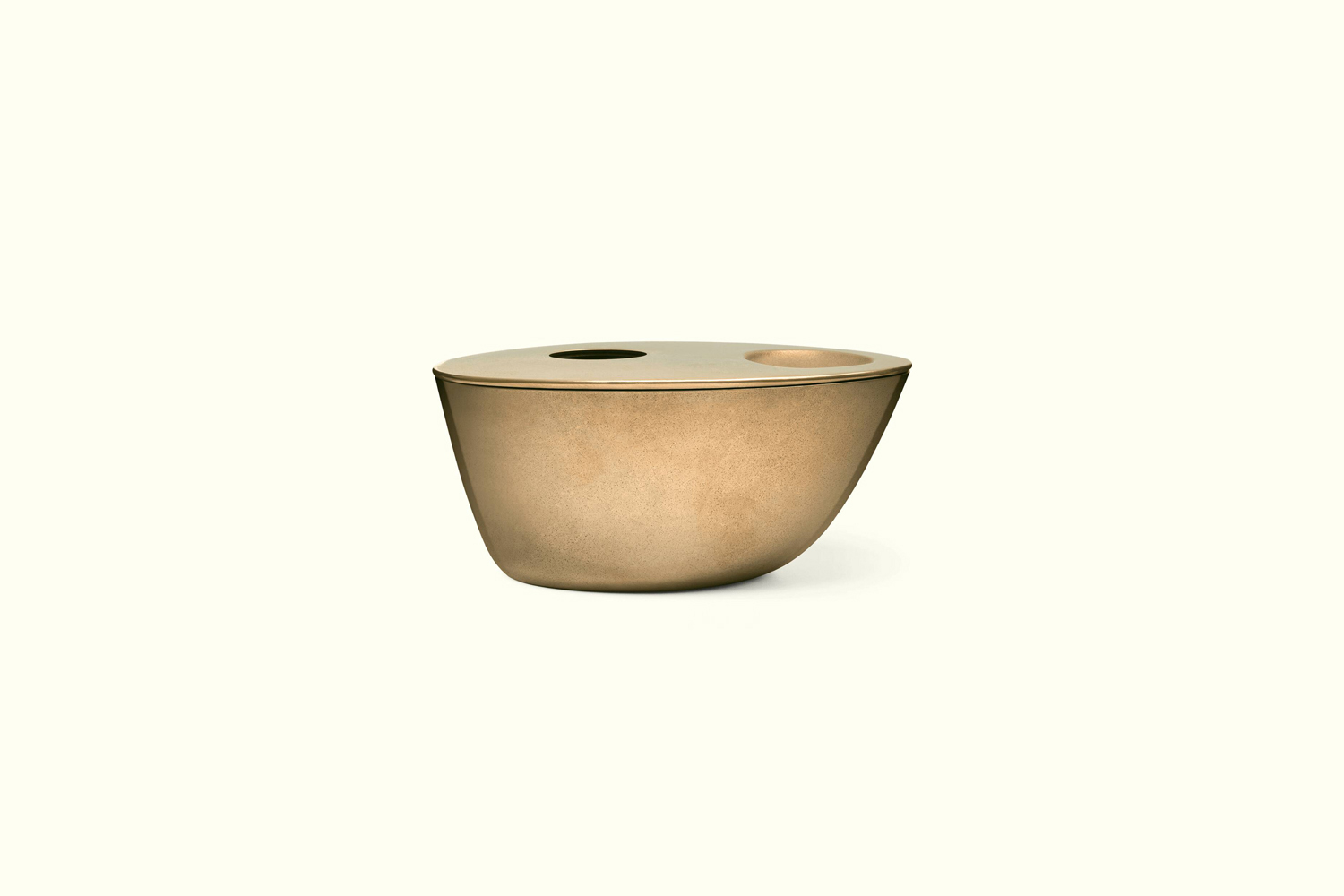
A brass oil burner is a decorative fragrance tool designed to warm scented oils, essential oils, or fragrance blends so their aroma disperses into the surrounding air. Most traditional burners have two main parts: a lower chamber for a small candle and an upper dish or well where water and drops of oil are placed. As the candle warms the dish, the scented mixture slowly releases fragrance.
The word “burner” can be a little misleading. In most home fragrance oil burners, the oil itself should not be burned directly. Instead, it is gently heated, often diluted in water, so the fragrance evaporates gradually. That slower release is part of the appeal. Unlike a quick room spray, a brass essential oil burner creates atmosphere over time, like background music for your nose.
Why Brass Works So Well for Oil Burners
Brass is an alloy primarily made from copper and zinc. It has been used for centuries in decorative objects, hardware, instruments, lamps, and household items because it is strong, workable, visually warm, and naturally resistant to corrosion compared with many other metals. In a brass oil burner, those qualities are both practical and aesthetic.
It Has a Warm, Luxurious Look
Brass brings instant visual warmth. Its golden tone pairs beautifully with wood, marble, stone, linen, ceramic, leather, and dark painted walls. A polished brass oil burner can look refined and modern, while an aged brass burner feels vintage, collected, and slightly mysterious in the best possible way.
It Feels Substantial
Many solid brass oil burners have a pleasing weight. That matters because a stable burner is less likely to tip over during use. A heavy base also gives the object a premium feel, which is why brass burners often appear in carefully styled interiors, spa rooms, meditation corners, and boutique-inspired bathrooms.
It Develops Character Over Time
Unlacquered brass naturally develops patina as it reacts with air, moisture, and handling. Some people polish brass frequently to keep it bright. Others love the mellow, antique look that appears over time. There is no single correct choice. Bright brass says “freshly styled showroom.” Aged brass says “I inherited this from a poet who owned too many candles.” Both are valid moods.
Brass Oil Burner vs. Ceramic, Glass, and Electric Diffusers
Choosing between a brass oil burner and other fragrance tools depends on your style, scent preference, and tolerance for maintenance. Ceramic oil burners are popular because they are affordable, widely available, and come in endless designs. Glass burners can look delicate and modern, though they may be more vulnerable to breakage. Electric diffusers use ultrasonic mist or gentle heat without an open flame, making them convenient for people who want a set-it-and-forget-it fragrance routine.
A brass oil burner is different. It is tactile, decorative, and ritualistic. You place the water, add the oil, light the candle, and watch the flame glow through the base. It asks you to slow down. That is part of the charm. It is less like pushing a button and more like making tea. There is a tiny ceremony involved, and for many people, that ceremony is the whole point.
How to Use a Brass Oil Burner Safely
Because a brass oil burner usually uses a tea light candle, safety should never be treated as optional. A burner is beautiful, but it is still an object with heat and flame. Use it with the same respect you would give any candle.
Step 1: Place It on a Stable, Heat-Resistant Surface
Set the burner on a flat, heat-safe surface such as stone, ceramic tile, a metal tray, or a heat-resistant coaster. Avoid placing it directly on delicate wood, plastic, paper, fabric, or anything that could scorch, melt, or catch fire. If your burner has feet, make sure all of them sit evenly on the surface.
Step 2: Add Water to the Bowl
For most essential oil burners, the upper dish should contain water before oil is added. Water helps regulate the heat and prevents the oil from overheating too quickly. Do not overfill the dish. Leave enough room so the liquid does not spill when the burner warms up or if the table is bumped.
Step 3: Add a Few Drops of Oil
Start with a small amount, usually around five to ten drops depending on the size of the dish, the oil’s strength, and the room size. Essential oils are concentrated, and more is not always better. Too much oil can smell overwhelming, especially in a small bedroom or bathroom. Your home should smell inviting, not like a lavender field got into a boxing match with eucalyptus.
Step 4: Use a Standard Tea Light
Place a tea light in the lower chamber and light it carefully. Avoid oversized candles unless the manufacturer specifically says they are safe for the burner. A flame that sits too close to the bowl can overheat the liquid, damage the burner, or create a stronger scent release than intended.
Step 5: Never Leave It Unattended
This is the golden rule. Do not leave a lit brass oil burner unattended, and do not use it while sleeping. Keep it away from curtains, books, loose papers, bedding, dried flowers, holiday decorations, and anything else that could ignite. Also keep it out of reach of children and pets. Cats, in particular, have a talent for turning elegant objects into gravity experiments.
Best Oils and Fragrance Blends for a Brass Oil Burner
The best oil depends on the atmosphere you want to create. For relaxation, lavender, chamomile, sandalwood, and cedarwood are popular choices. For focus, people often enjoy peppermint, rosemary, lemon, or eucalyptus. For a cozy evening scent, try warm blends with amber, vanilla, clove, cinnamon leaf, frankincense, or sweet orange.
Use essential oils and fragrance oils according to their labels. Essential oils are plant-derived aromatic compounds, while fragrance oils may contain natural and synthetic aroma ingredients. Both can smell wonderful, but both should be handled carefully. Do not ingest essential oils, do not apply undiluted oils to skin unless the product is specifically intended for that use, and be cautious around babies, pregnant people, people with asthma, and pets.
Where a Brass Oil Burner Looks Best
A brass oil burner is small, but it can visually anchor a space. In a living room, place it on a tray with a match striker, a small vase, and a stack of books. In a bedroom, use it on a dresser or nightstand only while awake and present. In a bathroom, it can create a spa-like feel, but keep it far from towels, tissues, hair products, and shower curtains. In an office, use energizing scents sparingly so your workspace smells fresh without turning into a peppermint thunderstorm.
Modern Interiors
In modern spaces, choose a minimalist brass oil burner with clean lines and a satin or brushed finish. Pair it with neutral colors, black accents, stone trays, and simple greenery. The brass adds warmth without making the room feel overly traditional.
Vintage and Bohemian Interiors
For vintage, eclectic, or bohemian rooms, an ornate brass burner with cutout patterns, carved details, or an aged finish works beautifully. It pairs well with patterned textiles, antique mirrors, rattan, carved wood, and layered lighting.
Luxury Spa Style
For a spa-inspired look, keep the styling simple. Use the burner with folded hand towels, a small bowl of bath salts, natural stone, and calming scents such as lavender, cedar, or bergamot. The key is restraint. The room should whisper “relax,” not shout “welcome to the essential oil Olympics.”
How to Clean and Maintain a Brass Oil Burner
Good maintenance keeps your brass oil burner attractive and functional. After each use, allow the burner to cool completely before touching or cleaning it. Empty any remaining water and wipe the dish with a soft cloth. If oil residue remains, use mild dish soap and warm water, then dry thoroughly.
Cleaning the Oil Dish
The oil well or dish is the area most likely to collect residue. Avoid scraping it with sharp tools. A soft cloth, cotton pad, or non-abrasive sponge is usually enough. For sticky buildup, let warm soapy water sit in the dish for a few minutes, then wipe gently.
Polishing Brass
If you prefer shiny brass, use a brass cleaner or a gentle homemade paste suited for unlacquered brass. Common household methods include lemon and baking soda, or vinegar, salt, and flour. However, always test a small hidden area first. Some brass pieces are lacquered or brass-plated, and aggressive polishing can damage the finish.
Preserving Patina
If you love the aged look, do not polish too often. Simply dust the burner and wipe away fingerprints with a soft dry cloth. Patina can add depth and personality, especially on handmade or solid brass pieces. Think of it as the object’s autobiography, written very slowly in oxygen.
How to Choose the Right Brass Oil Burner
When shopping for a brass oil burner, consider size, weight, bowl depth, ventilation, and ease of cleaning. A deep oil dish is helpful because it reduces the chance of water evaporating too quickly. A stable base is important for safety. Good airflow around the candle helps the flame burn properly. Removable dishes can make cleaning easier, though many sculptural designs have fixed wells.
Also decide whether you want solid brass or brass-plated metal. Solid brass is usually heavier, more durable, and more likely to age beautifully. Brass-plated pieces can be more affordable but may wear through if polished aggressively. If a seller provides dimensions, weight, and material details, pay attention. A beautiful burner should not only look good in photos; it should make sense in real life.
Common Mistakes to Avoid
One common mistake is using too much oil. Strong fragrance can cause headaches or irritation for some people, especially in enclosed rooms. Another mistake is letting the bowl run dry while the candle is still burning. Without water, residue can overheat and become difficult to clean. A third mistake is placing the burner near a draft, fan, or open window. Moving air can make the flame flicker unevenly and increase risk.
Finally, do not treat a brass oil burner like an air purifier or medical device. Aromatherapy may support relaxation and mood for some people, but it does not replace proper ventilation, cleaning, or medical care. Use fragrance as a comfort tool, not as a miracle machine in a tiny brass hat.
Is a Brass Oil Burner Worth It?
For people who enjoy home fragrance, beautiful objects, and small daily rituals, a brass oil burner is absolutely worth considering. It does more than scent a room. It adds glow, texture, and personality. It can be a practical fragrance tool, a decorative accent, and a mindful pause at the end of a busy day.
However, it is best for users who are comfortable with candle safety and basic maintenance. If you want fragrance while sleeping or while away from home, an open-flame burner is not the right tool. In that case, a flameless diffuser may be better. But for supervised use, a brass oil burner offers something electric diffusers often lack: atmosphere.
Personal Experience: Living With a Brass Oil Burner
The first thing people usually notice about a brass oil burner is not the scent. It is the presence. Even before it is lit, a well-made brass burner has a certain quiet confidence. Place it on a coffee table, and suddenly the table looks styled. Put it on a bathroom shelf, and the room starts pretending it belongs in a boutique hotel. Brass has that effect. It is small-scale drama without the exhausting personality of glitter.
In everyday use, the experience is slow and satisfying. Filling the little bowl with water, adding a few drops of oil, and lighting the tea candle becomes a ritual. It takes less than a minute, but it changes the way a room feels. A citrus blend in the morning can make a kitchen feel brighter. Cedarwood or sandalwood in the evening can make a living room feel grounded and calm. Lavender before bedtime can help create a softer mood, as long as the burner is extinguished well before sleep.
One practical lesson: start with fewer drops than you think you need. The first time many people use an oil burner, they treat essential oil like hot sauce at a taco standgenerous, enthusiastic, and slightly reckless. Then the room becomes too strong. With a brass oil burner, subtlety wins. You can always add another drop later, but you cannot easily remove “too much peppermint” from the air unless you open windows and apologize to your furniture.
Another experience-based tip is to use a tray. A stone, ceramic, or metal tray creates a safe styling zone and catches small drips or spills. It also makes the burner look intentional rather than randomly parked on a table. Add matches, a small spoon, or a tiny bottle of oil, and the whole setup becomes decorative. This is especially useful in small apartments where every object has to earn its square inches.
Cleaning is easier when done immediately after the burner cools. If leftover oil sits in the dish for days, it can become sticky and stubborn. A quick wipe with warm soapy water keeps the bowl fresh. For the brass exterior, the best approach depends on the look you like. Polishing brings back shine, but allowing patina to develop gives the piece a warmer, lived-in character. Personally, the slightly aged look often feels more interesting. It says the burner is used and loved, not kept in a museum where nobody is allowed to breathe near it.
The biggest benefit of a brass oil burner is the mood it creates. It encourages a small pause: dim the lights, choose a scent, light the candle, and let the room settle. In a world full of screens, alerts, and appliances that beep like tiny robots demanding attention, that simple ritual feels surprisingly luxurious. A brass oil burner is not complicated technology. It is metal, water, fragrance, and flame. Somehow, that is enough.
Conclusion
A brass oil burner is a stylish and functional home fragrance accessory that brings together scent, warmth, and timeless design. Its appeal comes from more than its golden finish. Brass is durable, visually rich, and capable of aging beautifully, while the candle-powered fragrance ritual adds calm and character to a room. The key is to use it thoughtfully: choose quality oils, start with a light scent concentration, place the burner on a stable heat-resistant surface, keep it away from flammable materials, and never leave it unattended.
With proper care, a brass oil burner can become one of those small household objects you reach for again and again. It can freshen a living room before guests arrive, soften the mood after a long day, or simply make a quiet evening feel more intentional. Elegant, practical, and a little old-world, it proves that good home fragrance does not need to be complicated. Sometimes all you need is a beautiful brass vessel, a tiny flame, and a few drops of scent doing their best work.