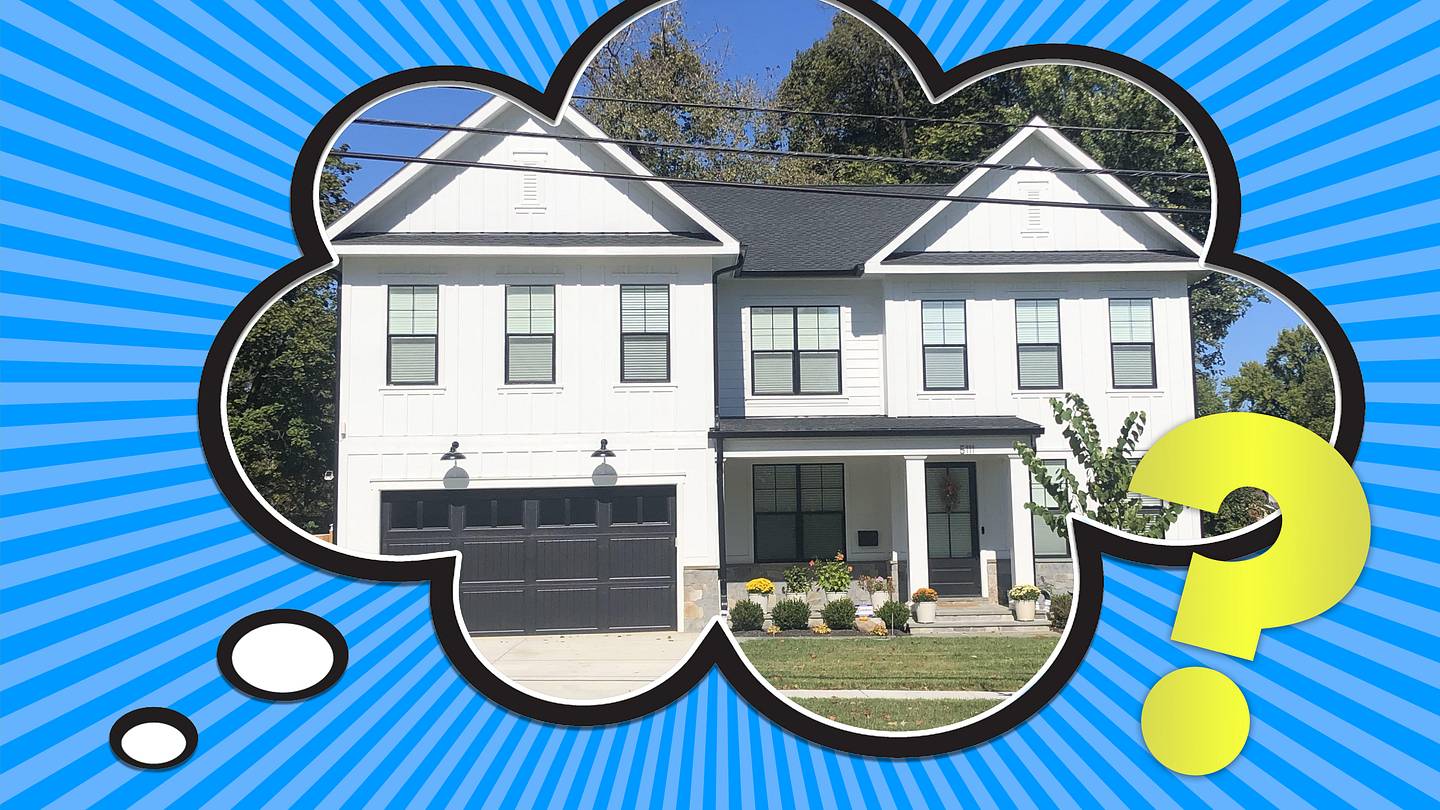
Drive through almost any new subdivision in America and you may notice something funny: the houses look like they got dressed for a very stylish wedding. White siding. Black trim. Black windows. Maybe a black garage door. Maybe a natural wood porch beam tossed in to prove the home still has a pulse. From Texas cul-de-sacs to North Carolina suburbs, the black and white home exterior has become one of the most recognizable looks in new residential construction.
So, why are so many new homes black and white? The short answer is that the color scheme checks nearly every box builders, buyers, designers, and real-estate agents care about. It looks modern without being weird. It photographs beautifully. It makes inexpensive details look sharper. It borrows from the modern farmhouse movement while also fitting contemporary, transitional, craftsman, and even coastal architecture. In other words, black and white is the avocado toast of home exteriors: overused, yes, but still pretty good when done right.
The longer answer is more interesting. This trend is not just about paint. It is about resale psychology, social media, architectural simplification, manufacturing choices, and America’s ongoing love affair with “neutral but dramatic” design. Let’s open the black-framed door and take a look.
The Rise of the Black and White House Exterior
The black and white exterior did not appear out of nowhere. Farmhouses have long used white siding, dark roofs, and simple trim. Historic colonial homes also leaned on strong contrast, with white clapboard, black shutters, and formal symmetry. What changed in the last decade is how builders modernized those old ideas.
The modern farmhouse trend gave the palette a huge boost. Instead of fussy shutters and decorative trim, newer homes used board-and-batten siding, metal roofs, black-framed windows, simple gables, wide porches, and clean lines. The result felt familiar but fresh. It whispered “country charm” while also saying, “Yes, I own a matte black faucet.”
As more buyers responded to the look, production builders adopted it quickly. That is how trends become neighborhoods. One custom home gets attention on Instagram. A regional builder adds a similar elevation. A national builder creates three versions: Modern Farmhouse, Modern Cottage, and Modern Transitional, all wearing the same tuxedo. Suddenly, the entire street looks ready for a magazine shoot.
Reason 1: Black and White Delivers Instant Curb Appeal
Curb appeal is the first handshake a house gives. Black and white creates a strong handshake. The contrast makes windows, doors, rooflines, porch columns, and trim stand out from the street. Even a fairly simple box can look more intentional when the edges are outlined in black.
White siding reflects light and makes a house look bright, clean, and larger. Black accents add definition and visual weight. Together, they create a graphic effect that is easy for the eye to understand. The home looks crisp from a distance, which matters in real estate because most buyers first meet a property through photos, not a slow romantic stroll across the lawn.
In online listings, contrast helps. A white house with black windows pops on a phone screen. It is easy to recognize, easy to save, and easy to remember. That matters when a buyer is scrolling past 40 beige houses and one suddenly looks like it has a design degree.
Reason 2: It Feels Modern Without Scaring Buyers
Builders want homes to feel current, but they also do not want to scare away half the market. A purple exterior may be memorable, but memorable is not always the same as mortgage-friendly. Black and white solves that problem because it is bold without being colorful.
This is the magic of the monochrome palette. It gives buyers the feeling of a design choice without forcing them into a specific taste category. Black and white can be dressed up with warm wood, softened with stone, made coastal with pale landscaping, or pushed modern with flat panels and minimalist lighting. It is flexible, and flexibility sells.
That is also why black and white interiors became so common in kitchens and bathrooms. They feel clean, classic, and slightly upscale. On the exterior, the same logic applies. A black front door, black window frames, or black metal roof suggests sophistication. White siding suggests freshness. Put them together and the house says, “I am trendy, but I still have a 30-year roof warranty.”
Reason 3: The Modern Farmhouse Effect Is Still Everywhere
Modern farmhouse may no longer be the newest kid at the design lunch table, but its influence is still enormous. The style became popular because it combined nostalgia with simplicity. People liked the idea of a home that felt warm, practical, and connected to tradition, even if it sat 12 minutes from a Target and had a three-car garage.
The black and white modern farmhouse exterior usually includes white vertical siding, black windows, a dark roof, simple porch posts, and sometimes wood accents. It is easy to identify and easy to replicate. For builders, that is gold. A recognizable style helps buyers understand what they are seeing immediately. They do not have to decode the architecture. They just say, “Oh, I like that one.”
The style also works across price points. A luxury custom farmhouse can use real wood beams, standing-seam metal roofing, stone foundations, and oversized steel windows. A production home can echo the same look with fiber cement siding, vinyl windows, asphalt shingles, and painted trim. Different budgets, same visual language.
Reason 4: Builders Love Simple, Repeatable Color Palettes
New-home construction rewards efficiency. Builders must make thousands of decisions, and every extra option can add cost, delay, and confusion. A black and white exterior palette is easy to standardize. White siding pairs with almost anything. Black windows and doors feel premium. Dark roofs are widely available. Trim colors can be repeated across multiple floor plans.
This does not mean builders are lazy. It means they are practical. A limited exterior color package reduces mistakes and helps communities look cohesive. It also simplifies marketing. A model home with white siding and black trim looks clean in brochures, aerial videos, listing photos, and design-center displays.
For large subdivisions, the palette can be varied just enough to avoid total copy-and-paste syndrome. One house may be white with black trim. The next may be charcoal with white trim. Another may add stone or warm cedar. The ingredients are similar, but the recipe changes slightly. Think of it as the Chipotle bowl of architecture.
Reason 5: Black Windows Became a Status Symbol
One of the biggest drivers of the black and white home trend is the rise of black-framed windows. For decades, white window frames were the default in many new homes. Black frames felt more custom, more architectural, and more expensive. As modern farmhouse and contemporary styles grew, black windows became a shorthand for “upgraded.”
Black windows create strong lines. They frame views like artwork. On a white exterior, they look sharp and intentional. They also coordinate with black lighting, black hardware, black gutters, black metal railings, and black garage doors. Once a builder chooses black windows, the rest of the exterior often follows.
There is a practical side, too. Black accents can hide certain shadows and gaps better than lighter trim. They make windows look larger and more dramatic. On homes with simple shapes, black windows provide architectural detail without requiring complicated ornamentation.
Reason 6: Social Media Made High Contrast Go Viral
Design trends now travel at the speed of scrolling. A black and white home exterior photographs extremely well, especially in bright daylight. It looks clean on Pinterest, dramatic on Instagram, polished on builder websites, and expensive in before-and-after renovation videos.
High contrast is also easier to appreciate in a thumbnail image. Subtle beige-on-taupe-on-mushroom palettes may be beautiful in person, but online they can look like a bowl of oatmeal wearing a roof. Black and white, however, reads immediately. It gives the camera something to grab.
This matters because many buyers arrive at a builder’s sales office already carrying saved images. They may not know the architectural vocabulary, but they know the look: white siding, black trim, wood porch, big windows, simple landscaping. Builders respond because buyers are literally showing them the demand on their phones.
Reason 7: It Works With Many Architectural Styles
Although people often connect black and white exteriors with modern farmhouse design, the palette is surprisingly versatile. A colonial home can use white siding with black shutters. A contemporary home can use black panels with white stucco. A craftsman can combine white trim, dark lap siding, and wood brackets. A coastal home can use warm white walls, black windows, and sandy landscaping.
This adaptability explains why the trend spread so widely. It is not locked to one roofline or region. In the South, it can look bright and breezy. In the Midwest, it can feel crisp and traditional. In the Mountain West, it can pair with stone and timber. In California, it can lean minimalist and modern.
The palette also works with common exterior materials: fiber cement, engineered wood, stucco, brick, stone, board-and-batten siding, metal roofing, and composite trim. That makes it easy for builders and remodelers to apply the look without reinventing the construction system.
Reason 8: It Feels Resale-Safe
Most homeowners want personality, but not so much personality that future buyers run away clutching their inspection reports. Black and white feels safe because it is neutral. It does not carry the same risk as a highly specific color, such as turquoise, mustard yellow, or “my cousin mixed this in the garage.”
Real-estate professionals often advise sellers to choose colors that appeal broadly. A black and white exterior can create visual excitement while still staying within the neutral family. That is a powerful combination. It helps the house stand out, but it does not make buyers wonder whether repainting the entire exterior should be their first financial emergency.
Black front doors, in particular, have been linked in buyer research to stronger perceived appeal. That does not mean every home needs one, but it helps explain why black doors and black trim became popular low-risk upgrades. A can of black paint can make an entrance feel more polished almost overnight.
But Is the Black and White House Trend Becoming Overdone?
Yes, in some areas, absolutely. When a design trend becomes common enough to identify from three streets away, backlash is inevitable. Some designers now argue that stark white siding and jet-black trim can feel harsh, especially when repeated throughout an entire neighborhood. Others say the look is starting to feel like the exterior version of gray vinyl plank flooring: practical, popular, and suddenly everywhere.
The issue is not that black and white is bad. The issue is that many homes use it without enough warmth, texture, or architectural depth. A white box with black windows can look sleek. It can also look like a shipping label. The difference is in the details.
The best black and white homes usually include a third element. Natural wood, stone, brick, copper, warm landscaping, soft exterior lighting, or creamy off-white paint can prevent the palette from feeling flat. The goal is contrast, not a barcode.
What Homeowners Should Know Before Choosing Black and White
Consider Your Climate
Dark exterior colors absorb more heat than lighter colors. That can matter in hot climates, especially on surfaces that receive direct afternoon sun. Black trim, black doors, and black siding may fade faster or feel hotter to the touch. On some materials, especially vinyl siding, dark paint can create heat-related problems if the product is not designed for it.
Choose the Right White
Not all whites are friendly. A stark blue-white can look cold or blinding outside, particularly in strong sunlight. Many designers prefer warm whites, soft whites, and creamy whites for exteriors because they feel more natural. A warm white can still read clean while avoiding the “fresh printer paper taped to a house” effect.
Use Black Strategically
Black is powerful. A little can sharpen a home beautifully. Too much can make it feel heavy. If you are nervous, start with black windows, a black front door, black lighting, or black railings instead of painting every major surface dark. Black works best when it highlights good architecture rather than trying to create architecture where none exists.
Add Texture and Landscaping
A black and white exterior needs softness around it. Grasses, shrubs, trees, stone paths, wood planters, and warm porch furniture can make the palette feel lived-in. Without landscaping, a high-contrast house can feel unfinished, like it arrived at the party wearing a tuxedo but forgot shoes.
How to Make a Black and White Exterior Look Timeless
If you love the look but do not want your home to scream “built during the black-window era,” aim for balance. Use black as an accent, not a costume. Choose whites with warmth. Break up large surfaces with texture. Let the architecture lead the color scheme, not the other way around.
For example, a white farmhouse with black windows can look classic when paired with a stained wood front door, stone foundation, and layered landscaping. A modern home with black siding can feel elegant when balanced by white stucco, natural cedar, and generous glass. A traditional home can use black shutters and a black front door without pretending to be a farmhouse at all.
The most timeless homes usually have a sense of place. A black and white exterior in Arizona may need desert-friendly materials and warm stone. In New England, it may work better with shingles, brick, or colonial trim. In Florida, it may need shade, ventilation, and softer whites to avoid glare. The palette is popular nationwide, but the best version should still belong to its region.
Experiences: What It Feels Like to Live With a Black and White New Home
For many homeowners, the black and white exterior is love at first sight. It makes the house feel finished before the furniture even arrives. Moving into a white home with black windows can feel like stepping into a carefully edited photo. The lines are clean, the porch lights look sharper, and even a plain driveway somehow seems more intentional. There is a reason buyers fall for model homes in this style. They look calm, organized, and expensive, which is basically the dream when your moving boxes are labeled “miscellaneous chaos.”
One common experience is that the house gets compliments quickly. Neighbors notice the black front door. Guests mention the windows. Delivery drivers may not care, but they can definitely find the house. The contrast makes the home easy to describe: “It’s the white one with black trim.” That sounds minor until you live in a new subdivision where every street name contains the words “oak,” “meadow,” or “preserve.”
Another experience is that black and white homes change dramatically with the weather. On sunny days, the white siding can look bright and cheerful, while black trim appears crisp and graphic. On cloudy days, the same house may feel softer and more elegant. At night, good exterior lighting can make black accents look upscale, especially around the entry. The palette has a cinematic quality, which is lovely unless you forget to replace a porch bulb and suddenly your glamorous entry looks like a suspense movie.
Maintenance is where romance meets reality. White siding shows dirt, pollen, red clay, mildew, and sprinkler stains more easily than mid-tone colors. Black doors and trim can show dust, fingerprints, fading, and water spots. Homeowners in hot, sunny climates may notice that black surfaces need more attention over time. The good news is that regular rinsing, quality paint, proper materials, and shade from landscaping can help. The bad news is that white siding near muddy flower beds has never once cared about your weekend plans.
Inside the neighborhood, the experience can also be mixed. A black and white home may feel special when only a few houses use the palette. But if every new build nearby has the same white siding, black trim, and wood posts, the look can become less distinctive. That is when personal touches matter. A warmer front door, colorful planters, native landscaping, brass house numbers, or a softer exterior white can give the home its own voice without fighting the overall style.
The biggest lesson from living with this trend is simple: black and white works best as a foundation, not a personality replacement. The palette can make a new home look polished, but the charm comes from details that feel human. A porch swing. A messy herb pot. A wreath that is not trying too hard. A dog nose print on the black front door. Those little imperfections keep the house from looking like a rendering and make it feel like home.
Conclusion: Why Black and White Homes Are Everywhere
So, why are so many new homes black and white? Because the palette is modern, marketable, flexible, photogenic, and relatively safe. It gives builders an efficient way to create curb appeal. It gives buyers a stylish exterior that feels fresh without being too risky. It connects to modern farmhouse design, but it also adapts to contemporary, transitional, coastal, and traditional homes.
Still, the best black and white homes do more than copy a trend. They use contrast thoughtfully. They choose materials wisely. They soften the palette with wood, stone, landscaping, and regional character. Black and white may be popular, but popularity does not automatically make it boring. Like a good white shirt and black blazer, it depends on the fit, the fabric, and whether you remembered to add a little personality.
In the end, the black and white house trend says a lot about what today’s homeowners want: clean lines, strong curb appeal, low-risk drama, and a home that looks good in photos before the moving truck even pulls away. The trend may evolve toward warmer whites, softer blacks, natural tones, and richer textures, but the basic appeal of contrast is not going anywhere. A well-designed black and white home can still be beautiful, timeless, and welcoming. Just give it some greenery, please. Even a tuxedo looks better with a boutonniere.