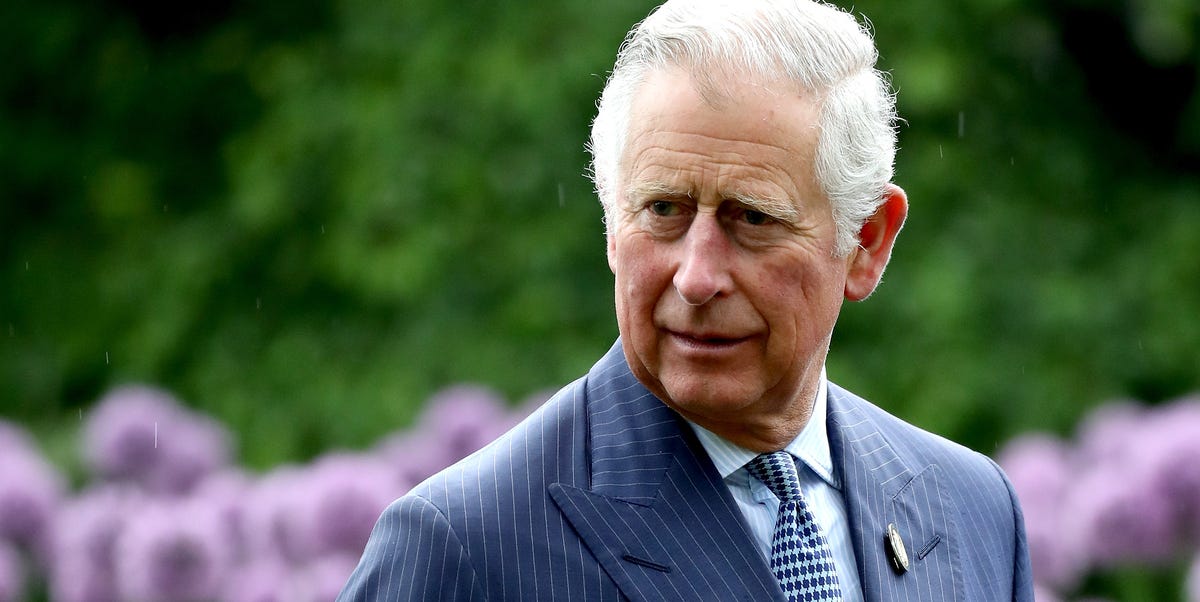
Some people keep childhood memories in photo albums. King Charles III, apparently, keeps his in petals, perfume, compost, and very carefully chosen stripes. The story behind The King’s Rose, a new English shrub rose from David Austin Roses, is not just another royal naming moment. It is a surprisingly earthy tale about first gardens, old roses, environmental values, and a monarch who has spent decades proving that muddy shoes and serious responsibility can absolutely belong in the same life.
Unveiled at the 2025 RHS Chelsea Flower Show, The King’s Rose was created in collaboration with The King’s Foundation and named in honor of His Majesty King Charles III. It is also the first striped rose in the David Austin collection, which gives it a little horticultural drama before it even opens. With fuchsia-and-white semi-double blooms, yellow stamens, a musk fragrance, and a repeat-flowering habit, this rose looks both old-fashioned and fresh, like a vintage teacup that learned how to trend on Instagram.
But the real charm lies in its origin story. The rose was inspired partly by a shared memory between David Austin and the then Prince of Wales: both had grown the striped old rose Ferdinand Pichard as the first rose in their gardens. That detail matters. It connects the new rose not only to royal symbolism, but to the King’s earliest practical experiences with gardeningthe kind where you learn that plants do not care about titles, schedules, or speeches. They care about soil, weather, patience, and whether someone remembered to water them.
The first rose that planted a bigger idea
Before Highgrove became one of the most admired private gardens in Britain, King Charles was developing a relationship with nature through small, personal encounters. His early gardening experiences were not about creating grand landscapes. They were about observation. A plant grows, fails, returns, surprises, and teaches. Anyone who has ever planted a rose and then stared at it for weeks like a nervous parent understands the feeling.
The link to Ferdinand Pichard is especially meaningful. This historic striped rose is known for its bold splashes of color and old-garden character. For both King Charles and David Austin, it represented a first step into rose growing. Years later, when a newly bred David Austin seedling produced semi-double striped blooms, the memory returned. The new variety seemed to carry the spirit of that original rose: traditional, distinctive, and impossible to mistake for anything else.
That is how The King’s Rose became more than a pretty plant. It became a living tribute to the King’s long-standing interest in horticulture, sustainability, heritage crafts, and ecological gardening. In one flower, there is a line running from a first rose to a royal garden, from private curiosity to public inspiration.
What makes The King’s Rose special?
The King’s Rose is an English shrub rose with a painterly look. Its petals are striped in shades of deep pink, fuchsia, and white, with no two blooms appearing exactly alike. That natural variation is part of its appeal. It does not look factory-made. It looks as if nature had a good brush, a loose wrist, and just enough confidence to ignore the ruler.
Key features of The King’s Rose
- Type: English shrub rose
- Color: Bi-color fuchsia and white stripes
- Bloom style: Semi-double, open flowers
- Fragrance: Medium musk with notes of apple and rosewater
- Flowering: Repeat flowering through the season
- Wildlife value: Open blooms attract pollinators, while hips can help feed birds in winter
- Growth habit: Versatile shrub with a naturally elegant form
For gardeners, the semi-double form is especially useful. Many heavily packed roses are beautiful, but bees can struggle to reach their centers. The King’s Rose offers visible stamens, making it more accessible to pollinators. In a modern garden, beauty alone is no longer enough. A plant earns extra applause when it looks good and helps the local ecosystem clock in for work.
Why Chelsea Flower Show was the perfect stage
The RHS Chelsea Flower Show has long been one of the world’s most important gardening events. For King Charles, it has personal and public significance. He has supported gardening, organic growing, meadow creation, heritage plants, and sustainable land use for decades. He also helped design RHS show gardens in earlier years and has been recognized for his deep horticultural knowledge.
Launching The King’s Rose at Chelsea made sense because the show is where serious horticulture meets public imagination. Gardeners go there to spot trends, breeders unveil new plants, designers test ideas, and visitors leave believing they too can create paradise at homeusually before remembering they own one rusty trowel and a basil plant that looks emotionally exhausted.
The King’s Rose fits perfectly into that setting. It is decorative enough to stop visitors in their tracks, but its deeper story gives it staying power. It reflects the King’s belief that gardening is not just decoration. It is education, conservation, culture, health, and a practical way to reconnect people with the natural world.
Highgrove: where early curiosity became a lifelong philosophy
When King Charles arrived at Highgrove in 1980, the estate was far from the layered, inspiring garden visitors know today. It had a neglected kitchen garden, pastureland, an overgrown copse, and old trees. In other words, it was not a finished masterpiece. It was a challenge wearing weeds.
Over time, Highgrove became the physical expression of the King’s environmental philosophy. He wanted an organic garden and farm at a time when such ideas were often treated as eccentric. Today, organic gardening, biodiversity, composting, pollinator planting, and chemical-free growing are mainstream concerns. In that sense, Highgrove was not just a royal garden. It was ahead of the curve, waving politely from the compost heap.
The gardens at Highgrove include formal areas, a kitchen garden, wildflower meadows, scented planting, tree collections, and spaces designed to encourage wildlife. The result is not a single style but a series of garden rooms, each with purpose and personality. That layered approach mirrors the King’s own journey: start with curiosity, learn from experts, experiment, respect tradition, and keep improving.
The role of sustainability in the rose’s meaning
The King’s Rose is tied directly to The King’s Foundation, an organization connected with education, heritage, sustainability, and traditional skills. A portion of sales supports the Foundation’s work, giving the rose a charitable purpose beyond its ornamental value.
This matters because King Charles has often framed gardening as part of a larger cultural question: how should people live with nature instead of against it? The answer, in garden form, involves healthier soil, fewer chemicals, more wildlife, better plant diversity, and respect for the seasons. You cannot rush a rose into greatness. You can only breed, test, observe, and wait. The King’s Rose reportedly took more than a decade to develop, which is a helpful reminder that some of the best things in life still refuse to be optimized by an app.
For American gardeners, this idea travels well. Whether someone is planting roses in a New England cottage garden, a California courtyard, a Midwestern pollinator border, or a Southern front yard, the principle is the same: choose plants that bring beauty while supporting the living systems around them.
How gardeners can use The King’s Rose in a landscape
The King’s Rose works well as a focal shrub, especially where its striped flowers can be seen up close. Its coloring makes it useful in both romantic and modern gardens. Pair it with soft blues, silvers, deep greens, and white flowers to let the stripes shine. Lavender, catmint, salvia, foxglove, allium, and hardy geraniums can create a relaxed cottage-garden effect.
In a more contemporary space, plant it with ornamental grasses, clipped evergreens, or simple repeated perennials. The rose brings movement and personality, while the structure around it prevents the border from looking like it got dressed in the dark.
Simple planting ideas
- For a romantic border: Combine The King’s Rose with lavender, nepeta, white foxgloves, and soft pink peonies.
- For pollinators: Add salvia, echinacea, yarrow, and thyme nearby to extend nectar sources.
- For a formal garden: Use boxwood alternatives, clipped yew, or low hedging to frame the rose.
- For containers: Choose a large pot, rich soil, excellent drainage, and consistent watering.
Like most roses, it prefers sun, good air circulation, and soil that drains well but does not dry into concrete. Regular feeding, mulching, and deadheading will help encourage repeat blooms. The good news is that modern shrub roses are generally bred for better performance, which means gardeners can spend less time panicking and more time admiring.
Why the rose feels personal, not just ceremonial
Many plants are named after famous people, but not all names feel earned. The King’s Rose does because it links directly to King Charles’s documented passion for gardening. He is not a symbolic gardener who appears once a year beside a flower bed for photographs. He has spent decades shaping landscapes, supporting horticultural education, promoting organic methods, and talking about the spiritual and practical value of nature.
The tribute also avoids being overly grand. It is not a towering red rose with the subtlety of a parade trumpet. Instead, it is open, striped, pollinator-friendly, and rooted in an old rose memory. That feels appropriate. The King’s gardening legacy has always combined tradition with reform: old skills, new ecological urgency; historic estates, modern sustainability; beauty, but with a job to do.
The emotional power of a first garden
Part of the reason this story resonates is that every gardener remembers a beginning. It might be a packet of seeds in a paper cup, a tomato plant on a balcony, a grandmother’s rose bush, or a disastrous first attempt at growing basil indoors. First gardens stay with us because they are not just about plants. They are about discovering that care produces change.
King Charles’s early experience with Ferdinand Pichard became a reference point years later. That is how gardening works. A flower planted decades ago can suddenly bloom again in memory. The King’s Rose captures that long echo. It says that what we plant earlyliterally and emotionallycan shape what we value later.
Experiences inspired by The King’s Rose: what everyday gardeners can learn
The story of The King’s Rose offers practical lessons for anyone who wants to garden with more intention. The first lesson is to start small but pay attention. A single rose can teach more than a shopping cart full of plants if you actually observe it. Watch where the sunlight lands. Notice how the leaves respond after rain. Check which insects visit the blooms. See whether the plant looks happier after pruning or seems personally offended by your technique. Gardening is full of feedback, although it is usually delivered silently and sometimes with black spot.
The second lesson is to let memory guide design. The most meaningful gardens are not copied straight from magazines. They borrow from life. A striped rose might remind someone of a childhood garden. Lavender might recall a summer trip. A kitchen garden might honor a parent who cooked from scratch. When plants carry stories, a yard becomes more than landscaping. It becomes autobiography with mulch.
The third lesson is to respect old varieties while staying open to new ones. The King’s Rose was inspired by an old striped rose, yet it is a modern introduction bred for today’s gardeners. That balance is useful. Heritage plants provide character, fragrance, and history. New cultivars can offer improved disease resistance, repeat flowering, and better performance in smaller spaces. A smart garden does not need to choose between past and future. It can invite both to tea and give them a sunny border.
The fourth lesson is to garden for more than human eyes. Open roses, herbs, native flowers, seed heads, berries, and winter hips all make a garden more alive. Bees, birds, butterflies, and beneficial insects are not decorative extras. They are part of the system. When a rose supports pollinators and birds, it becomes more than a bloom machine. It becomes a tiny piece of habitat.
The fifth lesson is patience. Breeding a rose can take 10 to 12 years. Building a garden can take a lifetime. Even a simple border changes from season to season. New gardeners often want instant fullness, instant flowers, and instant success. Plants, being plants, prefer a slower schedule. The King’s Rose reminds us that beauty developed over time often has more depth than beauty rushed into place.
Finally, the story encourages curiosity. Ask why a plant thrives. Ask what the soil needs. Ask how a garden can use less water, fewer chemicals, and more natural resilience. Ask which flowers bring joy, which bring wildlife, and which ones merely looked good on the label at the garden center. Curiosity is the root system of good gardening. The deeper it grows, the stronger everything above it becomes.
Conclusion: a royal rose with roots in real gardening
The King’s Rose is not simply a flower named for a monarch. It is a tribute to the long arc of King Charles III’s gardening life, from early experiences with roses to the mature environmental vision expressed at Highgrove and through The King’s Foundation. Its fuchsia-and-white stripes recall heritage roses, while its open blooms, repeat flowering, and wildlife-friendly qualities speak to modern garden values.
In the end, the story feels powerful because it is personal. A first rose became a shared memory. A shared memory became inspiration. Inspiration became a new plant that gardeners can grow, enjoy, and use to support a larger mission. That is quite a journey for a flower. Then again, roses have always been overachievers.
Note: This article is written for clean web publishing, with no embedded source links or citation markers inside the article body.