Loose skin under the chin has a special talent for appearing in selfies, video calls, and dressing room mirrors at the exact moment you were feeling pretty good. Rude? Absolutely. Permanent? Not always. While surgery can create the most dramatic change for significant sagging, many people want to know how to tighten skin under the chin without surgery firstand that is a very reasonable place to start.
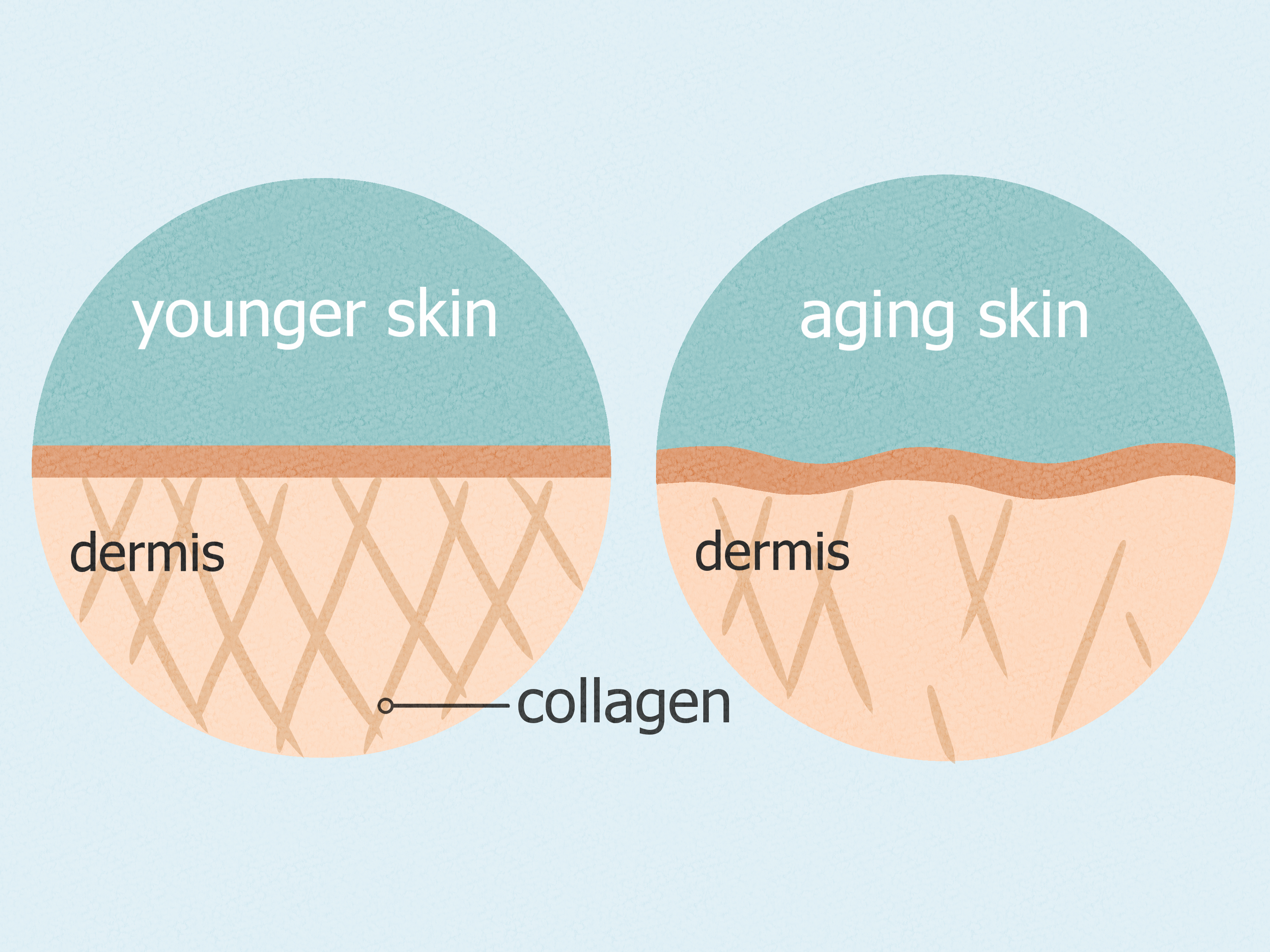
The under-chin area can look soft or saggy for several reasons: collagen loss, sun damage, weight changes, genetics, posture, natural aging, or extra submental fat. Translation: sometimes the issue is skin laxity, sometimes it is fat, and sometimes it is both having a tiny committee meeting under your jawline.
The good news is that nonsurgical options can help improve firmness, texture, and definition. The realistic news is that creams will not perform a neck lift in a jar, and anyone promising that should probably also be selling magic beans. Below are 22 practical, science-informed ways to firm, smooth, and support the skin under your chin without going under the knife.
What Causes Loose Skin Under the Chin?
Skin stays firm thanks largely to collagen, elastin, hydration, and a healthy skin barrier. As collagen production slows with age, the neck and under-chin area often show changes earlier than thicker areas of the face. The neck also gets plenty of sun exposure, frequent movement, andthanks to modern lifehours of “phone chin” posture.
Before choosing a treatment, identify what you are really seeing. Loose, crepey skin responds differently than a pocket of fat under the chin. A soft double chin may improve with fat-reduction treatments, while thin, wrinkled skin may respond better to retinoids, laser resurfacing, radiofrequency, or ultrasound-based collagen stimulation.
22 Ways to Tighten Skin Under Your Chin without Surgery
1. Use Broad-Spectrum Sunscreen Every Day
If your neck has been living like sunscreen is optional, it may be time for a treaty. UV exposure breaks down collagen and elastin, which can make the skin under your chin look thinner and looser over time. Apply a broad-spectrum SPF 30 or higher to your face, neck, under-chin area, and upper chest every morning. Reapply when outdoors, sweating, or swimming.
2. Bring Sunscreen Below the Jawline
Many people protect the face and forget the neck, creating what dermatologists might call a “floating youthful face situation.” When applying skincare, think “face to chest.” Smooth sunscreen under the chin, along the jawline, down the neck, and onto the décolletage. This habit will not create instant tightening, but it helps prevent the collagen loss that makes skin laxity worse.
3. Add a Retinoid Slowly
Retinoids are vitamin A derivatives that support skin cell turnover and can help improve the look of fine lines, rough texture, and early laxity. For the neck, start gently because this area is more sensitive than the cheeks or forehead. Use a pea-sized amount of a low-strength retinol product two or three nights per week, followed by moisturizer. If irritation shows up, reduce frequency instead of starting a bathroom counter war.
4. Use Vitamin C in the Morning
Vitamin C is an antioxidant that supports collagen formation and helps defend skin from environmental stress. A well-formulated vitamin C serum used in the morning under sunscreen may improve brightness and texture over time. It is especially helpful when the under-chin area looks dull, uneven, or sun-damaged. Think of it as sunscreen’s helpful sidekick, not a replacement.
5. Moisturize the Neck Like It Pays Rent
Dry skin can make lines and crepiness look more obvious. A moisturizer with ceramides, glycerin, hyaluronic acid, or niacinamide can make the skin look smoother and more elastic by improving hydration and barrier function. Moisturizer does not rebuild a jawline overnight, but hydrated skin reflects light better and looks healthier.
6. Try Peptides for Texture Support
Peptides are skincare ingredients often used in firming creams and neck treatments. Their results are usually subtle, but they can be useful in a routine built around sunscreen, retinoids, and hydration. Look for fragrance-free formulas if your neck is sensitive. The goal is steady support, not a dramatic “before lunch, after lunch” transformation.
7. Consider Neck-Specific Creams
Some neck creams combine retinol, peptides, antioxidants, and moisturizers in gentler formulas designed for thinner neck skin. They are not mandatory, but they can simplify your routine. A good neck cream may help improve dryness, fine lines, and mild crepiness. It will not remove a true double chin, so match the product to the problem.
8. Exfoliate Carefully
Gentle chemical exfoliation can improve roughness and uneven tone, but the neck is not the place to unleash every acid in your cabinet like a skincare action movie. A mild lactic acid or polyhydroxy acid product once weekly may help if tolerated. Avoid harsh scrubs, aggressive peels at home, and layering exfoliants with retinoids on the same night unless a dermatologist advises it.
9. Practice Better Phone Posture
Constantly looking down can fold the neck and under-chin skin repeatedly. While posture alone will not reverse aging, improving screen height may reduce the appearance of horizontal neck lines and tension in the jaw area. Hold your phone closer to eye level, adjust your laptop height, and give your neck regular breaks. Your spine will also send a thank-you note.
10. Do Chin and Neck ExercisesWith Realistic Expectations
Facial exercises may modestly improve the appearance of some facial areas when done consistently, but evidence is limited and results vary. Gentle movements that engage the neck and jaw muscles may help posture and muscle tone. Avoid extreme pulling, exaggerated expressions, or anything that creates strain. If your “exercise” looks like you are trying to scare a goose, dial it back.
11. Try Facial Massage for Temporary Smoothness
Massage can help reduce temporary puffiness by encouraging fluid movement. Use light pressure, a moisturizer or facial oil, and upward strokes from the center under the chin toward the ears. This will not permanently tighten skin, but it can make the area look fresher before photos or events. Be gentle; your neck is not pizza dough.
12. Maintain a Stable, Healthy Weight
Weight changes can affect the under-chin area. Gradual, sustainable habits are better for skin than repeated rapid weight loss and regain. If excess fat contributes to fullness under the chin, overall healthy weight management may help. However, genetics can keep submental fat stubborn even when someone is fit, which is where targeted nonsurgical treatments may enter the conversation.
13. Eat Enough Protein
Skin needs building blocks, and protein supplies amino acids used throughout the body. A balanced diet with lean meats, fish, eggs, dairy, legumes, tofu, nuts, and seeds can support overall skin health. No food will tighten the chin like a filter with suspicious confidence, but good nutrition gives your skin the tools it needs to repair and maintain itself.
14. Prioritize Vitamin C-Rich Foods
Vitamin C plays a role in collagen synthesis. Add foods such as oranges, strawberries, kiwi, bell peppers, broccoli, and leafy greens. Whole foods also provide fiber, antioxidants, and other nutrients that support general health. Supplements may be useful for some people, but they should not replace a varied diet unless a clinician recommends them.
15. Get Consistent Sleep
Poor sleep can affect skin recovery, hydration, inflammation, and facial puffiness. Aim for a consistent sleep routine and avoid sleeping with your neck sharply bent forward. A supportive pillow that keeps your neck neutral may help reduce morning creases. Beauty sleep is not just a phrase; it is the skin doing maintenance while you are offline.
16. Avoid Smoking and Limit Alcohol
Smoking is strongly associated with premature skin aging because it contributes to collagen breakdown and poor circulation. Alcohol can worsen dehydration and puffiness for some people. If firmer-looking skin is the goal, these habits matter. Your neck cream can only do so much if your lifestyle is throwing confetti into the collagen machinery.
17. Ask About Radiofrequency Skin Tightening
Radiofrequency treatments use controlled heat to stimulate collagen remodeling. Noninvasive RF may help mild to moderate laxity under the chin and along the jawline with little downtime. Results are gradual and usually require a series of treatments. Choose a trained medical provider, because energy-based devices are technique-sensitive and not all “skin tightening” offers are created equal.
18. Consider RF Microneedling Carefully
RF microneedling combines tiny needles with radiofrequency energy to stimulate collagen at deeper levels. It can help texture, fine lines, acne scars, and mild laxity, but it is a medical procedure and carries risks such as burns, scarring, pigment changes, or fat loss when used improperly. For the neck and under-chin area, provider skill matters enormously. This is not a “coupon first, questions later” treatment.
19. Explore Microfocused Ultrasound
Microfocused ultrasound treatments target deeper layers beneath the skin to encourage collagen production and subtle lifting. They are often used for the brow, jawline, neck, and under-chin area. Results usually appear gradually over two to six months. This option is best for people with mild to moderate laxity who want a natural-looking improvement without incisions.
20. Look Into Laser Resurfacing for Crepey Texture
Laser resurfacing can improve fine lines, sun damage, roughness, and uneven tone. Fractional lasers create controlled micro-injuries that encourage collagen remodeling as the skin heals. However, lasers are better for texture and wrinkles than heavy sagging. Recovery time varies depending on the laser type and intensity. People with darker skin tones should choose providers experienced in treating skin of color to reduce pigmentation risks.
21. Ask Whether Chemical Peels Are Appropriate
Light or medium chemical peels may improve discoloration, fine lines, and rough texture on the neck when performed carefully. Deep peels are more intense and come with more risk and downtime. Because neck skin heals differently than facial skin, professional guidance is important. At-home “strong peels” are a fast way to turn a small concern into a dramatic regret.
22. Treat Submental Fat If Fat Is the Main Issue
If the under-chin area looks full because of fat rather than loose skin, tightening treatments alone may disappoint you. Options such as deoxycholic acid injections or cryolipolysis can reduce submental fat without surgery for suitable adults. These treatments do not replace skin tightening, and they are not weight-loss procedures. A qualified clinician can tell whether your concern is fat, laxity, posture, or a combination.
How to Choose the Best Option for Your Chin and Neck
The smartest approach begins with diagnosis. If you have mild crepiness, start with sunscreen, retinoids, moisturizer, and patience. If you have moderate looseness, consider energy-based treatments such as RF or ultrasound. If you have fullness under the chin, ask about fat-reduction options. If you have significant hanging skin, nonsurgical methods may create only modest improvement.
Also consider your timeline. Skincare usually needs months. Collagen-stimulating treatments often take two to six months. Fat-reduction treatments may require multiple sessions. Nonsurgical results are typically subtle, build gradually, and need maintenance. That may sound less glamorous than “instant snatched jawline,” but it is much closer to real life.
Safety Tips Before Trying Nonsurgical Skin Tightening
Before booking a treatment, look for a board-certified dermatologist, plastic surgeon, facial plastic surgeon, or properly trained licensed provider working under medical supervision. Ask what device will be used, how many times the provider has treated the neck, what side effects are common, and what complications are possible. A trustworthy provider will not act offended by safety questions.
Be cautious with bargain treatments, aggressive at-home devices, and social media trends promising dramatic tightening. The neck contains delicate structures, and more heat or more needles does not automatically mean better results. In cosmetic dermatology, “just enough” often beats “turn it up and hope.”
Experience Notes: What People Usually Learn While Trying to Tighten Skin Under the Chin
One of the most common experiences people have with under-chin tightening is realizing that the mirror was not showing one single problem. At first, many assume all softness under the chin is “loose skin.” Then, after a consultation, they learn that the area may include mild skin laxity, a pocket of submental fat, neck muscle position, jaw shape, posture, and skin texture. That discovery can be oddly comforting. It means the issue is not a personal failure; it is anatomy being anatomy, which is what anatomy does when left unsupervised.
Another real-life lesson is that small daily habits are boring but powerful. Sunscreen does not feel exciting. Moisturizer does not make a dramatic entrance. Retinol does not arrive with theme music. But after three to six months of consistent care, many people notice the neck looks smoother, less dry, and less crinkled. The improvement may be subtle, but subtle is still progress. In skincare, consistency is the quiet employee who does most of the work while flashy products take all the credit.
People also learn that the neck is sensitive. A retinol that works beautifully on the forehead may make the neck sting, peel, or complain loudly. The best experience usually comes from starting slowly: two nights per week, a small amount, moisturizer on top, sunscreen every morning. When someone tries to rush the process, the neck often responds with redness and irritation. The lesson is simple: treat your neck like a silk blouse, not a kitchen countertop.
For in-office treatments, the biggest surprise is usually the waiting period. Radiofrequency, ultrasound, microneedling, and lasers work by encouraging collagen remodeling, and collagen is not famous for being punctual. Many people expect to see their final result after a week, then feel disappointed. But the more realistic window is often months, not days. This is why good providers take baseline photos. The mirror can be emotionally unreliable; photos under similar lighting are better witnesses.
Another experience worth mentioning is that “nonsurgical” does not mean “risk-free.” A treatment can involve no scalpel and still require serious skill. RF microneedling, laser resurfacing, injectable fat reduction, and cryolipolysis all need proper patient selection and careful technique. People who have the best experiences usually choose credentials over discounts, ask questions, and avoid treatments that sound too aggressive for their concern.
Finally, many people discover that improvement feels better when the goal is refreshed, not flawless. The under-chin area moves when you talk, laugh, chew, look down, and live your life. Some texture and softness are normal. The best nonsurgical plan helps the area look healthier and firmer without turning self-care into a full-time job. A more defined chin can be nice, but so is enjoying your day without inspecting your jawline in every reflective surface like a detective in a skincare mystery.
Conclusion
There are many ways to tighten skin under your chin without surgery, but the best plan depends on what is causing the concern. For early crepiness, daily sunscreen, retinoids, moisturizer, antioxidants, and healthy habits can make a meaningful difference over time. For mild to moderate laxity, professional treatments such as radiofrequency, ultrasound, laser resurfacing, RF microneedling, or chemical peels may help stimulate collagen and improve texture. For fullness caused by fat, submental fat-reduction treatments may be more appropriate than skin creams.
The most important rule is to keep expectations realistic. Nonsurgical treatments can refresh, firm, smooth, and subtly define the under-chin area, but they cannot always replace a surgical neck lift. Start with skin health, choose qualified providers, and give collagen time to do its slow little construction project.