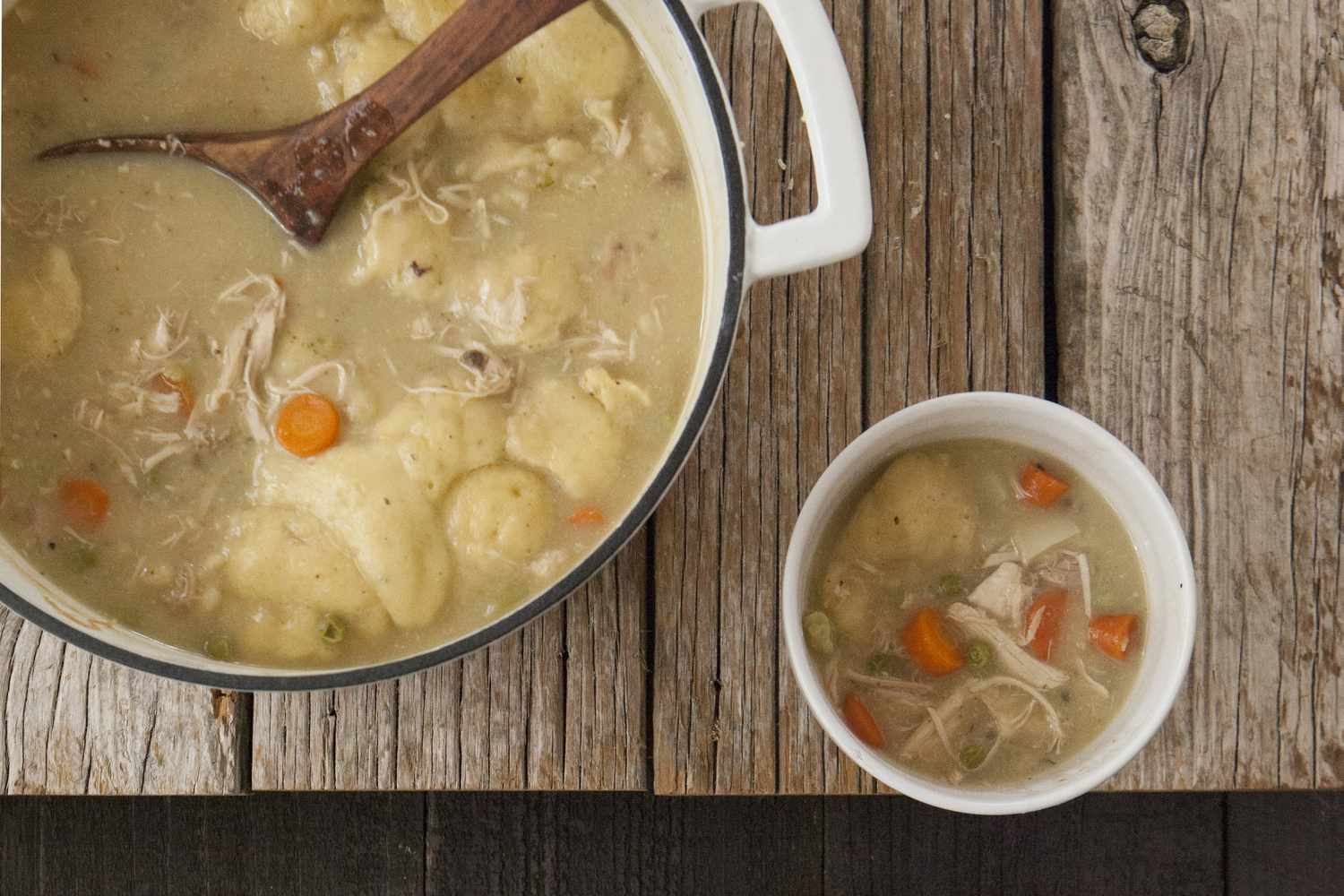
There are two kinds of people in this world: people who love fluffy drop dumplings, and people who want the old-school rolled dumplings that slide into rich chicken broth like cozy little ribbons of joy. This article is for the second group. If you grew up with a bowl of chicken and dumplings where the dumplings were flat, tender, and just a tiny bit chewy in the best possible way, you already know the magic. Rolled dumplings are not trying to be biscuits in a soup costume. They are their own thing, and frankly, they deserve respect.
This rolled dumplings for chicken and dumplings recipe brings together everything home cooks love about the classic dish: a savory broth, tender shredded chicken, soft vegetables, and strips of dumpling dough that soak up flavor without turning into mush. It is hearty, nostalgic, and deeply comforting. It also makes your kitchen smell like somebody’s grandma just walked in and said, “Scoot over, I’ll fix supper.”
If you have ever wondered how to make old-fashioned chicken and dumplings with flat dumplings instead of fluffy spoonfuls, you are in the right place. Below, you will find a step-by-step guide, practical tips, common mistakes to avoid, and a full recipe that actually explains what is happening in the pot instead of leaving you to negotiate with flour and vibes.
Why Rolled Dumplings Are Different From Drop Dumplings
Rolled dumplings are the classic Southern-style answer to chicken and dumplings. Instead of spooning a wet dough onto simmering stew, you make a firmer dumpling dough, roll it out, and cut it into strips or squares. The result is a dumpling that cooks more like a soft pasta sheet than a biscuit. It still feels rustic and homey, but the texture is flatter, silkier, and more substantial.
That difference matters. Drop dumplings tend to puff up and steam on top of the broth. Rolled dumplings sink into the liquid, thicken the pot a little, and absorb flavor as they cook. They create a bowl that feels less like soup with bread on top and more like a true one-pot comfort food dinner.
In other words, rolled dumplings are for people who want every spoonful to taste like chicken, broth, and dumpling all at once. No floaters. No drama. Just comfort.
Ingredients for the Best Rolled Dumplings for Chicken and Dumplings
For the chicken and broth
- 1 whole chicken, about 3 1/2 to 4 pounds, or 4 to 5 cups cooked shredded chicken
- 8 cups chicken broth, preferably low-sodium
- 2 tablespoons unsalted butter
- 1 medium yellow onion, diced
- 3 medium carrots, diced
- 3 celery stalks, diced
- 2 garlic cloves, minced
- 1 teaspoon kosher salt, plus more to taste
- 1/2 teaspoon black pepper
- 1/2 teaspoon dried thyme
- 1 bay leaf
- 1/4 cup heavy cream, optional, for a richer finish
- 2 tablespoons chopped parsley, optional
For the rolled dumplings
- 2 cups all-purpose flour, plus more for rolling
- 2 teaspoons baking powder
- 1 teaspoon kosher salt
- 1/3 cup shortening or cold unsalted butter
- 3/4 cup buttermilk
This dough is intentionally simple. The flour gives structure, the baking powder adds a bit of lift, and the fat keeps the dumplings tender. Buttermilk adds flavor and softness, though whole milk works in a pinch. The goal is a firm dough that can be rolled thin without turning into sticky wallpaper paste.
Kitchen Tools That Make Life Easier
- Large Dutch oven or heavy soup pot
- Mixing bowl
- Rolling pin
- Sharp knife or pizza cutter
- Slotted spoon
- Measuring cups and spoons
Could you make this recipe without a rolling pin? Yes, with a clean bottle and enough determination. But if you own a rolling pin, tonight is its night to shine.
How to Make Rolled Dumplings for Chicken and Dumplings
Step 1: Build the broth
If using a whole chicken, place it in a large pot with the broth, half the onion, one carrot, one celery stalk, thyme, bay leaf, salt, and pepper. Bring everything to a gentle boil, then reduce to a simmer. Cover and cook for 45 to 60 minutes, or until the chicken is tender and fully cooked.
Remove the chicken and let it cool enough to handle. Strain the broth if you want a smoother texture, then return the broth to the pot. Shred the chicken and discard the skin and bones. If you are using cooked chicken instead, simply warm the broth with the aromatics for about 20 minutes to build flavor.
Step 2: Sauté the vegetables
In the same pot, melt the butter over medium heat. Add the remaining onion, carrots, and celery. Cook for 6 to 8 minutes, until softened. Stir in the garlic and cook for 30 seconds more. Pour the broth back in and bring it to a gentle simmer.
This step gives the dish more depth and turns the broth from “pretty good” into “where has this been all my life?” If you like a creamier chicken and dumplings recipe, stir in the heavy cream now or wait until the end.
Step 3: Make the rolled dumpling dough
In a medium bowl, whisk together the flour, baking powder, and salt. Cut in the shortening or butter until the mixture looks like coarse crumbs. Pour in the buttermilk and stir just until a shaggy dough forms.
Turn the dough onto a lightly floured surface and knead it a few times, just until it comes together. Do not knead it like bread dough. You are making dumplings, not launching a fitness challenge for gluten.
Step 4: Roll and cut the dumplings
Roll the dough out to about 1/8 inch thick. Some cooks like it even thinner for a more delicate flat dumpling. Cut the dough into 1-by-2-inch strips, squares, or rustic diamond shapes. Dust them lightly with flour so they do not stick together while you work.
If you prefer a more old-fashioned look, uneven shapes are perfectly fine. This is chicken and dumplings, not geometry class.
Step 5: Cook the dumplings
Bring the broth to a gentle boil. Drop in the dumplings a few at a time, stirring very lightly or gently shaking the pot so they do not clump. Once all the dumplings are in, reduce the heat to a low simmer.
Cover the pot and cook for 12 to 15 minutes, until the dumplings are tender. Add the shredded chicken back to the pot and simmer for another 3 to 5 minutes. Taste and adjust the seasoning. Stir in cream or parsley if using.
Serve hot, preferably in a bowl large enough to make people feel loved.
What Rolled Dumplings Should Feel Like
The perfect rolled dumplings for chicken and dumplings are tender but not mushy. They should bend easily with a spoon, hold their shape in the broth, and taste rich from the chicken stock they absorbed while cooking. They are not supposed to be rubbery, raw in the center, or dissolve into soup confetti.
If your dumplings feel heavy, the dough was probably rolled too thick or worked too much. If they fell apart, the broth may have been boiling too hard, or the dough may have been too wet. Good dumplings are the culinary version of a warm sweater: soft, dependable, and never trying too hard.
Best Tips for Success
Use a firm dough
Rolled dumplings need structure. If the dough is too soft, it will stick to the counter, the rolling pin, your fingers, your soul, and eventually the pot. Add flour a tablespoon at a time if needed.
Roll thin for the best texture
Thicker dumplings are not always better. For classic flat dumplings, a thinner sheet cooks more evenly and creates that beloved silky bite.
Keep the broth hot, but not wild
A vigorous boil can tear up the dough. A controlled simmer or gentle boil is your friend. Think “lazy bubbling,” not “volcano audition.”
Do not overcrowd the pot all at once
Add dumplings gradually so they have a better chance of staying separate. A light dusting of flour also helps.
Taste before serving
Chicken and dumplings often need a final hit of salt and pepper at the end. Broth strength varies, and dumplings drink up seasoning as they cook.
Common Mistakes to Avoid
- Overmixing the dough: This can make dumplings tough.
- Rolling too thick: The centers may stay dense and doughy.
- Boiling too aggressively: Dumplings can break apart.
- Skipping seasoning: Flour needs help. Salt is not optional here.
- Adding too much flour after the fact: Light dusting is good; coating every piece like it is preparing for a snowstorm is not.
Easy Variations
Creamier chicken and dumplings
Add a splash of heavy cream or a spoonful of cream of chicken soup for a richer, thicker bowl.
Buttermilk rolled dumplings
Use full buttermilk in the dough for extra flavor and tenderness. This is especially nice if you love a Southern-style chicken and dumplings recipe.
Herb dumplings
Add chopped parsley, thyme, or chives to the dough. It gives the dumplings a little extra color and a homemade-from-scratch feeling.
Shortcut version
Use rotisserie chicken and boxed broth on a busy night. The dish will still be comforting, and nobody at the table is going to file a complaint.
What to Serve With Chicken and Dumplings
This dish is rich and filling, so side dishes should stay simple. A crisp green salad, green beans, sautéed collards, or roasted broccoli work well. If you want a full Southern comfort spread, serve it with a little hot sauce and sweet tea. If you want to take a nap immediately afterward, that is between you and your schedule.
How to Store and Reheat It
Store leftovers in an airtight container in the refrigerator for up to 3 days. The dumplings will continue to absorb broth, so the mixture may thicken overnight. Add a splash of broth or water when reheating on the stove over low heat.
You can freeze the broth and chicken separately, but fully cooked dumplings tend to soften after freezing. For best results, make the broth ahead and roll fresh dumplings when you are ready to serve.
Why This Recipe Works
This recipe works because it balances three things: broth flavor, dough texture, and cooking method. The broth gets its depth from chicken, vegetables, and aromatics. The dumpling dough is sturdy enough to be rolled and cut but still tender when cooked. And the final simmer gives the dumplings time to absorb flavor without turning gummy.
That combination is the secret to a truly satisfying rolled dumplings for chicken and dumplings recipe. It is not flashy, and it does not need to be. This is comfort food. It wins by being warm, dependable, and outrageously good with a spoon.
Extra Experience and Real-Kitchen Lessons About Rolled Dumplings
Here is something every chicken and dumplings fan learns sooner or later: the first pot teaches you the rules, and the second pot teaches you confidence. Rolled dumplings are simple, but they reward attention. Home cooks often discover that the dough tells you what it needs before the recipe card does. On dry days, it may need a splash more buttermilk. On humid days, a little extra flour on the board can save the entire operation from becoming a sticky mess.
One of the biggest real-life lessons is that dumpling thickness changes everything. Many people start by rolling the dough too thick because it feels safer. The logic seems sound: thicker dumplings must be heartier, right? Not exactly. Thick dumplings can turn dense in the middle and steal the spotlight from the broth. Once cooks start rolling the dough thinner, they usually get that classic old-fashioned texture they were chasing all along. Thin dumplings cook faster, absorb flavor better, and feel more elegant in the bowl without losing their comfort-food charm.
Another common experience is learning how much the broth matters. Beginners often focus on the dough and treat the liquid like a supporting actor. But in chicken and dumplings, the broth is the whole stage. If the broth is bland, the dumplings will politely reflect that blandness back to you. A well-seasoned broth with onion, celery, carrots, pepper, and a little thyme turns even a modest pot into something memorable. This is why so many seasoned cooks taste the broth before the dumplings go in, not after. Once the dumplings are cooking, you are basically committed to your life choices.
There is also the emotional side of the dish, and yes, that matters. Rolled dumplings are one of those recipes that seem to slow people down. Nobody gulps this meal while standing over the sink. It tends to gather people at the table, draw out stories, and trigger somebody to say, “This tastes like my childhood,” even if their childhood technically involved frozen waffles and microwave pizza most weekdays. The texture, the steam, and the smell of chicken broth have a way of making dinner feel more personal.
Experienced cooks also learn that rolled dumplings are wonderfully forgiving once you stop trying to make them look perfect. Crooked strips still taste good. Uneven squares still soak up broth. A torn edge is not a crisis. In fact, the rustic look is part of the appeal. This is not a glossy restaurant pasta dish with tweezers involved. It is a weeknight or Sunday supper classic that gets better when it looks like a human being made it.
Finally, people who make this recipe again and again usually settle into their own house style. Some like a thicker, gravy-like pot. Others want a looser, soupier broth. Some add cream, some never would. Some swear by buttermilk, while others defend plain milk like it is a family tradition protected by law. That is the beauty of rolled dumplings for chicken and dumplings: once you master the method, the recipe becomes yours. And that may be the best experience of all: not just making dinner, but making a version that tastes like home.
Conclusion
If you want the kind of chicken and dumplings recipe that tastes old-fashioned, comforting, and deeply homemade, rolled dumplings are the move. They are tender, flavorful, and wonderfully satisfying in a way fluffy drop dumplings simply cannot imitate. The method is straightforward, the ingredients are familiar, and the result is exactly what comfort food should be: warm, filling, and worth going back for seconds.
So the next time the weather turns chilly, or you just need a dinner that feels like a small act of kindness, make a pot of rolled dumplings for chicken and dumplings. Your kitchen will smell amazing, your bowls will empty fast, and somebody will almost certainly ask for the recipe before dessert.