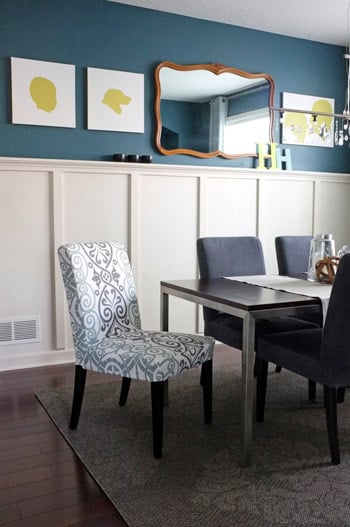
A dining room with board and batten and dark blue walls is the design equivalent of putting on a tailored navy blazer before dinner. It feels polished, confident, and just dramatic enough to make frozen pizza look like it deserves a linen napkin. This pairing works because it combines two powerful design ideas: architectural texture and saturated color. Board and batten gives flat drywall instant character, while dark blue walls add depth, mood, and a sense of grown-up style without making the room feel stiff.
The beauty of this look is that it can lean classic, coastal, modern farmhouse, transitional, or quietly luxurious depending on how you style it. Add brass lighting and warm wood, and the room feels elegant. Mix in woven shades and a rustic table, and suddenly it has relaxed weekend charm. Pair it with crisp white trim and simple black accents, and you get a sharper, more modern dining room that looks ready for a magazine photo shootor at least ready for Tuesday tacos.
This guide explores how to design a dining room with board and batten and dark blue walls, from choosing the right shade of blue to planning wall paneling, lighting, furniture, decor, and practical finishing details. The goal is not just to make a pretty room. The goal is to create a dining space that feels intentional, comfortable, durable, and worthy of actual meals, not just decorative bowls full of mystery orbs.
Why Board And Batten Works So Well In A Dining Room
Board and batten is one of those design features that quietly does a lot of heavy lifting. It adds dimension, breaks up large wall surfaces, and gives a room a sense of structure. In a dining room, where furniture is often centered and the walls can feel empty, board and batten creates a built-in frame around the space.
Traditional board and batten uses vertical strips, or battens, applied over wider boards or directly over a smooth wall. Modern versions may include square grid paneling, picture-frame molding, tall vertical battens, or wainscoting-style treatments that cover the lower third or two-thirds of the wall. Each option changes the mood. Vertical battens make ceilings feel taller. A square grid feels more modern and graphic. Lower wainscoting feels classic and formal, especially when topped with a chair rail.
In dining rooms, board and batten also has a practical side. Chairs get pushed back. Guests stand up too quickly. Children conduct experiments involving spaghetti sauce and gravity. A paneled wall treatment can help visually disguise minor scuffs and gives the lower wall a tougher, more finished appearance when properly caulked, primed, and painted.
Why Dark Blue Walls Feel Rich Instead Of Risky
Dark blue is one of the safest bold colors you can choose for a dining room. That may sound contradictory, but it is true. Navy, indigo, slate blue, and deep blue-green shades bring drama without the visual chaos of louder colors. Blue is also flexible. It pairs beautifully with white, cream, camel leather, walnut, oak, brass, black, marble, rattan, and even soft blush or muted green.
Dining rooms are especially friendly to darker colors because they are often used in the evening, when lower light and moodier tones feel natural. A deep blue wall can make candlelight glow, metallic finishes sparkle, and artwork pop. Instead of feeling gloomy, the room can feel intimate, layered, and quietly impressive.
The key is balance. If every surface is dark, heavy, and matte, the room may start to feel like a very stylish submarine. To keep the design fresh, mix dark blue walls with lighter ceilings, reflective accents, warm woods, layered lighting, and fabrics that add softness.
Choosing The Right Dark Blue Paint Color
The phrase “dark blue walls” covers a lot of territory. Some blues lean cool and crisp. Others lean green, gray, or almost black. Before committing, test samples on multiple walls and observe them in morning light, afternoon light, and artificial evening light. Paint color is sneaky. It can look like a handsome navy at noon and a mysterious cave creature by dinner.
Navy Blue
Navy is classic, clean, and versatile. It works especially well with white board and batten, brass chandeliers, natural wood tables, and traditional dining chairs. If you want a timeless dining room that feels elegant but not trendy, navy is a strong choice.
Blue-Gray
A dark blue-gray is softer and more muted than true navy. It is a good option if your dining room gets strong natural light or if the rest of your home uses a calm neutral palette. Blue-gray also pairs beautifully with greige, warm white, linen, and weathered wood.
Ink Blue Or Near-Black Blue
Ink blue creates a high-impact, dramatic look. It is best in rooms with good lighting, tall ceilings, or plenty of contrast from trim, art, and furniture. This color choice feels modern and sophisticated, but it needs intentional styling so the room does not feel flat.
Blue-Green Or Deep Teal
Deep teal adds warmth and personality. It can look especially beautiful with antique brass, terracotta, cream upholstery, and walnut furniture. If navy feels too formal, a blue-green shade may provide the richer, more collected feeling you want.
Should The Board And Batten Be White Or Dark Blue?
One of the biggest decisions is whether to paint the board and batten white, dark blue, or a separate coordinating color. Each approach creates a different result.
White Board And Batten With Dark Blue Upper Walls
This is the most classic combination. The white lower wall keeps the room bright, while the dark blue upper wall adds drama. It is ideal for smaller dining rooms, homes with traditional trim, or anyone who wants contrast without overwhelming the space. Crisp white board and batten also makes dark blue feel cleaner and more tailored.
Dark Blue Board And Batten With Dark Blue Walls
Painting the board and batten and the wall the same dark blue creates a color-drenched effect. This look feels modern, moody, and expensive when done well. The battens cast subtle shadows, so the wall still has dimension even without color contrast. Use this option when you want a bold, enveloping room that feels designed from top to bottom.
Two-Tone Blue Board And Batten
For a softer approach, try a slightly lighter or darker blue on the board and batten than on the upper wall. The contrast will be subtle, but it can add depth. This works especially well with blue-gray palettes and transitional dining rooms.
Planning The Height Of Board And Batten
Height matters. In many dining rooms, board and batten installed around one-third of the wall height feels traditional and balanced. A taller treatment, closer to two-thirds of the wall, can look more dramatic and formal. Full-wall board and batten creates a stronger architectural statement and works beautifully behind a buffet, sideboard, or large dining table.
If your ceiling is low, vertical battens can help draw the eye upward. If your dining room is narrow, a lower wainscoting height may prevent the walls from feeling too busy. When in doubt, use painter’s tape to mock up the lines before cutting anything. Painter’s tape is cheaper than lumber, less emotional than redoing math, and much easier to forgive.
Design Details That Make The Room Look Custom
The difference between “nice DIY project” and “wait, did a designer do this?” often comes down to details. Measure carefully so battens are evenly spaced. Align trim with existing baseboards, window casings, and door frames when possible. Fill nail holes, sand rough edges, and caulk every seam where wood meets wall. These steps are not glamorous, but they are the quiet heroes of a polished board and batten dining room.
Paint finish also matters. A satin or semi-gloss finish on trim and battens is easier to wipe clean, while an eggshell finish on upper walls gives a softer appearance. If you paint everything the same dark blue, consider using the same color in different sheens: eggshell on walls and satin on battens. This creates subtle contrast without introducing another color.
Lighting A Dark Blue Dining Room
Lighting can make or break a dark blue dining room. A single weak bulb overhead will not do your beautiful walls any favors. Layered lighting is the better approach. Start with a statement chandelier or pendant centered over the dining table. Then add wall sconces, buffet lamps, picture lights, or candles to create warmth at different heights.
Warm bulbs usually flatter dark blue better than harsh cool bulbs. Look for lighting that makes the room feel inviting, not like a dentist’s office with excellent millwork. Brass, aged bronze, matte black, polished nickel, and even woven natural fixtures can all work depending on the style of the room.
Furniture That Complements Dark Blue Walls
Dark blue walls create a strong backdrop, so furniture should bring balance. A medium or light wood dining table keeps the room grounded and prevents the palette from becoming too heavy. Oak, ash, walnut, and reclaimed wood all work well. If you prefer a painted table, black can look sharp, while white or cream keeps the space lighter.
Dining chairs are another opportunity to soften the room. Upholstered chairs in beige, oatmeal, camel, ivory, or soft gray can brighten the design. Leather chairs add warmth and durability. Black spindle chairs create a modern farmhouse feel. Cane-back or woven chairs introduce texture and make the room feel less formal.
Scale is important. Oversized dining furniture can make even a beautiful room feel cramped. Leave enough space for guests to pull out chairs comfortably and move around the table. A dining room should invite people to sit down, not perform a sideways shuffle worthy of a game show challenge.
Decor Ideas For Board And Batten And Dark Blue Walls
Decorating a room with strong walls is mostly about restraint. You do not need to cover every inch. The board and batten already provides pattern, shadow, and rhythm. A few thoughtful pieces will often look better than a wall packed with small decorations.
Artwork
Art looks fantastic against dark blue. Try landscapes, vintage sketches, abstract prints, black-and-white photography, or warm-toned paintings. Gold, wood, black, or antique brass frames all stand out beautifully.
Mirrors
A mirror can help bounce light around the room, especially if placed across from a window or near a chandelier. Choose a round mirror to soften the straight lines of board and batten, or a tall rectangular mirror for a more architectural look.
Curtains And Window Treatments
Curtains can soften dark blue walls and improve the room’s proportions. Linen, cotton, or velvet panels in cream, warm white, beige, or muted pattern work well. Hang curtain rods high and wide to make windows look larger.
Rugs
A rug under the dining table can add comfort and connect the color palette. Look for patterns that include blue, ivory, tan, rust, or muted gold. Choose a rug large enough that chairs remain on the rug when pulled out.
Common Mistakes To Avoid
The first mistake is choosing a dark blue paint without testing it. A color that looks perfect online may look too purple, too green, or too black in your room. Always sample first.
The second mistake is ignoring lighting. Dark blue needs support from layered light sources. Without them, the room may feel flat.
The third mistake is making the board and batten layout too busy. Very narrow spacing or overly complex grids can compete with furniture, art, and windows. Simpler layouts often age better.
The fourth mistake is skipping prep work. Uncaulked seams, visible nail holes, uneven cuts, and rough paint lines are especially noticeable on dark walls. Dark paint is glamorous, but it is also honest. It will tell on you.
Best Style Pairings For This Look
A dining room with board and batten and dark blue walls can work with several design styles. In a modern farmhouse space, pair it with a rustic wood table, black chairs, simple white curtains, and a lantern-style chandelier. In a traditional room, use a polished wood table, upholstered chairs, classic artwork, and brass lighting. For a coastal-inspired dining room, add woven shades, pale oak furniture, white board and batten, and blue-and-white ceramics.
For a more contemporary look, paint the board and batten the same deep blue as the walls, then add a sculptural chandelier, streamlined chairs, and large-scale abstract art. The result feels bold without being cluttered.
Personal Experience: What It Is Really Like To Live With Dark Blue Board And Batten
Living with a dining room that has board and batten and dark blue walls is a little like living with a very well-dressed friend. The room instantly looks more put together than the rest of the house, even when the table has homework, mail, and one lonely spoon sitting on it for reasons nobody can explain.
The first thing you notice is how much the wall treatment changes the feeling of the room. Before board and batten, a dining room can feel like a box with a table in it. Afterward, it feels like a room with purpose. The walls have rhythm. The corners look finished. Even simple furniture looks more intentional because the background is doing some design work.
Dark blue adds another layer of personality. During the day, it can look crisp and refined, especially when sunlight hits the wall and reveals the texture of the battens. In the evening, it becomes moodier and warmer. Dinner feels calmer. Candles look better. Brass or gold accents glow against the blue. Even a basic weeknight meal somehow feels slightly upgraded, as if the room is politely encouraging everyone to use real plates.
There are practical lessons, too. Dark blue paint shows dust and roller marks more than lighter paint, so prep matters. Sanding between coats, using a quality roller, and keeping a wet edge while painting can make a big difference. If the board and batten is painted white, scuffs from chairs may appear faster, so washable paint is worth it. If everything is painted dark blue, scratches may be less obvious, but dust on horizontal trim ledges can show up like tiny stage props.
Another experience worth mentioning is that the room may influence how you decorate the rest of the house. Once one space has architectural trim and a bold color, plain nearby rooms can suddenly look a little underdressed. That does not mean every room needs paneling and dramatic paint. It simply means the dining room can become the style anchor, setting a richer tone for nearby spaces.
Guests tend to notice the room quickly. Board and batten looks custom, even when it is a manageable DIY project. Dark blue feels confident, but not strange. People may not know the exact design terms, but they will often say the room feels cozy, elegant, or “fancy.” That is the magic combination: impressive enough for company, comfortable enough for everyday life.
The best part is that this design does not require constant restyling. Once the walls are finished, seasonal changes become easy. In spring, add fresh greenery and light linens. In fall, bring in rust, copper, and darker wood tones. During the holidays, dark blue looks beautiful with greenery, candles, metallic ornaments, and white dishes. It is a flexible backdrop that works harder than most paint colors.
If there is one piece of honest advice, it is this: do not rush the planning stage. Tape out the board and batten. Test the paint. Check how the color looks beside your flooring, table, and trim. Think about lighting before you paint. A dark blue board and batten dining room can look stunning, but it rewards patience. Measure twice, paint carefully, and keep snacks nearby. Home improvement is always more civilized with snacks.
Conclusion
A dining room with board and batten and dark blue walls is a timeless way to add charm, depth, and personality to one of the most social spaces in the home. The board and batten brings architectural detail, while the dark blue paint creates richness and atmosphere. Together, they make the dining room feel more finished, more memorable, and more inviting.
Whether you choose white lower paneling with navy upper walls, full-height blue board and batten, or a softer blue-gray variation, the design can be adapted to your home’s style. Focus on good paint samples, clean installation, balanced lighting, warm textures, and furniture that fits the space. Done well, this look can turn an ordinary dining room into a room that feels custom, cozy, and ready for everything from holiday dinners to takeout nights with excellent lighting.