Stomatitis sounds like something your dentist might say while pointing at a chart with too many arrows, but the meaning is simple: it is inflammation inside the mouth. That inflammation may show up as painful sores, red patches, swelling, burning, white coating, tiny blisters, or irritation that makes eating a crunchy chip feel like a dramatic survival test.
The mouth is a busy place. It deals with hot coffee, spicy tacos, sharp tortilla edges, toothbrush bristles, bacteria, viruses, yeast, medications, dental appliances, and the occasional heroic attempt to bite into pizza before it cools. Because the lining of the mouth is delicate, many different triggers can lead to stomatitis. Some cases are mild and clear up with basic care. Others need a dentist, physician, or specialist to identify the underlying cause and choose the right treatment.
This guide explains the major types of stomatitis, common causes, symptoms to watch for, treatment options, prevention tips, and real-world experiences that can help you understand what living with mouth inflammation can feel like.
What Is Stomatitis?
Stomatitis is a broad term for inflammation of the tissues inside the mouth. It can affect the cheeks, gums, tongue, lips, roof of the mouth, floor of the mouth, or throat area. In everyday language, people often describe it as mouth sores, mouth ulcers, oral irritation, or oral mucositis.
Stomatitis is not one single disease. It is more like an umbrella term. Under that umbrella are canker sores, cold sores, denture-related inflammation, oral thrush, irritation from medications, allergic reactions, and mouth sores connected with infections or systemic health conditions.
Common Symptoms of Stomatitis
Symptoms depend on the cause, but common signs include pain, redness, swelling, burning, tenderness, bleeding, white or yellow sores, blisters, cracked lips, bad breath, dry mouth, or difficulty eating and drinking. Some people feel a tingling or burning sensation before a sore appears. Others notice that acidic foods, spicy meals, or rough snacks make the discomfort worse.
Stomatitis can be annoying, but it can also interfere with daily life. Talking during school, work, or meetings may become uncomfortable. Brushing teeth may sting. Even a harmless-looking glass of orange juice can suddenly feel like it has joined a villain organization.
Types of Stomatitis
1. Aphthous Stomatitis: Canker Sores
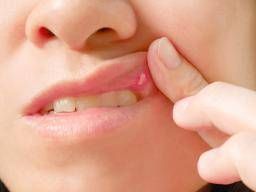
Aphthous stomatitis is the medical term often used for canker sores. These are small, shallow ulcers that usually appear inside the mouth, such as on the inner cheeks, lips, tongue, soft palate, or base of the gums. They are usually white, gray, or yellow in the center with a red border.
Canker sores are not contagious. They are different from cold sores, which are caused by herpes simplex virus and usually develop on or around the lips. Canker sores may be triggered by stress, minor mouth injuries, acidic foods, spicy foods, hormonal changes, immune system changes, or nutritional deficiencies such as low iron, folate, zinc, or vitamin B12.
Most minor canker sores heal within one to two weeks. Larger or recurring ulcers may require medical evaluation, especially if they are unusually painful, last longer than expected, or appear with other symptoms.
2. Herpetic Stomatitis: Cold Sores and Oral Herpes
Herpetic stomatitis is usually caused by herpes simplex virus, most commonly HSV-1. It may cause clusters of small blisters, often around the lips, but it can also affect areas inside the mouth. Unlike canker sores, cold sores are contagious.
Symptoms may include tingling, burning, fluid-filled blisters, crusting, fever, swollen glands, and mouth pain. The first infection can be more intense, especially in children. Later outbreaks may be milder and often appear in the same general area.
Treatment may include antiviral medicine, especially when started early. People with frequent, severe, or complicated outbreaks should speak with a healthcare professional. Good hygiene matters because the virus can spread through close contact, shared utensils, towels, lip balm, or touching a sore and then touching another area.
3. Oral Thrush and Candida-Related Stomatitis
Oral thrush is caused by an overgrowth of Candida, a yeast that normally lives in the mouth in small amounts. When the balance of microorganisms changes, Candida can multiply and cause creamy white patches, redness, soreness, cracking at the corners of the mouth, or a cottony feeling.
Thrush is more common in babies, older adults, people who wear dentures, people with dry mouth, people using inhaled corticosteroids, and those with diabetes or weakened immune systems. Antibiotics may also increase risk because they can disrupt the normal balance of bacteria in the mouth.
Treatment usually involves antifungal medication, improved oral hygiene, cleaning dentures properly, and managing the underlying risk factor. For example, someone using a steroid inhaler may be advised to rinse the mouth after each use.
4. Denture Stomatitis
Denture stomatitis is inflammation under a denture, often linked with Candida overgrowth, poor denture hygiene, a denture that does not fit well, or wearing dentures overnight. The tissue under the denture may look red, swollen, or irritated, though some people have surprisingly little pain.
Treatment may include antifungal medication, professional denture adjustment, improved cleaning habits, and removing dentures at night unless a dentist gives different instructions. Dentures should be cleaned daily, stored properly, and checked regularly. A denture is not a forever object; it is more like a car tire for your mouth. It works hard, wears down, and eventually needs attention.
5. Oral Mucositis
Oral mucositis is painful inflammation and ulceration of the mouth lining. It is commonly associated with cancer treatments such as chemotherapy or radiation therapy to the head and neck. It can make eating, drinking, swallowing, and speaking difficult.
Management often focuses on pain control, hydration, infection prevention, gentle oral care, and coordination with the oncology team. Patients receiving cancer treatment should report mouth changes early, because prompt care can reduce complications and help maintain nutrition.
6. Allergic or Irritant Contact Stomatitis
Some cases of stomatitis happen because the mouth reacts to a product or substance. Possible irritants include certain toothpastes, mouthwashes, dental materials, cinnamon flavoring, acidic foods, tobacco products, alcohol-containing rinses, or medications.
The solution depends on finding and removing the trigger. A dentist or doctor may ask about new oral care products, whitening strips, chewing gum, dental appliances, or recent medications. This is one reason it is useful to keep track of when symptoms started and what changed around that time.
7. Stomatitis Linked With Other Health Conditions
Sometimes mouth inflammation is a clue that something else is happening in the body. Recurrent or severe mouth ulcers can occur with inflammatory bowel disease, celiac disease, Behcet disease, lupus, HIV, nutritional deficiencies, blood disorders, or immune system problems.
This does not mean every canker sore is a medical mystery novel. Most are minor. But persistent, frequent, or unusual sores deserve evaluation, especially when they come with fever, weight loss, diarrhea, skin rashes, fatigue, swollen lymph nodes, or sores in other areas.
What Causes Stomatitis?
Stomatitis has many possible causes, and identifying the right one is the key to effective treatment. The most common causes include viral infections, fungal infections, mouth injuries, dental irritation, allergic reactions, dry mouth, immune changes, nutritional deficiencies, cancer treatment, and certain medications.
Minor trauma is a frequent trigger. Accidentally biting the cheek, brushing too aggressively, wearing braces, using a sharp dental appliance, or eating hard foods can damage the mouth lining. Once the tissue is irritated, a sore may develop.
Diet can also play a role. Acidic foods such as citrus fruits and tomatoes may worsen pain. Spicy foods may turn a small sore into a tiny volcano. In some people, specific foods seem to trigger recurring ulcers, though triggers vary widely.
Dry mouth is another important factor. Saliva protects the mouth by washing away debris, helping control microbes, and keeping tissues moist. When saliva is reduced because of medications, dehydration, mouth breathing, or health conditions, the mouth becomes more vulnerable to irritation and infection.
How Stomatitis Is Diagnosed
Many cases can be diagnosed through a physical exam and medical history. A dentist or doctor may ask when symptoms started, where sores appear, how often they return, what medications you take, whether you wear dentures or braces, and whether you have fever or other symptoms.
Additional tests may be needed if sores are severe, persistent, unusual, or recurrent. These may include blood tests for nutritional deficiencies or immune conditions, swabs for infection, allergy evaluation, or biopsy of a suspicious lesion. A biopsy may sound intimidating, but it is simply a way to check tissue when a sore does not behave like an ordinary sore.
Stomatitis Treatment Options
At-Home Care for Mild Stomatitis
Mild stomatitis often improves with gentle care. Rinse the mouth with warm salt water, use a soft-bristled toothbrush, avoid spicy or acidic foods, stay hydrated, and choose bland, soft foods until pain improves. Yogurt, oatmeal, scrambled eggs, smoothies, soups that are not too hot, and mashed potatoes are often easier to tolerate.
Avoid alcohol-containing mouthwash because it may sting and dry the mouth. Also avoid poking sores with your tongue every three minutes. Yes, everyone does it. No, the sore does not appreciate the attention.
Over-the-Counter Relief
Over-the-counter gels, protective pastes, oral rinses, and topical anesthetics may reduce discomfort. These products do not always make the sore disappear faster, but they can make eating and speaking easier while healing happens.
Always follow the label instructions. For children, ask a pediatrician or dentist before using numbing products. Some medicines are not appropriate for young children or for people with certain health conditions.
Prescription Treatments
Prescription treatment depends on the cause. A healthcare provider may recommend corticosteroid rinses or ointments for severe canker sores, antiviral medicine for herpes-related stomatitis, antifungal medicine for oral thrush, or antimicrobial rinses when infection risk is a concern.
For oral mucositis related to cancer treatment, care may include pain medicine, special mouth rinses, nutritional support, hydration strategies, and close monitoring by the cancer care team. Treatment is individualized because the severity and cause can vary greatly.
Treating the Underlying Cause
The best stomatitis treatment often means solving the reason the mouth became inflamed. If dentures are the problem, they may need cleaning, adjustment, or replacement. If a toothpaste ingredient is irritating the mouth, switching products may help. If low vitamin B12 or iron is involved, supplementation may be recommended after testing. If dry mouth is contributing, the plan may include saliva substitutes, hydration, medication review, or treatment of the condition causing dryness.
When to See a Doctor or Dentist
See a healthcare professional if mouth sores last longer than two to three weeks, keep coming back, are unusually large, spread quickly, make eating or drinking difficult, or appear with fever, eye irritation, skin rash, severe pain, dehydration, or unexplained weight loss.
You should also seek care if you have a weakened immune system, are receiving chemotherapy or radiation therapy, have diabetes with signs of infection, or notice a sore that is hard, bleeding, numb, or not healing. Most mouth sores are not dangerous, but persistent changes should never be ignored.
How to Prevent Stomatitis
Not every case can be prevented, but smart habits can lower the risk. Brush gently with a soft toothbrush, floss carefully, visit the dentist regularly, clean dentures daily, avoid tobacco, limit alcohol-containing mouth rinses, manage dry mouth, and protect the mouth from sharp dental appliances.
If certain foods trigger symptoms, keep a simple food and symptom diary. You do not need a detective board with red string, but a few notes can reveal patterns. For example, if ulcers appear after several days of acidic snacks, spicy sauces, or stress-filled weeks, that information can help guide prevention.
People who get frequent canker sores may benefit from discussing toothpaste ingredients, nutritional testing, stress management, and immune-related conditions with a clinician. People prone to cold sores may ask about antiviral treatment, especially if outbreaks are frequent or predictable.
What to Eat During a Stomatitis Flare
During a flare, choose foods that are soft, cool, and gentle. Good options include smoothies without citrus, applesauce, yogurt, cottage cheese, oatmeal, soft pasta, rice, eggs, avocado, mild soups, and protein shakes. Let hot foods cool before eating.
Avoid chips, crusty bread, spicy salsa, citrus, vinegar-heavy dressings, carbonated drinks, and very salty snacks until healing improves. These foods are not morally wrong; they are just terrible roommates for an angry mouth.
Experience-Based Lessons: What Stomatitis Feels Like in Real Life
People often underestimate stomatitis until they experience it. A tiny sore can affect the entire rhythm of the day. Breakfast becomes a negotiation. Toothbrushing becomes a strategy. Speaking in a meeting or classroom becomes a careful performance where every word is planned to avoid rubbing the sore against a tooth. The mouth may be small, but when it hurts, it demands the spotlight.
One common experience is the “mystery trigger” problem. A person may wake up with a canker sore and immediately blame the last thing they ate. Was it the pineapple? The hot sauce? The crunchy chips? The stress from a deadline? The new toothpaste? The answer is often not obvious. That is why tracking patterns helps. A simple note like “ulcer after dental cleaning,” “flare during exams,” or “burning after cinnamon gum” can be surprisingly useful.
Another real-life lesson is that pain level does not always match size. A small ulcer on the side of the tongue can feel worse than a larger one tucked away on the inner cheek because the tongue moves constantly. Every sentence, sip, and swallow can bump the irritated area. In these cases, protective pastes and soft foods can make a big difference while the tissue heals.
People with braces, retainers, dentures, or dental appliances often learn that fit matters. A tiny rough edge can repeatedly scrape the same spot until inflammation develops. Wax, professional adjustment, and better cleaning routines can help. Ignoring the irritation usually does not make anyone tougher; it mostly gives the sore more time to become dramatic.
For denture wearers, stomatitis may not always hurt at first. Some notice redness only after removing the denture. Others notice bad taste, mild burning, or soreness while chewing. The biggest lesson is consistency. Cleaning dentures daily, removing them at night when advised, and seeing a dentist for fit checks can prevent recurring irritation. Dentures should not be treated like a kitchen appliance that gets rinsed occasionally and hoped for the best.
People dealing with oral thrush often describe a strange coating, altered taste, or sensitivity rather than sharp ulcer pain. The experience can be frustrating because brushing harder does not solve it and may make soreness worse. Antifungal treatment and addressing risk factors, such as dry mouth or inhaler use, usually matter more than scrubbing.
For those undergoing cancer treatment, oral mucositis can be one of the most difficult side effects. Eating may become exhausting. Hydration may require planning. Even favorite foods can suddenly feel impossible. In this situation, early communication with the care team is essential. Patients should not wait until pain is severe before asking for help. Supportive care is part of treatment, not a bonus feature.
Parents caring for children with mouth sores face a different challenge: hydration. A child may refuse drinks because swallowing hurts. Cool liquids, popsicles, soft foods, and guidance from a pediatrician can help. The goal is not to win a gourmet cooking contest. The goal is to keep the child comfortable and hydrated until the illness passes.
The biggest practical lesson is this: stomatitis care works best when it is gentle, consistent, and specific to the cause. Throwing random remedies at mouth sores can backfire, especially if a product burns, dries the mouth, or delays proper treatment. When in doubt, simple steps are safest: soft toothbrush, mild rinses, hydration, bland foods, and professional advice if symptoms persist or worsen.
Conclusion
Stomatitis is common, uncomfortable, and sometimes surprisingly disruptive. It can be caused by canker sores, cold sores, oral thrush, dentures, cancer treatment, irritants, allergies, dry mouth, nutritional deficiencies, or underlying health conditions. The right treatment depends on the type and cause, which is why persistent or severe mouth inflammation should be checked by a healthcare professional.
For mild cases, gentle oral care, soft foods, hydration, and avoiding irritating triggers may be enough. For infections, recurring ulcers, denture-related inflammation, or oral mucositis, targeted treatment can make recovery safer and more comfortable. Your mouth works hard every day. When it starts waving a tiny red flag, it is worth paying attention before the flag becomes a parade.