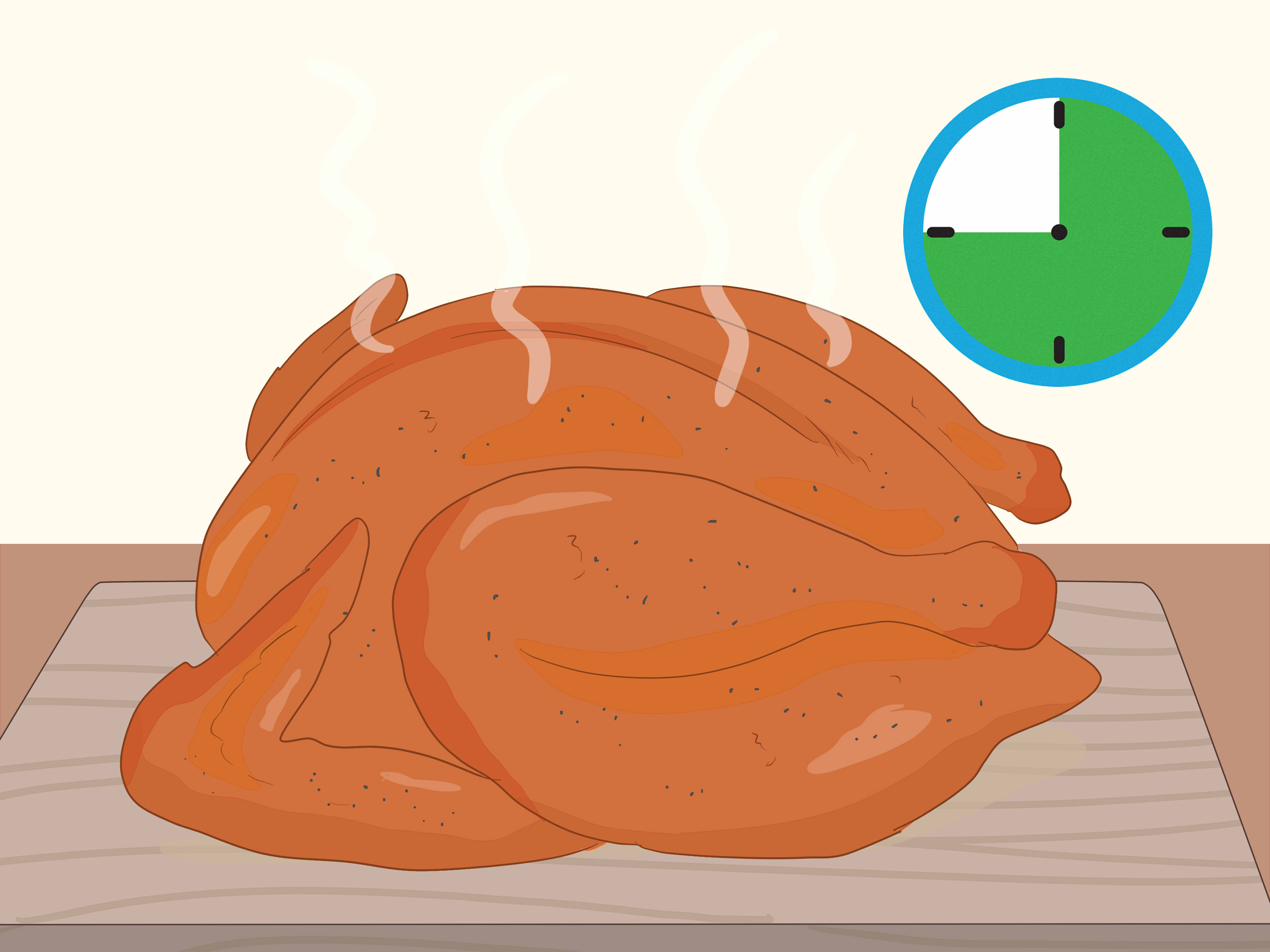
Thanksgiving turkey has a funny way of turning calm, reasonable people into oven-window philosophers. One minute you are confidently hosting dinner; the next, you are staring through the oven door whispering, “Are you done yet?” like the bird is going to answer.
The truth is simple: the best way to tell if Thanksgiving turkey is done is to check its internal temperature with a reliable food thermometer. A whole turkey is safe to eat when the thickest parts of the breast, thigh, and wingand the stuffing, if you cooked stuffing inside the birdreach 165°F. Not golden skin. Not clear juices. Not vibes. Temperature.
That said, cooking turkey is not just about avoiding undercooked poultry. It is also about keeping the meat juicy, preventing dry breast meat, allowing the bird to rest properly, and carving it at the right time. Below is a practical, step-by-step guide that walks you through how to tell if your Thanksgiving turkey is done without panic, guesswork, or sacrificing the gravy boat to the holiday gods.
Why Turkey Doneness Matters
Turkey is poultry, and poultry needs to be cooked thoroughly to reduce the risk of foodborne illness. The safest benchmark for Thanksgiving turkey doneness is an internal temperature of 165°F. This applies to whole turkey, turkey breast, turkey thighs, wings, ground turkey, giblets, and stuffing cooked inside the bird.
But here is where many home cooks get tripped up: turkey can look finished before it is safe, and sometimes it can look slightly pink even when it is fully cooked. That is why color is not a dependable judge. A turkey thermometer is not a fancy extra; it is the referee, the judge, and the calm adult in the kitchen.
How to Tell if Thanksgiving Turkey Is Done: 8 Steps
Step 1: Start Checking Near the End of the Estimated Cooking Time
Cooking charts are helpful, but they are not magic spells. A 14-pound turkey may cook faster or slower depending on whether it was fully thawed, how cold it was when it entered the oven, whether it is stuffed, your oven’s accuracy, the roasting pan, and how many times someone opened the oven “just to peek.”
Begin checking the turkey’s temperature when it is getting close to the recommended cooking window. For example, if your roasting guide suggests the bird may take about 3 to 3 3/4 hours, start checking around the 3-hour mark. This helps you avoid both undercooking and overcooking.
Try not to check too early or too often. Every time the oven door opens, heat escapes. The turkey then has to regain momentum, and dinner gets slightly more dramatic. Use the cooking time as a guide, but let the thermometer make the final call.
Step 2: Use a Food Thermometer, Not the “Looks Done” Method
The most reliable way to tell if Thanksgiving turkey is done is to use a food thermometer. An instant-read thermometer is especially useful because it gives you a quick reading in different parts of the bird. A leave-in probe thermometer can also help monitor progress, but you should still check multiple areas before declaring victory.
Do not rely only on the pop-up timer that may come with the turkey. Pop-up timers can be helpful as a backup signal, but they do not measure every important part of the bird. They may pop when one area is hot enough while another area is still lagging behind. Thanksgiving is not the moment to trust one tiny plastic button with your reputation.
For best accuracy, insert the thermometer into the meat, wait for the reading to stabilize, and avoid touching bone. Bone conducts heat differently than meat and may give you a misleading reading.
Step 3: Check the Thickest Part of the Breast
The turkey breast is usually the section most people worry about drying out, and for good reason. White meat is leaner than dark meat, so it can go from juicy to “pass the gravy immediately” if it cooks too long.
To check the breast, insert the thermometer into the thickest part, usually from the side or top of the breast. Make sure the tip is in the center of the meat, not touching bone and not poking through into the cavity. The breast should reach at least 165°F for food safety.
If the breast is done but the thigh is not, you can loosely tent the breast with foil to help slow browning while the darker meat continues cooking. This simple trick can help protect the juiciest slices from becoming holiday sawdust.
Step 4: Check the Innermost Part of the Thigh
The thigh is one of the most important places to check because dark meat often takes longer to cook than breast meat. Insert the thermometer into the innermost part of the thigh, close to the body of the bird, without touching the bone.
The temperature should read at least 165°F. Many cooks prefer dark meat cooked slightly higher because thighs contain more connective tissue and can become more tender at a higher final temperature. But from a food-safety standpoint, 165°F is the key minimum.
If the thigh is below 165°F, return the turkey to the oven and keep roasting. Check again after 10 to 15 minutes. Avoid cranking the oven temperature too high at the last second unless the skin is pale and the bird truly needs a finishing blast. A steady finish is usually better than a frantic one.
Step 5: Check the Wing Joint Area
The wing area is easy to overlook, but it matters. The innermost part of the wing, near the body, should also reach 165°F. This is especially important with large turkeys because heat does not always move evenly through the bird.
Place the thermometer into the thickest part near the wing joint. Again, avoid touching bone. If the breast and thigh are done but the wing joint is under temperature, give the turkey more time.
Checking three placesthe breast, thigh, and wingtakes less than a minute and gives you much more confidence than guessing from skin color. A turkey can be beautifully bronzed on the outside and still need more time inside. Thanksgiving turkey is dramatic like that.
Step 6: If the Turkey Is Stuffed, Check the Stuffing Temperature
If you cooked stuffing inside the turkey, the center of the stuffing must also reach 165°F. This is not optional. Stuffing sits inside the cavity and can absorb juices from the raw bird, so it needs to reach a safe temperature just like the meat.
Insert the thermometer into the center of the stuffing, not just the top layer near the opening. If the stuffing has not reached 165°F, the turkey needs more time in the oven even if the meat is already done.
This is one reason many food-safety experts recommend baking stuffing separately in a casserole dish. It cooks more evenly, browns better on top, and does not force the turkey to stay in the oven longer than necessary. Separate stuffing also gives you more crispy edges, which is a strong argument in any Thanksgiving debate.
Step 7: Do Not Trust Color, Juices, or Leg Wiggle Alone
Old-school turkey advice often says the bird is done when the juices run clear, the leg wiggles easily, or the skin is deep golden brown. These signs can be useful clues, but they are not reliable enough to prove the turkey is safe.
Clear juices do not guarantee that every part of the turkey reached 165°F. A loose leg can happen before the thickest meat is fully cooked. Golden skin only tells you the outside had a good day in the oven.
Pink meat is also not always a sign of undercooking. Turkey may remain slightly pink because of natural pigments in the meat, the age of the bird, gases in the oven, smoking, or other cooking conditions. The only way to know for sure is to take the temperature. If the turkey has reached 165°F in the right places, slight pinkness does not automatically mean disaster.
Step 8: Let the Turkey Rest Before Carving
Once your Thanksgiving turkey reaches the proper internal temperature, remove it from the oven and let it rest before carving. A rest of about 20 to 30 minutes is common for a whole turkey, depending on size.
Resting allows juices to redistribute through the meat. If you carve immediately, those juices run onto the cutting board instead of staying in the turkey. The result is drier slices and a host who suddenly becomes very interested in serving extra gravy.
During resting, the internal temperature may rise slightly due to carryover cooking. Tent the turkey loosely with foil if you want to keep it warm, but do not wrap it tightly or the crispy skin may soften. Think cozy blanket, not sauna.
What Temperature Should Thanksgiving Turkey Be?
The safe minimum internal temperature for Thanksgiving turkey is 165°F. For a whole bird, check:
- The thickest part of the breast
- The innermost part of the thigh
- The innermost part of the wing
- The center of the stuffing, if the turkey is stuffed
All of these areas should reach 165°F. If one area is under temperature, the turkey is not fully done yet. Return it to the oven and continue cooking until every tested spot reaches the safe mark.
Can Turkey Be Done If It Is Still Pink?
Yes, turkey can be done even if some meat looks slightly pink. Color is not a reliable sign of doneness. This surprises many home cooks because we are used to thinking pink poultry automatically means raw poultry. But turkey meat can keep a pink tint even after reaching a safe internal temperature.
That does not mean you should ignore suspicious meat. If the texture seems raw, the temperature is low, or the turkey smells unpleasant, do not serve it. But if the thermometer reads 165°F in the correct locations, a little pink near the bone is not necessarily a problem.
Common Mistakes When Checking Turkey Doneness
Checking Only One Spot
One reading is not enough for a whole turkey. Large birds cook unevenly, so you need to test multiple places. The breast may finish before the thigh, or one side may cook faster than the other if your oven has hot spots.
Touching Bone With the Thermometer
If the thermometer touches bone, the reading may not reflect the true temperature of the meat. Insert the probe into the thickest part of the meat and keep it centered.
Relying on Cooking Time Only
Cooking time is an estimate. Temperature is proof. A turkey that “should be done by now” still needs to pass the thermometer test.
Carving Too Soon
Carving immediately after roasting can cause juices to spill out. Resting gives the meat time to settle, making each slice more tender and flavorful.
How to Fix a Turkey That Is Not Done Yet
If your turkey is not done, do not panic. Put it back in the oven and continue roasting. If the skin is already dark enough, loosely cover the browned areas with foil. Check the temperature again after 10 to 15 minutes.
If the breast is done but the thighs are still undercooked, cover the breast with foil and let the dark meat keep cooking. You can also carefully rotate the pan if your oven has uneven heat.
If you discover the turkey is undercooked after carving, place the underdone pieces in a baking dish, add a little broth, cover with foil, and return them to the oven until they reach 165°F. This is not ideal, but it is better than serving unsafe poultry. Gravy has rescued many holiday moments; let it do its noble work.
How to Keep Turkey Juicy While Making Sure It Is Done
The fear of dry turkey often leads people to pull the bird too early. But undercooked turkey is not worth the risk. The better strategy is to cook to the right temperature while using techniques that protect moisture.
Start with a fully thawed turkey so it cooks evenly. Pat the skin dry before roasting to encourage browning. Use a roasting rack so hot air can circulate. Avoid opening the oven door too often. If the breast browns too quickly, tent it with foil. Most importantly, let the turkey rest before carving.
You can also add flavor with aromatics such as onion, celery, herbs, garlic, citrus, or apple in the cavity. These do not replace proper cooking, but they can make the kitchen smell like a holiday postcard.
What About Pop-Up Timers?
Pop-up timers are convenient, but they should not be your only test. They are usually placed in one part of the bird and cannot confirm that the breast, thigh, wing, and stuffing all reached a safe temperature.
Use the pop-up timer as a reminder to start checking, not as final proof. Your food thermometer gets the last word.
How Long Should Turkey Rest After Cooking?
A whole turkey should usually rest for 20 to 30 minutes before carving. A very large bird may benefit from a longer rest, while a turkey breast may need less time. Resting helps the juices redistribute and makes carving easier.
Keep the turkey loosely tented with foil while it rests. Do not seal it tightly, because trapped steam can soften the skin. If your guests are hovering, give them appetizers. Or assign someone to “gravy quality control,” a serious job that mostly involves tasting.
Leftover Safety After the Turkey Is Done
Once dinner is over, do not let the turkey sit out all evening while everyone debates pie rankings. Refrigerate leftovers within 2 hours. Cut large portions of turkey into smaller pieces so they cool quickly, then store them in shallow containers.
Use refrigerated turkey leftovers within 3 to 4 days, or freeze them for longer storage. When reheating leftovers, heat them thoroughly to 165°F. Turkey sandwiches are wonderful; food poisoning is not festive.
Experience Notes: What Home Cooks Learn After a Few Thanksgiving Turkeys
After cooking a few Thanksgiving turkeys, most people discover that the hardest part is not the recipe. It is the timing. The turkey is always either “almost done” for an hour or suddenly done while the mashed potatoes are still in emotional development. That is why checking doneness should be treated like a small system, not a single dramatic moment.
One practical experience is to write down your turkey’s weight, oven temperature, start time, and the first temperature reading. This sounds a little too organized until next year, when you find the note and feel like a holiday genius. Every oven behaves differently. Your oven may run hot in the back left corner, or it may be the type that says 325°F but secretly means “good luck.” A simple record helps you predict future cooking times more accurately.
Another lesson: do not wait until Thanksgiving morning to learn how your thermometer works. Test it before the big day. Make sure the battery is alive, the display is readable, and you know how quickly it gives a stable reading. A thermometer with a dead battery at 4 p.m. on Thanksgiving has the same energy as a printer refusing to work five minutes before a meeting.
Many cooks also learn that the breast and thigh do not finish at the same pace. The breast is lean and often reaches temperature first. The thigh, tucked closer to the body and full of darker meat, usually takes longer. This is why checking only the breast can trick you into thinking the entire turkey is done. A full bird needs multiple readings.
Stuffing inside the bird is another real-world challenge. It tastes nostalgic, but it can delay dinner because the stuffing must reach 165°F in the center. If the meat is done but the stuffing is not, you are stuck cooking longer. That extra time can dry out the breast. Many experienced hosts eventually move stuffing to a separate baking dish, where it gets crisp edges, cooks evenly, and stops holding the turkey hostage.
Resting time is also something people underestimate. The first instinct is to carve immediately because the turkey looks gorgeous and everyone is hungry. But carving too soon releases juices across the cutting board. Resting gives you better texture and makes carving cleaner. It also buys time to finish gravy, warm rolls, and pretend the green beans were always meant to be served “rustic.”
Finally, experienced Thanksgiving cooks learn not to apologize too much. If the turkey needs 15 extra minutes, it needs 15 extra minutes. Serve another round of snacks, pour drinks, and keep the mood light. A safe, juicy turkey is worth a small delay. Nobody remembers that dinner started at 5:18 instead of 5:00. They do remember whether the turkey was dry, raw, or delicious.
Conclusion
Knowing how to tell if Thanksgiving turkey is done comes down to one reliable habit: use a food thermometer and check the right places. The turkey breast, innermost thigh, innermost wing, and stuffing should all reach 165°F. Golden skin, clear juices, and a wiggly leg can offer clues, but they cannot replace temperature.
When the turkey reaches the safe temperature, let it rest before carving so the meat stays juicy. Then slice, serve, and enjoy the rare holiday moment when science, tradition, and gravy all work together beautifully.