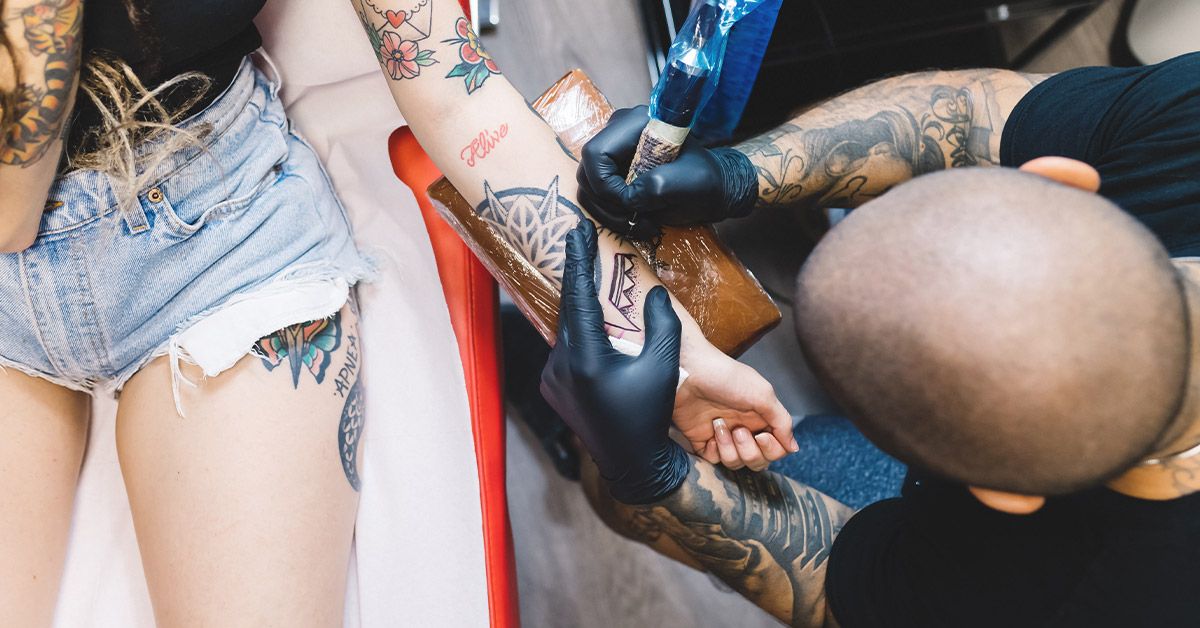
Every great tattoo begins long before the needle touches skin. It starts with a clean station, fresh gloves, sterile supplies, safe ink handling, and one humble studio workhorse that rarely gets a dramatic entrance: green soap. It is not flashy. It does not sparkle. It does not arrive with a guitar solo. But in a professional tattoo studio, green soap plays a steady, practical role in keeping the tattoo site clean, visible, and manageable from the first stencil wipe to the final cleanup.
Green soap is commonly used by tattoo artists to cleanse the skin before, during, and after tattooing. It helps remove surface oil, sweat, dried plasma, excess ink, and small amounts of blood from the tattoo area. That matters because tattooing breaks the skin barrier. Once the skin is open, hygiene is not just a nice extra; it is part of the entire safety system. A tattoo may be art, but the process also involves needles, body fluids, and a healing wound. In other words, it deserves more respect than a kitchen-table doodle session with mystery ink and questionable lighting.
This article explains what green soap does, what it does not do, why dilution and technique matter, and how it fits into a broader sanitary tattoo workflow. The key idea is simple: green soap helps keep the tattoo site clean, but it is only one part of professional infection control.
What Is Green Soap?
Green soap is a concentrated cleansing soap traditionally used in tattooing, piercing, and some clinical-style skin-preparation settings. Many formulas are vegetable-oil based and may contain ingredients such as glycerin and alcohol, depending on the brand. It is usually sold as a concentrate and diluted with water before use. The finished solution is often placed in a labeled squeeze bottle or spray bottle for controlled application during the tattoo process.
The name can be slightly misleading because green soap is not always bright green. It may look amber, yellowish, or light green depending on the formula. Its real identity is not the color; it is the function. Green soap is designed to cleanse skin gently while helping lift away residue. For tattoo artists, that means clearer visibility, smoother wiping, and less buildup while working through lines, shading, and color packing.
Why Tattoo Site Sanitation Matters
A tattoo is created by repeatedly puncturing the skin and depositing pigment into the dermis. That process creates thousands of tiny openings in the skin barrier. Under normal conditions, intact skin is excellent security. It is the bouncer at the club door, politely but firmly keeping germs out. During tattooing, that barrier is temporarily disrupted, which means sanitation becomes essential.
Possible tattoo-related complications include skin infection, irritation, allergic reaction, scarring, and inflammation around pigment. Infections may be linked to poor hygiene, contaminated equipment, unsafe work surfaces, improper aftercare, or even contaminated tattoo ink. This is why professional studios use a layered approach: hand hygiene, gloves, single-use needles, disposable barriers, proper sharps disposal, surface disinfection, clean skin preparation, and careful aftercare instructions.
Green soap belongs to the “clean skin preparation and ongoing cleansing” part of that system. It is not the entire system. Treating green soap as the only safety measure would be like locking your front door but leaving every window open and a sign outside that says, “Free snacks inside.”
Green Soap Before Tattooing
Before tattooing begins, the artist needs the skin to be clean enough for safe preparation and accurate stencil placement. Green soap is often used to wash the target area and remove sweat, lotion, body oil, dirt, and other surface debris. This first cleaning step helps create a better working field.
Cleaning Before Shaving
If the tattoo area has hair, the artist may clean the skin first, then shave it with a new disposable razor. Shaving over dirty skin can drag debris across the surface and cause tiny abrasions. Those small cuts may not look dramatic, but they can irritate the skin and make the site less ideal for tattooing. Cleaning first helps reduce unnecessary contamination before the razor touches the area.
Helping the Stencil Stay Clear
A clean surface also supports stencil application. Excess oil or lotion can interfere with stencil transfer. When the artist cleans the area properly, the stencil is more likely to sit evenly on the skin. A clear stencil matters because it helps the artist follow the design accurately without overworking the skin or repeatedly wiping and reapplying marks.
Green Soap During Tattooing
During tattooing, green soap is often used in diluted form to wipe away excess ink, plasma, and small amounts of blood. This keeps the design visible and helps the artist monitor line quality, shading smoothness, and skin response. Without regular cleaning, the tattoo area can quickly become a blurry watercolor crime scene. The artist needs to see what is actually in the skin, not just what is smeared across the surface.
Keeping Visibility High
Good visibility is more than an artistic preference. If the artist cannot clearly see the lines, they may overwork the skin, repeat passes unnecessarily, or miss irritated areas. Green soap helps clear the surface so the artist can make better decisions. Cleaner visibility supports cleaner technique.
Reducing Residue Without Harsh Scrubbing
Professional tattooing requires frequent wiping, but too much friction can irritate the skin. Diluted green soap helps lift residue so the artist does not need to scrub aggressively. The goal is controlled cleaning, not sanding a table. Gentle wiping with clean disposable towels or wipes helps maintain the working area while reducing unnecessary trauma.
Supporting Client Comfort
Many clients notice the cooling, refreshing feeling of a green soap wipe during longer sessions. While it does not make tattooing painless, it can remove sticky residue and briefly calm the area. For someone sitting through a large piece, those small moments can feel like tiny intermissions in a very spicy theater performance.
Green Soap After Tattooing
Once the tattoo is finished, green soap is commonly used to clean the area one final time. This removes leftover ink, blood, plasma, and stencil residue before the artist photographs, reviews, and covers the tattoo. A clean final wipe helps the tattoo look clearer and prepares the site for bandaging or protective film.
After the final cleaning, the artist usually applies a sterile or clean dressing method according to studio protocol and local regulations. This may include a breathable bandage, absorbent pad, or transparent adhesive tattoo film. The purpose is to protect the fresh tattoo from outside contamination during the early healing period.
What Green Soap Does Not Do
Green soap is useful, but it should not be treated like magic potion in a fantasy video game. It cleanses the skin, but it does not replace sterilization, disinfection, or professional bloodborne-pathogen precautions.
It Does Not Sterilize Needles
Needles, tubes, grips, and other tools must be sterile or properly processed according to professional standards. In modern tattooing, needles are typically single-use and pre-sterilized. Green soap cannot make a used needle safe. Nothing about a pleasant-smelling soap changes the fact that contaminated sharps are dangerous.
It Does Not Disinfect Work Surfaces
Work surfaces, chairs, trays, lamps, bottles, and machine parts require appropriate barriers and EPA-registered disinfectants where applicable. Disinfectants must be used according to label directions, including proper dilution and contact time. Green soap is for skin cleansing, not for replacing surface disinfectant on a contaminated workstation.
It Does Not Make Contaminated Ink Safe
Tattoo inks can become contaminated during manufacturing, storage, dilution, or handling. Even sealed ink has been involved in contamination concerns. Artists should use reputable products, avoid unsafe dilution practices, pour ink into single-use caps, and discard unused portions. Green soap on the skin cannot fix unsafe ink inside the skin.
Proper Dilution Matters
Green soap is usually sold as a concentrate, so dilution matters. Artists should follow the manufacturer’s instructions rather than guessing. Too strong a mixture may irritate skin. Too weak a mixture may not clean effectively. Professional studios typically label bottles, prepare solutions carefully, and avoid leaving mystery liquids around the station. A tattoo setup should not feel like a science fair where the volcano might be soap, disinfectant, or yesterday’s iced tea.
Clean water should be used according to studio policy and local health rules. Bottles should be cleaned, replaced, or managed in a way that prevents contamination. The outside of bottles may also be covered with disposable barrier film because artists touch them while wearing gloves during procedures. A clean solution inside a dirty bottle handled with contaminated gloves is not a winning strategy.
Green Soap and Cross-Contamination
Cross-contamination happens when microorganisms or body fluids are transferred from one surface, object, or person to another. In tattooing, this can happen through contaminated gloves, bottles, cords, chairs, phones, lamps, or work surfaces. Green soap can help clean the skin, but poor handling can turn any item near the station into a contamination risk.
Glove Discipline
Artists should change gloves whenever they become contaminated or when switching tasks. For example, touching a phone, adjusting glasses, opening a drawer, or handling non-barriered equipment during a tattoo can create risk. Fresh gloves are part of keeping the tattoo site sanitary because clean hands and clean tools support clean skin.
Disposable Barriers
Many studios use barrier film on spray bottles, clip cords, machine grips, armrests, light handles, and other high-touch items. Barriers are removed and discarded after the client. This helps prevent residue from one session from becoming an unwanted souvenir for the next person.
Single-Use Supplies
Ink caps, razors, needles, gloves, ointment packets, and disposable towels should be single-use where appropriate. Green soap works best in a system where everything around it is also controlled. Sanitation is not one heroic product; it is a team sport.
Green Soap vs. Antiseptic Skin Prep
Green soap is primarily a cleanser. Some artists may also use antiseptic products depending on the procedure, client needs, local rules, and product compatibility. It is important not to confuse cleaning with antisepsis. Cleaning removes dirt, oils, and visible residue. Antisepsis reduces microorganisms on living tissue. Disinfection reduces microorganisms on surfaces. Sterilization destroys all forms of microbial life on instruments. These words are related, but they are not interchangeable.
For tattoo clients, the most important takeaway is that a safe studio understands these differences. If an artist casually says, “We just wipe everything with soap,” that should raise questions. A professional should be able to explain how tools are sterile, how surfaces are disinfected, how single-use items are handled, and how the skin is cleaned.
Why Artists Like Green Soap
Green soap has remained popular because it is practical. It is concentrated, affordable for busy studios, easy to dilute, and effective at removing the exact kinds of residue tattooing creates. It also tends to be gentle enough for repeated use during a session when properly diluted.
Artists appreciate products that support workflow without irritating the client’s skin. During a long tattoo, the skin may already be stressed from needle passes. A harsh cleanser can make the area angrier, redder, and more difficult to work with. Green soap offers a balance: strong enough to clean, mild enough for repeated wiping when used correctly.
What Clients Should Look For in a Sanitary Tattoo Studio
Clients do not need to become infection-control inspectors, but they should know the basics. A clean studio should look organized, smell clean without being overwhelming, and show obvious attention to hygiene. The artist should wash or sanitize hands, wear fresh gloves, open sterile needles in front of the client, use single-use ink caps, cover high-touch equipment, and clean the skin before beginning.
Ask Smart Questions
Good questions are not rude. They are responsible. Clients can ask: “Are the needles single-use?” “How do you disinfect the station?” “What should I do for aftercare?” “Is that green soap diluted fresh or prepared according to the product directions?” A professional artist should not be offended by basic safety questions. In fact, many will appreciate that the client cares.
Watch the Setup
The setup tells a story. Fresh barriers, sealed supplies, clean bottles, covered cords, and organized tools suggest professionalism. A cluttered station with uncovered items, reused supplies, or casual glove habits tells another story, and it is not a bedtime story anyone wants.
Green Soap and Tattoo Aftercare
Green soap is mainly a studio-use product. After leaving the shop, most clients are instructed to wash the tattoo gently with mild, fragrance-free soap and clean hands. The exact aftercare routine may vary depending on the artist’s method, bandage type, and the client’s skin. Clients should follow the artist’s written instructions and contact a healthcare professional if they notice spreading redness, increasing swelling, pus, fever, red streaks, or severe pain.
The fresh tattoo should be treated like a healing wound, because that is exactly what it is. Clean hands matter. Clean bedding helps. Avoiding pools, hot tubs, dirty gym equipment, and sun exposure during early healing is usually wise. The tattoo may look tough, but in the first days it is basically a dramatic little houseplant: protect it, do not drown it, and keep questionable environments away from it.
Common Mistakes Involving Green Soap
One common mistake is using green soap too strongly. More concentrate does not mean more safety. It may only mean more irritation. Another mistake is using the same bottle without proper barrier protection or cleaning procedures. A third mistake is assuming green soap can replace disinfectants. It cannot.
Some inexperienced artists may also overwipe the skin. Even a good cleanser can become irritating when paired with rough technique. The best use of green soap is measured, clean, and gentle. The artist should use enough to keep the area clear, but not so much that the skin becomes unnecessarily stressed.
Practical Example: A Clean Green Soap Workflow
Imagine a professional forearm tattoo appointment. The artist disinfects the station, applies fresh barriers, prepares sterile needles, pours ink into single-use caps, washes hands, and puts on gloves. The client’s forearm is cleaned with diluted green soap, shaved with a disposable razor if needed, cleaned again, and prepared for stencil placement. During tattooing, the artist uses disposable wipes and diluted green soap to remove excess ink and plasma while maintaining visibility. If the artist touches anything outside the clean working field, gloves are changed. At the end, the tattoo is cleaned again, inspected, photographed, and covered with an appropriate dressing. The client receives aftercare instructions before leaving.
In that workflow, green soap is important, but it is not alone. It works alongside sterile supplies, hand hygiene, barriers, disinfectants, safe ink handling, and client education. That layered approach is what keeps a tattoo site sanitary.
Experience-Based Insights: What Green Soap Teaches About Clean Tattooing
Anyone who has spent time around professional tattoo studios quickly notices that green soap is part of the rhythm of the room. The buzz of the machine, the snap of fresh gloves, the careful stretch of the skin, and the quick wipe with green soap all become part of a familiar pattern. From a client’s perspective, that wipe may seem simple. From a sanitation perspective, it tells you a lot about how the artist works.
A careful artist does not use green soap randomly. They use it with intention. Before the tattoo starts, the first cleaning gives the artist a fresh field. During the tattoo, each wipe clears the view and allows the artist to check whether the line is solid, whether the skin is becoming irritated, or whether more passes would be too much. At the end, the final cleaning reveals the finished work without the distracting mess of extra pigment. In many ways, green soap is like the windshield wiper of tattooing. It does not drive the car, but good luck staying on the road without it when things get cloudy.
Clients can also learn from the way green soap is handled. If the bottle is covered, labeled, and used without touching the skin directly, that suggests the artist understands contamination control. If the artist sprays carefully, wipes with disposable material, and changes gloves when needed, that is another good sign. On the other hand, if the bottle is sticky, uncovered, shared carelessly between stations, or grabbed with visibly contaminated gloves, the client has reason to pause. The product may be fine, but technique is everything.
One practical experience many clients remember is how different a clean tattoo session feels. The skin is wiped often enough to stay clear, but not so aggressively that every pass feels like a punishment from a tiny sandpaper committee. The artist keeps the area organized. Used wipes go away quickly. Fresh supplies stay separate from contaminated items. The client sees a process that feels calm and controlled. That sense of order builds trust.
For newer artists, green soap also teaches restraint. It is tempting to wipe constantly, especially when learning. But professional technique means understanding when to clean, how much pressure to use, and how to protect the skin while still seeing the work clearly. Overuse can make the skin red and reactive. Underuse can leave the artist working through a fog of ink. The sweet spot comes from practice, observation, and respect for skin as living tissue, not just a canvas.
For clients, the best experience comes from choosing a studio where sanitation is visible but not performative. Cleanliness should not feel like a rushed show put on only when someone is watching. It should feel built into every step. Green soap is one small but reliable sign of that mindset. It is not glamorous, but it is honest. It helps the artist clean, see, adjust, and finish the tattoo responsibly. In the end, great tattooing is not only about bold lines and smooth shading. It is also about the quiet habits that protect the person wearing the art.
Conclusion
Green soap plays a valuable role in keeping a tattoo site sanitary by cleansing the skin before, during, and after tattooing. It helps remove surface debris, excess ink, plasma, and small amounts of blood, giving the artist a clearer view and supporting a cleaner working field. However, green soap is not a substitute for sterile needles, safe ink handling, proper gloves, surface disinfectants, disposable barriers, or professional infection-control training.
The safest tattoo experience comes from a complete hygiene system. Green soap is one important tool in that system, but it works best when paired with careful technique and responsible studio practices. A beautiful tattoo should leave you with a story, not an infection. Clean skin, clean tools, clean habits: that is where good body art begins.
Note: This article is written for general educational publishing purposes and should not replace instructions from a licensed tattoo professional, local health department regulations, or medical advice from a qualified healthcare provider.