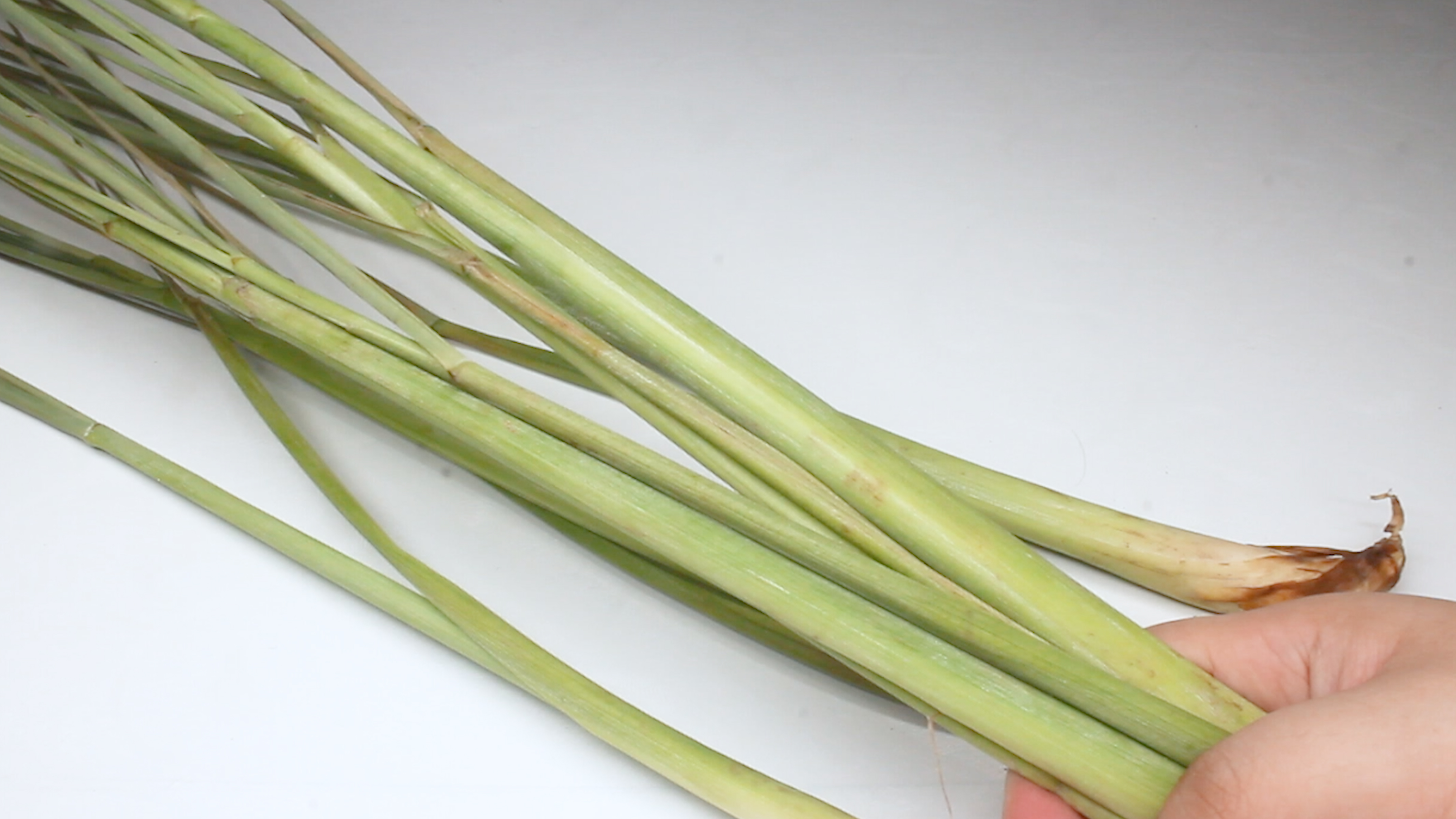
Lemongrass looks like a vegetable that wandered out of a tropical spa: long, fragrant, grassy, and slightly mysterious. If you have ever bought a bundle, placed it on your cutting board, and wondered whether you should chop it, peel it, whack it, or apologize to it first, you are not alone. Fresh lemongrass is wonderfully aromatic, but it is also fibrous, woody in places, and not exactly beginner-friendly at first glance.
The good news? Learning how to cut lemongrass is simple once you understand which part to use and how each cut affects flavor. The tender lower stalk brings bright citrus, subtle ginger notes, and a floral aroma to soups, curries, marinades, stir-fries, teas, sauces, and grilled meats. The tougher green tops are not usually eaten, but they can still flavor broths and infusions like tiny lemon-scented magic wands.
This guide walks you through 11 easy steps for trimming, peeling, bruising, slicing, mincing, and storing lemongrass. Whether you are making Thai coconut soup, Vietnamese grilled chicken, a fragrant curry paste, or a soothing cup of herbal tea, these simple techniques will help you get the most flavor without chewing on something that feels like a broom.
What Is Lemongrass?
Lemongrass is a tropical grass used widely in Southeast Asian cooking. Its flavor is citrusy but softer than lemon juice, with a clean herbal aroma and hints of ginger, mint, and flowers. In the kitchen, the most useful part is the lower pale section of the stalk, especially the firm, bulb-like base. This is where the best flavor hides.
The upper green leaves are tougher and more fibrous. They are excellent for simmering in soups, stocks, and teas, but they should usually be removed before serving. Think of them like bay leaves: useful for flavor, not ideal as a snack.
Before You Start: Choose the Right Lemongrass
Good cutting starts before the knife touches the board. Look for stalks that feel firm, heavy for their size, and fragrant when lightly squeezed. The lower part should be pale yellow-green or white, while the upper leaves may be green and slightly dry at the tips. Avoid stalks that are mushy, brown throughout, moldy, or completely dried out.
Fresh lemongrass is often sold in Asian markets, farmers markets, specialty grocery stores, and the herb section of many supermarkets. If you can only find frozen lemongrass, that can still work well for soups, curries, and marinades. Jarred lemongrass paste is convenient, but fresh stalks offer brighter aroma and better control over texture.
Tools You Need to Cut Lemongrass
You do not need fancy equipment. A sturdy cutting board, a sharp chef’s knife, and a small paring knife are enough. For very fine mincing, a food processor, mortar and pestle, or microplane can help. A kitchen towel is also useful because lemongrass can roll around like it has weekend plans.
One safety note: lemongrass leaves can have rough, sharp edges. Handle the stalks carefully, especially if you are working with whole plants from the garden. A sharp knife is safer than a dull one because it requires less force and gives you cleaner cuts.
Simple Ways to Cut Lemongrass: 11 Steps
Step 1: Rinse the Stalks Well
Start by rinsing the lemongrass under cool running water. Dirt often hides between the outer layers, especially near the base. Rub the stalk gently with your fingers to remove grit. Pat it dry with a clean towel before cutting so it does not slip on the board.
If the stalk came from your garden, inspect it closely. Remove any damaged leaves, soil, or insects. Freshly harvested lemongrass can be more fragrant than store-bought stalks, but it may also bring a little outdoor personality with it.
Step 2: Trim Off the Dry Top
Place the stalk on the cutting board and cut away the dry, tough top portion. For most recipes, you will use the lower 4 to 6 inches of the stalk. If your lemongrass is especially long, the upper green leaves can be saved for tea, broth, or soup.
Do not throw away the tops automatically. They are too tough to chew, but they still contain aroma. Tie them into a knot or cut them into large pieces, simmer them in liquid, and remove them before serving.
Step 3: Slice Off the Root End
Next, cut off the very bottom of the stalk, including the dry root end. You only need to remove a thin slice, usually about 1/4 inch. The goal is to get rid of the hard, dry base while keeping as much of the flavorful lower stalk as possible.
If the bottom feels extremely woody, trim a little more. The edible section should feel firm but not rock-hard. When in doubt, cut a small cross-section and smell it. If it releases a bright lemony fragrance, you are in flavor territory.
Step 4: Peel Away Tough Outer Layers
Lemongrass is built in layers, and the outer layers are often dry, bruised, or too fibrous. Peel away one or two outer leaves until you reach a smoother, paler, more tender core. The inner stalk should look moist and feel easier to cut.
This step makes a big difference. Skipping it can leave you with chewy bits in your dish. If the outer layers are still fragrant, save them for stock or tea. Lemongrass believes in second chances.
Step 5: Decide How You Will Use It
Before slicing, ask one simple question: will the lemongrass stay in the dish, or will it be removed before eating? For soups, stews, and broths, you can cut it into large pieces and remove them later. For stir-fries, salads, marinades, curry pastes, and sauces, you need to slice or mince it very finely.
This matters because lemongrass fibers are tough. Large chunks are perfect for infusing flavor, but unpleasant if someone bites into them. Fine mincing makes the tender core blend smoothly into recipes.
Step 6: Bruise the Stalk for Soups and Broths
For soups, curries, tea, and stock, use the flat side of your knife, a rolling pin, or a meat mallet to gently smash the stalk. Bruising cracks the fibers and helps release the aromatic oils. You do not need to pulverize it into paste. A few confident whacks will do.
After bruising, cut the stalk into 2- or 3-inch pieces. Add them to simmering liquid, then remove them before serving. This method works beautifully in tom yum soup, coconut broth, poaching liquid for fish, and homemade chicken stock.
Step 7: Cut Thin Rounds for Mincing
If the lemongrass will be eaten, start by slicing the tender lower stalk into very thin rounds. Use only the pale lower section and cut across the grain. The thinner the slices, the easier they are to mince.
Thin slicing is especially useful for marinades, dipping sauces, stir-fries, and curry pastes. If your knife struggles, the stalk may still be too tough. Peel another layer or move closer to the lower tender section.
Step 8: Mince It Very Fine
Gather the thin rounds into a small pile and chop them repeatedly until they become fine, almost fluffy pieces. Lemongrass should be minced more finely than onion or garlic because its fibers are stronger. A coarse chop may taste fine, but the texture can be distracting.
For an even smoother result, pound the chopped lemongrass in a mortar and pestle or pulse it in a food processor with garlic, shallots, ginger, chiles, or a splash of oil. This creates a fragrant base for marinades and curry pastes.
Step 9: Slice on the Diagonal for Infusing
Another simple way to cut lemongrass is on a diagonal. Angle your knife and slice the stalk into long oval pieces. This exposes more surface area, which helps the flavor move into soups and sauces more quickly.
Diagonal slices are attractive and practical, but they should still be removed from the finished dish unless they are extremely tender and very thin. In most home kitchens, lemongrass is invited to flavor the party, not stay for dinner as a chewy guest.
Step 10: Make Lemongrass Paste
For recipes where texture matters, lemongrass paste is your best friend. After trimming and slicing the tender core, blend it with a little neutral oil or water until it forms a rough paste. You can also add garlic, ginger, shallot, lime zest, or chili depending on the recipe.
Lemongrass paste is excellent for grilled chicken, pork, tofu, shrimp, noodle bowls, rice dishes, and salad dressings. It spreads flavor evenly and prevents tough pieces from surprising anyone mid-bite.
Step 11: Store the Cut Lemongrass Properly
Fresh cut lemongrass can be wrapped in a slightly damp paper towel, placed in an airtight container or bag, and stored in the refrigerator for several days. Whole stalks usually keep longer than minced lemongrass, so cut only what you need when possible.
For longer storage, freeze trimmed stalks, sliced pieces, or minced lemongrass paste. Portion minced lemongrass into small amounts so you can grab exactly what you need. Frozen lemongrass works especially well in cooked dishes, soups, curries, and marinades.
Which Part of Lemongrass Should You Eat?
The tender lower third of the stalk is the best part to eat. It is pale, aromatic, and easier to mince. The middle section may be usable if it is not too woody, especially for infusing. The upper green leaves are usually too tough to eat but excellent for flavoring liquid.
A simple test is to press the stalk with your fingernail or the tip of a knife. If it feels dense but sliceable, you can use it. If it feels dry, stringy, or like it might fight back, save it for broth or compost.
How to Cut Lemongrass for Different Recipes
For Soup
Trim the stalk, peel away the tough outer leaves, bruise it, and cut it into large pieces. Simmer the pieces in the soup and remove them before serving. This gives you clean citrus flavor without woody texture.
For Stir-Fry
Use only the tender inner core. Slice it into thin rounds, then mince it very finely. Add it early with other aromatics so it has time to soften and release its oils.
For Marinades
Mince or blend lemongrass into a paste. Combine it with garlic, fish sauce, soy sauce, lime juice, brown sugar, ginger, or chili. This works beautifully with chicken thighs, pork chops, shrimp, tofu, and vegetables.
For Tea
Use either the tender stalk or the green tops. Bruise the pieces, simmer them in water, and strain before drinking. Add ginger, honey, mint, or lime if you want a brighter cup.
For Curry Paste
Slice the tender core very thinly, then pound or blend it with chiles, garlic, shallots, galangal, lime zest, cilantro stems, or spices. The thinner the initial slices, the smoother the paste.
Common Mistakes When Cutting Lemongrass
The biggest mistake is using too much of the tough green stalk in a dish where the lemongrass will be eaten. This leads to stringy pieces that feel more like dental floss than dinner. Use the tender lower portion for mincing and save the tough parts for infusing.
Another mistake is chopping the stalk too coarsely. Lemongrass has strong fibers, so small pieces matter. If a recipe calls for minced lemongrass, aim for a very fine mince or a paste.
Finally, do not forget to bruise larger pieces before simmering. Bruising helps release aroma and flavor. Unbruised stalks will still contribute some fragrance, but not as much as cracked, smashed pieces.
Fresh vs. Frozen vs. Lemongrass Paste
Fresh lemongrass gives the brightest aroma and best texture control. Frozen lemongrass is a great backup and works well in cooked dishes. Store-bought lemongrass paste is convenient, but it may include oil, salt, vinegar, or preservatives, so check the label and adjust your seasoning.
If you cook Southeast Asian dishes often, keeping chopped lemongrass in the freezer is a smart move. It turns a weeknight dinner from “plain chicken again?” into “who invited the restaurant?” with very little effort.
How to Harvest Lemongrass for Cutting
If you grow lemongrass at home, harvest stalks once the plant is mature enough and the stem bases are thick. Cut stalks near ground level or pull individual stalks from the clump, depending on the plant and your gardening style. Choose firm stalks with swollen bases for the best cooking results.
After harvesting, trim away damaged leaves, rinse well, and prepare the stalks the same way you would store-bought lemongrass. Fresh garden lemongrass can be intensely aromatic, so start with a moderate amount in recipes and adjust to taste.
Flavor Pairings That Love Lemongrass
Lemongrass plays well with garlic, ginger, galangal, shallots, chiles, coconut milk, lime, cilantro, basil, mint, fish sauce, soy sauce, sesame oil, turmeric, and brown sugar. It is especially good with chicken, pork, shrimp, white fish, mushrooms, tofu, carrots, sweet potatoes, and rice noodles.
For a quick marinade, mix minced lemongrass with garlic, soy sauce, lime juice, a little sugar, and oil. For a simple soup base, simmer bruised lemongrass with ginger, coconut milk, broth, and mushrooms. For tea, simmer bruised lemongrass with sliced ginger and finish with honey.
Experience Notes: What Cutting Lemongrass Teaches You in a Real Kitchen
The first time I cut lemongrass, I treated it like a green onion. This was a mistake. A green onion politely accepts a quick chop and melts into a dish. Lemongrass demands a little more respect. I sliced it into chunky pieces, tossed it into a stir-fry, and then spent dinner pretending that chewing woody fibers was part of the “authentic experience.” It was not. It was a lesson with sauce.
What experience teaches quickly is that lemongrass is less about strength and more about strategy. The stalk has different zones. The pale base is the prize. The upper leaves are useful but not edible in the same way. Once you understand that, cutting lemongrass becomes much easier. You stop trying to force every inch of the stalk into the recipe and start using each part for what it does best.
One of the best habits is to trim and peel before judging the stalk. Lemongrass can look dry and intimidating on the outside, but after removing a layer or two, the inside may be tender, juicy, and intensely fragrant. It is a little like opening a stubborn gift. The wrapping is not the point.
Another practical lesson: mince smaller than you think you need to. If lemongrass is going into a marinade or stir-fry, fine texture matters as much as flavor. Thin rounds are easier to chop, and a mortar and pestle can transform the pieces into something far more pleasant. When blended with garlic, ginger, shallot, and a touch of oil, lemongrass becomes a paste that coats food beautifully instead of sitting around in sharp little bits.
For soups, I have learned to keep things large and removable. Bruised stalks are perfect in broth because they release fragrance while staying easy to fish out. If you are serving guests, this matters. Nobody wants to pause a lovely bowl of soup to remove a fibrous stalk from their spoon with the facial expression of someone solving a plumbing issue.
Storing lemongrass is another small kitchen victory. When I buy a bundle, I often trim several stalks at once. Some pieces go into the refrigerator for the week, while extra stalks are cut into sections and frozen. Minced lemongrass can also be frozen in small portions. Later, when a soup, curry, or grilled dish needs brightness, it is ready to go. Future you will feel very organized, even if present you is still looking for the lid to the blender.
Homegrown lemongrass adds another layer of satisfaction. Harvesting a stalk, trimming it, and using it in the same meal makes the flavor feel fresher and more personal. However, garden lemongrass can be tougher than market stalks if it is older, so peeling and selecting the tender core becomes even more important.
The biggest experience-based tip is simple: let the recipe decide the cut. Big pieces for infusing. Thin slices for pounding. Fine mince for eating. Paste for marinades. Once you match the cut to the cooking method, lemongrass stops being confusing and starts being one of the most useful aromatics in the kitchen.
Conclusion
Cutting lemongrass is easy once you know the basic pattern: rinse, trim, peel, bruise, slice, mince, or blend depending on the recipe. Use the tender lower stalk when the lemongrass will be eaten, and save the tougher tops for teas, broths, and soups. Large bruised pieces are best for infusing flavor, while very fine minced lemongrass or paste works best in marinades, stir-fries, curry pastes, and sauces.
With a sharp knife and a little confidence, fresh lemongrass can bring bright, citrusy depth to everyday cooking. It may look like a bundle of tropical lawn clippings, but handled correctly, it becomes one of the most fragrant ingredients on your cutting board.