Note: This article is for educational purposes only and is not a substitute for professional medical advice, diagnosis, or treatment. If you are at high risk, have severe symptoms, or are unsure what to do, contact a qualified health care professional.
Introduction: COVID-19 Is Still Worth Understanding
COVID-19 is no longer the daily headline monster it was in 2020, but it has not packed a suitcase and moved to another planet either. The virus that causes COVID-19, SARS-CoV-2, continues to circulate, change, and occasionally remind us that respiratory viruses are excellent party crashers. The good news is that people now have better tools: updated vaccines, home tests, antiviral treatments, cleaner-air strategies, and a clearer understanding of risk.
The phrase “coronavirus” can sound like a single villain in a medical movie, but coronaviruses are actually a family of viruses. Some cause mild cold-like illness, while SARS-CoV-2 is the specific coronavirus responsible for COVID-19. COVID-19 can be mild, moderate, severe, or even symptom-free, which is one reason it spreads so efficiently. Someone may feel only a tickle in the throat and still share the virus like an unwanted group text.
This guide explains what COVID-19 is, how it spreads, common symptoms, testing, prevention, treatment, Long COVID, and practical day-to-day decisions. The goal is simple: help you understand the topic without panic, confusion, or medical jargon doing cartwheels across the page.
What Is Coronavirus and What Is COVID-19?
Coronavirus refers to a group of viruses named for the crown-like spikes on their surface. COVID-19 is the disease caused by SARS-CoV-2. In other words, SARS-CoV-2 is the virus, and COVID-19 is the illness it can cause. Think of it like rain and a wet sidewalk: related, but not exactly the same thing.
COVID-19 most often affects the respiratory system, meaning the nose, throat, airways, and lungs. However, it can also affect other parts of the body, including the heart, brain, blood vessels, digestive system, and immune system. That is why two people can have very different experiences. One person may feel like they have a mild cold. Another may develop pneumonia, need hospital care, or experience lingering symptoms for weeks or months.
How COVID-19 Spreads
COVID-19 spreads mainly when an infected person breathes out tiny droplets and particles containing the virus. These particles can be inhaled by others or land on the eyes, nose, or mouth. Transmission is more likely in crowded indoor spaces, poorly ventilated rooms, and close-contact situations, especially when people are talking, singing, coughing, or laughing loudly enough to make the room regret its acoustics.
Surface spread is possible but less important than airborne and close-range respiratory spread. Washing hands still matters because hands are basically public transportation for germs, but improving indoor air, staying home when sick, testing, masking in higher-risk situations, and vaccination are usually more powerful prevention tools.
Common COVID-19 Symptoms
COVID-19 symptoms can appear a few days after exposure, though timing varies. Symptoms may be mild at first and then improve, or they may worsen, especially in people at higher risk. Common symptoms include fever, chills, cough, sore throat, congestion, runny nose, fatigue, muscle aches, headache, shortness of breath, nausea, vomiting, diarrhea, and a new loss of taste or smell.
Because COVID-19, flu, RSV, and common colds can look similar, symptoms alone cannot reliably tell you which virus you have. A sore throat does not arrive wearing a tiny name tag that says “Hello, I’m COVID.” Testing is often the clearest way to know what is going on, especially if you live with someone vulnerable or may need treatment.
Emergency Warning Signs
Seek emergency medical help if someone has trouble breathing, persistent chest pain or pressure, new confusion, trouble waking or staying awake, or pale, gray, or blue-colored lips, skin, or nail beds depending on skin tone. These symptoms can signal a serious medical problem and should not be handled with “let’s wait and see” energy.
Who Is at Higher Risk for Severe COVID-19?
Anyone can get COVID-19, but some people are more likely to become seriously ill. Risk increases with age, especially among older adults. People with weakened immune systems, certain disabilities, pregnancy, obesity, chronic lung disease, heart disease, diabetes, kidney disease, cancer, and other underlying medical conditions may also face higher risk.
Risk is not a moral scorecard. It is biology, exposure, immune response, access to care, and timing all mixed together. A healthy young adult may still feel miserable or develop complications, while a high-risk person may do well with early testing, medical advice, and treatment. The smartest approach is not fear; it is preparation.
COVID-19 Testing: When and Why It Matters
Testing helps confirm whether symptoms are caused by COVID-19 and can guide what to do next. It is especially useful when you have symptoms, have been exposed, plan to visit someone high risk, or may qualify for antiviral treatment. At-home antigen tests are convenient, fast, and available without a prescription, but a negative result does not always rule out infection.
If symptoms are present and the first home test is negative, repeating the test according to the instructions can reduce the chance of missing an infection. PCR and other lab-based tests are generally more sensitive, but they may take longer and may remain positive after someone is no longer contagious. The best test depends on timing, symptoms, risk, and why you are testing.
What to Do If You Test Positive
If you test positive for COVID-19, stay home and away from others while you are sick. Current respiratory virus guidance focuses on symptoms: return to normal activities when symptoms are improving overall and you have been fever-free for at least 24 hours without fever-reducing medicine. After returning to normal activities, extra precautions for several days can help protect others, especially people at higher risk.
Extra precautions may include wearing a well-fitting mask, improving ventilation, keeping distance from others, avoiding crowded indoor places, washing hands, and skipping visits with high-risk relatives until the risk of spreading infection is lower. Grandma may love you dearly, but she does not need a viral souvenir.
COVID-19 Prevention: Practical Steps That Still Work
Prevention works best as a layered strategy. No single action is perfect, but several reasonable actions together can lower risk. Staying up to date with COVID-19 vaccination helps reduce the risk of severe illness, hospitalization, and death. Good hygiene, cleaner indoor air, staying home when sick, and using masks strategically can also reduce spread.
Vaccination
COVID-19 vaccines are updated to better match circulating variants. Recommendations can change as the virus evolves and as health agencies review new data. People should check current guidance and talk with a health care professional if they have questions about age, pregnancy, immune conditions, previous reactions, or timing after infection.
Cleaner Air
Cleaner air is one of the most underrated prevention tools. Opening windows when practical, using high-quality air filtration, maintaining HVAC systems, and gathering outdoors when possible can reduce the amount of virus in shared air. It is not glamorous, but neither is getting sick because a room had the ventilation quality of a sealed lunchbox.
Masks
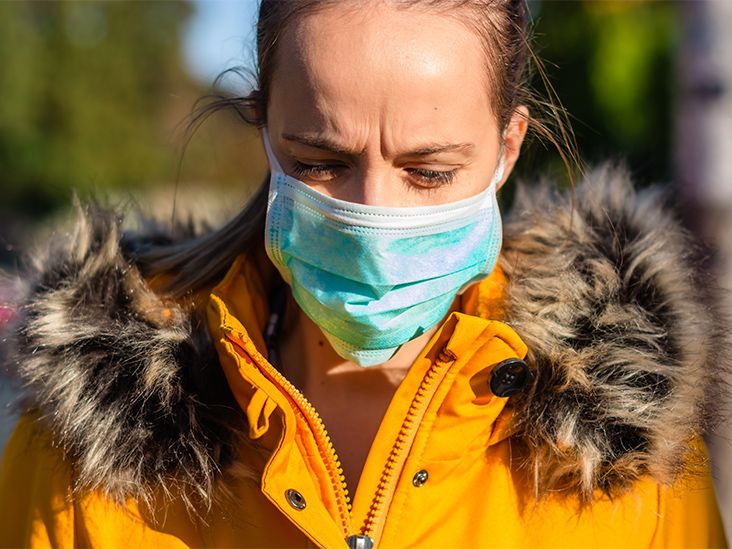
Masks can help reduce exposure, especially in crowded indoor spaces, health care settings, public transportation, or around people at higher risk. A well-fitting respirator, such as an N95 or similar high-filtration mask, generally offers better protection than a loose cloth covering. The best mask is one that fits well and is worn correctly.
COVID-19 Treatment: Why Timing Matters
Most people with mild COVID-19 recover with rest, fluids, fever management, and monitoring. However, people at higher risk may benefit from antiviral treatment. Several antiviral medications are authorized or approved for mild to moderate COVID-19 in people more likely to become seriously ill. These treatments work best when started early, often within the first few days of symptoms.
If you are older, immunocompromised, pregnant, or have medical conditions that raise your risk, contact a health care professional quickly after symptoms start or after a positive test. Do not wait until symptoms become severe to ask about treatment. Antivirals are not “magic beans,” but when used appropriately, they can lower the risk of severe outcomes.
Long COVID: When Symptoms Do Not Leave on Schedule
Long COVID, also called Post-COVID Conditions, refers to symptoms or health problems that continue or appear after the initial infection. These symptoms can last weeks, months, or longer. They may include fatigue, brain fog, shortness of breath, chest discomfort, sleep problems, dizziness, digestive issues, changes in smell or taste, headaches, mood changes, and exercise intolerance.
Long COVID can happen after mild or severe infection, and it can affect daily life, work, school, and relationships. Some people feel frustrated because their tests are normal while their body clearly did not get the memo that recovery was supposed to be finished. If symptoms persist, a health care professional can help evaluate possible causes, manage symptoms, and rule out other conditions.
COVID-19 Variants: Why the Virus Keeps Changing
Viruses change as they replicate, and SARS-CoV-2 is no exception. Variants may spread differently or partially escape existing immunity, which is why vaccine formulas and public health guidance may be updated. A new variant does not automatically mean disaster. Scientists look at whether it spreads faster, causes more severe disease, affects tests, or reduces vaccine and treatment effectiveness.
The practical takeaway is steady rather than dramatic: keep an eye on reliable guidance, stay current with recommended vaccines, test when needed, and use extra precautions during surges or around vulnerable people.
COVID-19 at Home: Care Tips That Make Sense
For mild illness, home care usually includes rest, fluids, and over-the-counter medicines for fever or aches when safe for the person taking them. People should follow medication labels and avoid giving aspirin to children or combining medicines without checking ingredients. A thermometer, home tests, tissues, masks, and a plan for food and medicines can make illness less chaotic.
People recovering at home should monitor symptoms. If breathing becomes difficult, fever persists, dehydration develops, confusion appears, or symptoms worsen significantly, medical care is needed. For high-risk individuals, early contact with a clinician is important even if symptoms seem manageable.
Myths and Misunderstandings About COVID-19
Myth: “If I had COVID before, I cannot get it again.”
Previous infection can provide some immune protection, but reinfections happen. Immunity changes over time, and variants can partially bypass prior protection.
Myth: “A negative home test always means I am clear.”
A negative antigen test is helpful, but it is not perfect. Testing too early or having a low amount of virus can produce a negative result. Repeating the test can improve accuracy.
Myth: “COVID is only a problem for older people.”
Older adults face the highest risk of severe disease, but younger people can still get very sick, spread the virus, miss work or school, or develop Long COVID.
of Real-Life Experience: Living Smarter With COVID-19
One of the biggest lessons from the COVID-19 era is that health decisions are rarely made in perfect conditions. People make choices while balancing work, family, money, school, travel, and the awkward social pressure of being the only person at a gathering who says, “Maybe we should open a window.” Real life is messy. COVID-19 planning has to be practical, not theatrical.
For example, imagine a parent waking up with a scratchy throat on the morning of a family birthday party. In the old days, they might have shrugged and said, “It is probably allergies,” then hugged twelve relatives and personally introduced the virus to the dessert table. A better modern approach is simple: test, stay alert to symptoms, improve ventilation, wear a mask if needed, and avoid close contact with high-risk family members until the picture is clearer. That is not panic. That is being considerate with better tools.
Workplaces have learned similar lessons. Before COVID-19, many office cultures treated coming to work sick as a badge of honor. Now, more people understand that dragging yourself into a meeting while coughing is not heroic; it is a group project nobody requested. Flexible sick policies, remote work when possible, and cleaner indoor air can reduce spread without shutting down normal life.
Schools and families have also become more familiar with testing and symptom monitoring. A child with mild congestion may not need emergency care, but parents can still make thoughtful decisions: check for fever, consider testing, keep the child home if symptoms are worsening, and protect grandparents or immunocompromised relatives. The goal is not to make every sneeze a federal investigation. The goal is to notice patterns and act early.
Travel offers another useful example. Airports, buses, trains, and crowded indoor attractions can increase exposure. A traveler who packs a few masks and tests is not being dramatic. They are being the person who remembers snacks, chargers, and basic biology. If symptoms appear during a trip, testing and avoiding close contact can prevent one vacation from becoming a souvenir outbreak.
Perhaps the most personal experience related to COVID-19 is learning how differently people respond to the same infection. One person may bounce back in three days. Another may feel exhausted for weeks. Someone else may develop brain fog or breathing problems that disrupt daily life. That variation is why empathy matters. Dismissing someone’s symptoms because your own case was mild is like saying umbrellas are useless because you personally did not get rained on.
The smartest long-term mindset is flexible caution. Use stronger precautions when risk is higher: during surges, before visiting vulnerable people, after exposure, or when symptoms appear. Relax when risk is lower. COVID-19 does not require constant fear, but it does reward common sense. In a world full of invisible germs, practical habits are quiet superheroes.
Conclusion
COVID-19 remains an important respiratory illness, but people are no longer facing it empty-handed. Understanding how the virus spreads, recognizing symptoms, testing wisely, staying current with vaccination guidance, improving indoor air, and seeking early treatment when at high risk can make a major difference.
The best COVID-19 strategy is not panic and not denial. It is informed action. Stay home when sick, test when it matters, protect vulnerable people, and treat reliable health guidance like a flashlight in a dark room. You do not need to know every variant nickname or memorize every medical term. You just need a clear plan, a little flexibility, and enough common sense to avoid turning a cough into a community newsletter.