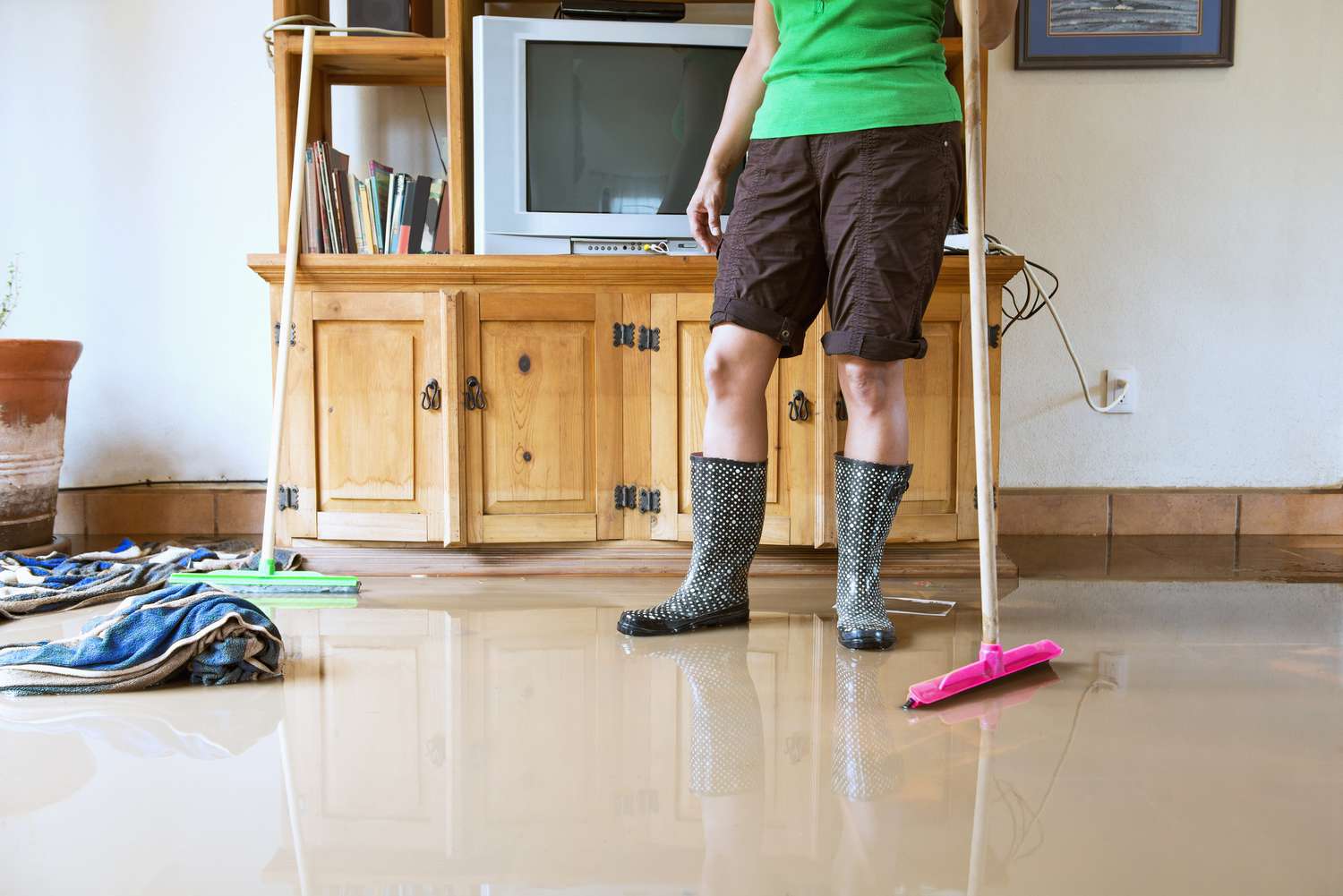
If insurance had a favorite phrase, it might be this: “Please do not let the problem get worse.” That, in plain English, is the heart of mitigation in insurance. When a covered loss happens, mitigation means taking reasonable steps to reduce further damage, control costs, and protect people and property from the kind of chaos that turns a bad day into a spectacularly expensive week.
In real life, that could mean tarping a storm-damaged roof, boarding up a broken window, shutting off the water after a pipe bursts, or moving undamaged belongings out of harm’s way. It does not usually mean launching a full renovation before the adjuster sees the loss. Insurance companies generally expect temporary, sensible action, not a dramatic home-improvement reboot fueled by stress and hardware-store adrenaline.
This matters because mitigation sits right at the intersection of common sense and claim success. If you do nothing and the damage spreads, the insurer may argue that part of the loss could have been avoided. On the other hand, if you act reasonably, document everything, and keep receipts, many policies may reimburse emergency protection costs when the underlying loss is covered.
So, what exactly is mitigation in insurance, how does it work, and why does it show up in homeowners, auto, renters, and even injury claims? Let’s break it down without turning this into a policy-language hostage situation.
What mitigation means in insurance
Mitigation in insurance refers to actions taken to reduce or prevent additional loss after an incident. In the claims world, it usually means the policyholder has a duty to act reasonably after damage occurs. The goal is simple: stop the loss from growing larger than it needs to be.
Think of it this way. Insurance is there to help pay for covered damage, but it is not designed to reward inaction. If a kitchen pipe bursts and you leave town for two days without turning off the water, the original leak is one problem. The warped floors, soaked drywall, mold growth, and ruined cabinets that followed may become a second conversation nobody enjoys.
Mitigation is often described as a duty to mitigate damages, especially in legal and liability contexts. That duty does not mean you must put yourself in danger, perform expert-level repairs, or spend money recklessly. It means you should act like a reasonably careful person would under similar circumstances.
Why mitigation matters to your insurance claim
Mitigation matters because claims are about both what happened and what happened next. Insurance companies look at the original cause of loss, the policy language, the extent of damage, and whether the policyholder took reasonable steps to protect the property afterward.
1. It can affect how much gets paid
If your insurer believes some of the damage happened because you failed to protect the property after the event, that portion of the loss may be disputed. The issue is not just whether the event was covered. It is whether the additional damage was avoidable.
2. It can speed up the recovery process
Quick mitigation often prevents a manageable claim from becoming a full-blown disaster. A tarp may stop interior water damage. A board-up may prevent theft after a break-in. A fast water extraction can reduce the risk of more extensive structural damage and contamination. Small actions can save major money.
3. It helps create a cleaner claim record
When you take photos, preserve damaged items when safe, save receipts, and separate temporary repairs from permanent work, your claim becomes easier to understand. Adjusters love clarity almost as much as homeowners love dry ceilings.
Common examples of mitigation in insurance
Homeowners insurance
This is where mitigation shows up most often. Common examples include:
- Tarping a roof after wind or hail damage
- Boarding up broken windows after a storm or burglary
- Shutting off water and arranging emergency drying after a pipe leak
- Removing standing water if it is safe to do so
- Moving furniture, electronics, or clothing away from wet areas
- Hiring emergency services to stabilize the property
In many property claims, insurers distinguish between temporary emergency repairs and permanent repairs. Temporary measures are usually encouraged to stop further loss. Permanent repairs should often wait until the damage is documented and the insurer has had a chance to assess the claim.
Renters insurance
Renters may need to protect personal belongings, document damaged items, and keep receipts if they must stay elsewhere after a covered loss. If the unit is unlivable, additional living expenses, also called loss of use, may help with covered extra costs like temporary lodging and certain meal expenses above normal living costs, depending on the policy.
Auto insurance
Mitigation can also apply to car insurance. After an accident, you may need to move the vehicle out of traffic if it is safe, prevent additional damage, and arrange prompt repairs or storage decisions. In some legal contexts, mitigation also applies to related costs, such as not letting avoidable rental-car expenses drag on forever.
Personal injury and liability claims
Here, mitigation usually means the injured person must take reasonable steps to avoid making the injury worse. That can include seeking medical care, following treatment advice in a reasonable way, and not allowing avoidable losses to pile up. The rule is not perfection. It is reasonableness.
Mitigation vs. maintenance: not the same thing
This is where people get tripped up. Mitigation is not the same as routine maintenance. Insurance generally covers sudden and accidental covered losses, not damage caused by long-term neglect.
If your roof has been failing quietly for years and you ignored obvious warning signs, that is a maintenance problem. If a severe storm rips shingles off yesterday and you put up a tarp today to stop rain from pouring into the attic, that is mitigation. One is about preventing predictable deterioration over time. The other is about responding reasonably after a covered event.
That distinction can change the entire claim. In plain terms: insurance is more interested in helping with a sudden problem than paying for a slow-motion shrug.
What to do right after a loss
If you are dealing with property damage, follow this order of operations:
1. Put safety first
Do not walk into a dangerous structure, touch downed power lines, use electrical systems around standing water, or try DIY heroics around gas leaks, structural collapse, or contaminated floodwater. Reasonable mitigation never requires reckless behavior.
2. Stop the damage from spreading
Turn off the water, cover openings, secure doors, or call a professional for emergency help. Focus on stabilization, not beautification. This is triage, not a design show.
3. Document everything
Take photos and video before you move things if possible. Create a list of damaged items. Save samples or damaged materials when practical and safe. If you must discard something for health or safety reasons, photograph it first.
4. Notify your insurer promptly
Most policies require timely notice of a claim. Report the loss as soon as you reasonably can and ask what emergency steps are recommended under your policy.
5. Save every receipt
Keep receipts for tarps, plywood, cleanup supplies, hotel stays, emergency contractors, storage, and other out-of-pocket costs related to protecting the property or temporary living arrangements. Paper trails are not glamorous, but they are powerful.
6. Wait on major permanent repairs
Unless your insurer tells you otherwise, avoid major permanent reconstruction before the damage is inspected and coverage is discussed. Emergency stabilization is one thing. Rebuilding the whole den because you were already “thinking about opening up the space” is another.
Will insurance pay for mitigation costs?
Often, reasonable emergency mitigation expenses may be reimbursed if the underlying loss is covered and the policy terms allow it. This can include costs for temporary roof covering, board-up services, water removal, or other steps taken to protect the property from further covered damage.
But there are important limits:
- The cost usually has to be reasonable and necessary
- The underlying claim typically has to involve a covered peril
- You generally need documentation and receipts
- Large or permanent repairs may need insurer review first
Policy language and state law control the final answer, so never assume reimbursement without checking your coverage. A $40 tarp is easier to explain than a luxury-grade “temporary” roof solution that somehow looks suspiciously permanent.
Additional living expenses and mitigation
Mitigation and additional living expenses (ALE) often travel together. If a covered loss makes your home unlivable, many homeowners policies may help with extra costs above your normal living expenses while repairs are underway. That can include hotel stays, temporary rent, and some meal costs if you cannot use your kitchen.
The key word is additional. Insurance generally does not pay every living expense you have. It pays the difference between your usual costs and the extra costs created by the covered loss, subject to policy limits and time restrictions.
That is why receipts matter so much. If your home is uninhabitable and you are paying for a hotel, storage, laundry, transportation changes, or meals out, organized records can make reimbursement much smoother.
What can go wrong if you fail to mitigate?
Failing to mitigate can create three big problems.
Claim reduction
An insurer may argue that some of the later damage happened because you did not take reasonable steps soon enough.
Coverage disputes
The insurer may still cover the original damage but dispute the expanded loss. For example, the initial roof opening may be covered, while later interior damage becomes a debate if no temporary protection was attempted.
Longer recovery and more stress
Even when coverage exists, delay makes cleanup harder, paperwork messier, and recovery more expensive. Water spreads. Mold does not wait politely. Theft loves an unsecured opening. Time is not always your property’s best friend.
Mitigation before a loss: the other meaning
Insurance professionals also use the word mitigation in a broader, pre-loss sense. In that context, it means reducing future risk before anything bad happens. Think home hardening, wildfire defensible space, roof upgrades, storm shutters, plumbing improvements, or other resilience measures.
Some states and insurers recognize these steps through eligibility rules, grants, or premium discounts. This broader use of “mitigation” is less about handling a current claim and more about lowering the chance or severity of future claims. In other words, it is mitigation before your ceiling starts auditioning as a waterfall.
Both meanings matter. One helps you respond after a loss. The other may help you avoid a larger loss in the first place.
Best practices for policyholders
- Read your policy before you need it
- Know your deductible, exclusions, and any conditions about emergency repairs
- Keep a home inventory and update it regularly
- Take photos of your property before disaster strikes
- Have emergency contacts for your insurer, utility companies, and reputable contractors
- After a loss, separate temporary mitigation from permanent rebuilding
- Keep receipts, notes, and claim communications in one folder
Final takeaway
So, what is mitigation in insurance? It is the duty, and smart habit, of taking reasonable steps to reduce further damage after a loss. In practical terms, mitigation protects your property, strengthens your claim, and may help preserve reimbursement for emergency costs when the loss is covered.
The concept sounds technical, but the logic is everyday simple: when something goes wrong, do not let it snowball. Protect the property, protect yourself, document the damage, notify the insurer, and keep records like your future reimbursement depends on them, because sometimes it absolutely does.
Insurance may help you recover from the unexpected. Mitigation is how you help that recovery make sense.
Real-World Experiences: What Mitigation Looks Like in Practice
Ask almost anyone who has gone through a major home insurance claim, and they will tell you the same thing: the first few hours feel blurry. One homeowner hears a loud crack during a storm, finds shingles in the yard, and then notices water dripping through a light fixture. In that moment, mitigation is not a fancy insurance term. It is grabbing buckets, shutting off power to the affected area, calling for emergency tarping, and photographing the ceiling before it caves in. People who move quickly in those first hours often say the same thing afterward: they did not stop the storm, but they stopped the damage from multiplying.
Water losses create some of the clearest examples. A family comes home to a burst supply line under the sink. The cabinet is soaked, the flooring is swelling, and water is creeping into the next room like it pays rent. The strongest claims usually come from homeowners who shut off the water immediately, remove what they safely can, start drying the area, call the insurer, and keep receipts from the plumber and mitigation company. The rougher experiences often come from delay. Someone assumes it can wait until morning, and by morning the loss has expanded into drywall replacement, warped trim, insulation damage, and an argument about mold. Insurance claims can get bigger overnight, and not in a fun, winning-the-jackpot way.
There is also a human side to mitigation that people rarely talk about. After a fire or severe storm, policyholders are tired, emotional, and vulnerable to bad decisions. That is exactly when fast-talking contractors tend to appear, armed with promises, pressure, and paperwork that somehow needs signing “right now.” People who have been through this often say one of their best decisions was slowing down just enough to document damage, call their carrier, and avoid authorizing major permanent work too early. Mitigation is urgent, but panic is expensive.
Renters have their own version of the same experience. A ceiling leak ruins a mattress, clothing, and electronics. The renter who takes photos, separates damaged from undamaged property, notifies both the landlord and insurer, and saves receipts for temporary lodging is usually in a much better position than the renter who tosses everything out first and tries to reconstruct the story later from memory. Claims are easier when the facts are visible.
Even in injury-related claims, the pattern repeats. People with the strongest outcomes are often the ones who seek reasonable treatment, follow up, keep records, and avoid letting small injuries become much larger ones through delay. Mitigation is not about being perfect or fearless. It is about being reasonably careful in the middle of disruption.
That is the real lesson from lived experience: mitigation is not just a claim rule. It is a recovery strategy. The policy may provide the financial protection, but your response in the first day or two often shapes how difficult, expensive, and frustrating the rest of the process becomes. In insurance, a little fast thinking can save a lot of slow suffering.