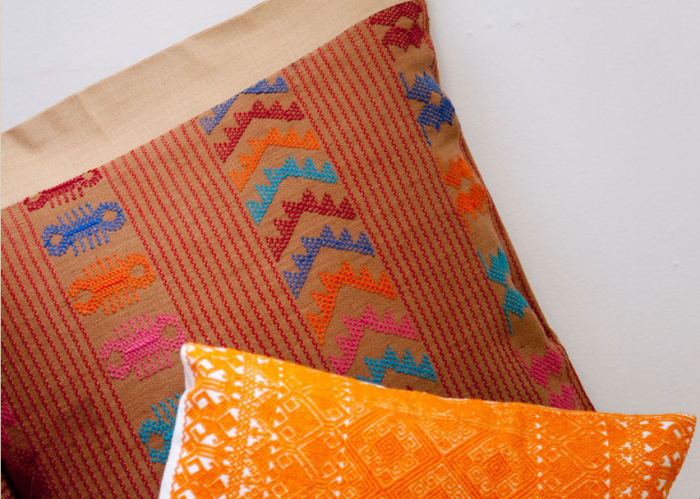
Handmade textiles from Mexico are not just pretty fabrics you toss over a sofa when guests are coming. They are living archives. A handwoven huipil can tell you where a maker comes from. A rebozo can carry a baby, warm shoulders, dress up an outfit, and quietly steal the show in a room full of mass-produced scarves. A Zapotec rug from Oaxaca can turn wool, plants, insects, minerals, and family knowledge into something that looks like it has been negotiating with the sun for centuries.
Mexico’s textile traditions are wonderfully diverse because Mexico itself is diverse. Mountains, deserts, coastal villages, highland towns, Indigenous languages, local ceremonies, and family workshops all shape what gets woven, embroidered, dyed, and worn. From Oaxaca and Chiapas to Puebla, Hidalgo, Michoacán, and beyond, handmade Mexican textiles carry regional identity, practical design, and serious artistic skill. They also remind us of a simple truth: fabric can be functional and fabulous at the same time. Honestly, your plain towel could never.
This guide explores the history, techniques, regional styles, cultural meaning, buying tips, care advice, and real-life experience of enjoying handmade textiles from Mexico in a thoughtful, respectful way.
What Are Handmade Textiles from Mexico?
Handmade textiles from Mexico are fabrics, garments, accessories, and home goods created using traditional or artisan methods such as hand weaving, embroidery, natural dyeing, brocade, ikat-style resist dyeing, and hand-knotting. They may be made on backstrap looms, pedal looms, floor looms, or stitched by hand with region-specific motifs.
Common examples include huipiles, rebozos, sarapes, Oaxacan rugs, embroidered blouses, table runners, pillow covers, napkins, shawls, belts, wall hangings, and ceremonial garments. Some pieces are made for daily use. Others are made for weddings, religious festivals, dances, community celebrations, or collectors who understand that “handmade” means time, skill, and human patiencenot a warehouse robot having a productive Tuesday.
Why Mexican Textiles Feel So Distinctive
The beauty of Mexican handwoven textiles comes from their combination of material, place, and meaning. A design may reflect local plants, animals, mountains, rain, corn, stars, serpents, birds, or spiritual beliefs. In some communities, color, pattern, and garment shape can communicate identity, marital status, origin, or ceremonial purpose.
Unlike generic decorative fabrics, traditional Mexican textiles often have a “you are here” quality. They are connected to a town, family, language, technique, or seasonal rhythm. That is why two embroidered blouses may both look colorful at first glance, yet come from completely different cultural worlds.
A Short History of Mexican Textile Traditions
Textile making in Mexico has deep Indigenous roots. Long before industrial fabric, communities across Mesoamerica spun fibers, dyed threads, wove cloth, and decorated garments with symbols that carried social and spiritual meaning. Cotton, agave fibers, feathers, and natural dyes were important materials in pre-Hispanic textile culture.
After Spanish colonization, new materials and tools entered the textile world, including wool, silk, sheep-based yarn production, and the treadle loom. These did not simply replace Indigenous techniques. Instead, many communities adapted them, creating hybrid traditions. The result is a textile landscape where ancient backstrap loom weaving can exist alongside colonial-era pedal loom practices, contemporary design studios, and modern artisan cooperatives.
That blend is one reason handmade textiles from Mexico feel so layered. A single piece may carry Indigenous symbolism, colonial-era technique, local family innovation, and modern market adaptation. It is history you can wear, use, frame, or carefully keep away from spaghetti sauce.
Important Types of Handmade Mexican Textiles
Huipil: The Story-Wearing Garment
The huipil is one of the most recognized traditional garments in Mexico and Central America. It is usually a loose-fitting tunic or blouse, often made from rectangular panels of cloth. In many communities, the panels are woven on a backstrap loom and then joined together. Huipiles may be simple and elegant or richly covered with brocade, embroidery, animals, flowers, geometric shapes, and symbolic designs.
In Oaxaca, Chiapas, Puebla, and other regions, the huipil can be a powerful marker of identity. A formal huipil may take months to complete, depending on the fineness of the thread, complexity of design, and technique used. Some are worn for everyday life, while others are reserved for festivals, weddings, dances, or religious occasions.
Rebozo: The Shawl with a Thousand Jobs
The rebozo is a long rectangular shawl traditionally worn by women in Mexico. It may be used as a wrap, scarf, baby carrier, sun cover, ceremonial garment, or elegant accessory. The ends often feature hand-knotted fringe called rapacejo, which can be impressively intricate. If fringe had a résumé, rebozo fringe would be applying for director-level roles.
Some rebozos are woven using jaspe, a Mexican form of ikat-style resist dyeing. In this process, sections of thread are tied before dyeing so that patterns appear when the cloth is woven. The technique requires planning, precision, and the kind of calm personality most of us lose after trying to fold a fitted sheet.
Sarape: Bold Stripes and Big Personality
The sarape, sometimes spelled serape, is a colorful woven blanket or shawl associated with Mexican textile heritage. Classic sarapes often feature stripes, bands, and vivid color contrasts. While the commercial market has produced many machine-made versions, handmade sarapes remain valued for their texture, durability, and regional character.
Sarapes work beautifully as blankets, wall décor, bed throws, or statement pieces in rustic, bohemian, Southwestern, and eclectic interiors. They bring warmth and movement to a space without whispering. Sarapes are more of a “good morning, the room has arrived” textile.
Oaxacan Rugs: Zapotec Weaving at Home
Oaxacan rugs, especially those associated with Zapotec weaving communities such as Teotitlán del Valle, are among the most admired handmade textiles from Mexico. Traditionally woven with wool on pedal looms, these rugs often feature geometric patterns, diamonds, stepped motifs, animals, and designs inspired by archaeological, natural, or community symbolism.
Many artisans use natural dyes made from sources such as cochineal insects, indigo, marigold, walnut, pomegranate, moss, or other local materials. Natural dye work is not as simple as “boil leaf, get magic.” Water quality, mordants, season, fiber type, and experience all affect the final color. The best pieces show depth and variation that synthetic flat color often struggles to imitate.
Otomi Embroidery: Joy in Thread Form
Otomi embroidery, often associated with communities in Hidalgo, is known for lively designs featuring animals, birds, flowers, and imaginative figures. These embroidered textiles are commonly seen on table runners, wall hangings, pillow covers, bedspreads, and garments.
The designs can feel playful, but the craftsmanship is serious. Dense hand stitching creates bold outlines and filled shapes that look cheerful from across the room and even more impressive up close. Otomi textiles are especially popular in interior design because they add color, storytelling, and handcrafted detail without needing a complicated explanation. They simply walk into a room and become interesting.
Traditional Techniques Behind Mexican Handmade Textiles
Backstrap Loom Weaving
The backstrap loom is one of the most important tools in Mexican textile history. One end of the loom is anchored to a fixed object, while the other is attached to a strap around the weaver’s body. By leaning forward or backward, the weaver controls tension. It is simple in structure but incredibly sophisticated in use.
Backstrap weaving is often used to create narrow panels that can be sewn together into garments such as huipiles, belts, wraps, and ceremonial pieces. Because the weaver’s body is part of the loom system, the process is intimate, physical, and highly skilled. Every movement affects the cloth.
Pedal Loom Weaving
Pedal looms, also called treadle looms, became more common after Spanish influence introduced new weaving technologies. These looms are often used for wider fabrics, rugs, blankets, and wool textiles. In Oaxaca, pedal loom weaving is central to many Zapotec rug-making traditions.
Pedal looms allow artisans to create durable textiles with complex repeating patterns. They are especially useful for pieces that need strength and scale, such as rugs and large throws.
Natural Dyeing
Natural dyeing is one of the most fascinating parts of handmade Mexican textiles. Cochineal, a tiny insect that lives on prickly pear cactus, produces rich reds, pinks, and purples. Indigo creates blues. Plants, bark, flowers, minerals, and even sea-snail dye in specific coastal traditions can create remarkable colors.
Natural dyeing requires knowledge passed down through generations. The same dye source can produce different tones depending on the recipe, climate, water, fiber, and timing. That variation is not a flaw. It is part of the beauty. Handmade color has a pulse.
Embroidery and Brocade
Embroidery adds designs after the cloth is created, while brocade creates decorative patterns during the weaving process. Both techniques are common in Mexican textile traditions. Embroidery may show flowers, birds, deer, corn, vines, stars, saints, eagles, or abstract symbols. Brocade can add raised patterns and complex imagery directly into the fabric structure.
These techniques transform cloth from material into message. They also require time. If a handmade blouse costs more than a fast-fashion top, there is a reason: the artisan did not ask a machine to “print something floral and call it heritage.”
Regional Styles Worth Knowing
Oaxaca
Oaxaca is one of Mexico’s most celebrated textile regions. It is home to Zapotec wool rugs, Mixtec textile traditions, embroidered huipiles, coastal cotton weaving, and vibrant festival garments. Communities such as Teotitlán del Valle, Santo Tomás Jalieza, San Bartolo Yautepec, and San Pedro Amuzgos are known for distinctive textile work.
Oaxacan textiles often feature strong geometric design, natural dyes, symbolic patterns, and exceptional weaving skill. The state’s textile diversity reflects its many Indigenous communities and languages.
Chiapas
Chiapas is known for Maya textile traditions, including backstrap loom weaving and richly embroidered garments. Towns such as Zinacantán and San Juan Chamula have distinctive clothing styles that can include bold floral embroidery, wool garments, and ceremonial textiles.
Chiapas textiles are often deeply tied to identity and community life. Color choices and motifs may vary from village to village, making local knowledge essential for understanding the full meaning of a piece.
Hidalgo
Hidalgo is strongly associated with Otomi embroidery, especially the lively Tenango style. These textiles often include animals, plants, and imaginative figures arranged in rhythmic compositions. They are popular in home décor, but they also carry cultural significance rooted in local visual traditions.
Michoacán, Puebla, and Beyond
Michoacán offers embroidered blouses, rebozos, and regional dress traditions. Puebla is known for embroidered garments and textile artistry connected to local identity. Many other Mexican states have their own weaving and embroidery practices, proving that “Mexican textile” is not one style but a whole universe of cloth.
How to Identify Quality Handmade Textiles from Mexico
Quality handmade textiles usually reveal themselves through material, finish, pattern alignment, texture, and construction. Look closely at the edges, seams, knots, fringe, and back side of embroidery. Handwork often has small variations, but those variations should feel intentional and skilled rather than sloppy.
Signs of Authentic Craftsmanship
A handmade textile may show slight irregularities in thread tension, color tone, or stitch placement. These are normal and often desirable. Natural dyes may have depth and subtle variation. Hand-knotted fringe may be more complex than machine fringe. Embroidery may have a rhythm that feels alive rather than mechanically perfect.
Ask about the maker, region, materials, technique, and time required. Ethical sellers should be able to provide meaningful information. If a shop describes everything vaguely as “tribal,” “Aztec-inspired,” or “boho Mexico vibes,” proceed with caution and perhaps a raised eyebrow.
Price as a Clue
Handmade textiles take time. A woven rug, embroidered blouse, or hand-knotted rebozo may represent days, weeks, or months of labor. Extremely low prices can signal machine production, poor compensation, or imitation. A fair price supports the artisan and helps keep traditions viable for future generations.
Ethical Buying: Respect Matters
Buying handmade textiles from Mexico should be about more than decorating a home or building a wardrobe. It should support artisans, protect cultural knowledge, and respect community ownership of designs. Many Indigenous textile patterns are not random decorations. They may belong to specific communities, histories, or ceremonial contexts.
Choose sellers who credit the artisan or cooperative, name the region, explain the technique, and pay fair prices. Avoid knockoffs that copy Indigenous designs without permission or compensation. Cultural appreciation means learning, crediting, and supporting. Cultural appropriation means taking, flattening, and profiting while pretending the design fell from the sky into a mood board.
How to Decorate with Handmade Mexican Textiles
Handmade Mexican textiles can add warmth, color, and texture to many interior styles. A Zapotec rug can anchor a living room. An Otomi wall hanging can brighten a hallway. A rebozo can become a table runner, bed accent, or framed textile. Embroidered pillow covers can add personality to neutral furniture.
Keep the Textile as the Star
If a textile has bold color or pattern, give it breathing room. Pair it with natural wood, clay, leather, linen, simple ceramics, or neutral walls. This allows the handmade piece to shine without turning the room into a visual mariachi band in a blender.
Mix Old and New Carefully
Mexican artisan textiles work beautifully with modern interiors when used intentionally. A single handwoven rug under a clean-lined coffee table can look sophisticated. An embroidered runner on a minimalist dining table can feel warm and personal. The key is balance.
How to Care for Handmade Textiles from Mexico
Care depends on fiber, dye, age, and construction. When in doubt, treat handmade textiles gently. Avoid harsh detergents, bleach, hot water, and aggressive machine washing. For wool rugs, shake them out regularly, vacuum carefully without a beater bar, and spot clean with mild methods. For delicate garments and embroidered pieces, hand washing in cold water or professional cleaning may be safest.
Keep textiles out of prolonged direct sunlight to prevent fading. Store special pieces clean, dry, and folded with acid-free tissue if possible. Avoid plastic storage that traps moisture. Handmade textiles are sturdy, but they are not indestructible. They deserve better than being shoved into a damp closet next to mystery holiday decorations.
Why Handmade Textiles from Mexico Still Matter Today
In a world full of disposable décor and fast fashion, handmade textiles from Mexico offer something slower, smarter, and more human. They preserve Indigenous knowledge, support local economies, reduce dependence on mass production, and keep traditional skills alive. They also challenge the idea that beauty should be cheap, instant, and anonymous.
Each textile carries labor, memory, and place. When you buy a handmade piece responsibly, you are not just buying fabric. You are helping sustain a chain of knowledge that may include farmers, shepherds, spinners, dyers, weavers, embroiderers, designers, family workshops, and community markets.
Experiences with Handmade Textiles from Mexico
One of the most memorable experiences with handmade textiles from Mexico is the moment you realize they are not flat objects. They have presence. Imagine walking into a small artisan market in Oaxaca. At first, your eyes go straight to the color: deep cochineal red, smoky indigo blue, golden marigold yellow, soft cream wool, and earthy browns that look like they were borrowed from old clay walls after sunset. Then you touch the fabric, and the story changes. A handwoven rug has weight. A cotton huipil has breath. A rebozo has movement, almost like it is waiting for a shoulder, a baby, a dance, or a windy afternoon.
Speaking with artisans, even briefly, can completely change how you see a textile. A pattern that looked “decorative” may turn out to represent mountains, rain, corn, a family memory, or a community symbol. A color may have taken multiple dye baths. A fringe may have been knotted by hand for hours. A blouse may have been worked on between cooking, caring for children, attending ceremonies, and running a household. Suddenly, the piece is no longer just “cute for the guest room.” It becomes a record of time.
Another experience many buyers remember is learning patience. Handmade textiles rarely behave like factory products. Two pillow covers may not be perfectly identical. A naturally dyed rug may shift slightly in tone from one end to another. A hand-embroidered motif may have tiny variations. At first, people used to machine precision may think, “Is this a defect?” Then they discover that the variation is the proof of the hand. It is the textile equivalent of a fingerprint.
Using handmade Mexican textiles at home can also create daily pleasure. A Zapotec rug in an entryway makes coming home feel warmer. An Otomi runner on a dining table can turn Tuesday soup into a minor celebration. A rebozo folded over a chair brings softness and color without trying too hard. These pieces do not need to shout. They simply keep reminding you that your home can contain objects with depth, not just items that arrived in a cardboard box after a two-day shipping sprint.
The best experience, however, is learning to buy with respect. Once you understand the labor behind handmade textiles from Mexico, bargain-hunting feels different. You start asking better questions: Who made this? Where is it from? What technique was used? Was the artisan paid fairly? Can I care for it properly? That shift turns shopping into appreciation. It helps protect both the maker and the meaning of the work. And yes, the textile will still look gorgeous on your wall. Respect and beauty are allowed to be roommates.
Conclusion
Handmade textiles from Mexico are beautiful because they are more than beautiful. They are woven with history, community identity, technical mastery, natural materials, and creative imagination. From huipiles and rebozos to Zapotec rugs and Otomi embroidery, these textiles show how cloth can carry culture across generations.
Whether you are collecting, decorating, wearing, gifting, or simply learning, approach Mexican handmade textiles with curiosity and respect. Choose authentic pieces, support fair trade and artisan-led businesses, care for your textiles gently, and remember that every thread has traveled farther than it looks. In a world of quick trends, handmade Mexican textiles invite us to slow down, look closer, and appreciate the human hands behind the pattern.
Note: This article is based on synthesized information from reputable museum, academic, cultural, design, and textile-focused resources in the United States, with no direct source links included as requested.