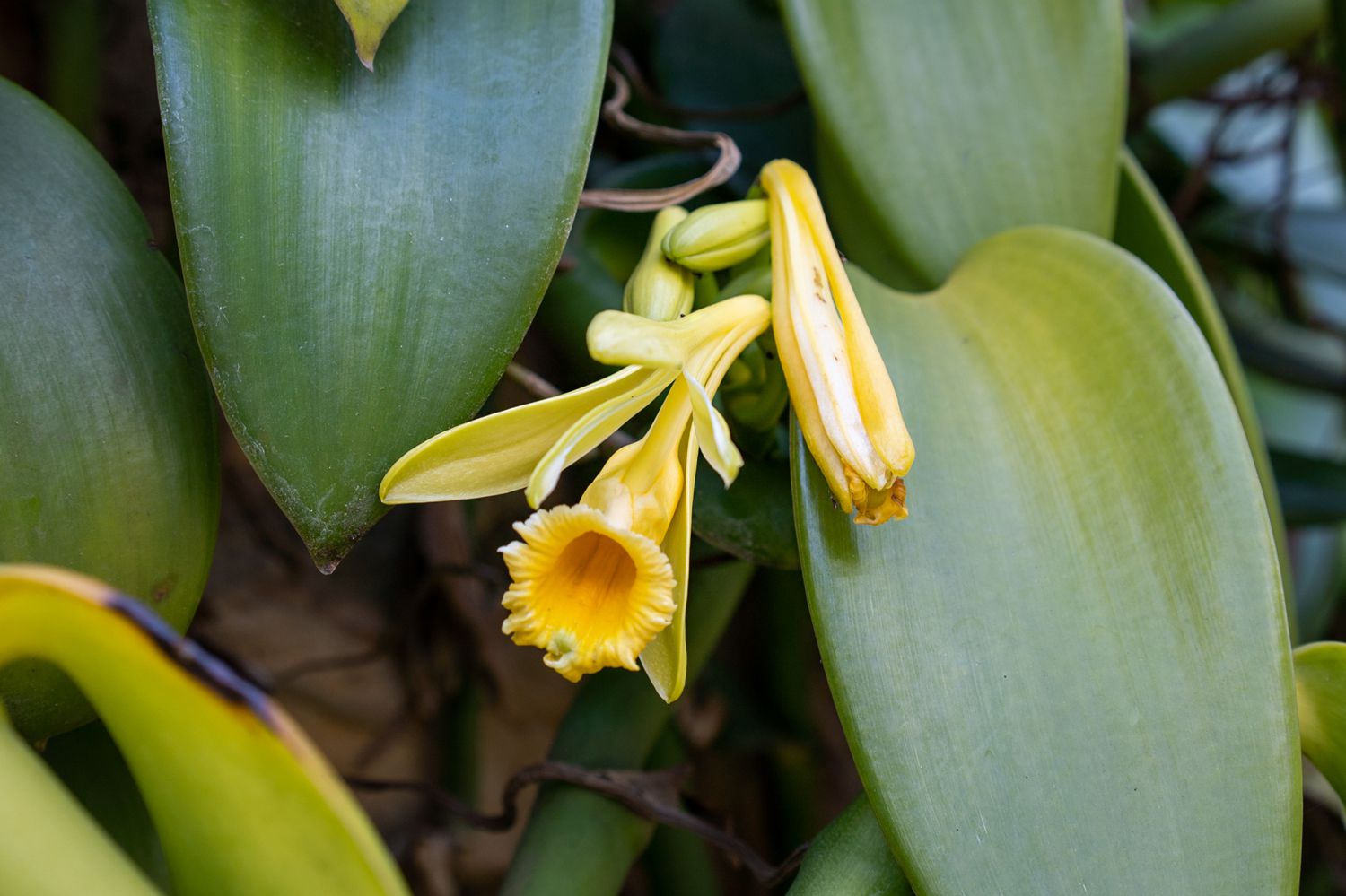
If you have ever looked at a bottle of vanilla extract and thought, “Surely that came from something simple, like a cute little shrub,” I have news for you. Vanilla comes from an orchid. Not just any orchid, either, but a vining, tropical, slightly dramatic orchid that climbs, sprawls, clings, and occasionally behaves like it is auditioning for the role of “houseplant with main-character energy.” Meet the vanilla bean orchid, usually Vanilla planifolia.
Growing a vanilla bean orchid is not impossible, but it is not exactly a starter project for someone who forgets to water their plants until the leaves begin writing goodbye letters. This orchid wants warmth, humidity, bright filtered light, an airy root zone, and a sturdy support to climb. In return, it offers glossy green vines, surprisingly elegant flowers, and, with patience and hand-pollination, the chance to produce real vanilla beans at home.
The good news is that once you understand what this plant wants, its care becomes much less mysterious. The trick is to stop thinking of it like a regular potted houseplant and start treating it like what it is: a tropical climbing orchid that likes to stretch out, grab hold, and live in a warm, humid world. Here is how to help your vanilla bean orchid thrive.
What Is a Vanilla Bean Orchid?
The vanilla bean orchid is a tropical, semi-epiphytic orchid vine. “Semi-epiphytic” is a fancy way of saying it can root in the ground or in potting mix while also sending aerial roots onto a support, such as a trellis, pole, or tree. In nature, it climbs upward through warm forests. In cultivation, it can be trained onto a moss pole, wooden post, arbor, or greenhouse support.
This is the plant that produces the long seedpods commonly called vanilla beans. Those pods do not appear quickly. Vanilla orchids usually need to reach a good size and maturity before flowering, and even then, producing beans requires pollination at the right time. So yes, this is the kind of plant that teaches patience. If your usual gardening style is “instant gratification with a side of impatience,” vanilla may humble you in the most educational way possible.
Best Growing Conditions for Vanilla Bean Orchid
Light: Bright but Filtered
Vanilla bean orchids like bright, indirect light or bright dappled shade. Think “tropical understory glow,” not “desert parking lot at noon.” Too little light leads to weak growth and poor flowering. Too much direct sun can scorch leaves, especially indoors behind hot glass or outdoors in harsh afternoon sun.
A good indoor location is near an east-facing window or a bright south- or west-facing window softened by a sheer curtain. In a greenhouse, use filtered light. Outdoors in frost-free climates, vanilla grows best where it gets bright shade or gentle morning sun followed by protection from the harshest part of the day.
If the vine is stretching with long gaps between leaves and looks pale or floppy, it probably needs more light. If leaves are yellowing or showing scorched patches, back off the direct sun a bit. Vanilla has opinions, and the leaves are not shy about sharing them.
Temperature: Keep It Warm
This orchid is a tropical plant through and through. It does best in warm conditions, generally with daytime temperatures around the low to mid-80s and nights that stay mild rather than chilly. Frost is a deal-breaker. Even cold stress can set the plant back badly, and freezing temperatures can kill it.
In the United States, vanilla bean orchid is most practical outdoors only in truly frost-free areas. For most gardeners, that means a greenhouse, sunroom, or indoor growing setup. If your winter forecast includes words like “hard freeze,” your vanilla orchid should not be outside making brave choices.
Humidity: Higher Than Your Average Living Room
Vanilla appreciates high humidity and good air circulation at the same time. That pairing matters. Humidity without airflow can encourage disease, while dry air can leave the plant stalled and unhappy. Aim for a comfortably humid environment, especially if you are growing the plant indoors.
A greenhouse makes this easier, but indoor growers can help by using a humidifier, grouping tropical plants together, and avoiding hot, dry blasts from heating or air-conditioning vents. Do not rely on occasional misting alone to solve a dry-room problem. A quick spritz may make you feel productive, but the orchid will not be fooled for long.
Potting Mix and Support: Airy Roots, Strong Climb
Because vanilla is an orchid with climbing habits, the ideal setup is airy, moisture-retentive, and never swampy. Use a loose mix that drains well but still holds some moisture, such as a blend of orchid bark, coarse potting material, composted organic matter, and possibly sphagnum moss or coconut husk in moderation. The exact recipe can vary, but the goal is always the same: roots need moisture and oxygen.
Give the plant something to climb from the start. A wooden stake, trellis, moss pole, or rough support works well. As the vine grows, its aerial roots will attach. The support is not decorative fluff. It is part of the care plan. A vanilla vine with nowhere to climb is like a golden retriever in a studio apartment: technically possible, but somebody is going to be frustrated.
How to Plant a Vanilla Bean Orchid
Choose a container with excellent drainage. Set the plant so the rooted portion is in the potting mix, while the vine is gently tied to its support. Do not bury the whole stem deeply. The plant should feel secure, but not smothered.
After planting, water thoroughly and allow excess moisture to drain away. Keep the medium lightly and consistently moist while the plant establishes. If you are starting from a cutting, give it time to callus properly before planting, then provide warmth, humidity, and steady care while it roots.
Large cuttings often establish and flower faster than small ones, which is why many growers prefer to start with a well-sized plant instead of a tiny cutting that still has years of “character-building” ahead of it.
Watering Vanilla Bean Orchid the Right Way
Watering vanilla is all about balance. The plant likes regular moisture, but it absolutely does not want to sit in soggy media. Water thoroughly, then let the mix approach slight dryness before watering again. Do not let it become bone dry for long periods, especially during active growth.
How often that means in real life depends on light, temperature, humidity, pot size, and potting mix. In warm weather or bright greenhouse conditions, you may water more often. In cooler or darker periods, you will water less. The best habit is to check the mix rather than watering on a rigid schedule.
Watch for these clues:
- Wrinkled or limp leaves: often a sign the plant is too dry, the roots are compromised, or both.
- Yellowing lower leaves plus mushy roots: often a sign of overwatering or poor drainage.
- Healthy vanilla roots: should look firm, active, and ready for business, not brown and collapsing.
Fertilizing for Steady Growth
Vanilla bean orchids respond well to light, regular feeding during active growth. A diluted balanced orchid fertilizer works well for many growers. The key word here is diluted. Heavy feeding can build up salts and stress the roots, especially in containers.
A simple approach is to fertilize weakly on a regular basis during the growing season and ease back when growth slows. Flush the pot with plain water from time to time to prevent fertilizer salts from lingering in the medium. If your tap water is very hard, that can add to buildup, so pay attention to leaf appearance and root health over time.
Training, Pruning, and Repotting
Training the Vine
As the vine lengthens, guide it onto the support using soft plant ties or clips. Do not cinch the ties tightly. The stem needs room to expand, and aerial roots need access to the support. Some growers loop mature vines downward once they are long enough, which may help encourage flowering on established plants.
Pruning
Vanilla can become long and unruly, so selective pruning helps keep it manageable. Remove dead, damaged, or clearly unhealthy growth. If the vine is becoming too large for the space, trim with clean tools. Healthy cuttings can often be used for propagation.
Repotting
Repot when the potting mix breaks down, drainage worsens, or the root zone becomes overcrowded. Use fresh, airy medium and avoid upsizing too dramatically. A giant pot full of wet mix is not a gift to an orchid. It is a trap.
How to Get Flowers and Vanilla Beans
This is the part many growers dream about, and it is also where reality politely clears its throat. Vanilla bean orchids do not flower just because you really, really want them to. They flower when they are mature enough, happy enough, and grown in the right conditions for long enough.
Several things improve your odds:
- Strong growth over multiple seasons
- Warm temperatures year-round
- Bright filtered light
- A mature vine with substantial thickness and length
- A brief drier period in the right season for established plants
When flowers do appear, each one opens for only a short time, usually just one day. That means pollination has to happen promptly, often in the morning. Outside its native pollination system, vanilla is usually hand-pollinated by growers.
Simple Hand-Pollination Basics
Use a clean toothpick or similar narrow tool to gently lift the barrier between the pollen and stigma, then press the pollen into place. This is delicate work, not a wrestling match. If pollination succeeds, the flower will fade and the developing pod will begin to form. Mature pods take many months to ripen, so this is still not the fast lane. Vanilla remains committed to the long game.
Also important: do not overload the vine with more developing pods than it can support well. Healthy plant growth matters more than chasing every possible bean.
Common Problems and How to Fix Them
No Growth or Weak Growth
Usually caused by insufficient light, low temperatures, exhausted potting mix, or inconsistent moisture. Improve light first, then review watering and feeding.
Root Rot
This is one of the fastest ways to lose a vanilla orchid. It usually starts with overly wet media, poor airflow, or a container that drains too slowly. Repot into fresher, airier mix and cut back damaged roots with sterile tools if necessary.
Pests
Like many orchids, vanilla can attract mealybugs, scale, spider mites, and other sap-sucking pests, especially indoors or in stressed conditions. Check leaf joints, undersides, and stems regularly. Early detection matters. Isolate affected plants and treat promptly using an orchid-safe approach.
No Flowers
This is usually not a crisis. It often means the plant is still immature or the conditions are not quite right. More light, better support, stronger overall growth, and patience are the usual answers. Annoyingly, patience continues to be involved.
How to Propagate Vanilla Bean Orchid
Vanilla is most commonly propagated from stem cuttings. Choose a healthy section of vine with several nodes, let fresh cuts dry briefly so they can heal, then plant the rooted or lower portion in an airy medium while attaching the vine to a support. Keep it warm, humid, and lightly moist while it establishes.
Longer cuttings often perform better and reach flowering size sooner than short pieces. For home growers, propagation is a practical way to manage an overgrown vine, share plants, or keep a backup plant in case one decides to have a dramatic season.
What Growing a Vanilla Bean Orchid Is Really Like: Practical Experience and Lessons
Growing a vanilla bean orchid teaches a very specific kind of gardening patience. The first lesson most growers learn is that the plant does not look “fancy” in the way people expect orchids to look. At first, it is mostly a green vine with ambition. Visitors may glance at it and assume it is some ordinary tropical climber. Then you get to casually say, “That is the plant that makes vanilla,” and suddenly the room changes.
The second lesson is that support matters more than beginners think. A vanilla orchid without a proper support does not grow with much grace. It flops, twists, and tangles itself into whatever it can reach. Once you give it a rough pole, trellis, or wooden post, the plant starts behaving like it understands the assignment. Those aerial roots begin attaching, the vine gains confidence, and growth looks more purposeful.
Another common experience is learning that “humid” and “wet” are not the same thing. New growers often try to be kind by watering too often. Vanilla appreciates moisture, but stale sogginess is a fast road to trouble. Experienced growers become almost detective-like about the root zone. They learn to notice how heavy the pot feels, how fast the mix dries, and whether the leaves look firm and glossy or slightly tired. The plant trains you to pay attention.
Then there is the waiting. Vanilla is not a quick-reward plant. For a while, success looks like healthy leaves, steady vine growth, and roots grabbing onto a support. That is real progress, even if it does not feel glamorous. The grower who sticks with vanilla learns to celebrate subtle wins: a new node pushing, a thicker stem, a vine finally long enough to loop, roots exploring the pole. With this orchid, small signs are big signs.
When flowering time finally becomes possible, the emotional tone changes from “slow botanical project” to “tiny tropical emergency.” Growers start checking the plant with a level of focus normally reserved for due dates and weather warnings. Because each flower opens briefly, timing matters. The first successful hand-pollination can feel absurdly triumphant, especially for a plant you have babied for years. It is one of those gardening moments that makes you want to text photos to people who did not ask.
Even after pollination, the orchid continues the lesson in delayed gratification. The pods take months to mature, and then curing takes more time. By that point, most growers have developed a deep respect for why real vanilla is expensive. The process is labor-intensive from beginning to end. Suddenly, that tiny bottle in the baking aisle seems less like a grocery item and more like a heroic agricultural achievement.
Perhaps the best part of growing vanilla bean orchid is that it changes the way you think about everyday ingredients. Vanilla stops being a background flavor and starts feeling like the result of climate, plant biology, skilled timing, and a lot of human care. That is a satisfying shift. You are not just growing a plant. You are growing a story, one vine at a time.
Final Thoughts
If you want an easy orchid, vanilla bean orchid is probably not your best match. But if you want a fascinating plant with real character, one that combines tropical beauty with edible potential, it is hard to top. Give it warmth, filtered light, humidity, airy roots, and something sturdy to climb. Keep the care consistent, let the vine mature, and do not panic if success arrives slowly.
In other words, grow vanilla bean orchid the way you would build a great garden: with patience, observation, and just enough optimism to believe that one day your green vine will reward you with flowers, pods, and the smug joy of saying, “Yes, that vanilla came from my orchid.”