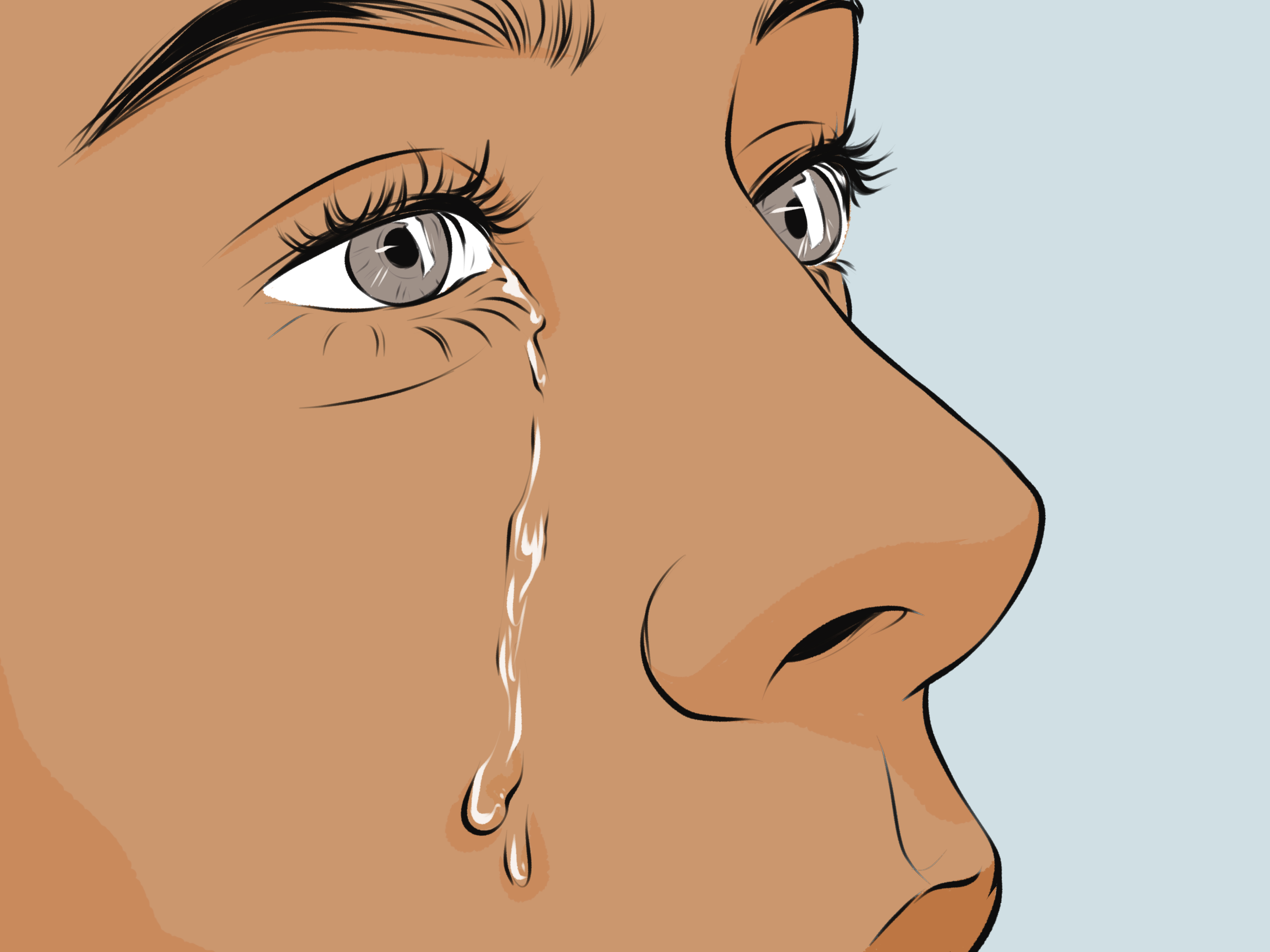
Acting out an emotional scene can feel a little like trying to cry beautifully while remembering your lines, hitting your mark, listening to your scene partner, not blocking the light, and pretending the boom microphone is not hovering above your head like a judgmental fishing pole. In other words: it is not just “feel sad and go.” A powerful emotional performance is built from preparation, imagination, technique, and the ability to stay present when the scene gets intense.
Whether you are performing in theater, film, television, a student project, or a self-tape filmed between your laundry basket and a ring light, emotional acting requires truth without chaos. The audience does not need to see you “try hard.” They need to believe that your character is living through something important in real time. That belief comes from clear choices, strong listening, physical honesty, vocal control, and emotional safety.
This guide breaks down how to act out an emotional scene in 14 steps, using practical acting techniques inspired by respected approaches such as Stanislavski, Meisner, Stella Adler, Uta Hagen, Practical Aesthetics, and modern screen-acting practices. You do not need to suffer for your art. You need to prepare well, play truthfully, and know when to breathe.
Why Emotional Scenes Matter in Acting
Emotional scenes are often the moments audiences remember most. A confession, a goodbye, a betrayal, a breakdown, a reunion, or a quiet moment of grief can reveal who a character truly is. But emotion alone is not enough. A scene becomes compelling when the emotion is connected to a clear objective: the character wants something, fears something, hides something, or finally admits something.
Think of emotion as the weather and action as the road. The weather may be stormy, but the character still needs somewhere to go. Without action, an actor may produce tears, anger, or trembling, but the scene can feel like a dramatic weather report. With action, the emotion becomes part of a living human conflict.
How to Act Out an Emotional Scene: 14 Steps
1. Read the Entire Script, Not Just Your Big Scene
Before you perform an emotional scene, understand the story around it. Read the full script if you have access to it. If you only have a scene excerpt, gather as much context as possible. What happened before this moment? What does your character know? What are they hiding? What do they want from the other person?
Many emotional scenes fail because actors jump straight to the “crying part” without understanding the emotional logic. A character may cry because they are heartbroken, but they may also cry because they are furious, embarrassed, relieved, ashamed, or trying not to cry. The script tells you which road to take.
2. Identify the Given Circumstances
The given circumstances are the facts of the scene: where you are, who you are with, what time it is, what just happened, what is at stake, and what your character believes. These details may sound basic, but they are the foundation of believable emotional acting.
For example, “I am breaking up with someone” is general. “I am breaking up with my fiancé in a hospital hallway five minutes after learning my mother may not survive surgery” is specific. Specificity gives emotion a place to live. It keeps your performance from becoming vague, floaty, or soap-opera-flavored.
3. Define Your Character’s Objective
Ask one simple question: What does my character want right now? Not in life. Not in the entire story. Right now, in this scene. Your character may want forgiveness, control, escape, comfort, revenge, proof, silence, love, or the truth.
Once you know the objective, the emotion becomes active. Instead of “I am sad,” try “I am trying to make them stay.” Instead of “I am angry,” try “I am forcing them to admit what they did.” This shift makes the scene playable. Actors do not act emotions; they pursue objectives under emotional pressure.
4. Break the Scene Into Beats
A beat is a shift in thought, tactic, emotion, or relationship. Emotional scenes rarely stay in one mood from beginning to end. A character may begin defensive, become vulnerable, turn sarcastic, collapse into grief, then regain control. Those changes make the scene human.
Mark where the energy changes. Then assign a playable action to each beat. For example: “to charm,” “to accuse,” “to beg,” “to hide,” “to punish,” “to comfort,” or “to surrender.” These active verbs help you avoid one-note acting. Nobody wants to watch seven straight minutes of “sad.” Even sadness has rhythm.
5. Create a Strong Moment Before
The audience sees the scene begin, but your character’s life started earlier. The “moment before” is what happened immediately before the scene begins. Did your character run down the street? Get terrible news? Drink too much coffee? Wait alone for two hours? Hear a secret through a door?
A strong moment before gives you emotional momentum. You do not enter the scene empty and then search for feelings like a person looking for Wi-Fi. You enter with history already moving through your body.
6. Use Imagination, Not Just Personal Pain
Some acting methods use emotional memory or sense memory, where actors draw from personal experiences to create truthful responses. That can be useful for some performers, but it is not the only path. Many actors work more safely and creatively through imagination, observation, substitution, and physical action.
You do not need to reopen your deepest wound every time a script asks you to be devastated. Instead, build the world of the character. Imagine the room, the smell, the silence, the person standing across from you, and the consequences of the scene. Your imagination can be more flexible than memory and, frankly, less likely to ruin your afternoon.
7. Listen to Your Scene Partner
Emotional acting is not a solo sport, even when your character feels alone. Listen to your partner’s words, pauses, breath, tone, and body language. Let their behavior affect you. If you decide exactly how you will cry, shout, or break down before the scene happens, you may miss the real emotional spark in front of you.
Meisner-based training emphasizes truthful response and living in the moment. That idea is especially useful in emotional scenes. Prepare deeply, then let the other actor change you. The best performances often happen when an actor stops trying to manufacture emotion and starts receiving what is actually happening.
8. Choose Physical Behavior That Supports the Emotion
Emotion lives in the body. A character may clench their jaw, avoid eye contact, pace, freeze, laugh at the wrong time, fold laundry too aggressively, or hold a glass so tightly it should probably file a complaint. Physical behavior can reveal what the character is trying to control.
However, avoid random movement. Every gesture should connect to the circumstances and objective. If your character is grieving, they may not automatically collapse. They might clean the kitchen, button a coat, or keep asking practical questions because the truth is too large to face. Sometimes restraint is more heartbreaking than a dramatic fall to the floor.
9. Control Your Breath
Breath is one of the actor’s most powerful tools. Emotional states change breathing patterns. Fear may shorten the breath. Grief may make it uneven. Anger may create pressure in the chest. Relief may release the body all at once.
Before the scene, use breathing to ground yourself. During the scene, let the character’s breath respond naturally, but do not lose control of your instrument. If you cannot breathe, you cannot speak clearly, listen fully, or repeat the performance safely. The goal is not to hyperventilate your way into an award nomination.
10. Let Tears Happen, But Do Not Worship Them
Many actors worry about crying on cue. Tears can be powerful, but they are not the ultimate proof of good acting. Sometimes the audience is more moved by a character fighting not to cry. In real life, people often resist emotion. They swallow it, joke around it, deny it, or change the subject. That resistance can create dramatic tension.
If tears come naturally, welcome them. If they do not, keep playing the action. Stay hydrated, relax your face, focus on the stakes, and remain connected to your partner. But remember: a dry-eyed performance can still be devastating if the truth is alive.
11. Use Your Voice With Intention
Emotional scenes are not always loud. Pain can whisper. Rage can become icy. Fear can make someone overly polite. The voice should serve the character’s need, not the actor’s desire to demonstrate volume.
For stage acting, vocal projection and clarity matter because the audience must hear and understand you. For camera work, smaller vocal shifts can carry enormous weight. Practice the scene at different intensities. Try one version where the character explodes and another where they barely hold it together. You may discover that the quieter version lands harder.
12. Respect Boundaries and Emotional Safety
Some emotional scenes involve grief, trauma, intimacy, violence, or extreme vulnerability. Professional acting requires safety, not recklessness. Discuss boundaries with directors, scene partners, teachers, or coordinators when appropriate. If a scene includes physical intimacy or simulated violence, choreography and consent are essential.
Good boundaries do not weaken a performance. They make it repeatable, respectful, and professional. An actor who feels safe can take creative risks. An actor who feels ambushed is just trying to survive the rehearsal, which is not the same thing as acting.
13. Rehearse the Structure, Not a Fixed Emotion
Rehearsal helps you know the lines, beats, blocking, and transitions. But do not rehearse an emotional scene so rigidly that you trap yourself in yesterday’s feelings. Emotion changes from run to run. That is normal.
Instead of trying to reproduce the exact same tear at the exact same word, rehearse the structure: objective, beats, actions, listening, physical life, and vocal choices. If the foundation is strong, the emotion can remain fresh. This is how actors perform emotional scenes eight times a week on stage without turning into exhausted puddles in character shoes.
14. Come Out of the Scene Carefully
After an intense scene, give yourself a moment to return to neutral. Shake out your body, take a few breaths, drink water, stretch, or talk lightly with your scene partner. Some actors use a small ritual, such as removing a costume piece, washing their hands, or saying, “I’m back.”
This step is especially important when rehearsing heavy material repeatedly. You are not your character. You are an actor doing skilled work. Leaving the emotion behind is part of the craft.
Common Mistakes Actors Make in Emotional Scenes
Playing the Emotion Instead of the Action
The most common mistake is deciding, “This is my crying scene,” and then aiming everything toward tears. That usually leads to pushing. Instead, focus on what your character is doing to the other person. Are they trying to confess, escape, punish, seduce, forgive, or be forgiven? Action creates emotion more reliably than emotion creates action.
Starting at Maximum Intensity
If you begin the scene at a level ten, you have nowhere to go except level eleven, which is where melodrama keeps its vacation home. Build the emotional arc. Let the scene surprise you. Audiences enjoy watching pressure rise, crack, and transform.
Ignoring the Other Actor
Do not disappear into your private emotional bubble. Emotional acting still requires connection. Your partner’s behavior is fuel. If they change, you change. If they pause, the pause matters. If they look away, your character notices. Listening is not waiting politely for your next line; it is the engine of the scene.
Confusing Tension With Truth
Some actors tighten every muscle to show emotion. The face scrunches, the shoulders rise, the voice shakes, and suddenly the scene looks like a person trying to open a pickle jar with their soul. Real emotion often moves through relaxation as much as tension. Let the body respond, but do not force every feeling into your forehead.
Stage vs. Screen: Adjusting Emotional Performance
In theater, emotional truth must reach the back row. That does not mean shouting every feeling, but it does mean using the whole body, clear speech, and energized presence. A small internal shift may need a visible physical expression so the audience can read it from a distance.
On camera, the lens catches tiny changes. A glance, a swallow, a breath, or a half-finished sentence can be enough. Film acting often rewards simplicity. If the camera is close, trust it. You do not need to send your emotion across a thousand-seat theater when the audience is basically sitting inside your eyelashes.
Practical Exercises for Emotional Acting
The Objective Exercise
Take a short scene and play it three times with three different objectives. First, try to get forgiveness. Next, try to win control. Finally, try to make the other person leave. Notice how the emotion changes even when the words stay the same.
The Restraint Exercise
Perform the scene while actively trying not to reveal the main emotion. If the character is grieving, hide it. If they are in love, deny it. If they are terrified, act normal. This exercise often creates more tension than playing the emotion directly.
The Breath Score
Mark where your character holds breath, releases breath, interrupts breath, or breathes for courage. Do not over-plan every inhale, but use breath awareness to discover the emotional rhythm of the scene.
The Partner Focus Exercise
Run the scene while putting all attention on your partner. Watch their eyes. Hear their tone. Notice their pace. Let your lines be responses, not pre-packaged deliveries. This can quickly make a scene feel more alive.
How to Act Emotional Scenes Without Burning Out
Emotional scenes can be demanding, especially when the material touches grief, rejection, fear, shame, or trauma. Sustainable acting means building a process that protects your well-being. Warm up before rehearsal, cool down afterward, and avoid using painful personal memories if they leave you overwhelmed.
Professional actors often develop repeatable techniques: script analysis, imagination, physical actions, vocal work, partner connection, and clear boundaries. These tools help you access emotion without depending on unpredictable suffering. The work should be deep, but it should not require emotional self-destruction. You are making art, not signing up to be haunted by Act Two.
Experience-Based Advice: What Emotional Scene Work Teaches Actors
One of the biggest lessons actors learn from emotional scene work is that the feeling you expect is not always the feeling that appears. You may prepare for sadness and discover anger. You may prepare for rage and suddenly feel embarrassed. You may think the scene is about heartbreak, only to realize it is about pride. That is the beautiful, annoying, magical thing about acting: the truth often arrives wearing a different jacket than the one you packed.
In rehearsal, emotional scenes tend to improve when actors stop asking, “How do I make myself feel more?” and start asking, “What am I trying to do?” A scene where a daughter confronts her father is not simply about crying. It may be about forcing him to listen for the first time. A scene where a soldier returns home is not simply about relief. It may be about hiding fear so the family can feel safe. These playable actions give emotion a spine.
Another useful experience is learning that embarrassment is part of the process. Many actors feel awkward when practicing emotional scenes, especially in a classroom or rehearsal room under fluorescent lights that make everyone look like they owe money. That awkwardness is normal. Emotional availability is vulnerable. The more you train, the more you learn to treat vulnerability as a professional skill rather than a personal emergency.
Actors also discover the importance of repetition. The first run of a scene may feel raw and exciting. The second may feel flat. The third may feel mechanical. Then, suddenly, on the fourth or fifth try, something honest appears. This is why craft matters. A reliable process helps you continue when inspiration has wandered off to buy coffee.
Working with scene partners teaches humility. You may enter rehearsal with a brilliant plan, only to find that your partner’s delivery changes everything. Maybe they speak softer than expected. Maybe they look genuinely hurt. Maybe they pause before a line, and that pause lands like a piano dropped from a balcony. If you are listening, you adapt. If you are not listening, you plow ahead with your “big emotional moment” and miss the better one happening right in front of you.
Experience also teaches that emotional scenes are often strongest when actors trust simplicity. A beginner may think intensity means shaking, shouting, sobbing, and knocking over furniture. Sometimes that is right for the scene. Often, it is not. A person receiving devastating news may sit very still. A person saying goodbye may focus on fixing a collar. A person about to confess love may talk about the weather because the real subject is too dangerous. Human beings are complicated. Good acting honors that complication.
Finally, emotional scene work teaches actors to care for themselves. After a difficult rehearsal, it helps to have a reset routine: step outside, drink water, stretch, listen to music, or speak with someone in a normal voice about normal things. “What do you want for dinner?” can be a surprisingly effective return ticket from dramatic despair. The goal is not to stay emotionally wrecked. The goal is to visit the character’s truth, share it with the audience, and come back safely.
Conclusion
Learning how to act out an emotional scene is not about forcing tears, shouting louder, or proving how deeply you can suffer. It is about preparation, imagination, listening, breath, physical truth, and clear objectives. The strongest emotional performances usually come from actors who know exactly what their characters want and then allow real responses to unfold moment by moment.
Use these 14 steps as a practical roadmap. Read the script carefully. Build the circumstances. Break the scene into beats. Listen fully. Respect your boundaries. Let emotion serve the story, not your ego. When you combine technique with vulnerability, an emotional scene can become more than a dramatic highlight. It can become the moment the audience leans forward, goes quiet, and believes.

