Note: This article is written for web publication and is based on practical, research-backed gardening guidance from reputable U.S. horticulture sources.
Coral bells are the garden equivalent of a great scarf: small, colorful, surprisingly useful, and able to make the whole outfit look intentional. Known botanically as Heuchera, coral bells are low-growing perennial plants loved for their ruffled foliage, tidy mounds, and airy flower stalks that look as if someone hung tiny bells on floral fishing line.
While many perennials show off for a few weeks and then quietly become green background actors, coral bells keep earning their spot. Their leaves may be burgundy, lime green, caramel, silver, peach, purple, bronze, nearly black, or marbled like a fancy coffee drink. Better yet, they thrive in those tricky garden spots where full-sun divas throw a tantrum. If you have a shaded border, woodland edge, patio container, or front walkway that needs color without constant fussing, coral bells may be exactly what your garden has been hinting at.
This guide explains how to grow and care for coral bells, including the best light, soil, watering routine, fertilizing method, pruning strategy, pest prevention, and seasonal care tips. In short: give them drainage, give them morning sun or filtered shade, do not drown them, and divide them before they start acting like tired retirees.
What Are Coral Bells?
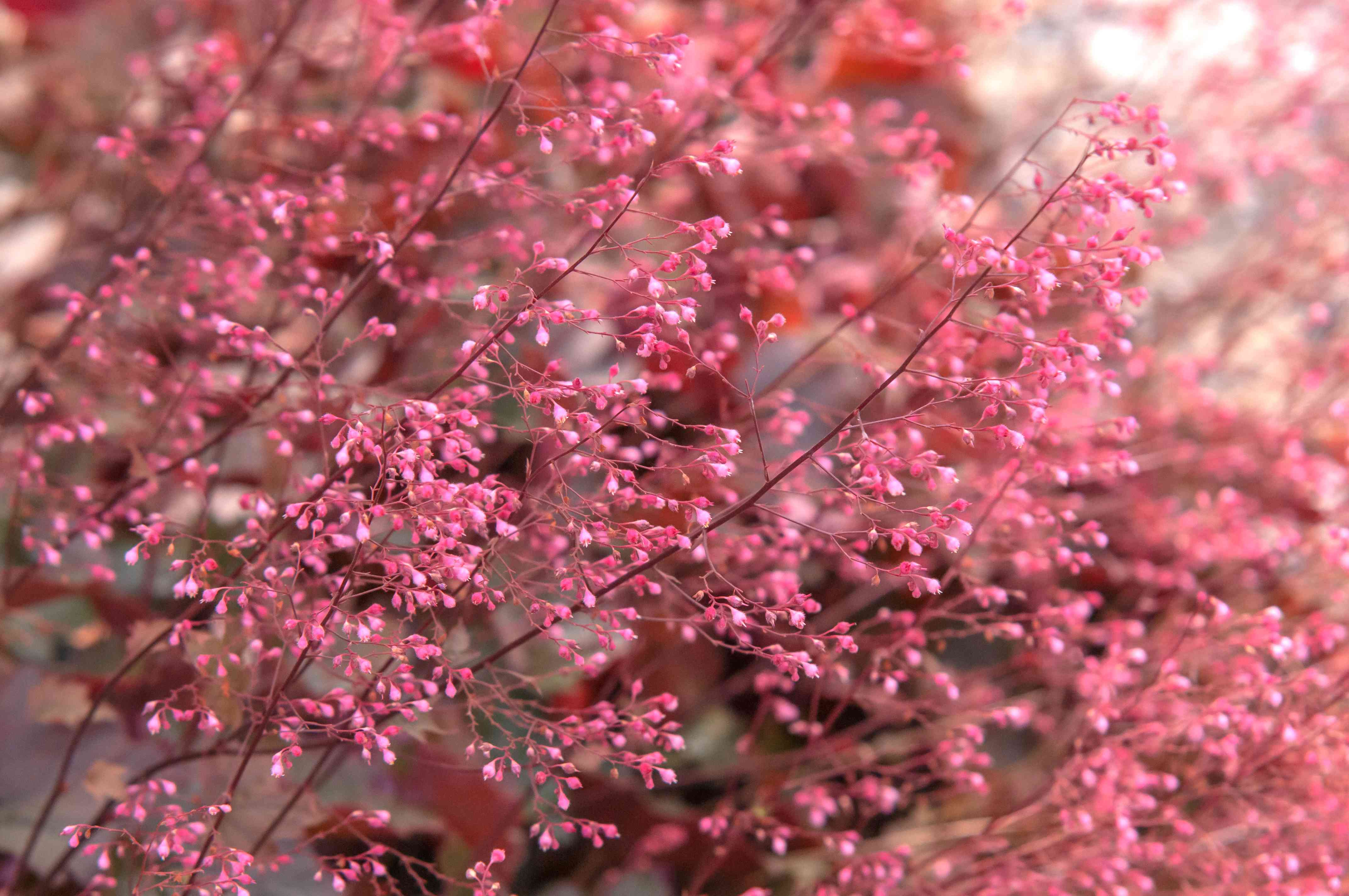
Coral bells are herbaceous perennials in the genus Heuchera. They are native to North America and are also commonly called alumroot. In the garden, they form compact clumps of rounded, scalloped, or ruffled leaves. Depending on the variety, the foliage can be the main attraction, while slender flower stalks rise above the plant in late spring or early summer with small bell-shaped blooms in shades of pink, coral, red, cream, or white.
Most modern coral bells sold in nurseries are hybrids bred for improved leaf color, heat tolerance, vigor, or disease resistance. Some are better suited for cool northern gardens, while others, especially those with Heuchera villosa parentage, often handle heat and humidity more gracefully. Translation: read the plant tag. It may not be a thrilling novel, but it is usually more useful than guessing.
Why Grow Coral Bells?
Coral bells are popular because they solve several common garden problems at once. They bring color to partial shade, work well in containers, look good along paths, attract pollinators, and pair beautifully with hostas, ferns, astilbes, sedges, lungwort, foamflower, and spring bulbs.
They Provide Long-Season Foliage Color
Flowers come and go, but coral bells earn their keep through their leaves. A chartreuse variety can brighten a dark bed. A deep purple cultivar can add contrast next to silver foliage. A peach or caramel heuchera can soften a border filled with blue-green hostas. Because the foliage stays attractive for much of the growing season, coral bells are excellent for gardeners who want impact without constant replanting.
They Fit Small Gardens and Containers
Most coral bells stay compact, usually forming mounds around 8 to 18 inches tall, with flower stalks rising higher. This makes them useful for small urban gardens, townhouse patios, balcony containers, and tight landscape edges. They do not usually bully neighboring plants, which is refreshing in a world where some perennials behave like they own the deed.
They Support Pollinators
Although coral bells are often grown for foliage, their delicate flowers can attract hummingbirds, bees, and butterflies. Native species and pollinator-friendly cultivars are especially useful in naturalistic gardens, woodland plantings, and mixed perennial beds.
Best Growing Conditions for Coral Bells
Coral bells are not high-maintenance, but they do have opinions. Their biggest requests are well-drained soil, moderate moisture, and protection from harsh afternoon sun in hot climates.
Light: Partial Shade Is the Sweet Spot
Coral bells generally grow best in partial shade, especially with morning sun and afternoon shade. Many varieties can handle 4 to 6 hours of direct sun, particularly in cooler climates, but hot afternoon sun can scorch pale or yellow-green leaves. Darker-leaved varieties often tolerate more sun, while chartreuse, silver, and light-colored cultivars usually look better with filtered light.
If the leaves look faded, crispy, or sunburned, the plant may be getting too much intense light. If the plant becomes floppy, sparse, or refuses to bloom, it may be stuck in shade so deep that even the garden gnomes are worried. Adjust placement based on your climate and the cultivar’s needs.
Soil: Rich, Loose, and Well-Drained
The ideal soil for coral bells is rich in organic matter, evenly moist, and well-drained. Think woodland floor, not swamp. Compost is your friend here. Mix it into the planting area to improve structure, moisture retention, and microbial activity.
Heavy clay can be a problem if it holds water around the crown and roots. In poorly drained soil, coral bells may develop root rot or crown rot. If your garden soil behaves like pottery clay after rain, plant coral bells in raised beds, berms, or containers instead. They can tolerate some clay or rocky soil if drainage is improved, but soggy conditions are where good heucheras go to become sad memories.
Water: Moist, Not Mushy
Newly planted coral bells need consistent moisture while they establish. Water deeply after planting, then keep the soil lightly moist for the first growing season. Once established, coral bells can tolerate short dry spells, but they look better with regular watering during hot or dry weather.
A good rule is to water when the top inch of soil feels dry. Aim the water at the base of the plant rather than splashing the foliage. This helps reduce fungal problems and keeps the plant cleaner. Container-grown coral bells dry out faster than in-ground plants, so check pots more often during summer.
How to Plant Coral Bells
The best times to plant coral bells are spring and fall, when temperatures are mild and the plant has time to settle in before extreme heat or cold. In warm climates, fall planting is often especially friendly because the roots can establish without summer heat stress.
Step-by-Step Planting Guide
- Choose the right location. Look for partial shade, morning sun, or bright filtered light.
- Prepare the soil. Loosen the planting area and mix in compost to improve drainage and fertility.
- Dig the hole. Make it about twice as wide as the root ball but no deeper than the container.
- Set the crown correctly. Place the plant so the crown sits at or slightly above soil level. Do not bury it deeply.
- Backfill gently. Firm the soil without compacting it into a brick.
- Water thoroughly. Give the plant a deep drink to settle the soil around the roots.
- Mulch lightly. Add mulch around the plant, but keep it away from the crown to prevent rot.
Space most coral bells 12 to 24 inches apart, depending on the variety. Smaller cultivars can be tucked closer together, while vigorous types need more elbow room. Always check the mature width listed on the label.
Coral Bells Care: A Simple Maintenance Routine
Once established, coral bells are refreshingly reasonable. They do not demand daily pep talks, complicated feeding schedules, or dramatic pruning rituals. A few seasonal habits will keep them looking polished.
Fertilizing Coral Bells
Coral bells are not heavy feeders. In fact, too much fertilizer can push weak, floppy growth. In most gardens, a spring top-dressing of compost is enough. If your soil is poor, use a balanced slow-release fertilizer in spring at the label-recommended rate. Avoid dumping high-nitrogen fertilizer on them unless your goal is to grow big leaves with questionable backbone.
Pruning and Deadheading
In early spring, remove dead, damaged, or winter-battered leaves to make room for fresh growth. Use clean scissors or pruners and avoid cutting into the crown. During the blooming season, deadhead spent flower stalks to keep the plant tidy and encourage additional blooms on some varieties.
If your coral bells are grown mainly for foliage, you can remove flower stalks as they appear. This gives the plant a cleaner, leaf-focused look. If you enjoy the flowers or want to support pollinators, let them bloom. There is no wrong answer, only garden styling preferences.
Mulching
Mulch helps conserve moisture, moderate soil temperature, and reduce weeds. Use shredded bark, leaf mold, pine needles, or composted leaves. Keep mulch an inch or two away from the crown. In cold climates, apply winter mulch after the ground begins to freeze to help prevent frost heaving, which can push shallow-rooted plants out of the soil during freeze-thaw cycles.
Common Problems and How to Fix Them
Coral bells are generally low-maintenance, but they can run into trouble when drainage, light, or spacing is off. Most problems are preventable with good site selection.
Leaf Scorch
Scorched leaves often look crispy, browned, or bleached. This usually happens when a variety receives too much hot afternoon sun, especially pale-leaved cultivars. Move the plant to a shadier location or provide protection from intense afternoon light. Water consistently while it recovers.
Root Rot or Crown Rot
If the plant wilts even when the soil is wet, or if the crown feels mushy, poor drainage may be the culprit. Remove affected material and improve drainage. In serious cases, it may be better to replace the plant and choose a raised bed or container next time.
Powdery Mildew and Fungal Issues
Powdery mildew may appear as a white or grayish coating on leaves. Improve air circulation, avoid overhead watering, and remove badly affected foliage. Crowded plantings and humid conditions can make fungal problems more likely.
Vine Weevils and Other Pests
Vine weevil larvae can damage roots, causing plants to decline suddenly. Adults may notch leaf edges. If a coral bells plant collapses without an obvious reason, gently inspect the roots and surrounding soil. Good garden sanitation, healthy soil, and careful inspection of nursery plants can help reduce pest issues.
How and When to Divide Coral Bells
Coral bells are often described as short-lived perennials. That does not mean they are unreliable; it means they appreciate rejuvenation. After three to four years, the crown can become woody, raised, or sparse in the center. Division refreshes the plant and gives you more coral bells for free, which is the kind of math gardeners enjoy.
Best Time to Divide
Divide coral bells in early spring or early fall. Spring division gives the plant a full season to recover. Fall division works well in mild climates, but avoid doing it too late in cold regions because the divisions need time to root before winter.
How to Divide Coral Bells
- Water the plant the day before dividing.
- Dig up the entire clump carefully.
- Shake or rinse off loose soil so you can see the crowns and roots.
- Pull or cut apart healthy offsets, making sure each piece has roots and growing points.
- Discard dead, woody, or weak sections.
- Replant divisions at the correct crown level and water deeply.
For older plants with exposed woody stems, replant divisions slightly deeper while keeping the crown from being buried too heavily. The goal is firm contact with soil, not a funeral.
Growing Coral Bells in Containers
Coral bells make excellent container plants because they provide long-lasting color without needing constant bloom replacement. They look especially good in mixed pots with ferns, sedges, pansies, violas, ornamental grasses, trailing ivy, or small evergreens.
Container Tips
- Choose a pot with drainage holes.
- Use high-quality potting mix, not dense garden soil.
- Water when the top inch of mix feels dry.
- Place containers where they receive morning sun or bright shade.
- Protect pots from extreme winter freeze-thaw cycles in cold climates.
Because containers dry out faster than garden beds, check them regularly in hot weather. A wilted coral bells in a pot is not being dramatic; it is probably thirsty.
Best Companion Plants for Coral Bells
Coral bells are team players. Their rounded leaves contrast beautifully with fine textures, upright forms, and broad foliage. Use them to stitch together a shade garden or brighten a border that needs color before flowers arrive.
Great Plant Pairings
- Hostas: Broad leaves create a bold contrast with ruffled heuchera foliage.
- Ferns: Soft fronds add texture and movement.
- Astilbes: Feathery blooms complement coral bells in moist, partly shaded beds.
- Lungwort: Silver-speckled leaves pair well with purple and green heucheras.
- Foamflower: A native woodland companion with delicate flowers.
- Sedges: Grass-like foliage adds structure without overpowering the planting.
- Spring bulbs: Daffodils and small bulbs can rise through coral bells foliage early in the season.
Choosing the Right Coral Bells Variety
There are many coral bells varieties, and choosing the right one depends on your climate, light conditions, and color goals. In cooler regions, many cultivars tolerate more sun if the soil stays moist. In hot southern gardens, look for heat-tolerant varieties and provide afternoon shade.
Color-Based Selection Tips
- Chartreuse and lime varieties: Best for brightening shade, but often need protection from hot sun.
- Purple and burgundy varieties: Great for contrast and often more sun-tolerant than pale types.
- Caramel, peach, and amber varieties: Warm up woodland borders and mixed containers.
- Silver-marbled varieties: Excellent for moon gardens, shaded paths, and elegant combinations.
- Green native-style varieties: Natural-looking and useful in pollinator-friendly plantings.
When shopping, do not choose by color alone. Also consider mature size, heat tolerance, disease resistance, and recommended exposure. A gorgeous plant in the wrong place is still a gorgeous plant having a bad week.
Seasonal Coral Bells Care Calendar
Spring
Clean up damaged foliage, top-dress with compost, divide older clumps if needed, and plant new coral bells once the soil is workable. Watch for fresh growth and adjust mulch away from the crown.
Summer
Water during dry spells, especially for plants in sun or containers. Deadhead spent flower stalks and remove damaged leaves. Monitor for leaf scorch, mildew, and pests.
Fall
Plant or divide coral bells early enough for roots to establish before winter. Refresh mulch after the first hard frost in cold regions. Avoid heavy fertilizing late in the season.
Winter
In mild climates, coral bells may remain semi-evergreen or evergreen. In colder areas, foliage may look rough by late winter. Leave some protective foliage in place until spring cleanup unless it is diseased or mushy.
Practical Growing Experiences: What Coral Bells Teach You Over Time
After growing coral bells for a while, most gardeners learn that these plants are easygoing but not careless. They forgive a missed watering once established, but they do not forgive wet feet for long. They tolerate shade, but deep darkness can make them sulk. They can handle sun in some climates, but the wrong variety in hot afternoon light may crisp around the edges like a forgotten tortilla chip.
One of the most useful lessons is to judge coral bells by their leaves. The foliage tells you nearly everything. If the color looks rich and the mound is full, the plant is comfortable. If the leaves fade, bleach, or curl at the edges, the plant may need more shade or more consistent moisture. If the crown looks raised and woody, it is probably time to divide or replant it slightly deeper. If the plant collapses despite damp soil, drainage or root pests may be the problem.
In real gardens, coral bells often perform best where they receive morning sunlight and afternoon protection. This is especially true near walkways, under high-branched trees, along east-facing foundations, or beside patios that get soft early light. These locations give the plant enough brightness to maintain color without the punishment of late-day heat.
Containers are another excellent way to learn their preferences. A coral bells in a pot can be moved around like a very leafy experiment. If the leaves scorch, shift the pot into brighter shade. If the plant becomes dull or stretched, move it toward more morning sun. In mixed containers, coral bells are especially useful because they remain attractive after temporary flowers fade. A purple heuchera with silver foliage plants and trailing greenery can look designed even when you assembled it in a mild panic at the garden center.
Another experience many gardeners share is that coral bells look best when planted in small groups. One plant is pretty; three plants look intentional. Repeating the same cultivar along a border creates rhythm, while mixing different foliage colors can create a patchwork effect. However, restraint matters. Too many colors in one small bed can make the garden look like a salad bar. Choose two or three tones and repeat them for a more polished design.
Do not be surprised if older coral bells begin to lose vigor after several years. This is normal. Instead of replacing them immediately, dig them up and divide healthy offsets. Replant the strongest pieces in refreshed soil with compost. Many gardeners find that this simple step turns a tired clump into several energetic new plants. It is one of those gardening chores that feels like cheating because the reward is so generous.
The biggest practical tip is this: plant coral bells where you can actually see them. Their charm is in the detailsthe veining, scalloped edges, shifting seasonal color, and tiny flowers hovering above the foliage. They are lovely near paths, porch steps, patios, and seating areas. Tucked too far away, they disappear into the general green blur. Up close, they become little foliage jewels, and yes, you may find yourself buying “just one more” variety. That is how the heuchera collection begins. Stay strong, or at least leave room in the cart.
Conclusion
Coral bells are among the most versatile perennials for American gardens, especially where partial shade and colorful foliage are needed. They offer a rare combination of beauty and practicality: vibrant leaves, delicate flowers, pollinator appeal, container-friendly growth, and manageable care. The secret is not complicated. Plant them in rich, well-drained soil, give them morning sun or filtered shade, water consistently while they establish, avoid soggy crowns, and divide older clumps every few years.
Whether you choose a moody purple cultivar, a glowing lime-green variety, a warm caramel selection, or a native-style green heuchera, coral bells can bring structure and personality to borders, woodland beds, patio pots, and shaded walkways. Treat them well, and they will reward you with color long after many flowers have clocked out for the season.