There are two kinds of people in this world: the “I’ll just soak it overnight” crowd and the “I’m pretty sure this pan is now part of the
family” crowd. If you cook (and especially if you cook with enthusiasm), you already know the real villain isn’t dinnerit’s the after-party in
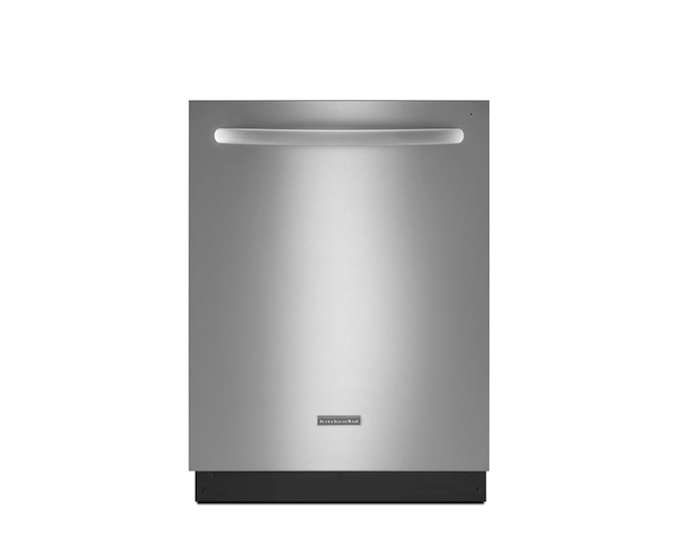
the sink. That’s where the KitchenAid 24-inch Architect Series II dishwasher steps in: a built-in, tall-tub workhorse that pairs
6 wash cycles with 7 wash options designed to handle everything from delicate wine glasses to the kind of baked-on
casserole mess that should honestly come with a warning label.
One quick note before we dive in: “Architect Series II” covers a family of closely related KitchenAid models sold over multiple years. Depending
on the exact model number and trim, you may see small differences in things like decibel rating, rack configuration (some versions include a third
rack), or capacity. The good news: the core identity stays the samepremium cleaning features, solid rack design, and the kind of quiet operation
that won’t interrupt your movie night or your kitchen gossip.
At a Glance: Why This Dishwasher Still Gets Talked About
- 24-inch built-in format that fits standard dishwasher cutouts.
- 6 cycles for everything from quick refreshes to heavy-duty scrubbing.
- 7 options to customize wash temperature, sanitation, drying, and targeted cleaning.
- Stainless steel tub for durability and better heat retention.
- Quiet operation typically in the mid-40 dBA range (varies by model).
- Premium rack features like smooth-glide upper racks, fold-down tines, and stemware support.
Key Specs and Design: The “Fits Your Kitchen” Details
The Architect Series II line is built around the standard 24-inch built-in dishwasher footprint, which is exactly what most U.S.
kitchens are framed for. You’ll commonly see measurements around 23 7/8 inches wide and roughly 34 1/2 inches high,
with a depth near the mid-24-inch range (exact dimensions vary by model and handle style). This makes it a realistic replacement if you’re swapping
out an older unit without wanting to rework cabinetry.
Inside, the tall-tub design is the main event. A stainless steel tub isn’t just “fancy”it’s practical. Stainless tends to resist
staining and odors better than plastic over time, and it holds heat more effectively, which supports stronger drying performance and helps maintain
higher rinse temperatures during options like sanitize.
Capacity: Dinner Party Friendly
Many Architect Series II configurations are rated around 14 place settings, and some related variants in the broader series family
can go even higher. Translation: it’s designed for real cooking householdspeople who use more than one pot, and who believe mixing bowls should not
be washed “immediately” because they’re still emotionally processing the recipe.
Cleaning Performance: The Features That Do the Heavy Lifting
KitchenAid positioned Architect Series II dishwashers as premium cleaners, and the feature set backs that up. The star players are typically
sensor-driven cycle logic, targeted spray power for stuck-on messes, and filtration that keeps wash water cleaner
throughout the cycle.
ProWash Cycle: The “Stop Overthinking It” Button
ProWash is the cycle designed for people who don’t want to hold a committee meeting every time they load the dishwasher. Instead of making you decide
“Normal or Heavy?” it uses sensors to detect soil levels and adjusts the wash in real time. It’s especially useful when you’ve got a mixed load:
lightly soiled plates on the top rack and a roasted-on sheet pan situation down below.
ProScrub Option: Because Some Messes Laugh at “Normal”
If you’ve ever tried to scrub a casserole dish that has fused with cheese and time itself, you understand why targeted power matters. The ProScrub
option focuses intense spray action toward the back of the lower rack areagreat for pots, pans, and baking dishes that would otherwise demand a
pre-soak and a pep talk.
Filtration and Cleaner Wash Water
Many Architect Series II models emphasize a filtration approach that continuously captures food particles so cleaner water circulates through the
wash arms. Practically, that means fewer “mystery crumbs” redepositing on glasses and fewer reasons to pre-rinse like it’s a second job. Still, it’s
wise to follow the model-specific manual: some systems are designed to reduce filter maintenance, while other designs still benefit from occasional
cleaning.
The 6 Wash Cycles: What They’re For (and When You’ll Actually Use Them)
Cycle names can vary slightly by model year, but a common Architect Series II lineup includes six core cycles along these lines:
- ProWash (Sensor/Auto): Adjusts to soil level automaticallyyour default for mixed loads.
- Tough / Heavy: For heavily soiled cookware, baked-on food, and “why did we broil this?” moments.
- Normal: Everyday washing for typical loadsoften the cycle used for energy certifications on many dishwashers.
- Light: For lightly soiled dishes, delicate loads, or when you hosted but nobody actually ate.
- Express Wash: Faster turnaround when you need clean dishes quickly (great for weeknights).
- Rinse Only: A short rinse to keep food from drying on when you’re not ready to run a full load.
Reality check: modern dishwashers (including many KitchenAid models) often run longer than people expectespecially on Normalbecause they’re designed
to clean thoroughly using less water and energy than older machines. Express cycles are your sanity saver when you need speed, but for baked-on messes,
Tough/Heavy plus a targeted option is usually the winning combination.
The 7 Options: Where This Dishwasher Gets Customizable
Options are what turn a “dishwasher” into a “dishwashing strategy.” The most commonly paired options in Architect Series II configurations include:
- ProScrub: Adds targeted cleaning power for stubborn cookware.
- Hi-Temp Wash: Raises wash temperature to help break down baked-on soils.
- Sani Rinse: Uses a high-temperature final rinse for sanitization performance.
- Heat Dry / ProDry: Activates enhanced drying (often using a recessed heating element; some versions add fan support).
- Delay Start: Frequently a 4-hour delay on many models, handy for running after dinner or during off-peak hours.
- Control Lock: Because small hands love buttons and chaos loves company.
- Top Rack Wash / Rack-Focused Wash: Some versions include a rack-priority option when you’re washing mostly cups and small items.
Sani Rinse: For “I Want This Extra Clean” Loads
Sanitizing options typically heat the final rinse to a higher temperature to support hygienic results. This is popular for baby bottles,
cutting boards, or anyone who just wants the psychological relief of knowing the dishwasher brought its A-game.
ProDry vs. Heat Dry: Drying Isn’t One-Size-Fits-All
Drying performance depends on a few things: rinse temperature, airflow, rinse aid, how you load plastics, and whether the unit uses enhanced drying.
Architect Series II models often include a heated dry option, and some variants feature a “ProDry” approach that adds airflow support to improve
moisture removal. If you care about plastics drying well, your best friends are: (1) rinse aid, (2) spacing items so water can escape, and (3) cracking
the door after the cycle if your model doesn’t do it automatically.
Loading Like You Mean It: Racks, Tines, and Smart Placement
A dishwasher can only clean what water can reach. That sounds obvious until you remember the way we all load dishes when we’re tired: “If it fits,
it sits.” Architect Series II models generally offer a premium rack experience, especially in the upper rack.
SatinGlide-Style Upper Rack Movement
Many Architect Series II configurations include smooth-glide hardware designed to make the upper rack feel less like a shopping cart with a wobbly
wheel. That matters most when the top rack is loaded with glassware, mugs, and bowlsaka the items most likely to clink, chip, or cause regret.
Fold-Down Tines and Stemware Holders
Flexible tines help you switch from “everyday plates” mode to “why do we own this giant serving bowl?” mode. Stemware holders or fold-down shelves
add stability for wine glasses and taller cupsuseful if you don’t want your best glassware attempting parkour mid-cycle.
Third Rack (On Some Models)
Depending on the specific Architect Series II variant, you may get a third rack designed for utensils and long tools. If your version includes one,
it can be a game-changer for spatulas, ladles, whisks, and the oddly long spoon that never fits anywhere else. If your model doesn’t have a third rack,
you’ll typically get a well-designed silverware basket that still separates utensils effectively.
Noise Level: Quiet Enough for Open-Concept Living
Architect Series II dishwashers are often rated in the mid-40 dBA range, which generally lands in the “you’ll notice it’s on if you
listen for it” category, not the “why is the kitchen growling?” category. If you live in an open-concept spaceor if your kitchen is close to where
you work, study, or binge-watchquiet operation is a real quality-of-life upgrade.
Pro tip: sound ratings assume the unit is installed correctly. Poor mounting, gaps in cabinetry, or a loose toe kick can amplify vibration. If you
ever wonder why a dishwasher is louder than advertised, the installation details are often the culprit.
Installation and Fit: What to Know Before You Swap One In
If you’re replacing an existing 24-inch built-in dishwasher, you’re already most of the way there. Still, it’s worth planning for the practical
stuff: water line, drain loop/air gap rules in your area, and electrical connection requirements. Some units are hardwired; others use a power cord,
which may or may not be included. Always verify what your specific model expects before installation day, so you don’t end up with a dishwasher and a
surprise trip to the hardware store.
Measure Like You’re About to Sell the House
- Width: confirm the opening supports a standard 24-inch built-in footprint.
- Height: check toe-kick clearance and countertop height; adjustable feet can help fine-tune fit.
- Depth: confirm door clearance for walkways and islands, especially in tight kitchens.
Care, Maintenance, and “How Do I Keep It Nice?”
To keep performance strong, think of dishwasher care like dental care: a little routine effort beats a dramatic intervention later.
Monthly-ish Maintenance That Actually Helps
- Wipe the door gasket to prevent grime buildup and funky odors.
- Check the filter area (if your model uses a removable filter) and rinse away debris as needed.
- Run a dishwasher cleaner periodicallyespecially if you have hard water.
- Inspect spray arms for clogs (tiny seeds and labels love to lodge themselves in jets).
If your area has hard water, you may see film or spots over time. Rinse aid helps, and occasional cleaning cycles can reduce mineral buildup. Also,
don’t underestimate the power of loading correctly: cups angled downward, bowls not nesting, and nothing blocking the spray arms.
Buying One Today: New, Used, or “Discontinued but Tempting”
Many Architect Series II models are now discontinued, which means you’ll most often encounter them as leftover inventory, refurbished units, or used
listings. That can be a win if you find one in excellent conditionthese were positioned as premium machinesbut do your homework.
Checklist for a Smart Purchase
- Find the exact model number and confirm it truly has 6 cycles and 7 options (listings can be sloppy).
- Ask about rack condition: bent tines, peeling rack coating, or missing baskets are expensive annoyances.
- Check for leaks and odor: a clean tub and intact gasket matter.
- Confirm parts availability: pumps, racks, and control boards are easier when parts are still stocked.
- Compare to current KitchenAid models: sometimes a modern unit on sale is a better value than a “premium vintage” unit.
Who This Dishwasher Is Great For (and Who Might Want Something Else)
Great fit if you:
- Cook frequently and want a machine that takes stubborn messes seriously.
- Care about a quieter kitchen and a premium, built-in look with top controls.
- Want sensor-driven cleaning (ProWash) that handles mixed loads without babysitting.
- Prefer stainless-steel tubs and sturdy rack design over bare-bones budget models.
Consider a different model if you:
- Need the very latest drying tech or ultra-low noise ratings found in newer premium dishwashers.
- Want a guaranteed current warranty with easy, long-term parts support.
- Strongly prefer a specific modern feature (like a large third rack with dedicated wash jets) that your exact Architect Series II variant may not have.
Bottom Line
The KitchenAid 24-inch 6-cycle/7-option dishwasher in the Architect Series II family earned its reputation by combining practical
cleaning muscle with premium usability: smart cycles, targeted scrubbing options, strong rack design, and a noise level that won’t dominate your home.
If you’re shopping the used or discontinued market, the key is matching the exact model to the features you care about mostthen loading it like a
pro and letting it do what it was built to do: handle the mess so you don’t have to.
Real-World Experiences: What It’s Like Living With an Architect Series II Dishwasher (Extra 500+ Words)
Reading specs is helpful, but dishwasher life happens in momentsusually when you’re tired, hungry, and staring at a mixing bowl that looks like it
fought a battle and lost. Here’s how the Architect Series II experience typically plays out in a real kitchen, where people cook, snack, and somehow
generate an endless supply of cups.
Weeknight reality: You make pasta. The pot has starch residue, the colander has tiny noodles clinging for dear life, and the plates
have sauce streaks that dry faster than your motivation. This is where a sensor-driven cycle like ProWash shines. You load everything together, skip
the debate about which cycle to choose, and let the dishwasher adjust based on what it detects. The practical win is mental: fewer decisions, fewer
“should I rinse this?” questions, and less time hovering over the sink like a disappointed referee.
The casserole dish saga: If you’ve ever baked mac and cheese, you already know the crust is deliciousand also basically edible glue.
The ProScrub-style targeted cleaning option is made for this moment. Owners who regularly cook baked dishes tend to load the stubborn items in the
lower rack, aim the dirty side toward the back where the concentrated spray action is strongest, and use a hotter wash option when needed. The
experience isn’t magical (no dishwasher can reverse the laws of baked-on physics), but it’s the difference between “quick rinse and load” and “soak
overnight and scrub tomorrow.”
Entertaining mode: The Architect Series II line was marketed for people who love to cook and host, and you feel that in capacity and
layout. When you’ve got serving bowls, salad plates, wine glasses, and utensils for a small army, the rack flexibility matters. Fold-down tines let
you fit that oversized platter without playing Tetris at an expert level. Stemware holders help keep delicate glasses from wobbling. And if your model
includes a third rack, you suddenly stop arguing with the silverware basket about where ladles and whisks are supposed to live.
Quiet kitchen perks: In an open-concept home, a loud dishwasher is basically an uninvited guest who talks through the entire movie.
A mid-40 dBA dishwasher doesn’t disappear completely, but it fades into the backgroundmore like a soft whoosh than a constant rumble. People often
describe the day-to-day benefit as “I can run it whenever” rather than waiting until bedtime. That’s a big deal if you want a clean sink before you
go to sleep (or before you pretend you’re going to wake up early and meal prep).
The drying learning curve: Many households discover that drying performance is partly the machine and partly the habits. Rinse aid is
the unsung hero, especially for glasses and plastics. Spacing items so water can drain, avoiding bowls that nest, and letting the load rest for a few
minutes after the cycle ends can dramatically reduce droplets. People who switch from an older dishwasher often notice that modern-style cycles may
take longer, but they use water more efficiently and still deliver that “table-ready” outcome when loaded correctly.
Long-term ownership: The most consistent “good experience” stories involve simple maintenance: keeping the filter area clear (if the
model requires it), running a cleaner occasionally, and making sure spray arms aren’t blocked. It’s not glamorous, but it’s the difference between a
dishwasher that quietly does its job for years and one that starts leaving mystery grit on the top rack at the worst possible timeusually right
before guests arrive.
In other words, living with a KitchenAid Architect Series II dishwasher is less about “one flashy feature” and more about the daily comfort of a
machine that’s designed for real cooking: strong cleaning options when you need them, smarter cycles when you don’t want to think, and a layout that
respects the fact that humans own both tiny teaspoons and absurdly large salad bowls.