Note: This article is written for web publishing in standard American English and synthesizes practical guidance from reputable writing centers, education organizations, author resources, and wellness research on journaling, expressive writing, habit-building, and creative practice.
Writing sounds intimidating until you stop treating it like a school assignment wearing a tiny pair of reading glasses. At its best, writing is not a punishment, a performance, or a dramatic scene where you stare out a rainy window while holding a fountain pen. It is a flexible, low-cost, endlessly customizable hobby that can help you think more clearly, remember your life more vividly, tell better stories, and occasionally make yourself laugh so hard you forget you were supposed to be “working.”
If you want to make writing one of your favorite hobbies, the secret is not waiting for inspiration to arrive wearing a cape. The secret is building a writing practice that feels personal, playful, and realistic. You do not need a cabin in the woods, a leather notebook, or a tragic backstory. You need a few minutes, a place to put words, and permission to write imperfectly.
This guide breaks the process into nine practical steps. Whether you want to journal, write short stories, start a blog, draft poems, create essays, document family memories, or simply enjoy language more, these steps will help you turn writing from “something I should do” into “something I actually look forward to.”
Why Writing Makes a Great Hobby
Writing is one of the rare hobbies that can fit almost any personality. Quiet thinker? Perfect. Social butterfly with a notes app full of overheard conversations? Also perfect. Person who buys notebooks faster than they finish them? Welcome, we have snacks.
As a hobby, writing can be private or public, structured or messy, serious or silly. You can write for emotional clarity, creative expression, personal growth, storytelling, skill development, or pure entertainment. Research on expressive writing and journaling suggests that putting thoughts into words can help people process emotions, reduce stress, and organize experiences. Writing also strengthens observation, memory, vocabulary, and communication skills.
Most importantly, writing gives ordinary moments a second life. A weird conversation at the grocery store can become a scene. A childhood memory can become an essay. A bad day can become a page of honest reflection instead of a thunderstorm trapped inside your head.
Step 1: Choose the Kind of Writing That Actually Sounds Fun
The fastest way to dislike writing is to force yourself into a style you secretly find boring. If you hate writing poetry, do not begin your writing hobby by demanding that you become the next great poet of your kitchen table. Start with the form that sparks curiosity.
Try different writing formats
Here are a few beginner-friendly options:
- Journaling: Write about your day, thoughts, goals, memories, or questions.
- Creative writing: Make up characters, scenes, poems, flash fiction, or fantasy worlds.
- Blog writing: Share useful tips, personal stories, reviews, or opinions.
- Personal essays: Explore real experiences with meaning and reflection.
- Letters: Write to friends, family, your future self, or someone you never plan to send the letter to.
- Lists and fragments: Capture ideas, observations, funny lines, dreams, or questions.
Do not worry about picking your “forever” style. Writing is not a marriage contract. You can journal on Monday, draft a spooky short story on Wednesday, and write a dramatic review of your sandwich on Friday. Variety keeps the hobby fresh.
Step 2: Create a Tiny Writing Routine
Many beginners make the same mistake: they plan a heroic two-hour writing session, miss it once, feel guilty, and decide they are “not a real writer.” That is like skipping one jog and declaring yourself allergic to sidewalks.
Start smaller. A good beginner writing routine might be ten minutes a day or three short sessions a week. The goal is not to produce a masterpiece. The goal is to teach your brain that writing is a normal part of life.
Make the routine easy to repeat
Choose a time that naturally fits your day. You might write after breakfast, before bed, during lunch, while waiting for coffee, or right after school or work. Pair writing with an existing habit so it becomes easier to remember. For example: “After I make tea, I write for ten minutes.”
Consistency matters more than intensity. A small routine repeated often builds momentum. Over time, your mind starts collecting ideas because it knows you will give them a place to land.
Step 3: Lower the Pressure Until Writing Feels Playful
Perfectionism is the tiny goblin that sits on a writer’s shoulder whispering, “That sentence is terrible.” The trick is not to defeat the goblin forever. The trick is to give it a juice box and tell it to wait until revision.
When you are writing for fun, first drafts are allowed to be awkward. In fact, they usually are. The writing process often includes brainstorming, drafting, revising, and editing. Trying to do all of those at once can freeze your creativity.
Use messy first drafts
Give yourself permission to write badly at first. Type fast. Scribble notes. Leave blanks. Use simple words. Write “something funny goes here” and keep moving. A rough draft is not a final product; it is raw material.
One helpful rule is: draft now, judge later. During drafting, focus on getting thoughts onto the page. During revision, you can shape, cut, polish, rearrange, and improve. Separating those stages makes writing less stressful and much more enjoyable.
Step 4: Keep an Idea Bank
Writers do not magically have ideas every time they sit down. They collect ideas the way squirrels collect acorns: constantly, shamelessly, and sometimes in strange places.
An idea bank is a notebook, app, document, or folder where you store anything that might become writing later. It saves you from the dreaded blank page because you already have seeds waiting.
What to collect
- Interesting memories
- Funny things people say
- Questions you cannot stop thinking about
- Dreams, images, or odd details
- Article ideas, titles, or opening lines
- Character names
- Places that feel mysterious, cozy, strange, or beautiful
For example, instead of writing “restaurant idea,” write something more specific: “A quiet diner where the waiter knows everyone’s secrets but only communicates through pie recommendations.” Specific details make future writing easier.
Step 5: Read More to Write Better
Reading is fuel for writing. If writing is cooking, reading is tasting different ingredients. You learn rhythm, structure, tone, pacing, dialogue, humor, clarity, and emotional depth by seeing how other writers do it.
You do not have to read only classic literature. Read novels, essays, blogs, newsletters, poems, memoirs, magazines, comics, screenplays, or well-written social posts. Pay attention to what keeps you engaged.
Read like a curious writer
Ask simple questions as you read:
- Why did this opening grab me?
- How did the writer make this explanation clear?
- What makes this joke work?
- Why does this scene feel emotional?
- How are the paragraphs organized?
You are not copying. You are studying craft. Musicians listen to music. Chefs taste food. Writers read sentences and occasionally say, “Well, that was annoyingly good.”
Step 6: Use Prompts When You Feel Stuck
Writing prompts are like training wheels for imagination. They give you a starting point so you do not have to invent everything from nothing. A prompt can be a question, image, phrase, memory, object, or challenge.
Beginner writing prompts to try
- Write about a place you miss.
- Describe your morning as if it were a movie trailer.
- Make a list of ten things you noticed today.
- Write a letter to yourself five years from now.
- Create a character who is hiding a ridiculous secret.
- Describe an ordinary object as if it were magical.
- Write about a time you changed your mind.
- Begin with: “Nobody expected the umbrella to be the problem.”
Set a timer for five to fifteen minutes and follow the prompt without stopping. You are not trying to win a literary award. You are warming up the creative muscles. Some prompts will produce nonsense. Excellent. Nonsense is often compost for better ideas.
Step 7: Build a Comfortable Writing Space
Your writing space does not need to look like a movie set. It only needs to help you start. A good writing space can be a desk, couch, library table, coffee shop corner, park bench, or the passenger seat of a parked car while you avoid errands for five more minutes.
Reduce friction
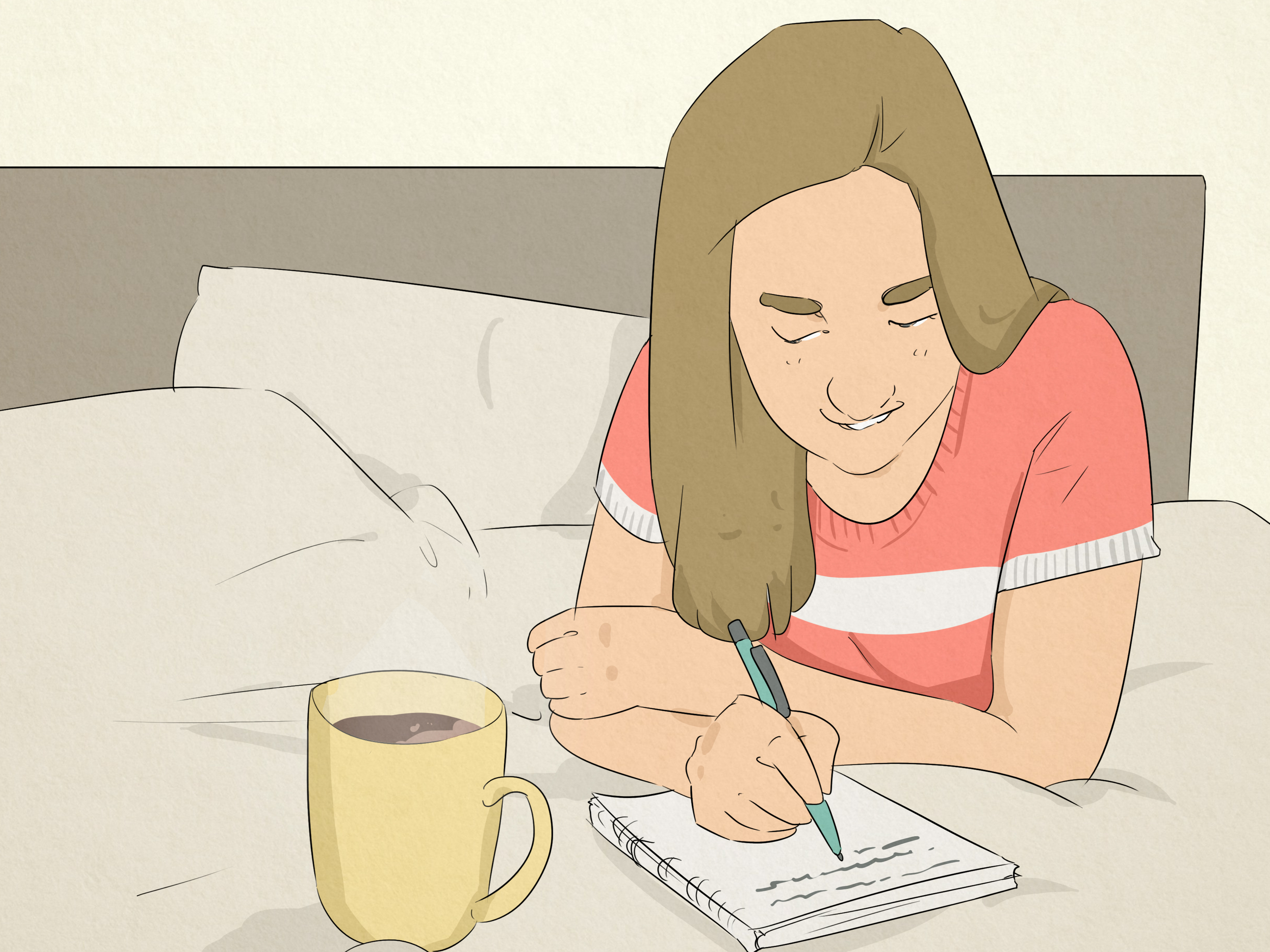
Keep your tools simple and ready. If you like handwriting, choose a notebook and pen that feel good. If you prefer typing, create a dedicated folder or document. If you think of ideas everywhere, use a notes app or voice memo tool.
Make the environment inviting. Add a drink, soft music, natural light, or a timer. Remove the things that usually interrupt you. You do not need perfect silence, but you do need enough focus to hear your own thoughts.
The easier it is to begin, the more likely writing becomes a habit instead of a dramatic negotiation with your calendar.
Step 8: Share Your Writing Carefully and Kindly
Writing can be private, and it is perfectly fine to keep it that way. But sharing can add motivation, connection, and useful feedback. The key is choosing the right audience.
Do not hand your brand-new poem to the most sarcastic person you know and ask for emotional support. That is not bravery; that is feeding your confidence to a raccoon.
Find supportive readers
Share with people who understand your goal. You might join a writing group, take a class, post on a personal blog, swap drafts with a friend, or read your work aloud in a small community. Ask for specific feedback, such as:
- What part was most interesting?
- Where did you feel confused?
- What sentence stood out?
- Did the ending feel satisfying?
- What would you like to know more about?
Specific questions lead to better feedback than “Do you like it?” because people may either panic and say “yes” or become an unpaid thundercloud. Helpful feedback should make you want to revise, not quit.
Step 9: Celebrate Progress, Not Just Finished Pieces
One reason people abandon writing is that they only celebrate big outcomes: finishing a book, publishing an article, winning a contest, gaining readers. Those are wonderful, but they are not the whole hobby.
Celebrate smaller wins. You wrote for ten minutes. You found a better title. You finished a messy paragraph. You described a memory clearly. You revised one sentence until it finally stopped sounding like a confused robot wrote it.
Track your writing milestones
Create a simple progress log. Record the date, what you wrote, and one thing you liked about the session. Over time, you will see proof that your hobby is growing. This matters because writing progress can feel invisible while it is happening.
You can also create low-pressure challenges: write 100 words a day for a week, complete three journal entries, draft one short story, or collect 30 ideas in a month. Keep the goals friendly. A hobby should challenge you, not chase you down the street with a clipboard.
Common Mistakes That Make Writing Less Fun
Trying to sound “writerly”
Clear writing is usually better than fancy writing. You do not need to decorate every sentence like a wedding cake. Say what you mean first. Add style later.
Comparing your draft to someone else’s finished work
Published writing has usually been revised, edited, and polished. Comparing your first draft to a finished book is like comparing raw cookie dough to a bakery display. Give your work time.
Waiting for the perfect idea
Many good ideas appear after you start writing, not before. Begin with a small observation, question, or memory. The page often reveals the path.
Making writing too complicated
You do not need ten apps, five notebooks, a color-coded system, and a candle named “Productive Forest.” Use whatever helps you write. Skip the rest.
Simple Writing Exercises to Make the Hobby Stick
The five-minute daily page
Set a timer for five minutes and write anything. Do not edit. Do not stop. This builds fluency and removes fear.
The observation list
Write ten things you noticed today. Include sounds, colors, gestures, smells, and small details. This trains attention, which is one of a writer’s greatest tools.
The memory snapshot
Choose one memory and describe it using sensory details. What did the room look like? What could you hear? What did you understand then, and what do you understand now?
The bad first sentence game
Write the worst opening sentence you can. Make it dramatic, clumsy, or ridiculous. Once the pressure is gone, write a better one. Strangely, this works.
The one-object story
Pick an object near you and invent a story about where it came from, who lost it, or why it matters. A coffee mug can become evidence. A pencil can become a family heirloom. A sock can become suspicious.
How Writing Becomes a Favorite Hobby Over Time
Writing becomes enjoyable when it starts giving something back. At first, you may only notice the awkwardness: the blank page, the clunky sentences, the strange feeling of turning thoughts into words. But with practice, writing becomes a place you can return to.
It becomes a way to understand your day. It becomes a creative playground. It becomes a record of who you were, what you noticed, and how your mind worked at a particular moment in your life. You begin to see stories everywhere: in family conversations, bus rides, old photos, recipes, weather, friendships, mistakes, and the tiny dramas of everyday life.
The best part is that writing grows with you. Your hobby can be private during busy seasons and more ambitious when you have time. You can write one paragraph or twenty pages. You can use it to relax, create, reflect, entertain, or connect.
Personal Experiences and Practical Reflections: Making Writing Feel Like Yours
One of the most useful lessons about building a writing hobby is that enjoyment often comes after starting, not before. Many beginners wait until they feel inspired, focused, and confident. Unfortunately, those three feelings are unreliable roommates. They show up late, eat your snacks, and disappear when the blank page arrives.
A better approach is to make writing feel almost too easy to refuse. For example, instead of saying, “I will write a brilliant essay tonight,” say, “I will write one paragraph about something I noticed today.” That small invitation lowers resistance. Once you begin, you often write more than planned. Even if you do not, you still kept the habit alive.
Another helpful experience is learning that your writing personality may not match your fantasy writing personality. You may imagine yourself writing at dawn with sunlight pouring over a clean desk, only to discover that your best ideas arrive at 11:37 p.m. while you are brushing your teeth. You may think you want to write fiction, then realize you love personal essays. You may buy a beautiful notebook and discover you prefer typing because your handwriting looks like a squirrel ran across the page after drinking espresso.
That is not failure. That is information. The more you experiment, the more you learn what kind of writing life suits you.
Many people also discover that writing becomes more enjoyable when they stop trying to impress an invisible audience. If every sentence must prove you are smart, talented, original, funny, and emotionally profound, writing becomes exhausting. Instead, write as if you are talking to one thoughtful person. Explain what you mean. Tell the truth as clearly as you can. Add humor where it naturally belongs. Let the writing breathe.
Keeping a small idea bank can also transform the experience. Once you begin collecting details, life becomes more interesting. You notice the neighbor who waters plants like he is apologizing to them. You notice the way grocery carts always seem to have one rebellious wheel. You notice how certain songs bring back entire seasons of your life. These details are gifts. Writing teaches you to receive them.
There is also a quiet confidence that comes from finishing small pieces. A completed journal entry, poem, blog post, or story teaches you that ideas can become something real. Not perfect. Real. That distinction matters. Perfection keeps writing trapped in your head. Completion lets it stand on the page where you can learn from it.
Revision becomes easier, too, when you see it as care rather than criticism. Revising does not mean your first draft was bad. It means you are giving the piece another chance to become clearer, stronger, and more alive. Sometimes revision is as simple as cutting a sentence that tries too hard. Sometimes it means moving the best paragraph to the beginning. Sometimes it means admitting that the joke about the haunted toaster deserves its own story.
Sharing your writing can be rewarding, but it should not be rushed. Private writing has value. Not every page needs applause. Some pages are for practice, processing, or play. When you do share, choose people who respect the courage it takes to show unfinished work. Good readers help you hear your own writing better.
Over time, writing may become one of your favorite hobbies because it is both creative and practical. It helps you remember, imagine, reflect, communicate, and pay attention. It gives you a place to put feelings that are too tangled to explain out loud. It turns ordinary days into material. It makes you a better observer of people, places, and yourself.
Most of all, writing is always available. You can return to it after a long break. You can change styles. You can start over. You can write badly, write briefly, write privately, write joyfully, and write your way into surprising discoveries. The page does not require you to be perfect. It only asks you to begin.
Conclusion
Making writing one of your favorite hobbies is not about becoming famous, sounding fancy, or producing perfect pages. It is about building a practice that feels rewarding enough to return to. Start with the kind of writing you enjoy. Keep the routine small. Collect ideas. Read often. Use prompts. Create a comfortable space. Share carefully. Celebrate progress.
The more you write, the more writing becomes part of how you experience the world. You begin to notice more, think more clearly, and turn small moments into meaningful words. And yes, some days your sentences will wobble like a shopping cart with a bad wheel. Keep going anyway. That is how hobbies become habits, and how habits become something you love.