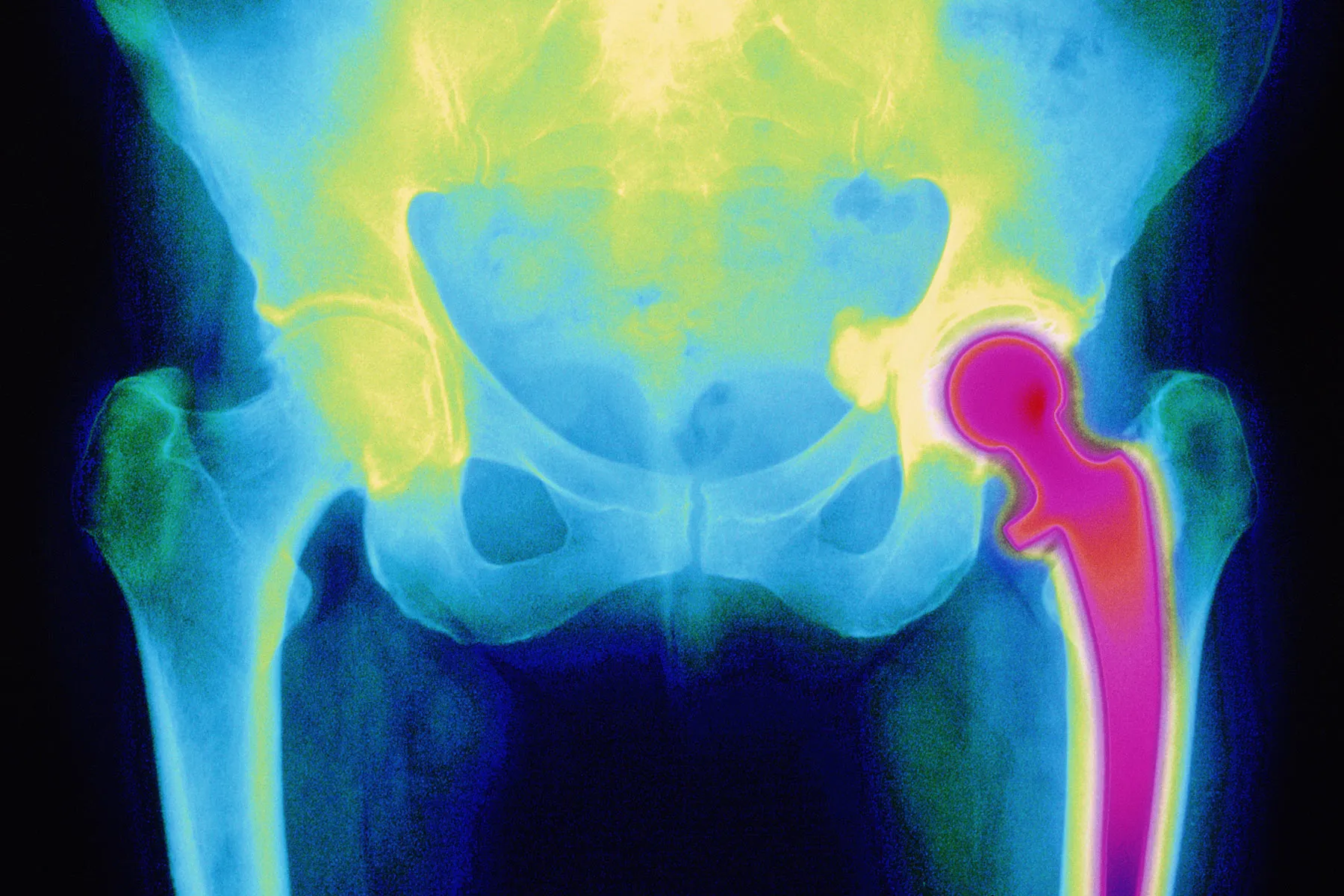
Hip pain has a special talent for turning ordinary life into an obstacle course. Walking to the mailbox? Adventure. Getting out of a car? Gymnastics. Putting on socks? Suddenly, you need the flexibility of a circus performer and the patience of a saint. When arthritis, injury, or severe joint damage makes daily movement painful, hip replacement may become more than a medical phrase you hear in waiting rooms. It may become the option that helps you get your life back.
A hip replacement, also called total hip arthroplasty, is surgery to remove damaged parts of the hip joint and replace them with artificial components. These parts are usually made from metal, ceramic, and durable plastic. The goal is simple: reduce pain, improve movement, and help you return to everyday activities with more comfort.
Of course, “simple” does not mean “minor.” Hip replacement is major surgery, and it deserves careful planning, realistic expectations, and a good relationship with your orthopedic care team. This guide explains what hip replacement is, who may need it, how to prepare, what recovery is like, and what real-life experiences often feel like after surgery.
What Is Hip Replacement?
The hip is a ball-and-socket joint. The “ball” is the top of the thighbone, and the “socket” is part of the pelvis. In a healthy hip, smooth cartilage helps these surfaces glide easily. When cartilage wears down or bone is damaged, the joint can become stiff, painful, and hard to use.
During total hip replacement, the surgeon removes the damaged bone and cartilage and replaces them with artificial parts. A stem is placed into the thighbone, a ball is attached to the top of that stem, and a cup-shaped socket is placed in the pelvis. A smooth liner helps the new ball move inside the new socket.
Some people have a partial hip replacement, often after certain hip fractures. Others have a total hip replacement for arthritis or long-term joint damage. Your surgeon will recommend the type based on your diagnosis, age, activity level, bone quality, and overall health.
Why Do People Need Hip Replacement?
The most common reason for hip replacement is osteoarthritis. This “wear-and-tear” arthritis gradually damages cartilage, leading to pain, stiffness, swelling, and reduced range of motion. But osteoarthritis is not the only reason a hip may need replacing.
Common conditions that may lead to hip replacement
Hip replacement may be considered for people with rheumatoid arthritis, post-traumatic arthritis after an injury, avascular necrosis when blood supply to the bone is reduced, hip fractures, developmental hip problems, or severe joint damage that has not improved with nonsurgical treatment.
Doctors usually do not recommend surgery just because an X-ray looks bad. The bigger question is how your hip affects your life. If pain keeps you from sleeping, walking, working, exercising, climbing stairs, or enjoying normal routines, it may be time to discuss surgical options.
Signs It May Be Time to Talk to a Surgeon
Hip replacement is usually considered after other treatments no longer provide enough relief. These may include physical therapy, weight management, activity changes, anti-inflammatory medications, injections, walking aids, or targeted exercises.
You may want to speak with an orthopedic specialist if hip pain limits daily activities, continues even while resting, makes it hard to sleep, causes limping, reduces your ability to bend or rotate your leg, or forces you to avoid things you enjoy. Another clue: if you have developed a personal relationship with your heating pad and your stairs now feel like Mount Everest, your hip may be trying to get your attention.
Types of Hip Replacement Approaches
Surgeons can reach the hip joint using different approaches. The most common include posterior, anterior, and lateral approaches. Each has benefits and trade-offs, and no single approach is perfect for every patient.
Posterior approach
The posterior approach enters from the back or side of the hip. It has been used successfully for many years and gives surgeons excellent visibility of the joint. Some patients may receive specific movement precautions afterward to lower the risk of dislocation while soft tissues heal.
Anterior approach
The anterior approach enters from the front of the hip. Some surgeons use it because it may disturb fewer muscles in selected patients. However, outcomes depend heavily on surgeon experience, patient anatomy, and the details of the case.
Minimally invasive techniques
Minimally invasive hip replacement uses smaller incisions and may reduce tissue disruption in some cases. Still, smaller is not automatically better. Correct implant placement, safety, and long-term function matter far more than winning a “tiny incision” contest.
How to Prepare Before Hip Replacement Surgery
Good preparation can make recovery smoother. Before surgery, your care team may order blood tests, imaging, heart evaluation, medication reviews, and sometimes dental or infection checks. You may be asked to stop certain medications, quit smoking, improve blood sugar control, or strengthen muscles before the operation.
Prepare your home
Think of home preparation as creating a temporary “hip-friendly headquarters.” Remove loose rugs, cords, clutter, and anything that could cause a fall. Place commonly used items at waist level. Set up a comfortable chair with arms. Consider a raised toilet seat, shower chair, grabber tool, long-handled shoehorn, and non-slip bath mat.
If your bedroom is upstairs, ask your care team whether you should create a sleeping space on the main floor for the first days. Make sure pathways are wide enough for a walker or cane. Your future self will thank you, possibly while wearing very practical slippers.
Plan your support system
Arrange for someone to drive you home, help with meals, pick up prescriptions, care for pets, and handle errands. Even highly independent people need help early on. Hip replacement recovery is not the ideal time to prove you can carry a laundry basket like an Olympic event.
What Happens During Surgery?
Hip replacement surgery usually takes a few hours, though timing varies. You may receive general anesthesia, spinal anesthesia, regional blocks, or a combination depending on your health and the surgical plan. Your surgeon removes the damaged joint surfaces, positions the artificial components, checks stability and leg length, and closes the incision.
Many hospitals now use enhanced recovery pathways. These programs often focus on better pain control, early movement, blood clot prevention, and shorter hospital stays. Some healthy patients may go home the same day, while others stay overnight or longer depending on age, medical conditions, mobility, and home support.
Benefits of Hip Replacement
The biggest potential benefit is pain relief. Many patients report major improvement in joint pain and stiffness after healing. Hip replacement can also improve walking, balance, sleep, independence, and quality of life.
People often describe the change in practical terms: walking through a grocery store without leaning on the cart, sleeping without waking from hip pain, getting into a car more easily, or returning to low-impact activities such as walking, swimming, cycling, gardening, and travel.
Modern hip implants are designed to be durable. Many last for decades, though no implant is guaranteed forever. Longevity depends on implant type, surgical technique, activity level, body weight, bone health, and whether complications occur.
Risks and Possible Complications
Most people do well after hip replacement, but every surgery carries risks. Possible complications include blood clots, infection, bleeding, dislocation, fracture, nerve injury, leg length difference, stiffness, ongoing pain, implant loosening, implant wear, or the need for revision surgery later.
Blood clots are a major reason doctors encourage early movement and may prescribe blood-thinning medication. Infection is uncommon but serious, especially if it reaches the artificial joint. Call your care team right away if you develop fever, increasing redness, drainage, worsening swelling, calf pain, chest pain, shortness of breath, or sudden severe hip pain.
Metal-on-metal hip implants deserve special mention. These are not commonly used for total hip replacement in the United States today, and the FDA has warned that metal particles from some devices can cause local tissue reactions and other problems. If you had an older implant and are unsure what type it is, ask your orthopedic surgeon.
Hip Replacement Recovery Timeline
Recovery is not one-size-fits-all. Your age, fitness, surgical approach, other health conditions, pain control, and commitment to rehabilitation all matter. Still, many patients follow a general pattern.
The first 24 to 48 hours
Recovery usually begins quickly. You may stand and walk with help the same day or the next day. A physical therapist will teach you how to use a walker or crutches, get in and out of bed, climb stairs if needed, and perform basic exercises.
The first two weeks
During the first two weeks, swelling, bruising, fatigue, and soreness are common. Your job is to walk short distances, do prescribed exercises, take medication correctly, protect the incision, prevent falls, and avoid overdoing it. Progress may feel exciting one day and annoyingly slow the next. That is normal.
Weeks three to six
Many people become more independent during this stage. Some stop using a walker and move to a cane, while others need more time. Light household tasks may become easier. Driving may be possible once your surgeon clears you, you are no longer taking certain pain medicines, and you can safely control the car.
Two to three months and beyond
By two to three months, many patients feel much stronger and more mobile. Improvements can continue for six months to a year. Low-impact exercise is usually encouraged, while high-impact activities may be limited to protect the implant. Always follow your surgeon’s instructions because your hip, not an internet calendar, gets the final vote.
Physical Therapy and Exercise After Hip Replacement
Physical therapy is a cornerstone of recovery. Exercises are designed to restore strength, flexibility, balance, and walking mechanics. Early exercises may include ankle pumps, glute squeezes, heel slides, gentle leg movements, and short walks. Later, you may add stationary cycling, step-ups, bridges, balance drills, and progressive strengthening.
Do not freestyle your rehabilitation too aggressively. More exercise is not always better. The goal is steady progress without irritating healing tissues. Pain, swelling, or increased limping after activity may mean you need to scale back and talk with your therapist.
Activities to Avoid or Approach Carefully
Your restrictions depend on your surgical approach and surgeon preference. Some patients are told to avoid bending the hip past a certain point, crossing legs, twisting sharply, or sitting in low chairs for a period of time. These precautions help reduce the chance of dislocation while tissues heal.
High-impact activities such as running, jumping, aggressive singles tennis, or heavy repetitive lifting may shorten implant life or raise injury risk. Safer long-term choices often include walking, swimming, cycling, golf, low-impact fitness classes, and strength training with proper form.
Questions to Ask Before Surgery
Before hip replacement, ask your surgeon what type of implant will be used, which surgical approach is recommended, how long you may stay in the hospital, what pain plan you will follow, how blood clots will be prevented, what restrictions apply, when you can drive, when you can return to work, and what symptoms should trigger an urgent call.
Also ask how many hip replacements your surgeon performs each year. Experience matters. You do not need to interrogate anyone with a spotlight, but you do deserve clear answers.
Living With a New Hip
A new hip is not a fragile porcelain teacup, but it is also not a license to ignore body mechanics forever. Maintain a healthy weight, stay active, strengthen your hips and core, prevent falls, and keep follow-up appointments. Tell dentists and other healthcare providers that you have a joint replacement, and ask your surgeon whether you need special precautions for certain procedures.
Travel is usually possible after recovery, but long trips may require planning. Stand, stretch, hydrate, and follow your doctor’s advice about clot prevention. At airport security, your implant may or may not set off metal detectors, so allow extra time and bring patience. Patience, unfortunately, is not yet available as a prosthetic upgrade.
Common Real-Life Experiences After Hip Replacement
People often expect hip replacement recovery to be a straight line: surgery, walker, cane, victory dance. In reality, it is more like a hiking trail with a few flat stretches, a few hills, and one moment where you wonder why your sock is on the floor mocking you. Knowing what others commonly experience can make the process feel less mysterious.
One common experience is surprise at how quickly walking begins. Many patients imagine they will be stuck in bed for days, but modern recovery usually encourages movement early. The first steps may feel awkward, guarded, and highly supervised. That is okay. The goal is not elegance. The goal is safe motion, good circulation, and reminding your muscles that they are still on the payroll.
Another common experience is fatigue. Even if the incision looks small and the hospital stay is short, your body has been through major surgery. People may feel sleepy, emotional, or mentally foggy during the first week or two. This does not mean recovery is failing. It means healing uses energy. Rest is not laziness; it is part of the treatment plan.
Swelling and bruising can also surprise patients. Bruising may travel down the leg because gravity is apparently very committed to drama. Swelling often improves with walking, ankle pumps, elevation, and following medical instructions. However, sudden calf pain, severe swelling, chest pain, or shortness of breath should be treated as urgent symptoms.
Sleep can be tricky. Some people struggle to find a comfortable position, especially if they were used to sleeping on the operated side. Pillows, proper positioning, and timing pain medicine as prescribed can help. Many patients notice sleep improves gradually as pain decreases and mobility returns.
Bathroom routines and showering may feel like logistical puzzles at first. Raised toilet seats, shower chairs, grabber tools, and non-slip mats can make daily care safer. These devices may not look glamorous, but neither does slipping while trying to prove you are “basically fine.” Safety wins.
Many patients also describe a shift in confidence. At first, they may worry about every movement. Is this bend okay? Did I twist too much? Can I sit here? Over time, therapy, follow-up visits, and small daily wins rebuild trust in the new hip. Walking to the kitchen becomes walking outside. Walking outside becomes a longer stroll. A longer stroll becomes, “Wait, I forgot to think about my hip for an hour.” That is a beautiful milestone.
Some people recover faster than expected; others need more time. Comparing yourself to a neighbor, cousin, or suspiciously energetic person online is rarely helpful. Recovery depends on many factors, including pre-surgery strength, age, other health conditions, pain tolerance, and the complexity of surgery. Your best benchmark is steady improvement over time.
The most positive experience many people report is not just less pain, but getting normal life back. They can shop without planning every step, play with grandchildren, travel more comfortably, return to hobbies, or simply sleep through the night. Hip replacement is not magic, but for the right patient, it can feel wonderfully close.
Conclusion
Hip replacement is a major decision, but it can be life-changing for people with severe hip pain, stiffness, and joint damage. The surgery replaces damaged joint surfaces with artificial components designed to reduce pain and improve movement. Success depends on choosing the right time, preparing well, understanding the risks, following rehabilitation guidance, and staying realistic about recovery.
If hip pain is shrinking your world, talk with an orthopedic specialist. You may not need surgery right away, but you deserve to know your options. A healthy hip should help you move through life, not negotiate every step like a tiny courtroom drama.