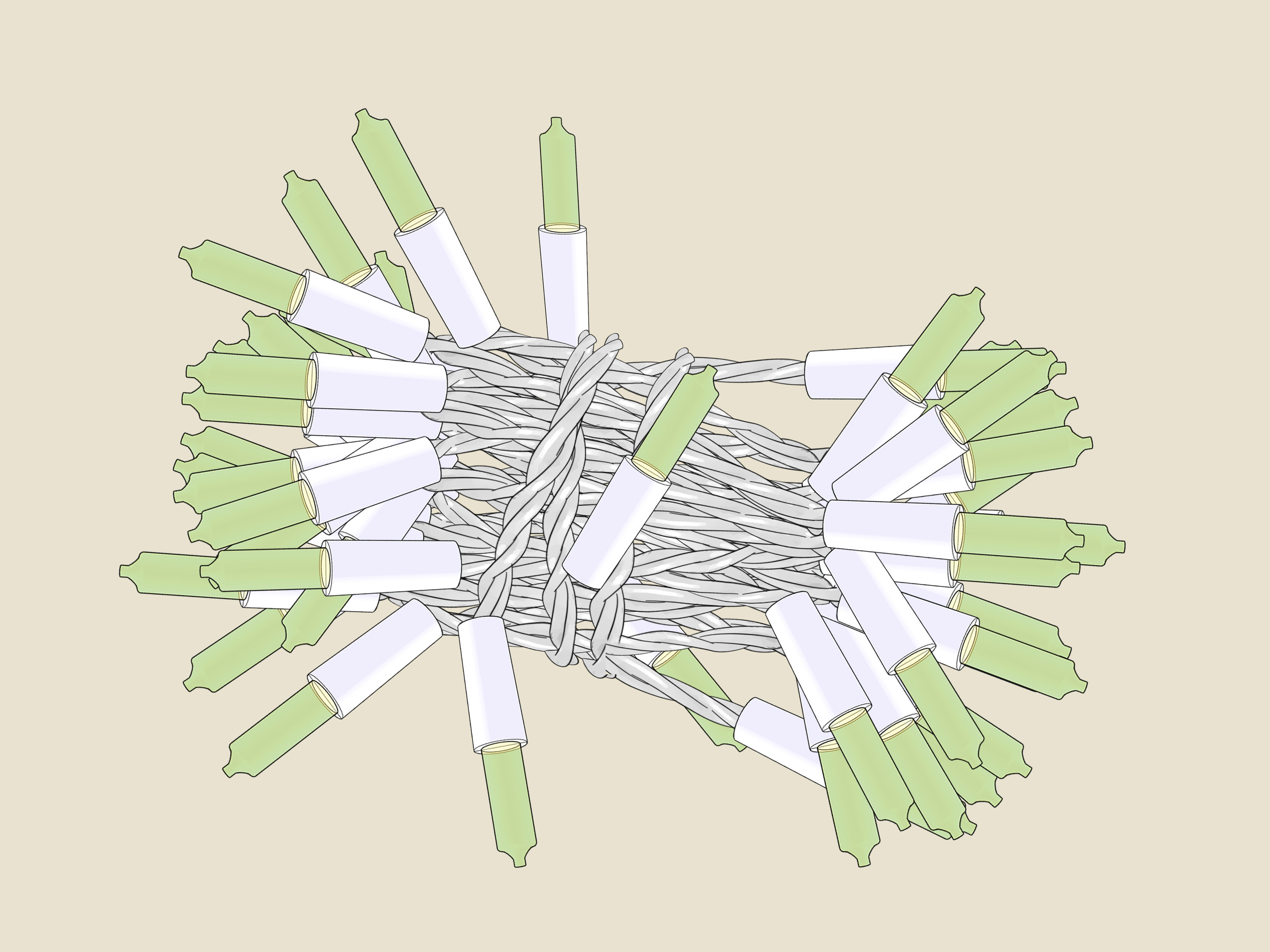
If your box of Christmas lights looks like it lost a wrestling match with a nest of extension cords, you are not alone. Every year, perfectly nice holiday lights go into storage looking calm and civilized, then come back out in December behaving like spaghetti with a grudge. The good news is that storing Christmas lights does not require a professional organizer, a label maker obsession, or a holiday miracle. It just takes a smart system.
The best way to store Christmas lights is simple: keep strands untangled, keep bulbs protected, keep wires from getting pinched, and keep everything dry. That sounds obvious, but plenty of people still toss light strands into a random tote and call it “future me’s problem.” Future you deserves better. A little effort at the end of the season can save time, money, and a surprising amount of muttering next year.
Below are five practical ways to store Christmas lights, from budget-friendly DIY ideas to more polished storage solutions. Some are great for long roofline strands, some work beautifully for tree lights or fairy lights, and all of them can help you create a holiday light storage system that is neat, safe, and actually reusable.
Why Proper Christmas Light Storage Matters
Before we get into the methods, it helps to understand why storage matters in the first place. Christmas lights are not indestructible, even if they survived six weeks wrapped around a windy porch railing. Tight bends can strain wires. Damp storage areas can lead to corrosion or mildew on nearby materials. Bulbs can crack when tossed into overcrowded bins. And tangled strands are not just annoying; they can make you yank and twist wiring in ways that shorten the life of the set.
Proper holiday light storage also helps with setup next season. When strands are labeled by location and stored by type, decorating becomes much faster. Instead of guessing which bundle belongs on the tree and which one belongs on the front fence, you can grab exactly what you need and get right to the fun part: making your house look festive enough to be seen from space.
Before You Store: Do This First
1. Unplug and inspect every strand
Check each set of lights before it goes into storage. Look for frayed wires, cracked sockets, loose bulbs, bent plugs, or any section that is no longer working correctly. Toss damaged strands instead of storing them for “someday.” That someday usually arrives on a freezing evening in December when you have exactly zero patience left.
2. Make sure outdoor lights are completely dry
If you used lights outside, do not pack them away while they are damp. Let them dry fully before winding them up. Moisture and storage do not make a charming holiday duo.
3. Sort by type and location
Separate indoor and outdoor lights. Then divide by where they belong: tree, mantel, front porch, shrubs, stair railing, bedroom window, or wherever else your holiday spirit tends to wander. This one step can save you a ridiculous amount of time next year.
4. Label as you go
Use masking tape, gift tags, or adhesive labels to mark each strand or storage item. Write something useful, like “Front Porch Roofline” or “7.5-Foot Tree Lights.” Writing “Christmas Lights” on everything is technically accurate and practically useless.
1. Store Christmas Lights in the Original Packaging
If you still have the original box and it is in decent shape, congratulations: you already own a free Christmas light organizer. Original packaging works especially well for newer light sets, smaller indoor strands, and specialty lights that came with molded inserts or compartments.
The trick is not to shove the lights back in like you are trying to win a storage speedrun. Instead, loosely coil the strand in its natural shape, secure it gently with a twist tie or soft tie, and place it back into the box. Avoid making tight loops, since that can put stress on the wire.
Why this method works
Original packaging is sized for the product, which helps protect bulbs and plugs. It is also helpful if you want to keep instructions, spare bulbs, fuses, or warranty details with the set. For people who only use a few strands, this method is simple and tidy.
Best for
Mini lights, specialty string lights, battery-operated lights, and newer sets you want to keep with their accessories.
Watch out for
If the box is crushed, torn, or flimsy, skip it. Worn cardboard is not great for long-term storage, especially in areas with fluctuating humidity. Put boxed lights inside a sturdy plastic bin if you want extra protection.
2. Wrap Lights Around Cardboard or a Wrapping Paper Tube
This is one of the most popular DIY Christmas light storage ideas for a reason: it is cheap, easy, and surprisingly effective. Grab a sturdy piece of cardboard, cut a slit on each end, and wrap the strand around the board. Or use an empty wrapping paper tube or paper towel roll for smaller strands. Tuck the plug ends into the slits so the lights stay put.
This method keeps strands separated and easy to stack inside a storage tote. It is also perfect for people who want an affordable solution without buying special reels or bags. In other words, it is the hero of the “I just spent all my extra money in December” season.
Why this method works
Cardboard sheets and tubes prevent tangles while keeping each strand flat and manageable. They are especially useful for storing Christmas tree lights, fairy lights, or short strings used on garlands and mantels.
Best for
Short to medium strands, fairy lights, tree lights, and budget-friendly holiday storage.
Watch out for
Do not wrap the strand too tightly. The goal is gentle organization, not wire compression. And if you store cardboard in a damp area, it can break down over time. For long-term success, place wrapped strands in a lidded plastic bin and store that bin in a dry interior closet or another stable environment.
3. Use a Plastic Light Reel or Spool
If you decorate outdoors or use long light strands, a plastic reel or spool is one of the best Christmas light storage solutions you can buy. You wind each strand onto its own reel, secure the end, and place the reel in a tote, storage bag, or on a shelf. Some holiday storage kits even come with multiple reels inside a zippered bag.
This method is especially useful for roofline lights, yard lights, and longer LED strands. Instead of spending next year untangling a holiday electrical octopus, you can simply unwind what you need and get started.
Why this method works
Reels are designed to keep cords organized without sharp bends. They make winding and unwinding much easier, and they help protect bulbs from getting crushed in a pile. If you decorate heavily outside, this is the method that can make you feel suspiciously organized.
Best for
Long strands, outdoor Christmas lights, C9 or larger bulb strings, and anyone who decorates like the neighborhood finals are being judged.
Watch out for
Use one strand per reel when possible. Combining multiple sets on a single spool may save space, but it often creates confusion and makes next year’s setup more annoying. Also, label the reel clearly so you know whether it belongs on the porch, fence, shrubs, or eaves.
4. Wrap Lights Around a Sturdy Hanger
A plastic clothes hanger can be a surprisingly handy light storage tool. Hook one end of the strand into a notch, wrap the lights around the hanger in a long oval, then secure the other end in the opposite notch. Place the hanger inside a hard-sided bin, or hang several on a rod inside a storage closet if space allows.
This is a clever option for homeowners who want a quick, low-cost storage fix using items they already have. It is also easy to carry, easy to label, and easy to separate by area of the house.
Why this method works
Hangers keep strands from collapsing into a tangle and help maintain a consistent shape. They are also useful when you want to store several different sets vertically rather than stacking them in layers.
Best for
Medium-length strands, indoor Christmas lights, garland lights, and people who like practical hacks with almost no setup.
Watch out for
Choose sturdy hangers rather than flimsy wire ones. You want something that will support the lights without bending or snagging the wire insulation. Add a little tissue paper or soft cloth around the wrapped strand if you want extra bulb protection.
5. Use a Clear Bin With Dividers or Separate Bags
If your goal is an easy-to-see, easy-to-stack holiday storage system, clear bins are hard to beat. You can loosely coil each light strand, secure it with a soft tie, and place each coil in its own compartment or bag inside the bin. Some people use ornament organizers with divided sections; others use zipper bags for each strand and group them together in one large tote.
This method is especially helpful if you have lots of different light styles: warm white lights, multicolor lights, icicle lights, net lights, fairy lights, and battery-operated strands for tabletop decor. A clear bin lets you see everything at a glance, which is wonderful when your decorating mood is cheerful and your storage memory is not.
Why this method works
Dividers and individual bags help prevent strands from rubbing against each other or tangling. Clear bins also make inventory easier, and hard-sided containers offer better protection than random cardboard boxes or overloaded shopping bags.
Best for
Mixed light collections, families with multiple decorating zones, and anyone trying to build a more polished Christmas decoration storage setup.
Watch out for
Do not overcrowd the bin. If you cram too many strands into one container, bulbs and plugs can get pressed against each other. Give everything enough room to breathe and enough structure to stay intact.
Where Should You Store Christmas Lights?
The best place to store Christmas lights is a cool, dry area with stable conditions. An interior closet, dedicated storage room, or climate-controlled section of the house is ideal. Garages, attics, basements, and sheds can work in some homes, but they are not always the best choice if they get damp, hot, or wildly cold throughout the year.
If you must use one of those spaces, protect the lights with airtight or well-sealed bins, keep them off the floor, and use labels so you are not digging through every box next season. Moisture is the enemy, and mystery boxes are a close second.
Common Christmas Light Storage Mistakes to Avoid
- Throwing all strands into one box without wrapping them first
- Storing damp outdoor lights
- Keeping broken or frayed strands “just in case”
- Wrapping lights so tightly that wires are stressed
- Mixing indoor and outdoor strands together
- Skipping labels and relying on next year’s memory
- Using weak containers that crush easily or attract moisture
Real-Life Lessons From Years of Storing Christmas Lights
Anyone who has decorated for Christmas more than once probably has a holiday light story, and most of them begin with confidence and end with a tangled mess on the living room floor. One year, it seems reasonable to toss a few strands into a spare bin because you are tired, dinner is getting cold, and the tree is already down. Then next year arrives, and suddenly you are negotiating with a knot of mini lights like it is a hostage situation.
The biggest lesson many people learn is that speed at cleanup time usually creates chaos later. The fastest way to put lights away is almost never the fastest way to use them again. A five-minute shortcut in January can become a forty-minute headache in December. That is why even a basic storage routine pays off. Once you have untangled, inspected, wrapped, and labeled your strands a couple of times, the system becomes second nature.
Another common experience is realizing that different lights need different storage methods. Long outdoor strands are usually happiest on reels or spools because they are bulky and awkward. Small fairy lights behave better on cardboard tubes. Tree lights often do fine in original packaging or in labeled bags inside a bin. Trying to force every set into one storage style sounds efficient, but it usually creates frustration. The better strategy is to match the method to the strand.
People also discover that labels are far more important than they first seem. At the end of the season, every strand looks familiar enough that you assume you will remember it later. But by next December, “white lights” could mean tree lights, porch lights, stair lights, or the set you bought on sale and forgot about entirely. A tiny label that says “Mantel Garland” can feel like a gift from your past self.
There is also the lesson of storage location. Plenty of households have learned the hard way that an attic or damp basement can be rough on holiday decorations. Even when the lights themselves survive, the packaging may not. Bins get musty, cardboard softens, and accessories vanish into mysterious corners. Once people switch to lidded bins in a dry indoor space, they often wonder why they waited so long.
And then there is the emotional side of it, because yes, Christmas lights are practical objects, but they are also part of family tradition. The lights on the tree, the strands around the front door, the warm glow on a staircase rail, those details shape the mood of the season. Storing them well is not just about organization. It is about protecting the little pieces of holiday magic that come back out year after year.
In the end, the best Christmas light storage method is the one you will actually use. It does not need to be fancy. It just needs to keep strands dry, untangled, labeled, and easy to find. Whether that means reels, cardboard, hangers, original boxes, or clear bins, the goal is the same: less frustration, fewer broken bulbs, and a much calmer start to the next holiday season.
Final Thoughts
Storing Christmas lights well is one of those small household habits that makes an outsized difference. A simple system keeps strands safer, prevents tangles, reduces waste, and turns next year’s decorating session into something a lot more cheerful. You do not need a massive budget or a Pinterest-perfect storage room. You just need a method that protects the lights and makes sense for your space.
So choose one of these five ways to store Christmas lights, add labels like a holiday genius, and give future you the kind of organized December that feels almost suspiciously peaceful. Your lights will last longer, your setup will move faster, and your annual battle with tangled cords can finally retire with dignity.